
Landscape — History & Facts
What if silence could speak through light? In the delicate embrace of a 19th-century landscape, the tranquility of nature transcends mere observation, inviting the viewer into a world of serene ecstasy. Focus your gaze on the horizon where soft, golden sunlight spills across the rolling hills, illuminating the gentle curves of the terrain. Notice how the vibrant greens blend seamlessly with the subtle blues of the sky, creating a harmonious palette that seems to pulse with life. The brushwork is both meticulous and free, allowing the clouds to drift lazily while maintaining an airy sense of movement and depth.
This interplay of color and light encapsulates the artist's intent to communicate the profound beauty found in nature’s silence. Yet, beneath this idyllic surface, there lies a contrasting tension. The sprawling landscape, while peaceful, evokes a sense of longing, as if every tree and blade of grass whispers secrets of the earth. The ethereal quality of the light suggests the fleeting nature of these moments—an exquisite reminder of temporality in the midst of eternal landscapes.
The viewer is left contemplating their own connection to these scenes of solitude, where the ecstasy of nature coexists with a poignant sense of isolation. Eugène Joseph Verboeckhoven painted this work during a period marked by the rise of Romanticism in Europe. Working primarily in Belgium, he was captivated by the natural world, focusing on the delicate balance between man and nature. During the 19th century, artists began to explore emotional depth and intuitive responses to the environment, crafting pieces that reflected both external beauty and internal feelings.
More Artworks by Eugène Joseph Verboeckhoven
Browse all →
The Guardian Of The Flock
Eugène Joseph Verboeckhoven
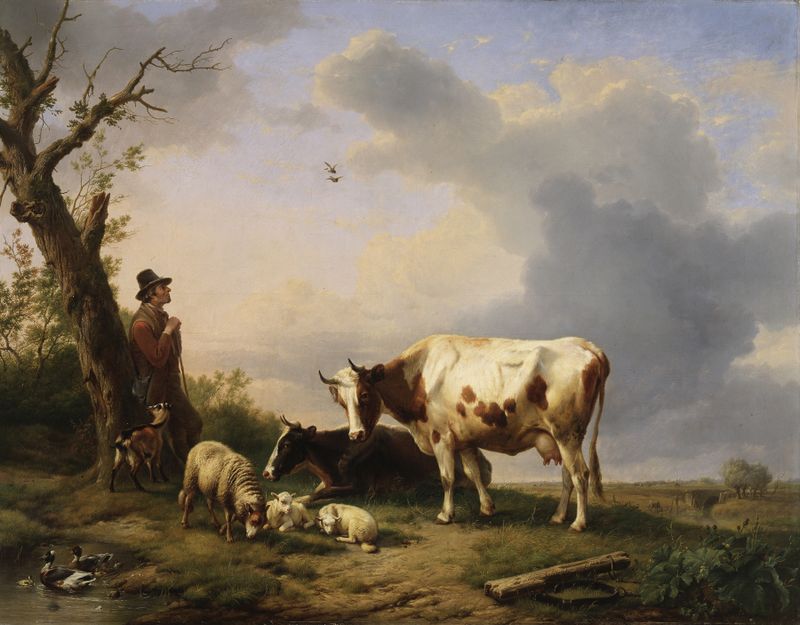
Landscape with animals
Eugène Joseph Verboeckhoven
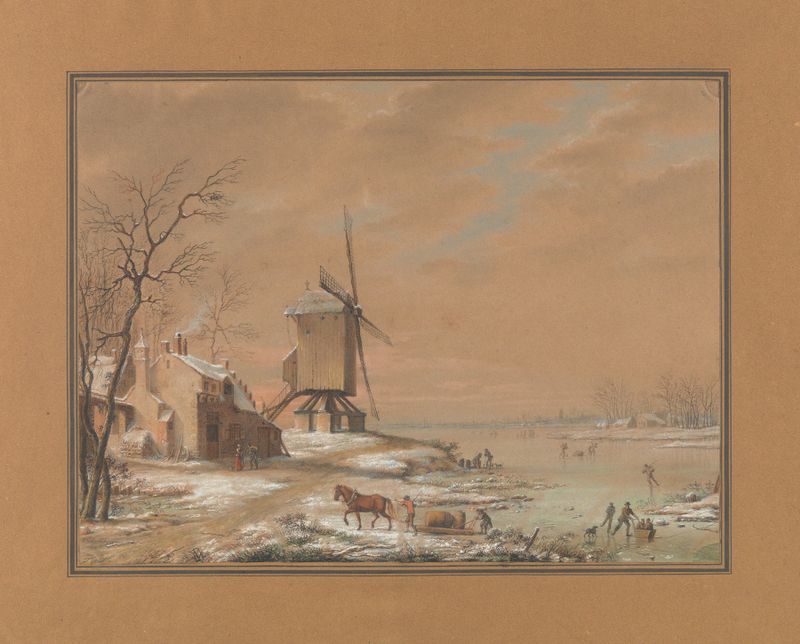
Winterlandschap
Eugène Joseph Verboeckhoven

Sheep and Chicken in a Landscape
Eugène Joseph Verboeckhoven
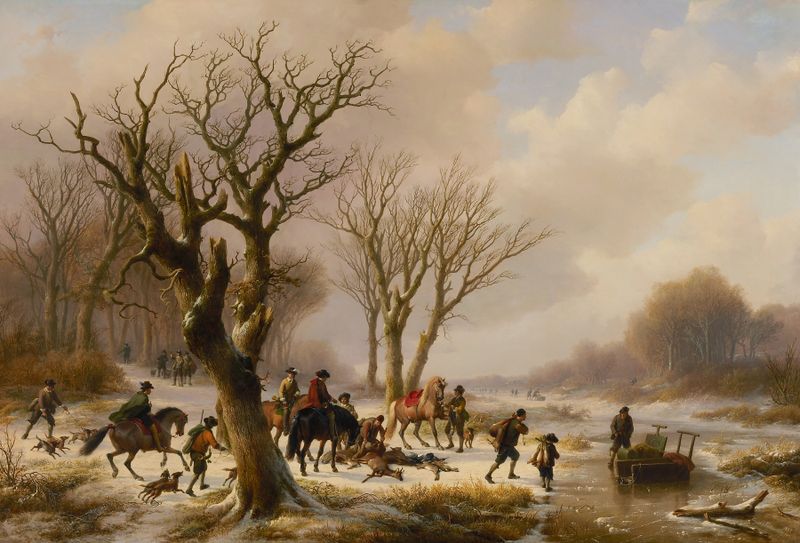
Na de jacht
Eugène Joseph Verboeckhoven
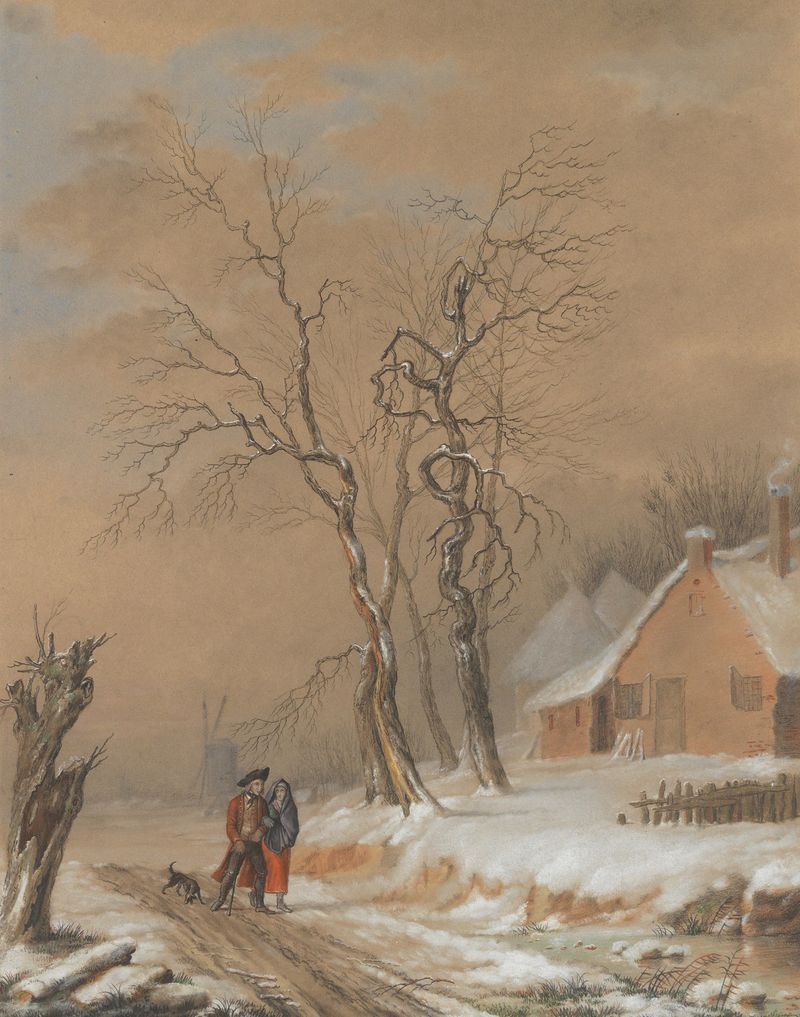
Winter landscape with two figures and a dog
Eugène Joseph Verboeckhoven

Horseman Resting
Eugène Joseph Verboeckhoven
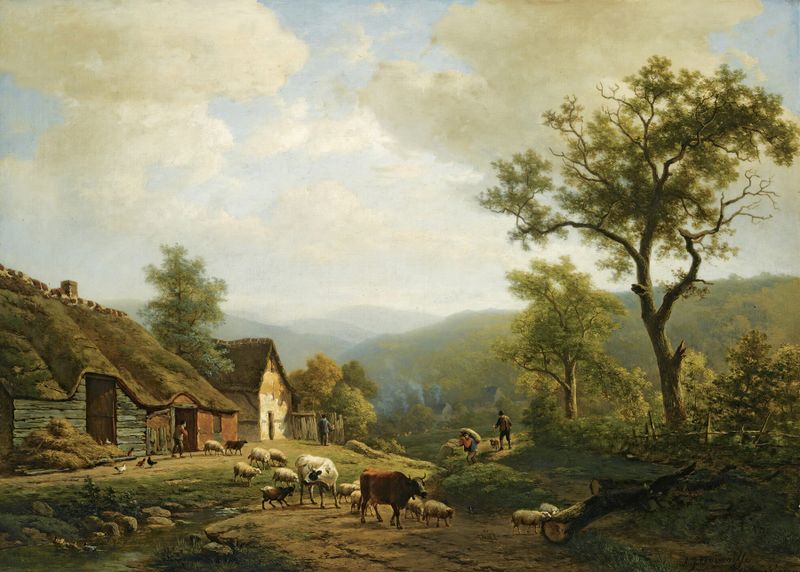
A Hilly Landscape With Cattle Going To The Fields
Eugène Joseph Verboeckhoven
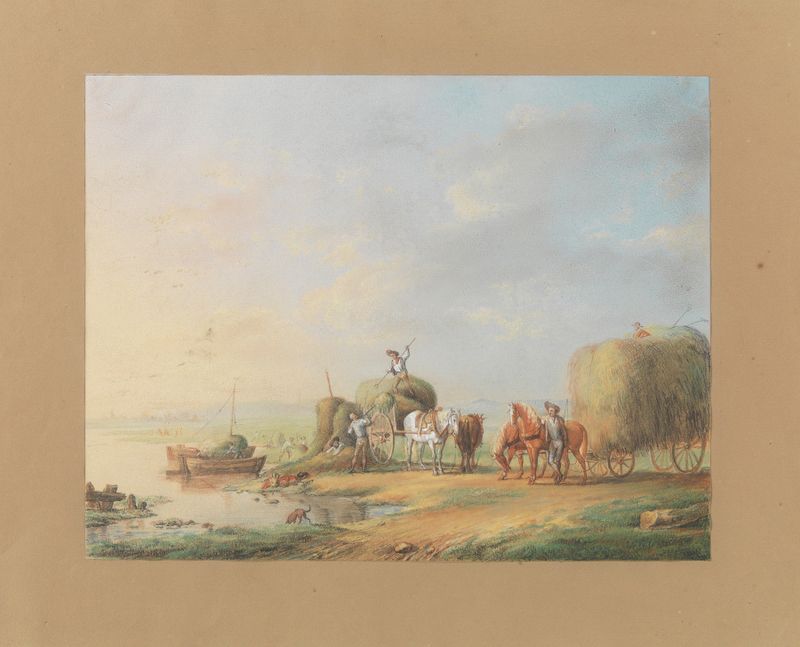
Boeren met paarden en hooiwagens aan de oever van een rivier
Eugène Joseph Verboeckhoven
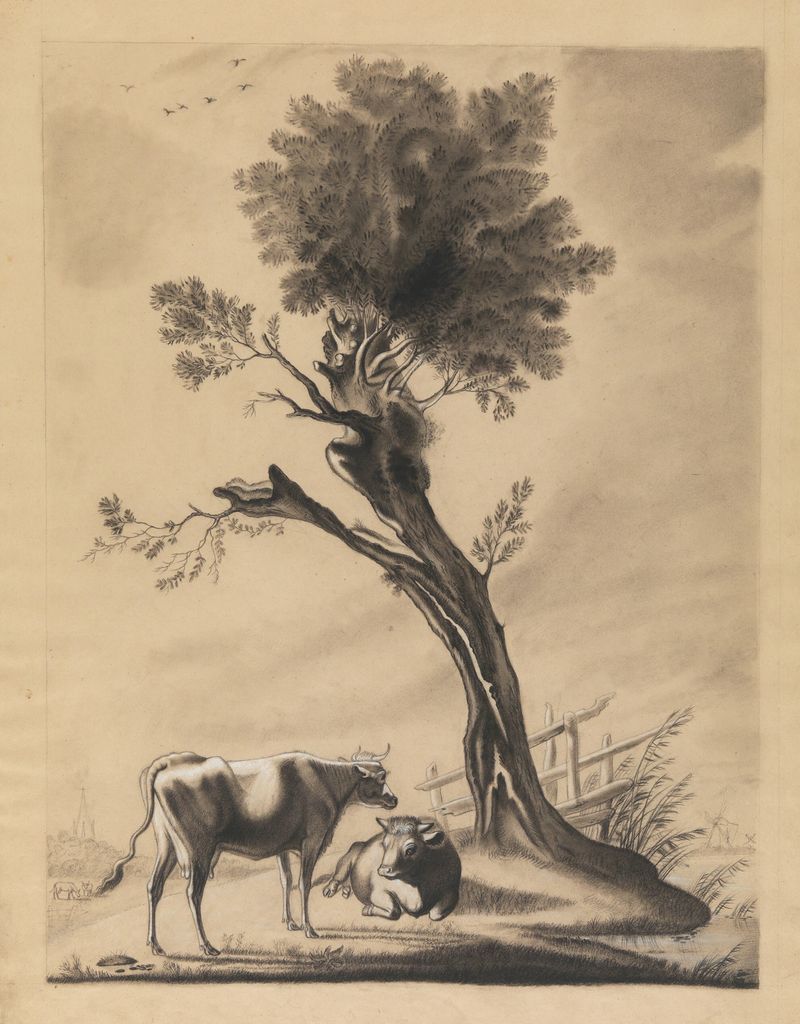
Cows in a landscape
Eugène Joseph Verboeckhoven





