Sheep and Chicken in a Landscape — History & Facts
Did the painter know this moment would outlive them? In Sheep and Chicken in a Landscape, chaos is simmering beneath the calm facade of rural tranquility, hinting at the fragile balance of nature and life. Look to the right at the flock of sheep, their wooly forms clustered together as if seeking comfort in numbers. Notice how the soft brushstrokes create a warm, inviting texture that contrasts with the sharp lines of the chicken pecking nearby. The light cascades across the scene, bathing the verdant fields in a golden hue that harmonizes the earth’s elements, while delicate clouds float lazily above, framing the idyllic moment.
The palette of greens, browns, and whites serves to unify the composition, drawing the viewer's eye across the landscape and imbuing it with a sense of serene unity. Yet beneath this pastoral beauty lies an unsettling tension. The sheep, usually symbols of peace, appear restless, hinting at an underlying chaos that nature often conceals. The chicken, often seen as a harbinger of domestic life, disrupts the scene, suggesting the intrusion of human concerns into the idyllic rural setting.
This delicate interplay of calm and chaos invites contemplation on the unpredictable rhythm of life, where moments of tranquility can be fleeting. Verboeckhoven painted Sheep and Chicken in a Landscape in 1873, during a time when Europe was experiencing profound changes in society and the art world. Emerging from the shadows of Romanticism, he sought to capture the charm of rural life while subtly alluding to the complexities inherent in nature. As he painted in Belgium, his work reflected a fascination with the beauty of the countryside, even as industrialization began to reshape traditional landscapes.
More Artworks by Eugène Joseph Verboeckhoven
Browse all →
The Guardian Of The Flock
Eugène Joseph Verboeckhoven
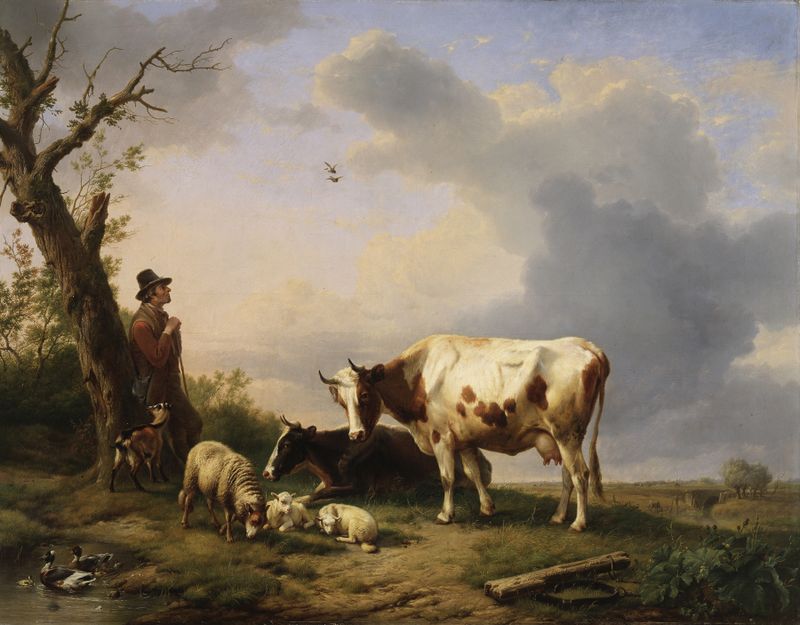
Landscape with animals
Eugène Joseph Verboeckhoven
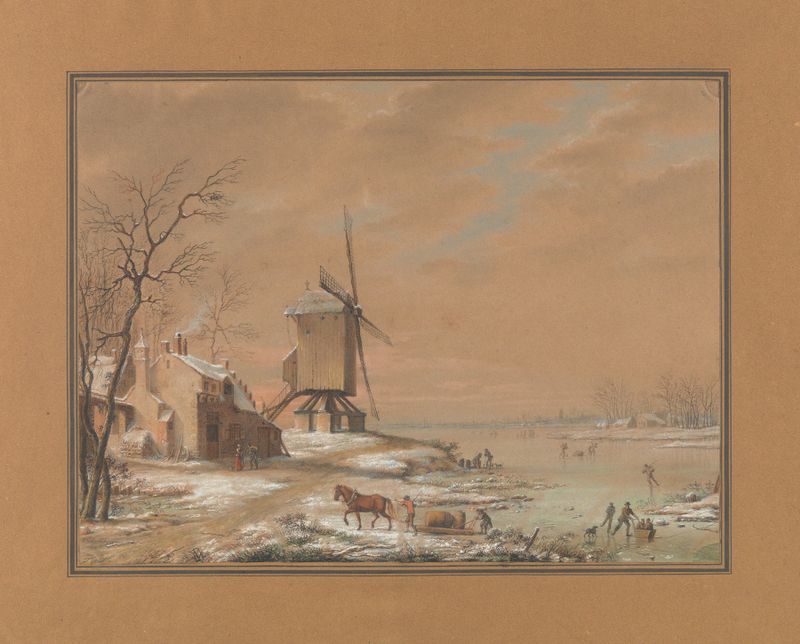
Winterlandschap
Eugène Joseph Verboeckhoven
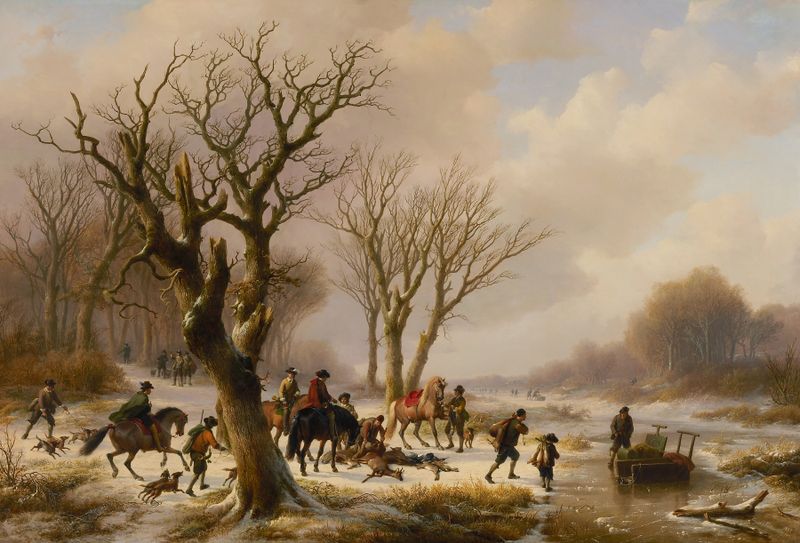
Na de jacht
Eugène Joseph Verboeckhoven
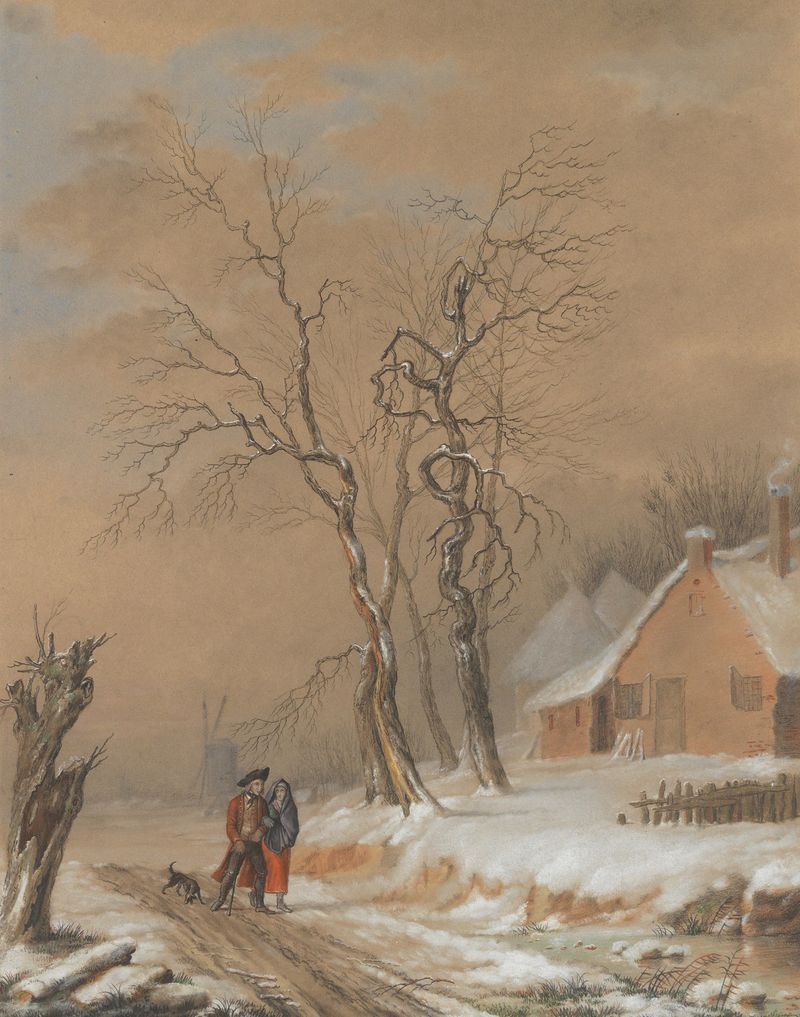
Winter landscape with two figures and a dog
Eugène Joseph Verboeckhoven

Horseman Resting
Eugène Joseph Verboeckhoven
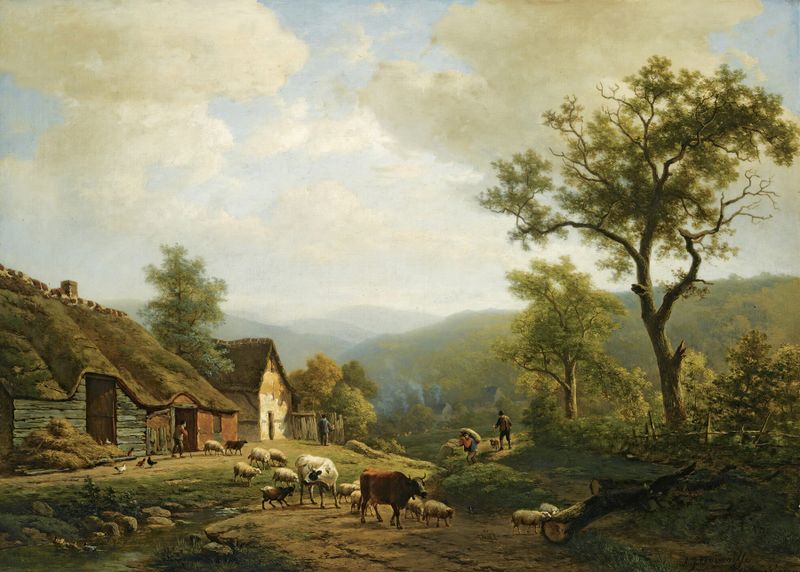
A Hilly Landscape With Cattle Going To The Fields
Eugène Joseph Verboeckhoven
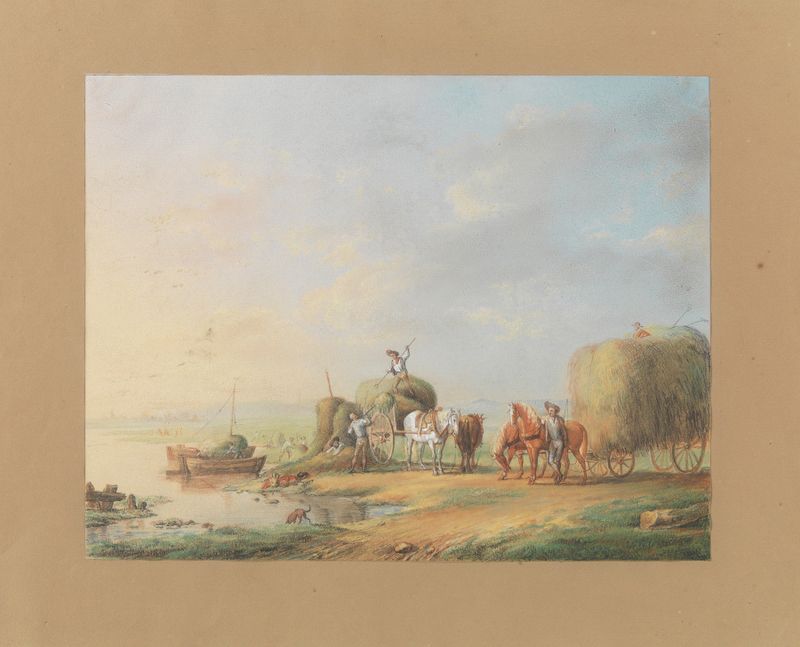
Boeren met paarden en hooiwagens aan de oever van een rivier
Eugène Joseph Verboeckhoven
Cows in a landscape
Eugène Joseph Verboeckhoven
Landscape
Eugène Joseph Verboeckhoven