
The Guardian Of The Flock — History & Facts
What secret hides in the quiet of the canvas? In The Guardian Of The Flock, a tranquil moment envelops the viewer, inviting introspection and wonder. Look to the center of the composition, where a shepherd stands vigilant among his sheep. The soft, muted palette, dominated by earthy browns and gentle greens, highlights the serenity of the scene while the light delicately caresses the figures, bringing them to life. Notice how the shepherd’s weathered face, framed by a wide-brimmed hat, reflects his quiet dedication, while the sheep, painted with meticulous detail, convey a sense of vulnerability and innocence.
The lush landscape forms a peaceful backdrop, cradling the figures in an embrace of nature. Beneath this pastoral appearance lies a meditative tension. The contrast between the shepherd’s stoic presence and the delicate, fleeting movements of the sheep suggests a fragile balance—protection and dependence entwined. Each sheep, with its soft wool and attentive gaze, seems to mirror the unspoken bond of trust and responsibility.
The composition evokes themes of guardianship and the profound connection between man and nature, hinting at the larger narrative of life’s uncertainties. In 1862, Eugène Joseph Verboeckhoven painted this work amidst a flourishing Romantic movement that celebrated nature and rural life. Living in Belgium, he was influenced by the era's shift towards realism, capturing the simplicity of pastoral scenes while also reflecting deeper human emotions. This painting presents a moment in his artistic evolution, revealing his ability to transcend mere depiction to explore the soul of rural existence.
More Artworks by Eugène Joseph Verboeckhoven
Browse all →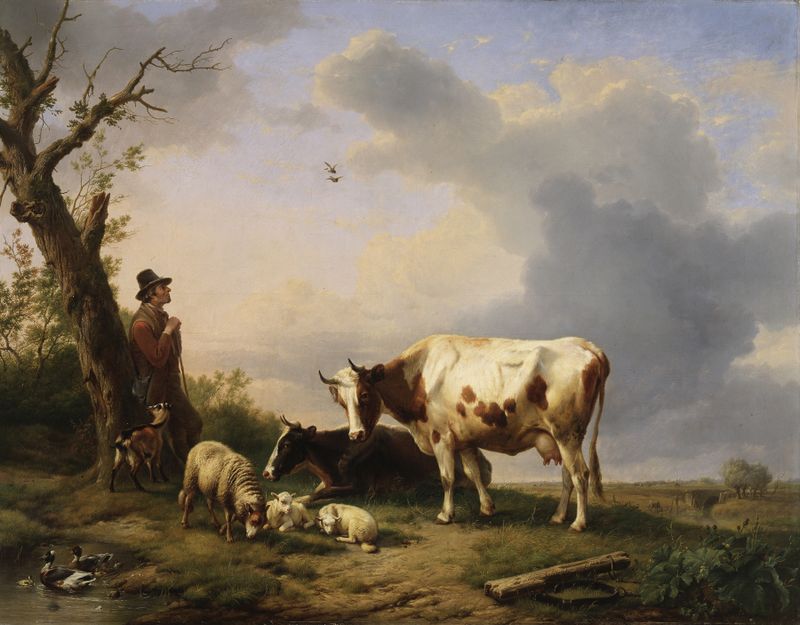
Landscape with animals
Eugène Joseph Verboeckhoven
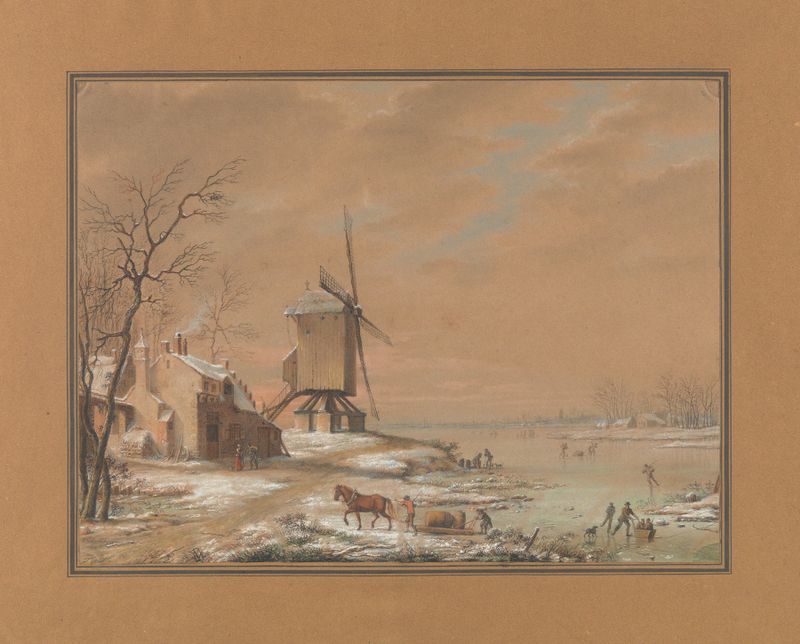
Winterlandschap
Eugène Joseph Verboeckhoven

Sheep and Chicken in a Landscape
Eugène Joseph Verboeckhoven
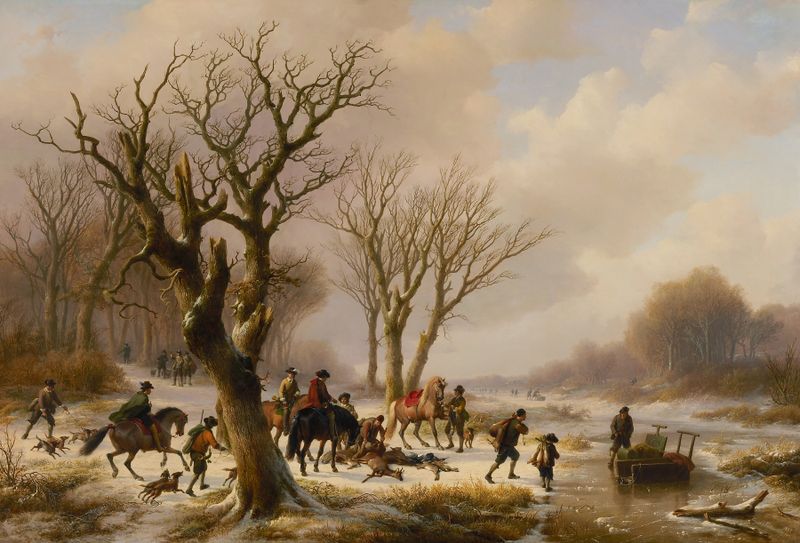
Na de jacht
Eugène Joseph Verboeckhoven
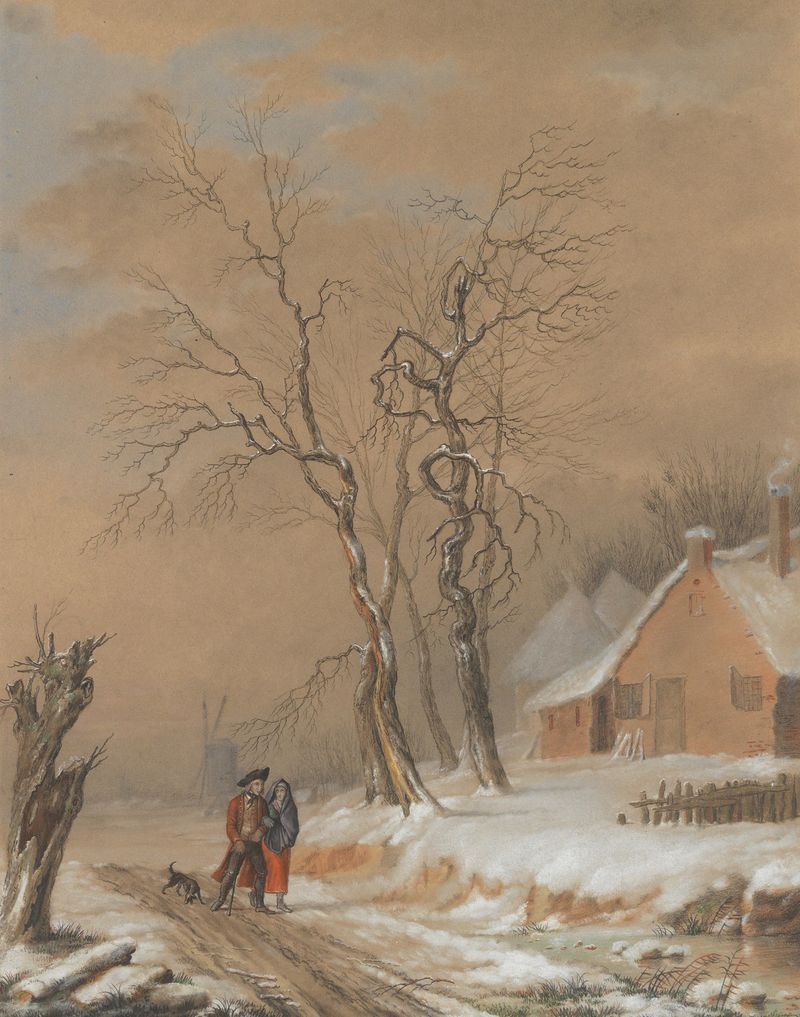
Winter landscape with two figures and a dog
Eugène Joseph Verboeckhoven

Horseman Resting
Eugène Joseph Verboeckhoven
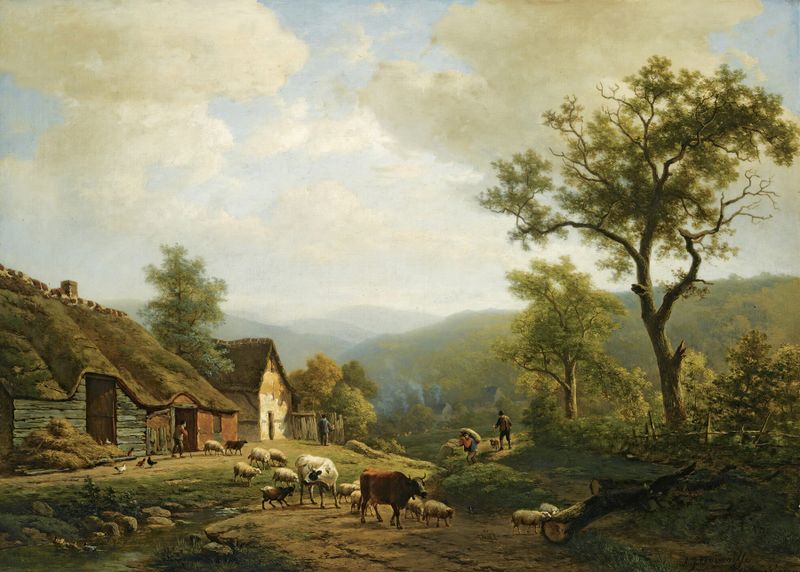
A Hilly Landscape With Cattle Going To The Fields
Eugène Joseph Verboeckhoven
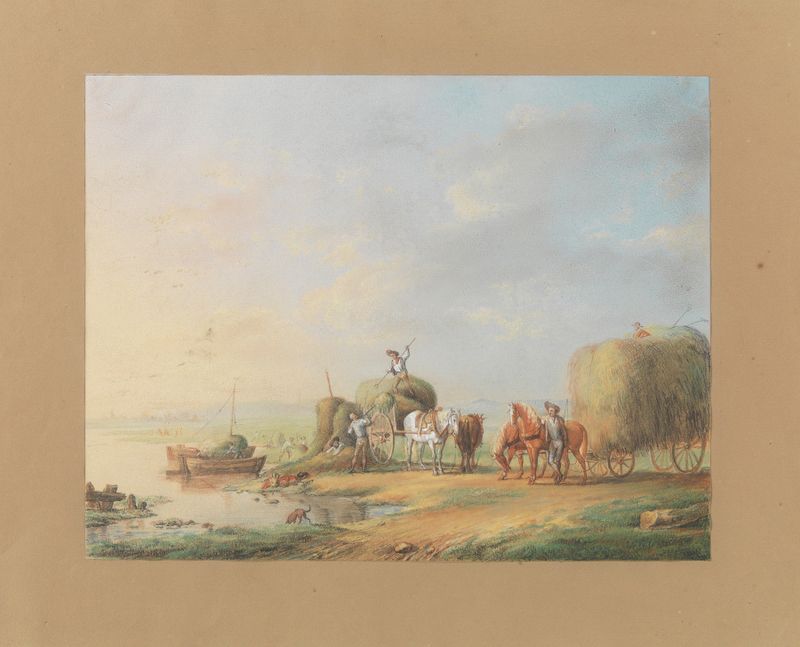
Boeren met paarden en hooiwagens aan de oever van een rivier
Eugène Joseph Verboeckhoven
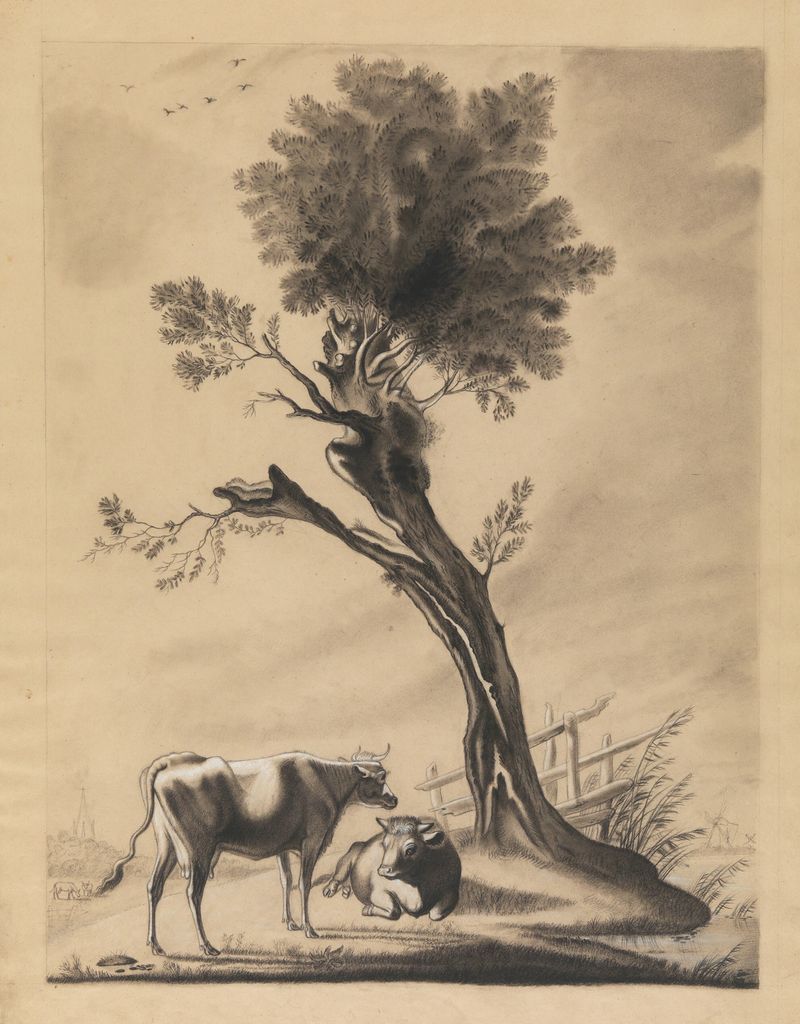
Cows in a landscape
Eugène Joseph Verboeckhoven
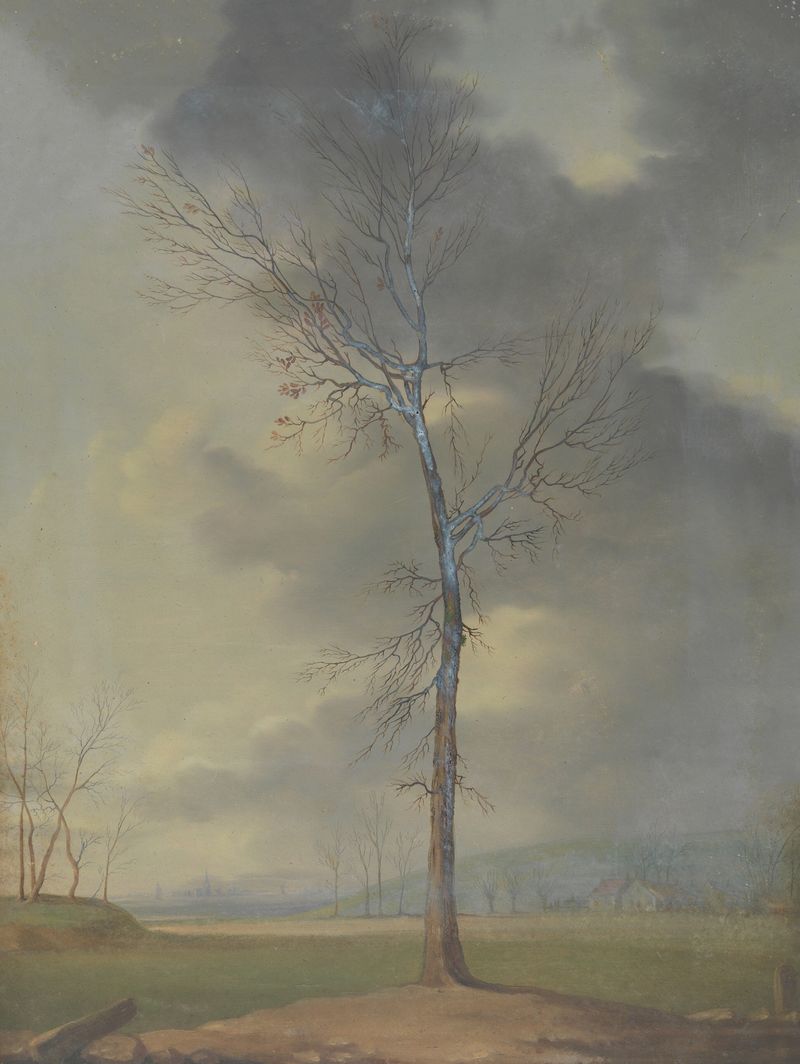
Landscape
Eugène Joseph Verboeckhoven





