
Winterlandschap — History & Facts
In a world where nature’s beauty can conceal violence beneath its serene surface, the landscape invites contemplation of the underlying chaos in our existence. Look closely at the foreground where gentle snowfall blankets the landscape, softening the harshness of the season. The muted palette of whites, grays, and soft browns creates a tranquil atmosphere, yet the distant hills loom as dark reminders of the tumult that often accompanies winter. Notice how the light diffuses through the clouds, casting an ethereal glow over the scene, giving it an almost otherworldly quality.
Each brushstroke captures the chilling stillness, but one cannot ignore the tension that simmers beneath the surface. While the snow appears to quiet the world, it also serves as a metaphor for buried struggles and repressed anger. The stark contrast between the peaceful, snowy foreground and the foreboding shadows of the hills evokes a haunting sense of solitude and introspection. The viewer is drawn into a contemplation of how beauty often masks violence — nature’s grace overshadowing humanity’s darker impulses, suggesting a fragile balance between tranquility and turmoil. In the 19th century, Verboeckhoven created this evocative winter scene during a period marked by industrial upheaval and societal change in Europe.
He was deeply engaged with the romantic ideals of nature and its relationship to human emotion, exploring how landscapes could reflect inner experiences. His works often captured pastoral tranquility, but like Winterlandschap, they simultaneously hinted at life's complexities and the underlying forces that shape our reality.
More Artworks by Eugène Joseph Verboeckhoven
Browse all →
The Guardian Of The Flock
Eugène Joseph Verboeckhoven
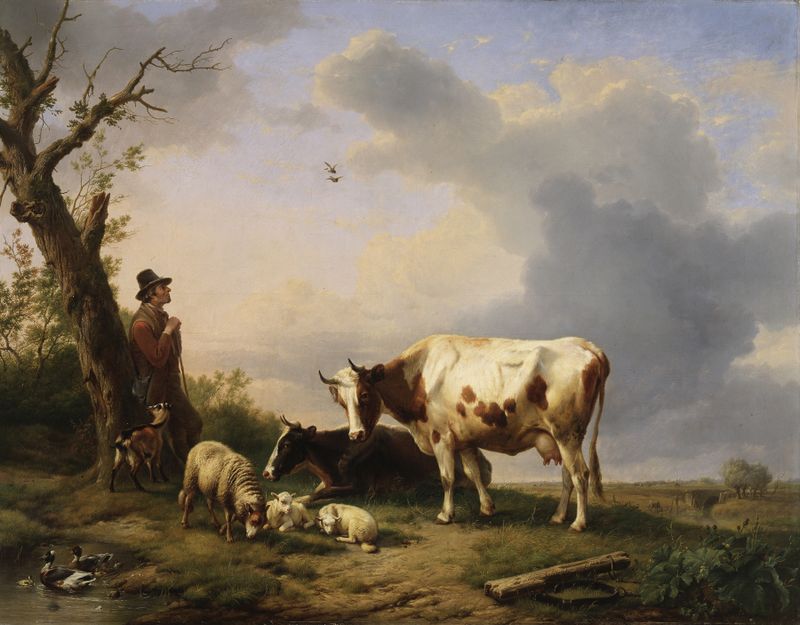
Landscape with animals
Eugène Joseph Verboeckhoven

Sheep and Chicken in a Landscape
Eugène Joseph Verboeckhoven
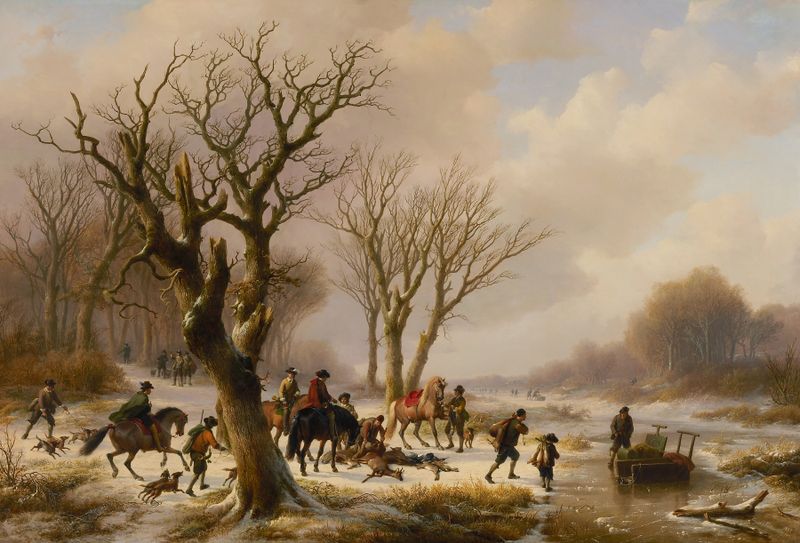
Na de jacht
Eugène Joseph Verboeckhoven
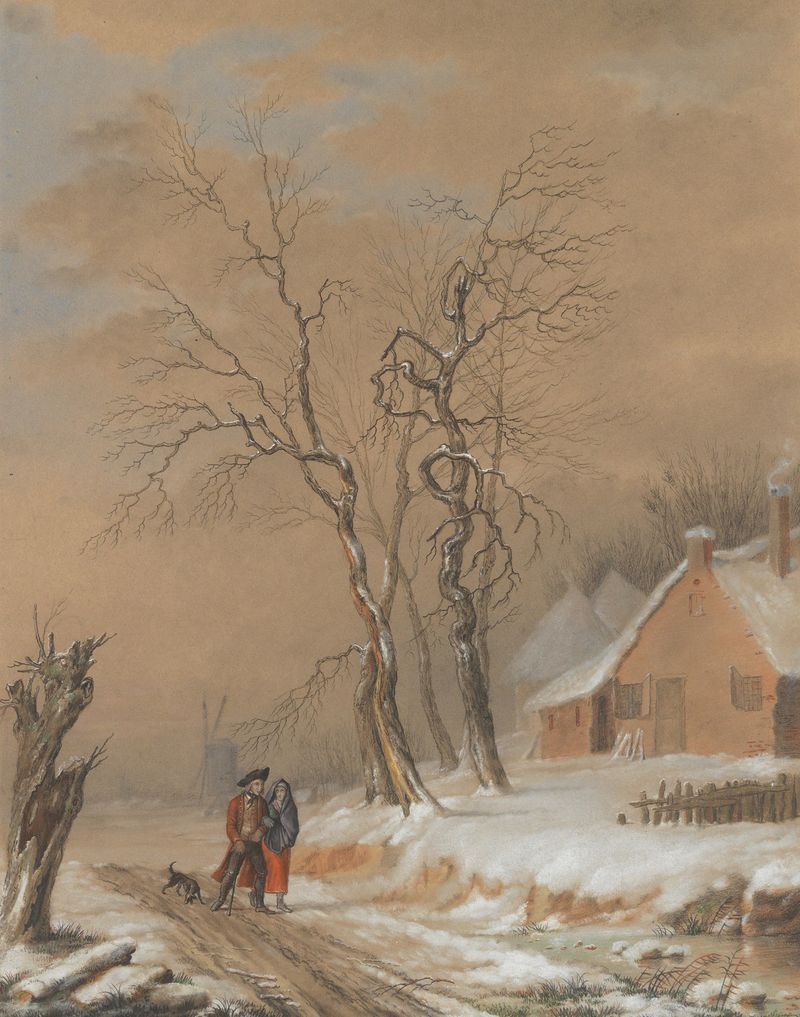
Winter landscape with two figures and a dog
Eugène Joseph Verboeckhoven

Horseman Resting
Eugène Joseph Verboeckhoven
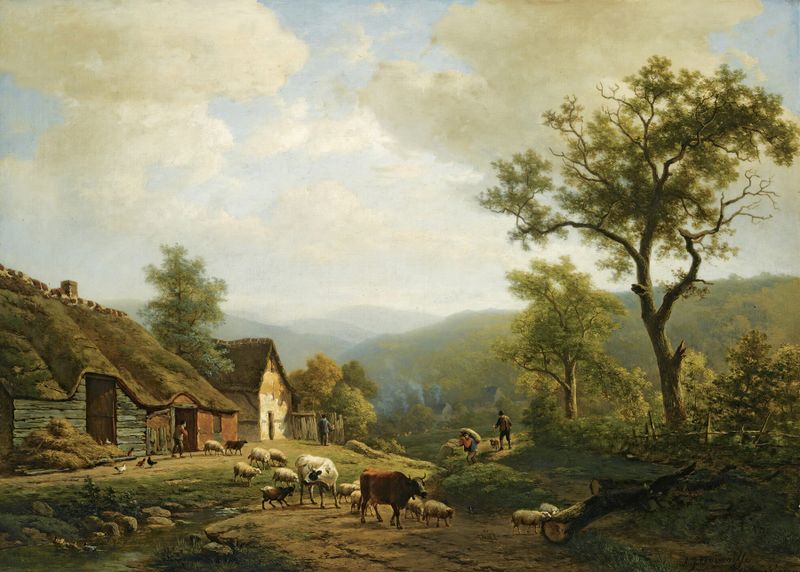
A Hilly Landscape With Cattle Going To The Fields
Eugène Joseph Verboeckhoven
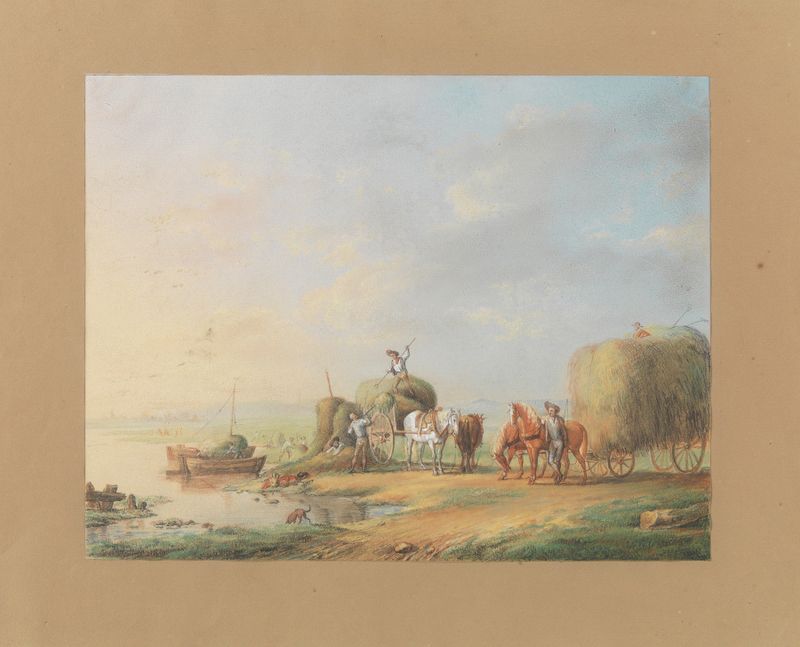
Boeren met paarden en hooiwagens aan de oever van een rivier
Eugène Joseph Verboeckhoven
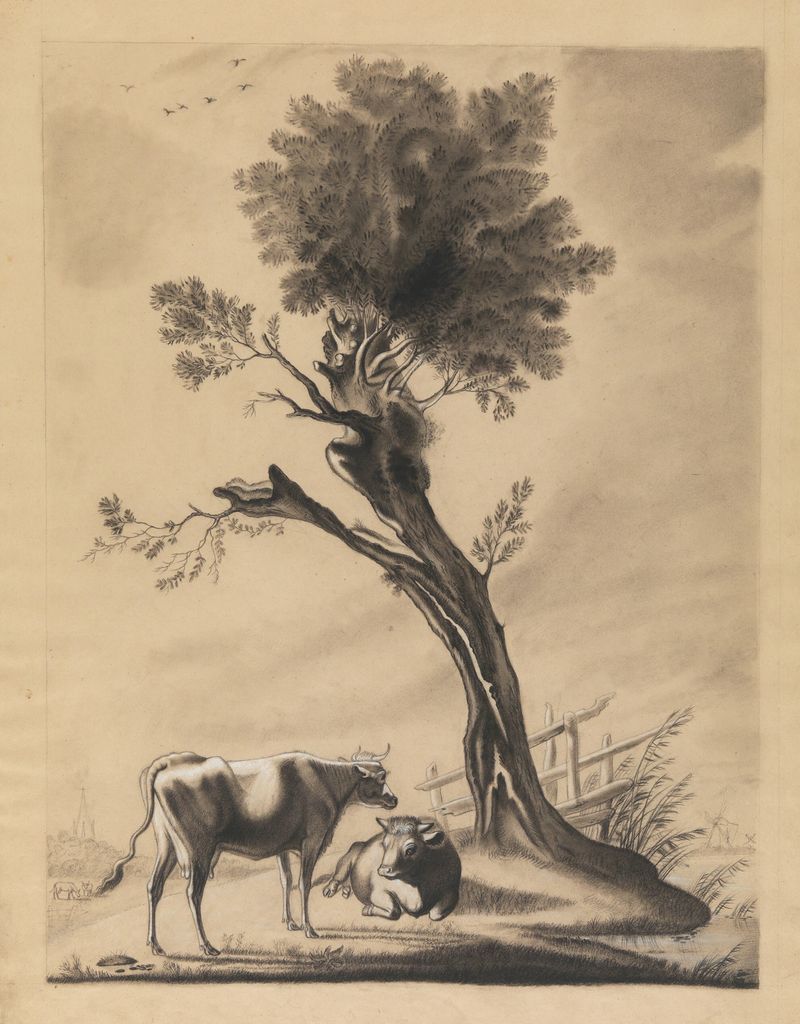
Cows in a landscape
Eugène Joseph Verboeckhoven
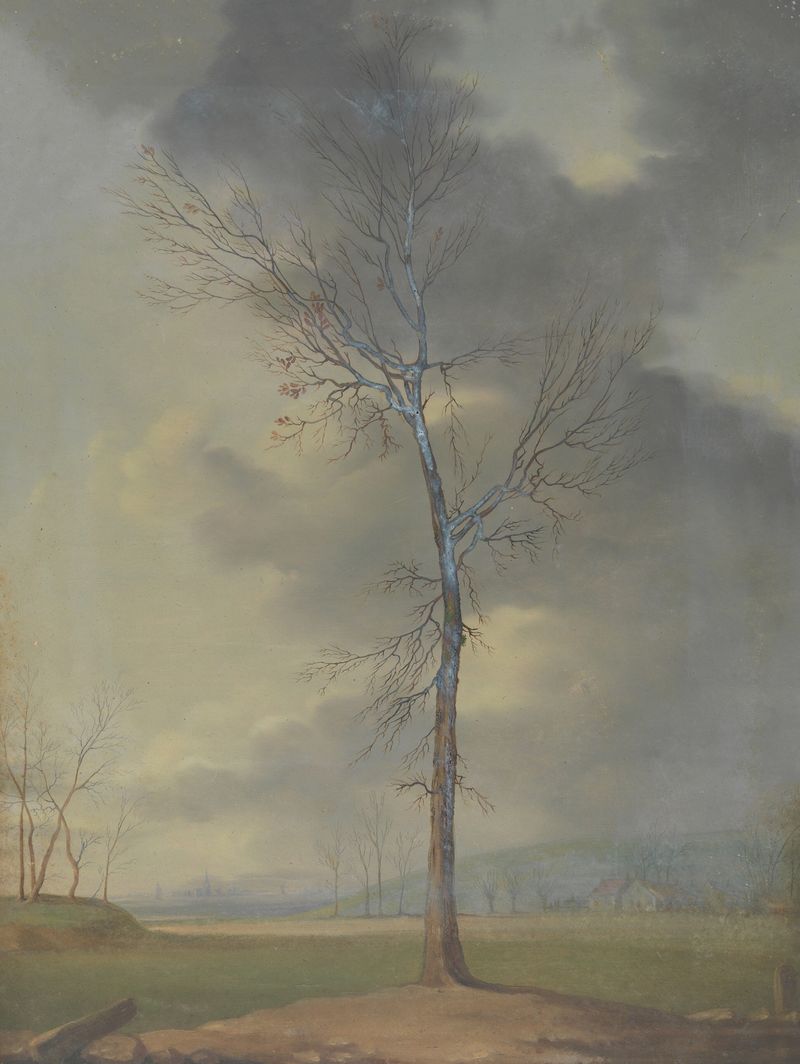
Landscape
Eugène Joseph Verboeckhoven





