
Landscape — History & Facts
Can paint confess what words never could? In the stillness of a vast landscape, silence speaks volumes, echoing the weight of emptiness that envelops the viewer. Look to the foreground, where a gentle, rolling terrain fades seamlessly into the horizon. The palette is a medley of muted greens and earthy browns, reflecting a world both serene and desolate. Notice how the light, soft yet penetrating, casts delicate shadows that stretch across the ground, creating a sense of depth and inviting exploration into the vastness beyond.
The sky, a swirling tapestry of grays and blues, hints at the moisture-laden air, while a solitary tree stands as the lone sentinel in this expansive scene. Within this tranquil vista lies a poignant contrast — the beauty of nature paired with an unsettling solitude. The absence of human figures evokes a feeling of isolation, allowing the viewer to ponder their own place within this vastness. The brushstrokes are deliberate yet soft, conjuring a sense of nostalgia that lingers like a distant memory.
This interplay of light and shadow invites introspection, encouraging a connection to the bittersweet nature of existence itself. In the 19th century, the artist worked during a time of significant change in Europe, as the Industrial Revolution began to redefine landscapes and lives. Verboeckhoven, known for his pastoral scenes, found inspiration in the rural beauty of his native Belgium. This particular piece reflects an era when nature was still revered, serving as a visual testament to the tension between encroaching modernity and the timeless allure of the natural world.
More Artworks by Eugène Joseph Verboeckhoven
Browse all →
The Guardian Of The Flock
Eugène Joseph Verboeckhoven
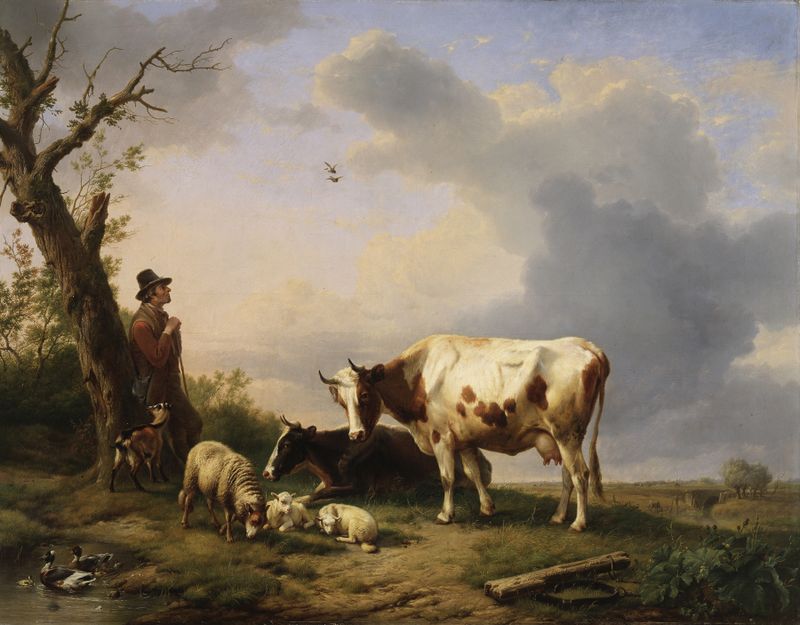
Landscape with animals
Eugène Joseph Verboeckhoven
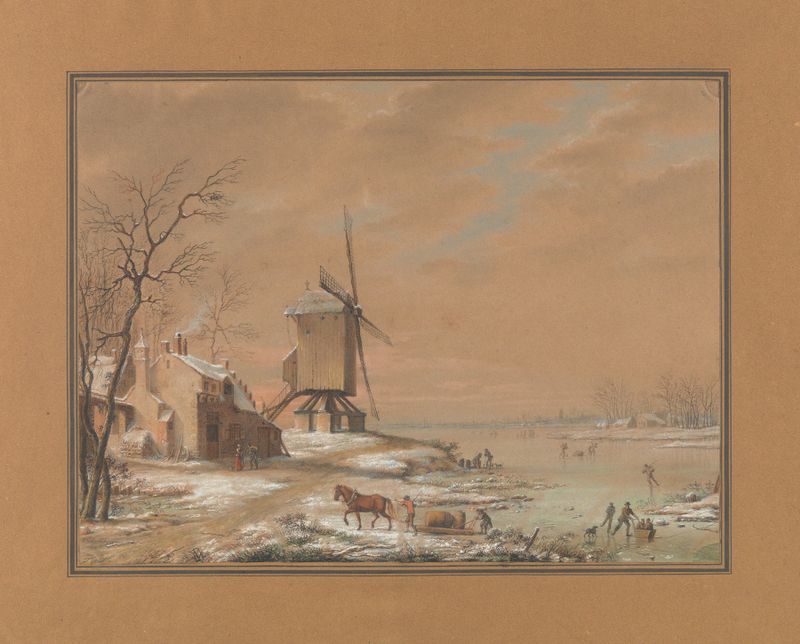
Winterlandschap
Eugène Joseph Verboeckhoven

Sheep and Chicken in a Landscape
Eugène Joseph Verboeckhoven
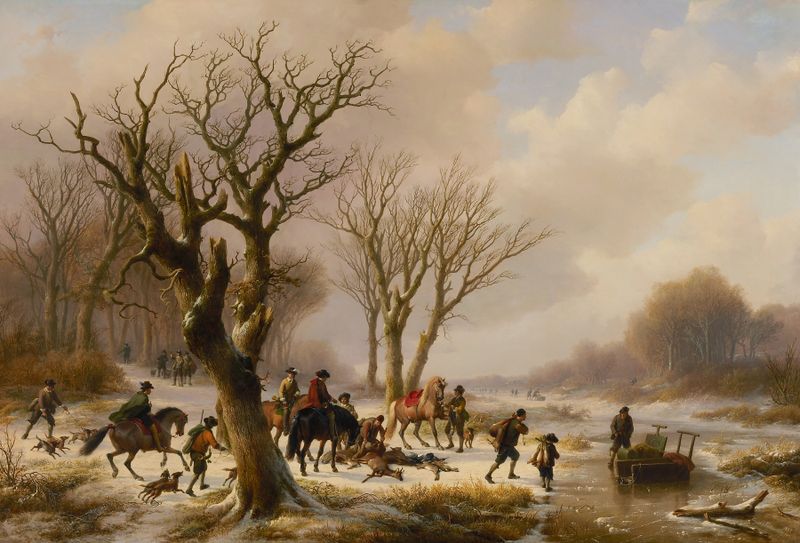
Na de jacht
Eugène Joseph Verboeckhoven
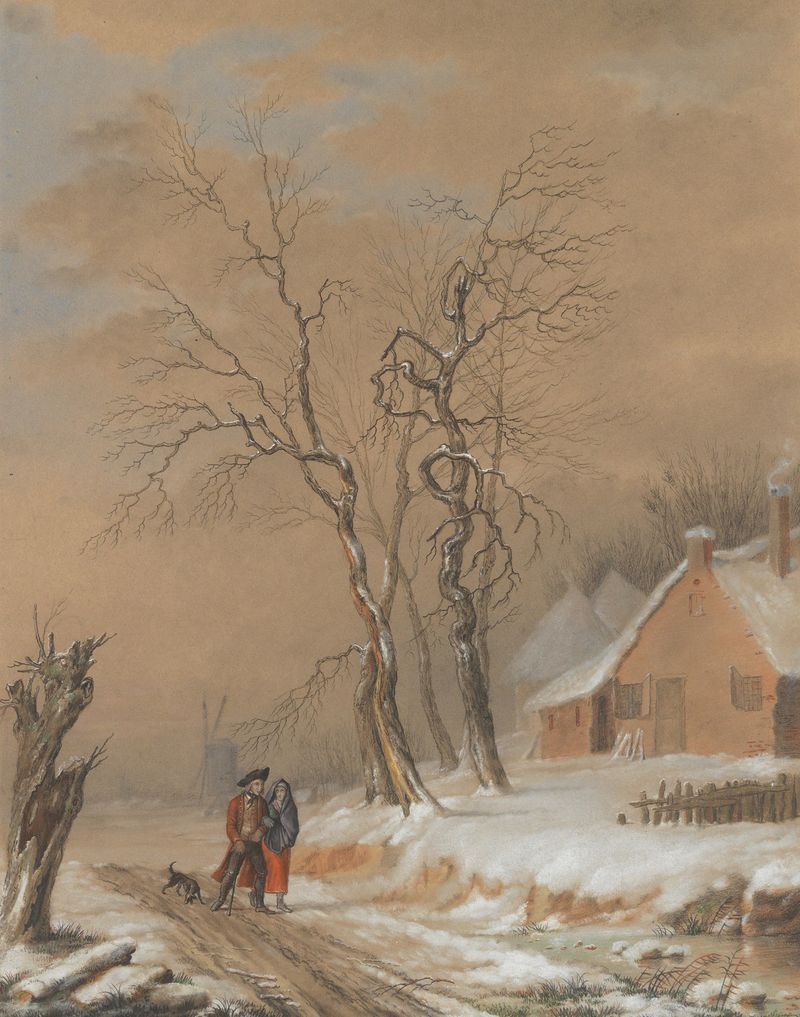
Winter landscape with two figures and a dog
Eugène Joseph Verboeckhoven

Horseman Resting
Eugène Joseph Verboeckhoven
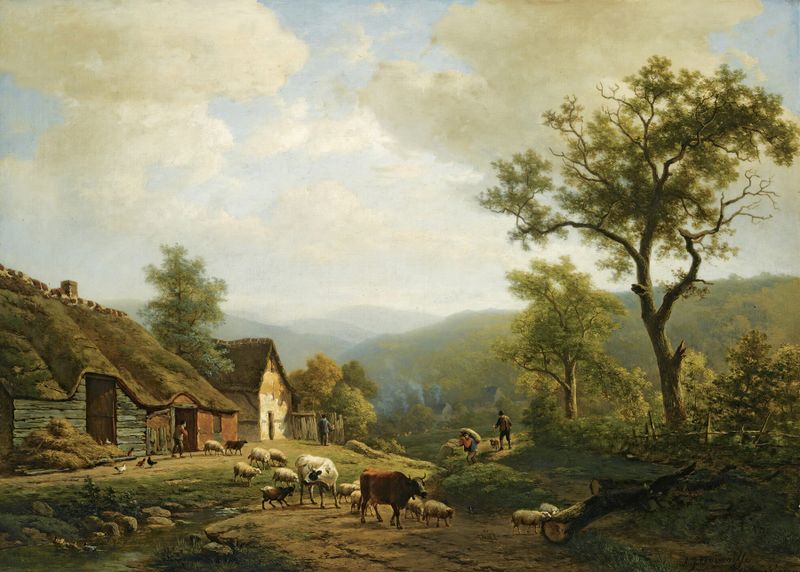
A Hilly Landscape With Cattle Going To The Fields
Eugène Joseph Verboeckhoven
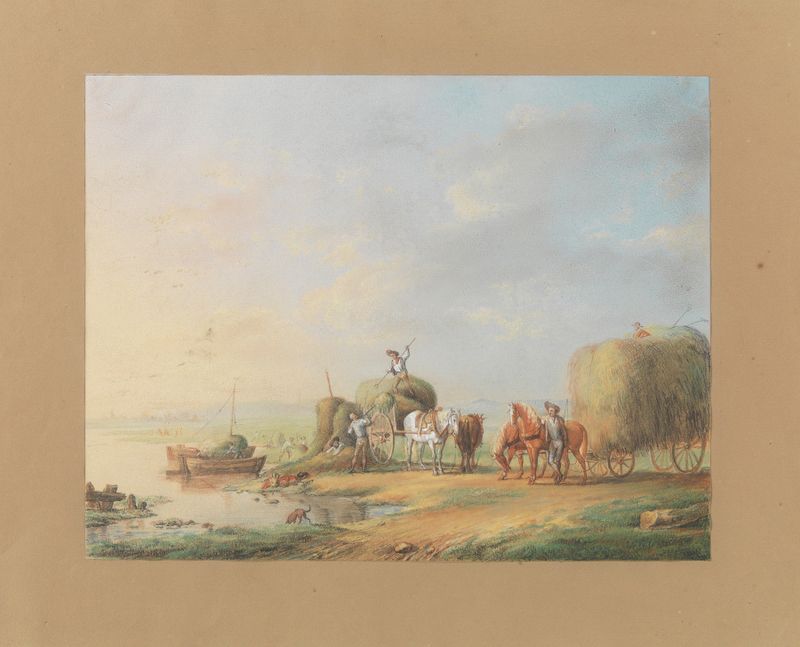
Boeren met paarden en hooiwagens aan de oever van een rivier
Eugène Joseph Verboeckhoven
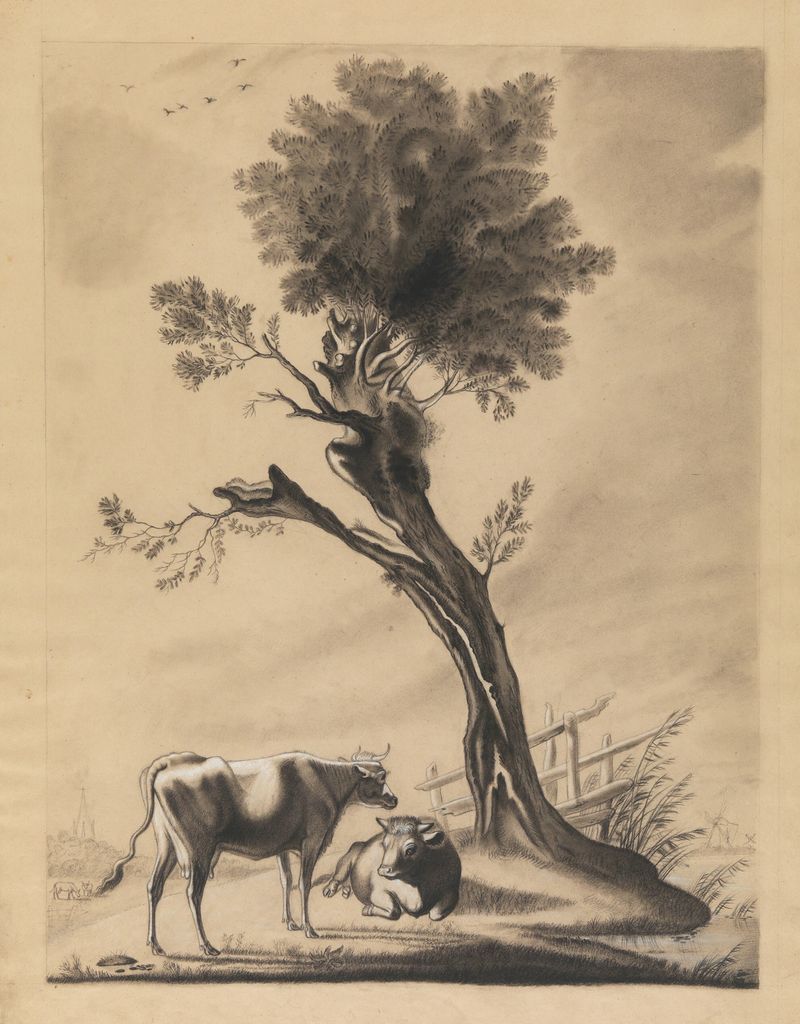
Cows in a landscape
Eugène Joseph Verboeckhoven





