
Landscape — History & Facts
Time lingers in the stillness of this landscape, whispering the stories of the earth beneath a gentle embrace of fading light. Focus on the horizon where the sky meets the land, a tapestry of soft, muted hues blending seamlessly together. The brushwork is delicate, each stroke a testament to nature's subtle beauty, guiding the eye to explore the rolling hills and the tranquil skies. Notice how the light filters through the atmosphere, creating a dreamlike quality that suggests both dawn and dusk, an invitation to pause and reflect. In this scene, contrasts abound: the buoyancy of the soft clouds above juxtaposed with the solid earth below evokes a sense of serenity yet hints at an underlying tension.
The stillness of the landscape, while seemingly peaceful, speaks to the passage of time—an eternal cycle of change and continuity. Small details, like the grazing sheep or the distant trees, echo the rhythms of life, reminding us that every moment is both fleeting and eternal. During the 19th century, the artist captured Landscape amidst a transformative period in art, where romanticism met realism. Working in Belgium, he was influenced by the burgeoning appreciation for natural beauty in the wake of industrialization.
This work reflects his dedication to portraying the sublime aspects of the world, revealing both his personal vision and the cultural shifts of his time.
More Artworks by Eugène Joseph Verboeckhoven
Browse all →
The Guardian Of The Flock
Eugène Joseph Verboeckhoven
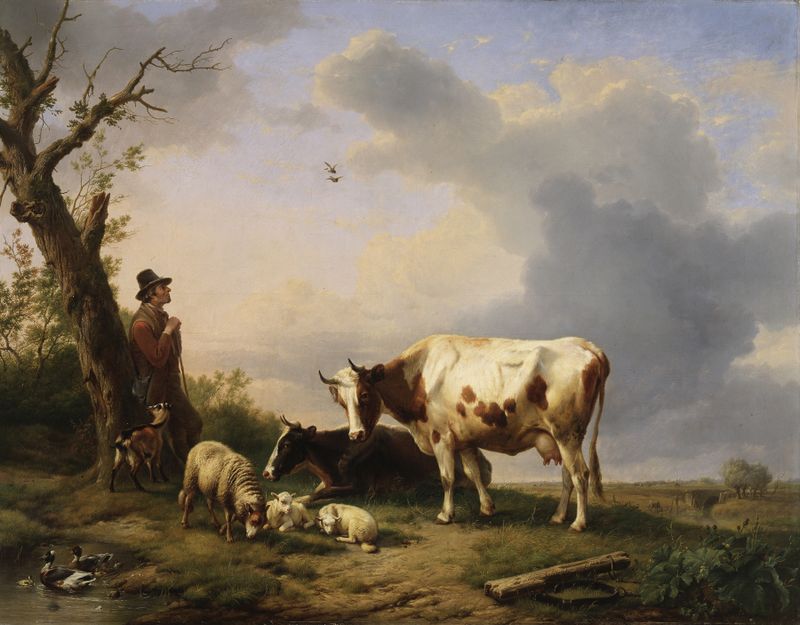
Landscape with animals
Eugène Joseph Verboeckhoven
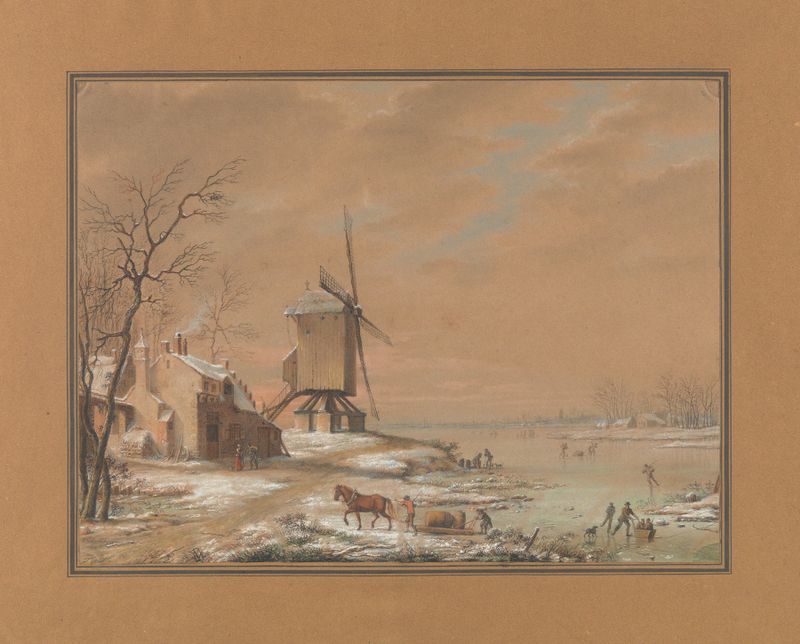
Winterlandschap
Eugène Joseph Verboeckhoven

Sheep and Chicken in a Landscape
Eugène Joseph Verboeckhoven
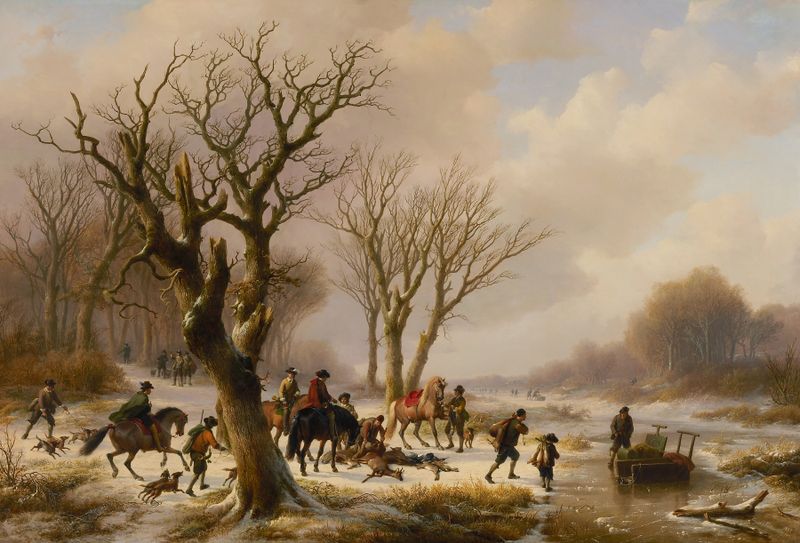
Na de jacht
Eugène Joseph Verboeckhoven
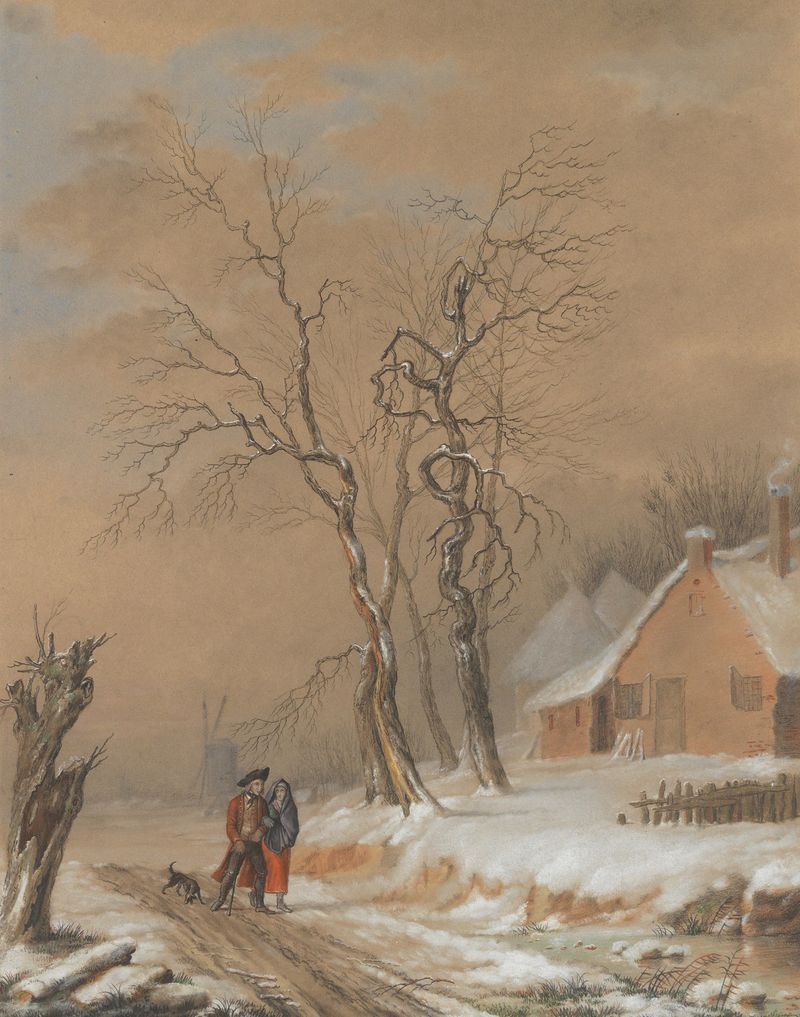
Winter landscape with two figures and a dog
Eugène Joseph Verboeckhoven

Horseman Resting
Eugène Joseph Verboeckhoven
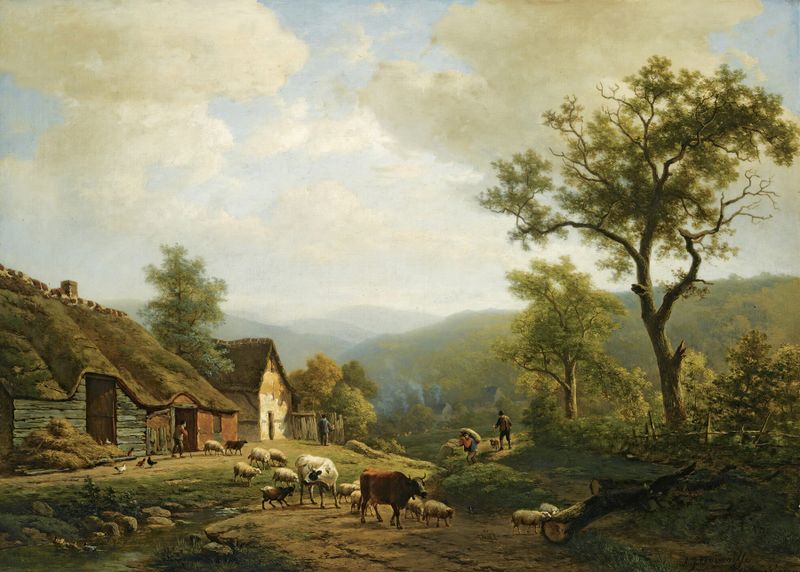
A Hilly Landscape With Cattle Going To The Fields
Eugène Joseph Verboeckhoven
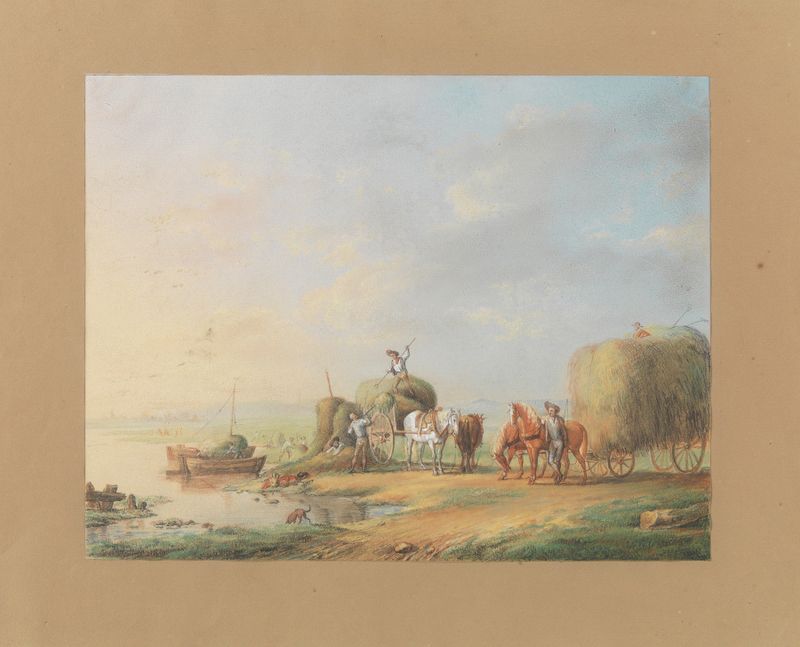
Boeren met paarden en hooiwagens aan de oever van een rivier
Eugène Joseph Verboeckhoven
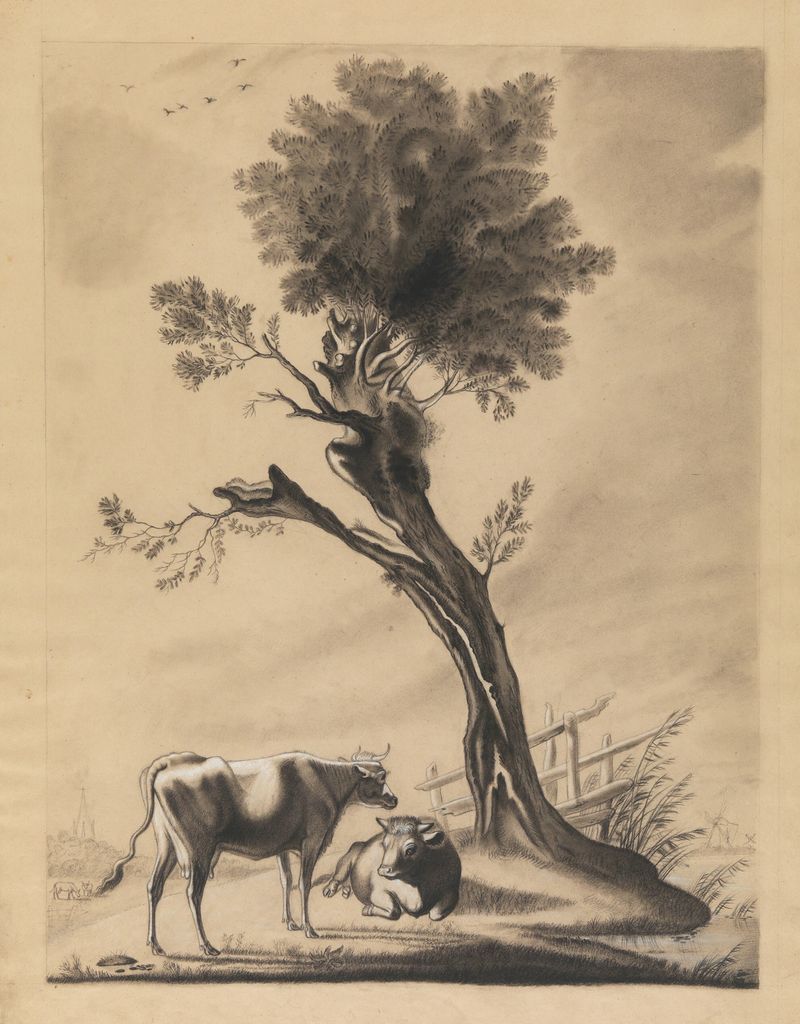
Cows in a landscape
Eugène Joseph Verboeckhoven





