
Landscape — History & Facts
Where does light end, and longing begin? In the delicate interplay of color and form, we find a poignant awakening that lingers just beyond our reach. Look to the horizon, where the sky, a soft palette of blues and gentle pinks, meets the undulating fields below. Notice how the sunlight bathes the landscape, casting dappled shadows that dance across the terrain. The brushstrokes, both fluid and deliberate, create a sense of movement, as if the wind is whispering through the grasses.
The gentle slopes draw the eye inward, inviting you to wander deeper into the tranquil expanse. As you explore further, subtle contrasts arise — the vibrant greens of the fields against the somber tones of the distant mountains, embodying the tension between serenity and melancholy. The absence of human figures emphasizes solitude, allowing the viewer to reflect on their own connection to nature. This landscape is not merely a visual feast; it serves as a canvas for introspection, evoking feelings of calm and yearning. In the 19th century, Verboeckhoven found his voice amidst the burgeoning Romantic movement, which emphasized emotion and the sublime beauty of nature.
Living in Belgium, during a time of political upheaval and rapid industrialization, he sought solace in the pastoral, using his art to capture the essence of the natural world. This work reflects not only his personal journey as an artist but also a collective yearning for connection to the land in an era of profound change.
More Artworks by Eugène Joseph Verboeckhoven
Browse all →
The Guardian Of The Flock
Eugène Joseph Verboeckhoven
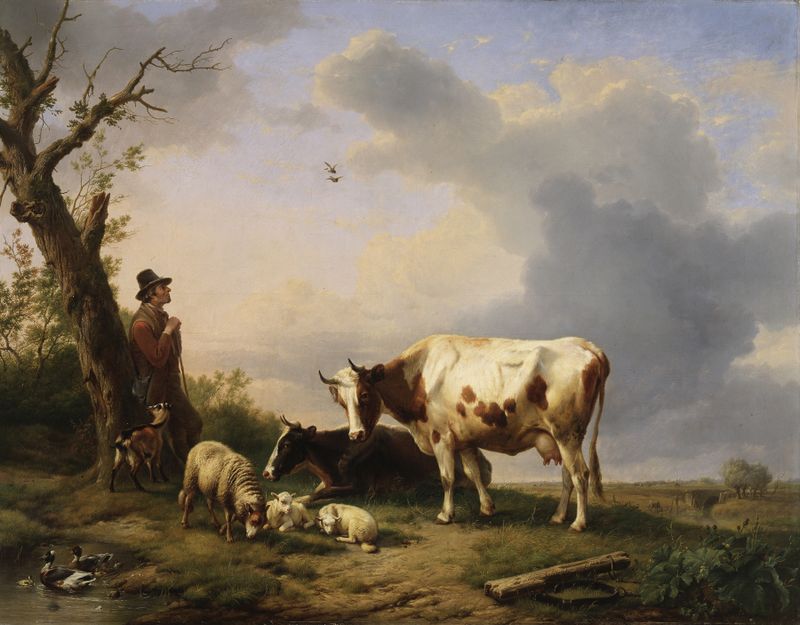
Landscape with animals
Eugène Joseph Verboeckhoven
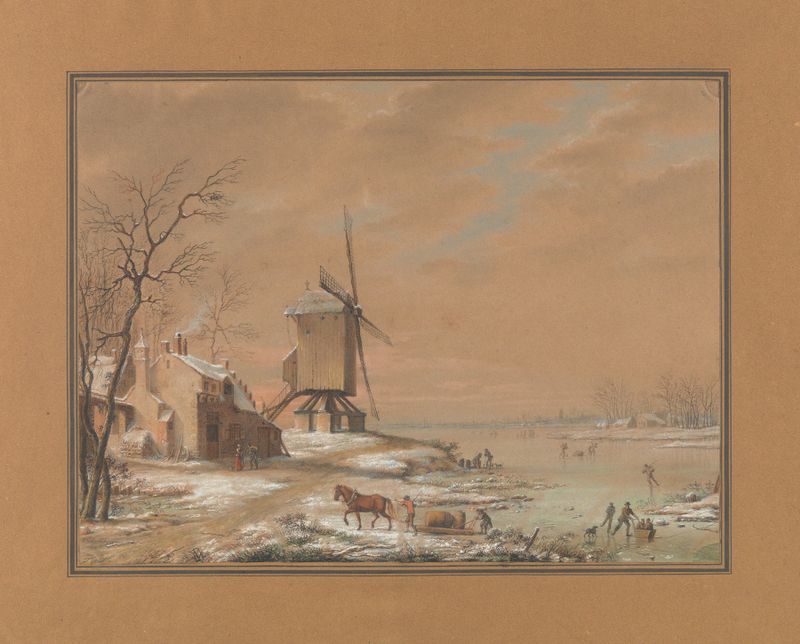
Winterlandschap
Eugène Joseph Verboeckhoven

Sheep and Chicken in a Landscape
Eugène Joseph Verboeckhoven
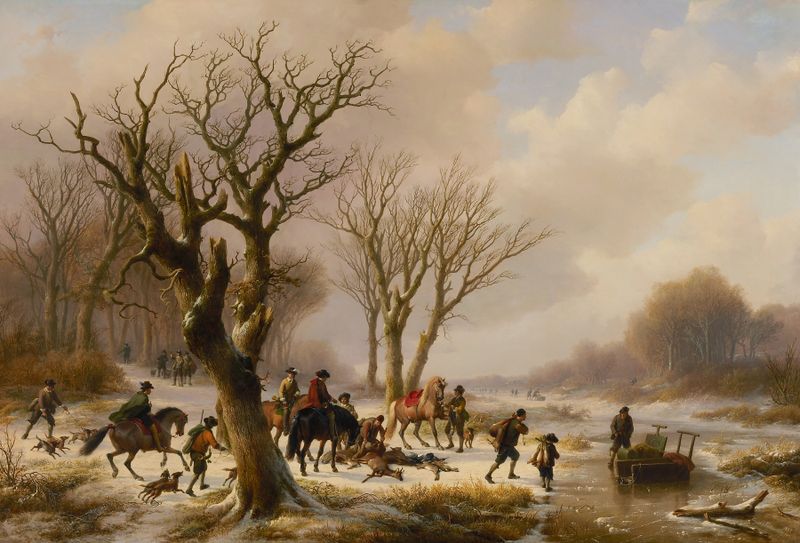
Na de jacht
Eugène Joseph Verboeckhoven
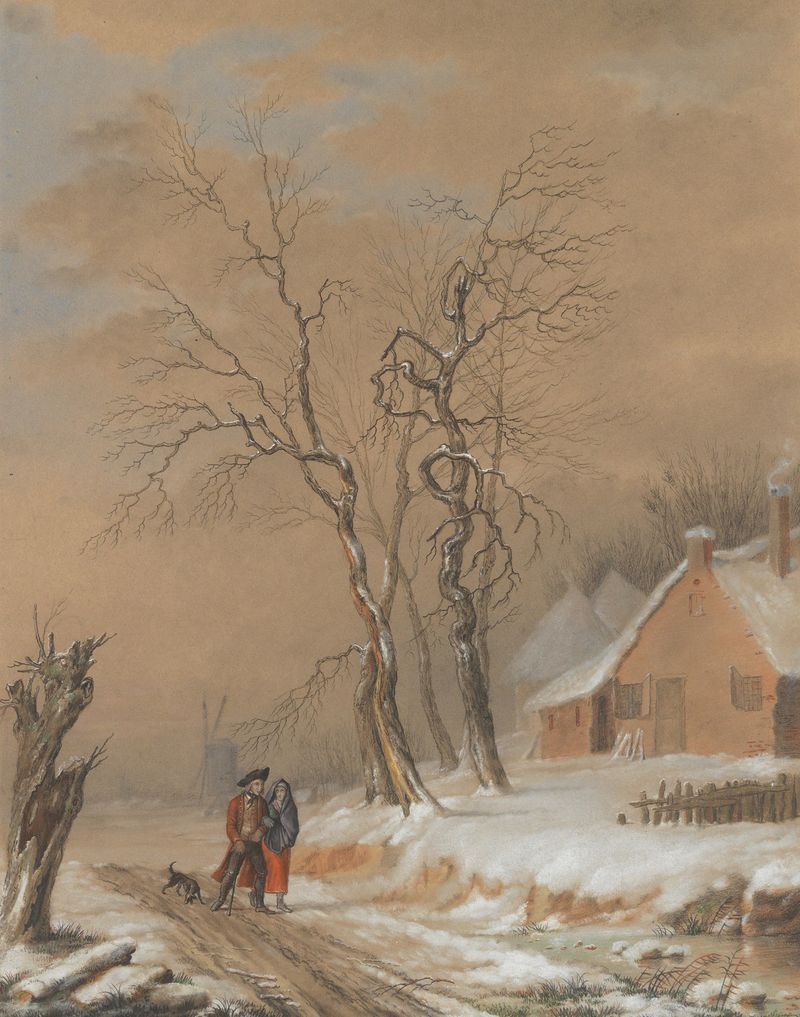
Winter landscape with two figures and a dog
Eugène Joseph Verboeckhoven

Horseman Resting
Eugène Joseph Verboeckhoven
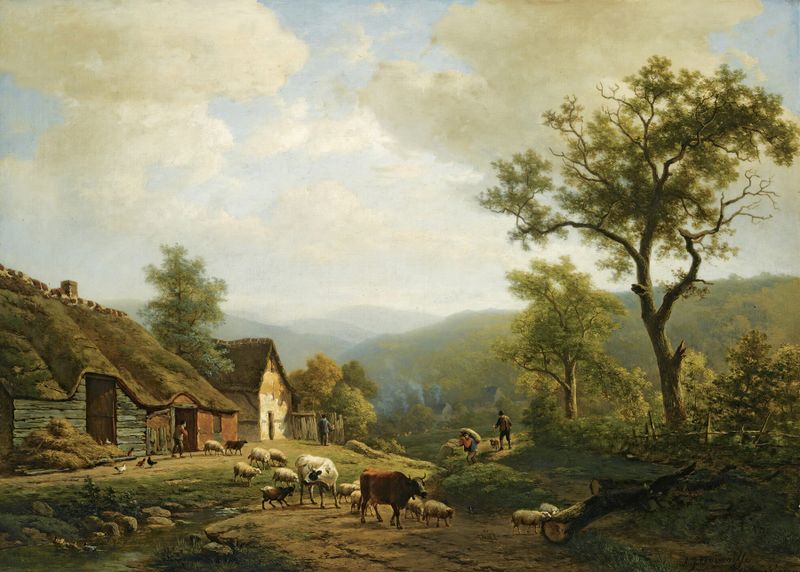
A Hilly Landscape With Cattle Going To The Fields
Eugène Joseph Verboeckhoven
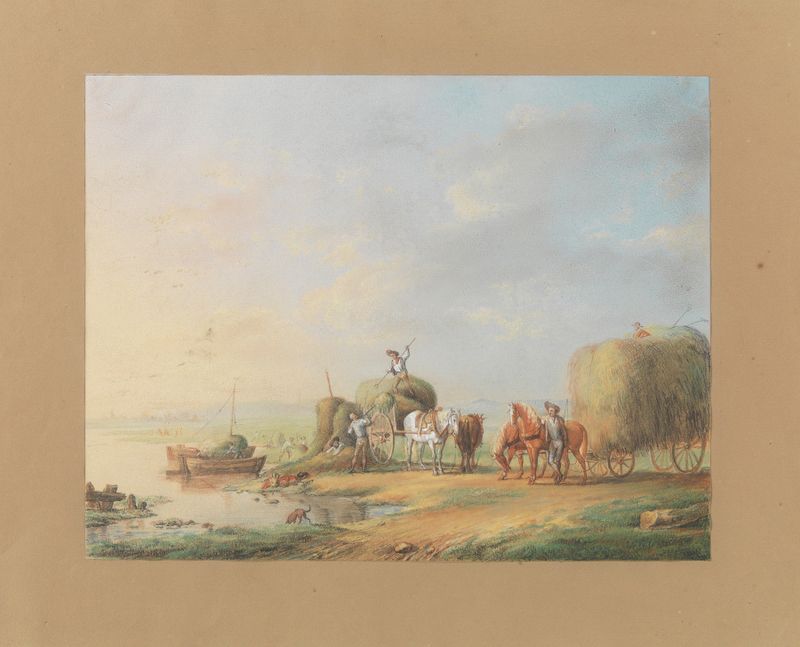
Boeren met paarden en hooiwagens aan de oever van een rivier
Eugène Joseph Verboeckhoven
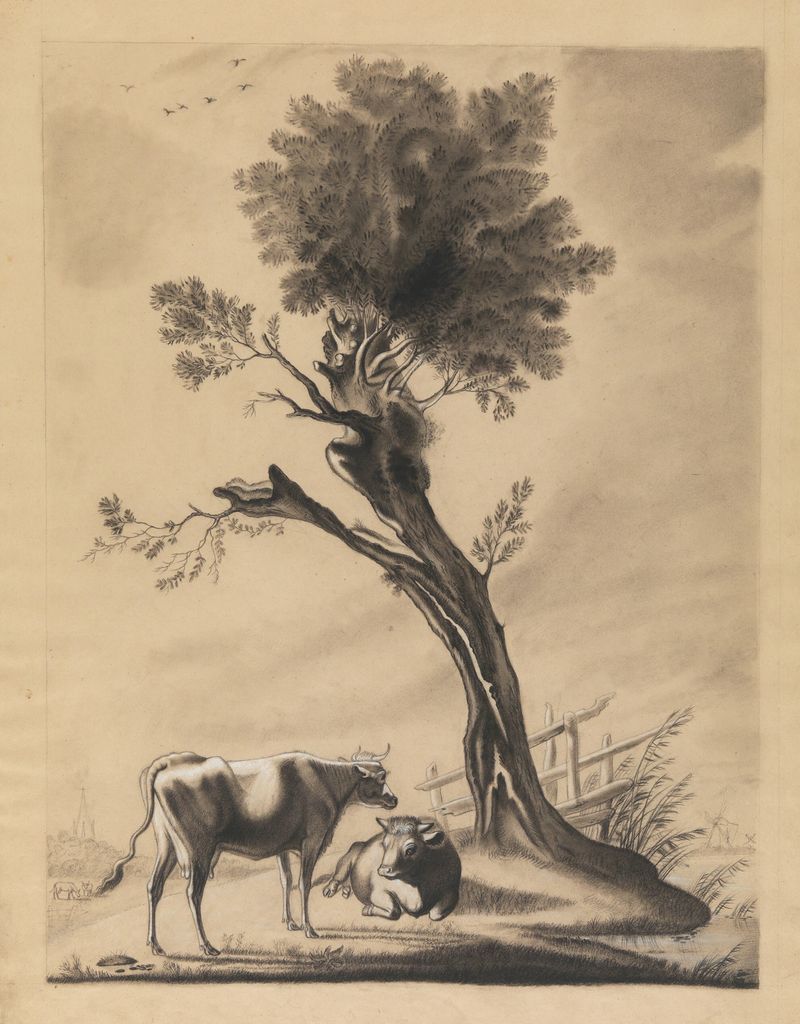
Cows in a landscape
Eugène Joseph Verboeckhoven





