
Landscape — History & Facts
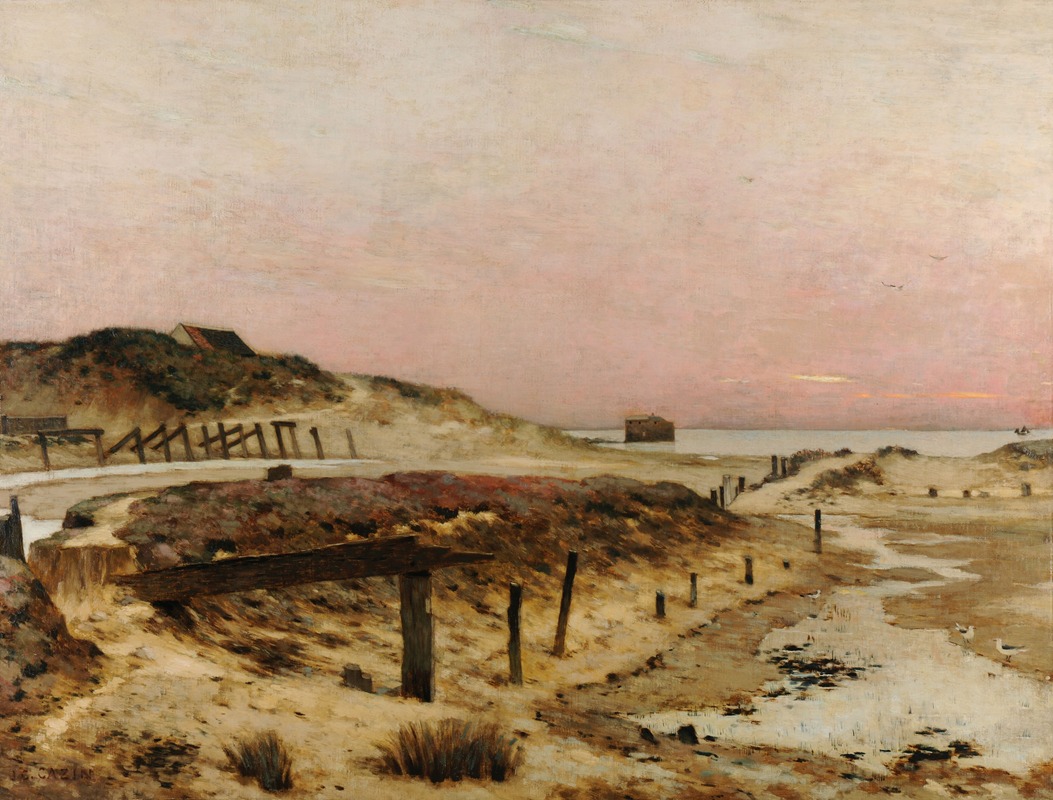
What if silence could speak through light? In Landscape, the hushed expanse of nature seems to whisper secrets, evoking a profound sense of ecstasy beneath its tranquil surface. Look to the horizon, where gentle hills meet the infinite sky, bathed in a soft, golden light. The artist’s brushstrokes dance across the canvas, creating a textured, luminous atmosphere that draws the eye upward. Notice how the clouds, brushed with pastel hues, cradle the sun’s embrace, while the verdant fields below pulse with a vibrant, yet serene green.
It’s a landscape that feels alive, inviting you to step into its embrace. Within this serene scene, contrasts reveal deeper emotional layers. The calmness of the foreground—where soft grasses sway—contrasts sharply with the ethereal glow of the sky, hinting at a turbulent inner world. Shadows quietly retreat, offering a moment of respite from life's demands, while the light suggests the possibilities of joy and solitude.
Cazin captures a fleeting moment where nature breathes, leading one to reflect on their relationship with the world around them. Painted in France after 1875, during a period of personal introspection for the artist, Landscape reflects both the tranquil beauty of rural life and the evolving artistic movements of the time. The late 19th century was marked by a shift toward capturing emotional resonance in scenes of simplicity, and Cazin, influenced by the Impressionists, embraced this approach to articulate his own vision of ecstasy within nature.
More Artworks by Jean Charles Cazin
Browse all →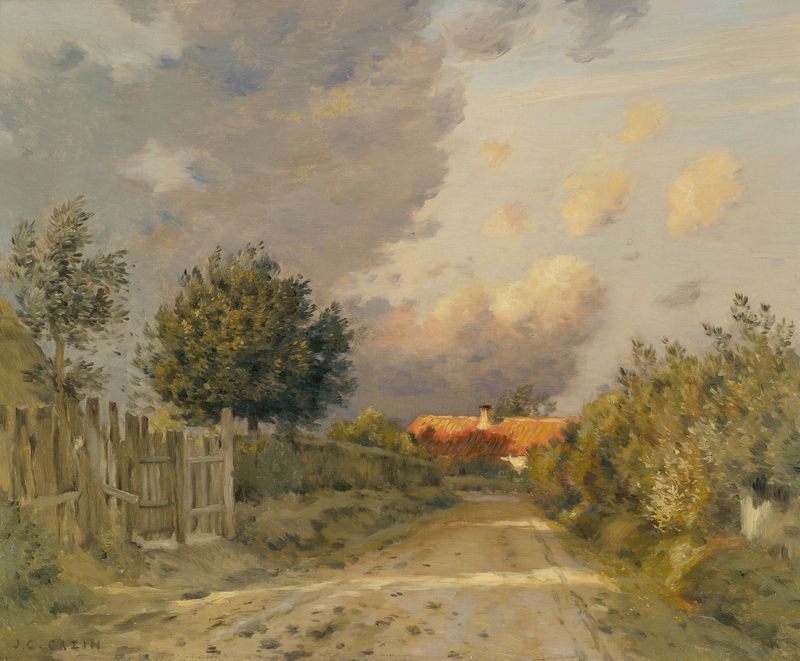
Early Evening In The French Countryside
Jean Charles Cazin
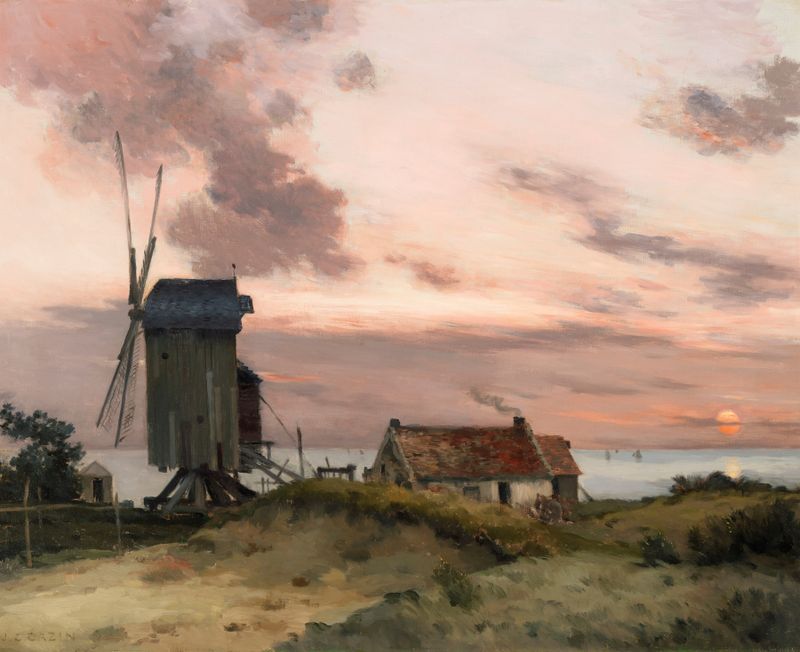
Windmill on a Beach
Jean Charles Cazin
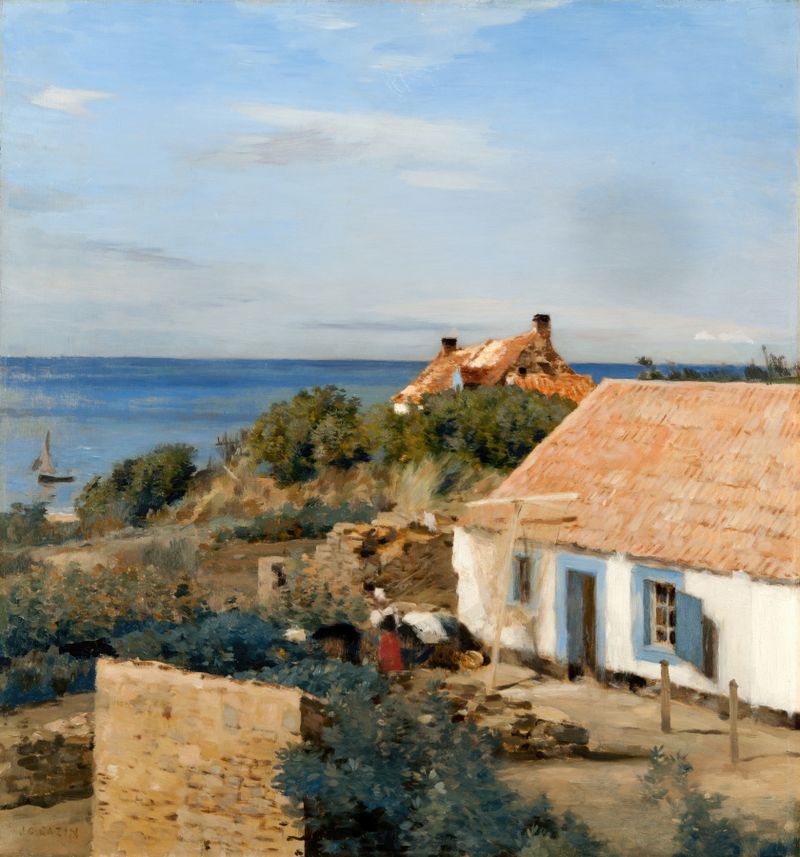
French Landscape
Jean Charles Cazin
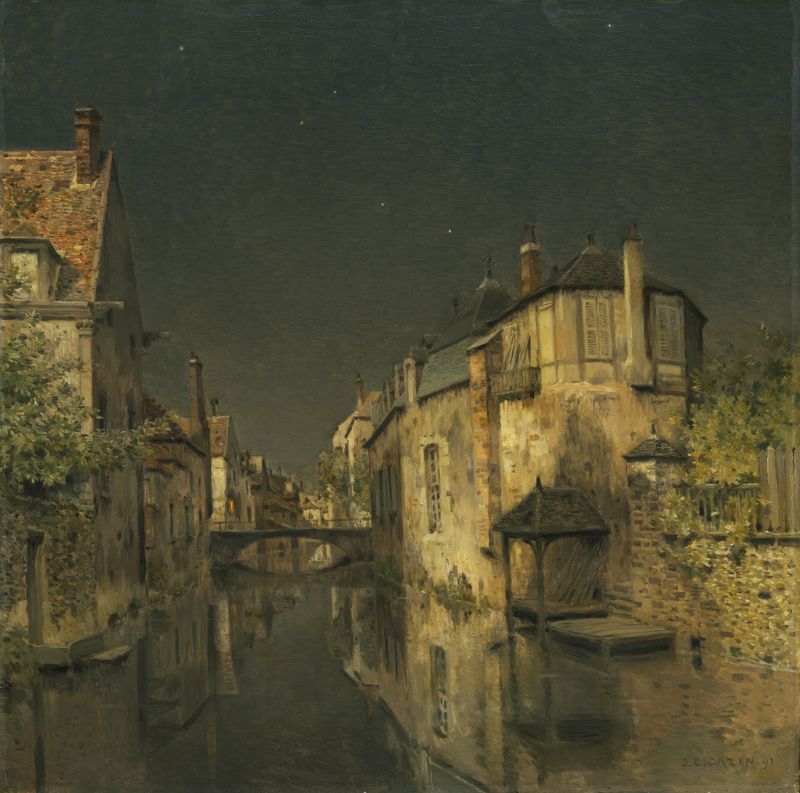
Midnight
Jean Charles Cazin

Tobias and the Angel
Jean Charles Cazin

October Day
Jean Charles Cazin

Paysage au clair de lune
Jean Charles Cazin
Rest on the Flight into Egypt
Jean Charles Cazin
Cottage in the Dunes
Jean Charles Cazin

The Boatyard
Jean Charles Cazin





