
Landscape — History & Facts
In a world continuously shifting, how do we capture the echoes of decay lingering in nature? Look closely at the foreground of Landscape, where skeletal trees rise against a muted sky. The browns and greys dominate, evoking a somber mood, while the brushwork reveals a haunting texture, as if the land itself is weathered by memory. Notice how the horizon line melts into a soft, hazy distance, blending earth and sky, creating an ethereal quality that suggests both beauty and impermanence. Beneath the surface, this piece conveys a powerful tension between life and decline.
The sparse vegetation hints at resilience amidst decay, portraying nature's ability to endure despite its fading vibrancy. The interplay of light and shadow enhances this theme, with bright patches hinting at fleeting moments of hope, contrasting against the darker elements of the landscape that signal loss. Each detail serves as a reminder of the inevitable passage of time, urging the viewer to reflect on what is left behind. Ferdinand Katona painted Landscape in 1918, a year marked by the aftermath of World War I and societal shifts across Europe.
At this time, artists were grappling with themes of destruction and renewal, and Katona found himself amidst a tumultuous environment that influenced his work. His exploration of decay not only reflects personal introspection but also resonates with the collective yearning for healing in a world irrevocably changed by conflict.
More Artworks by Ferdinand Katona
Browse all →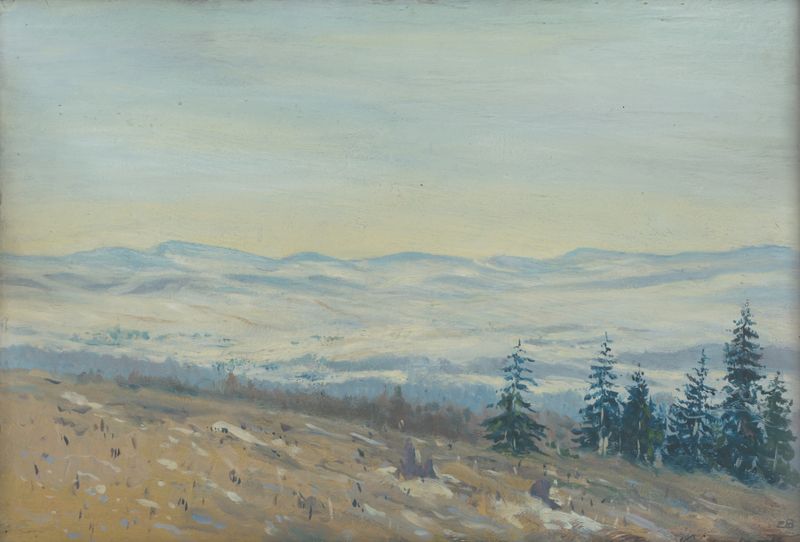
High Tatras
Ferdinand Katona
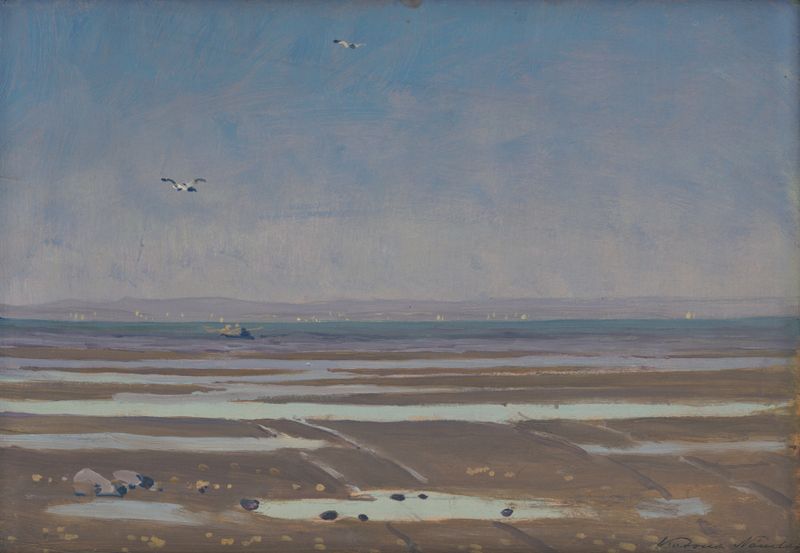
Early spring
Ferdinand Katona
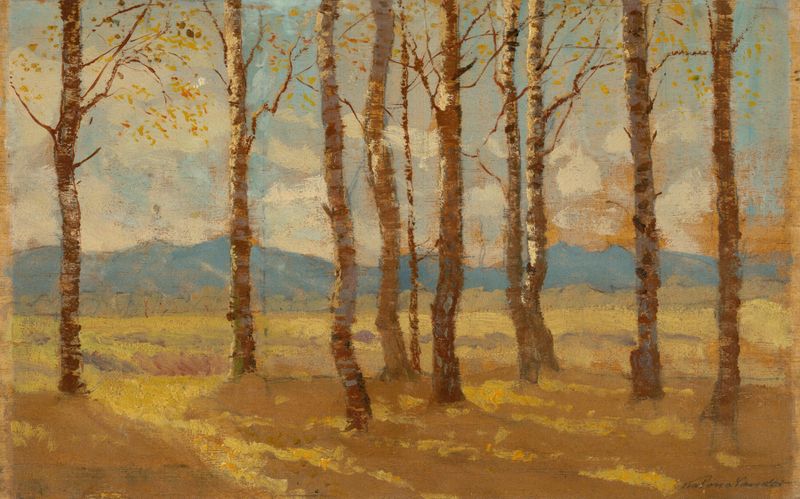
Birches in Autumn
Ferdinand Katona
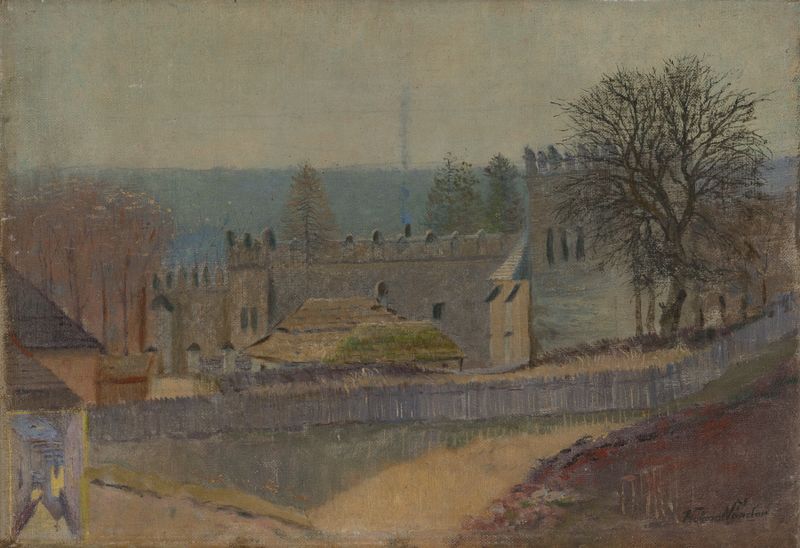
View of Strážky
Ferdinand Katona
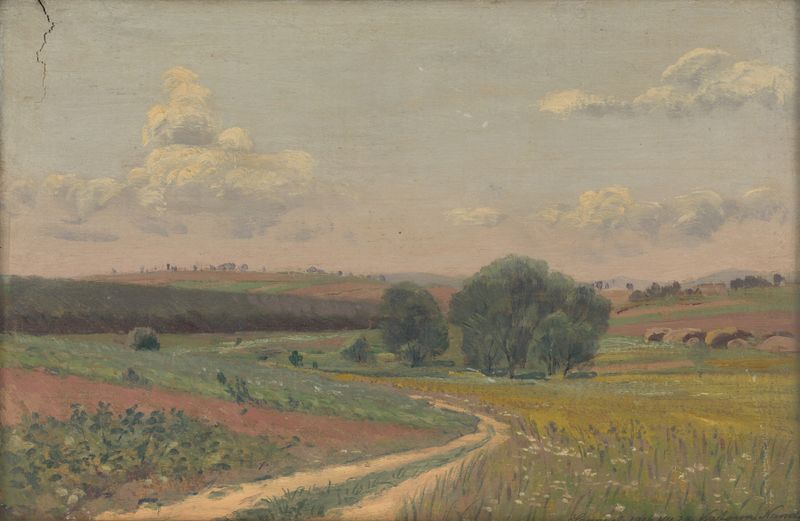
Landscape with a dirt road
Ferdinand Katona
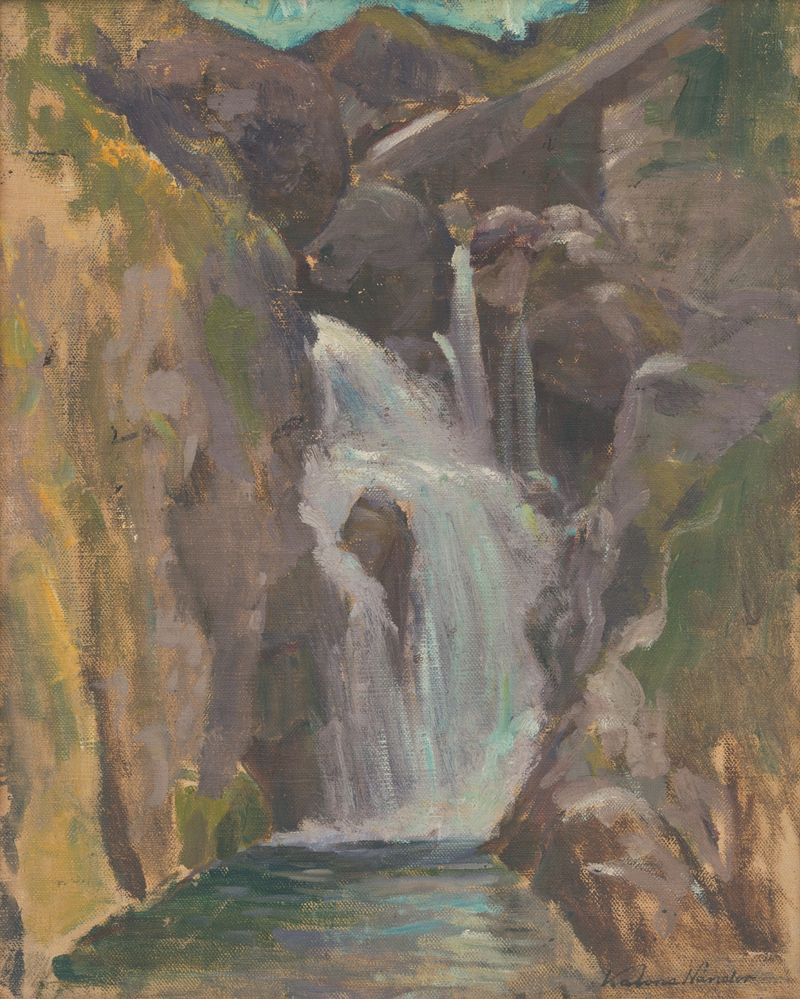
Waterfall
Ferdinand Katona
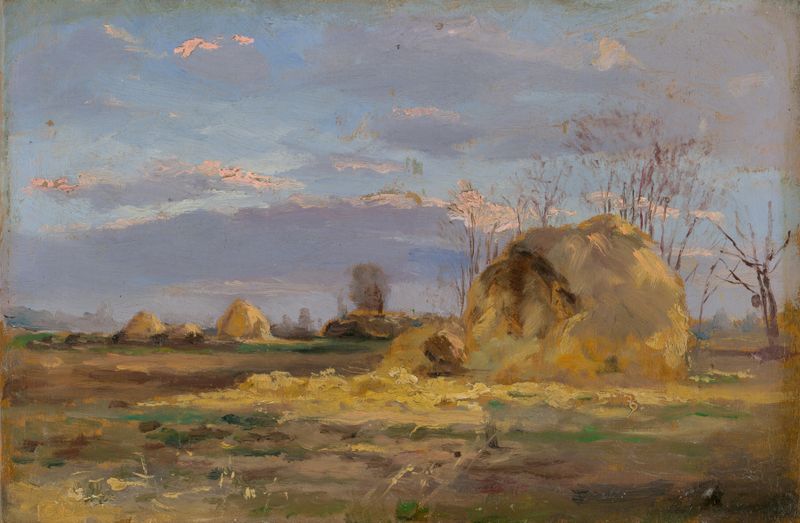
Autumn Landscape with Trees
Ferdinand Katona
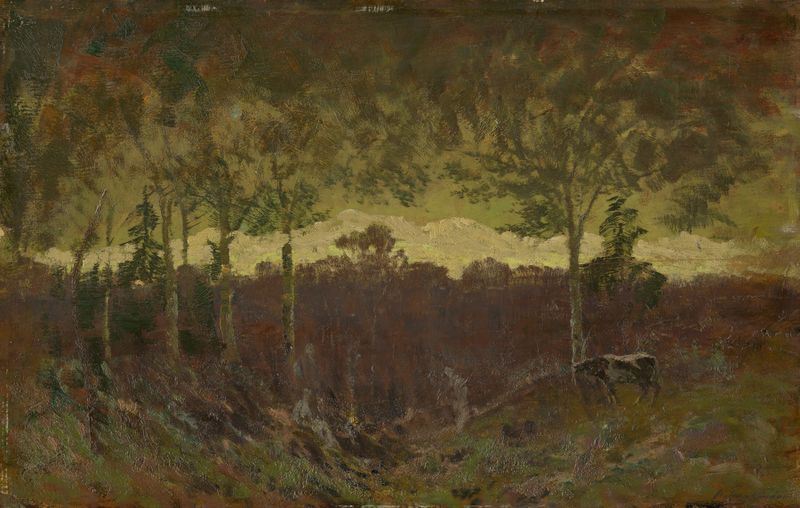
Early Evening Tatras Landscape
Ferdinand Katona
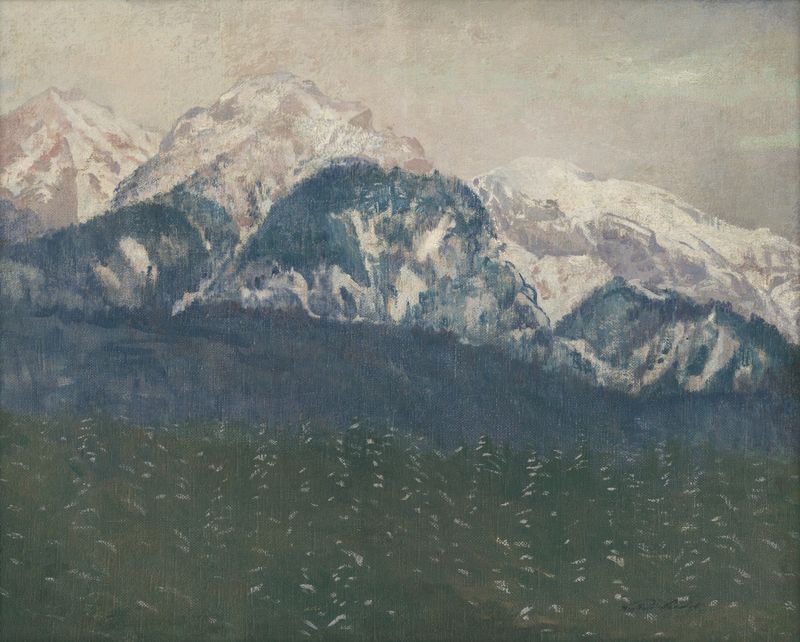
View of the High Tatras
Ferdinand Katona
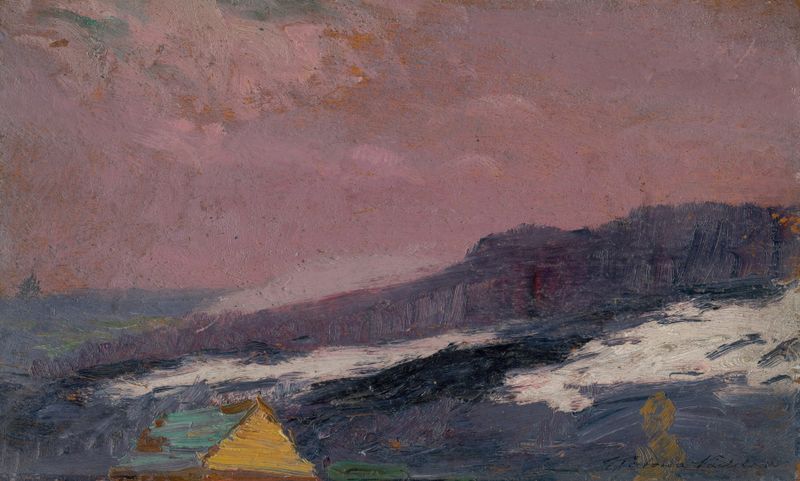
Early Spring
Ferdinand Katona





