
Landscape — History & Facts
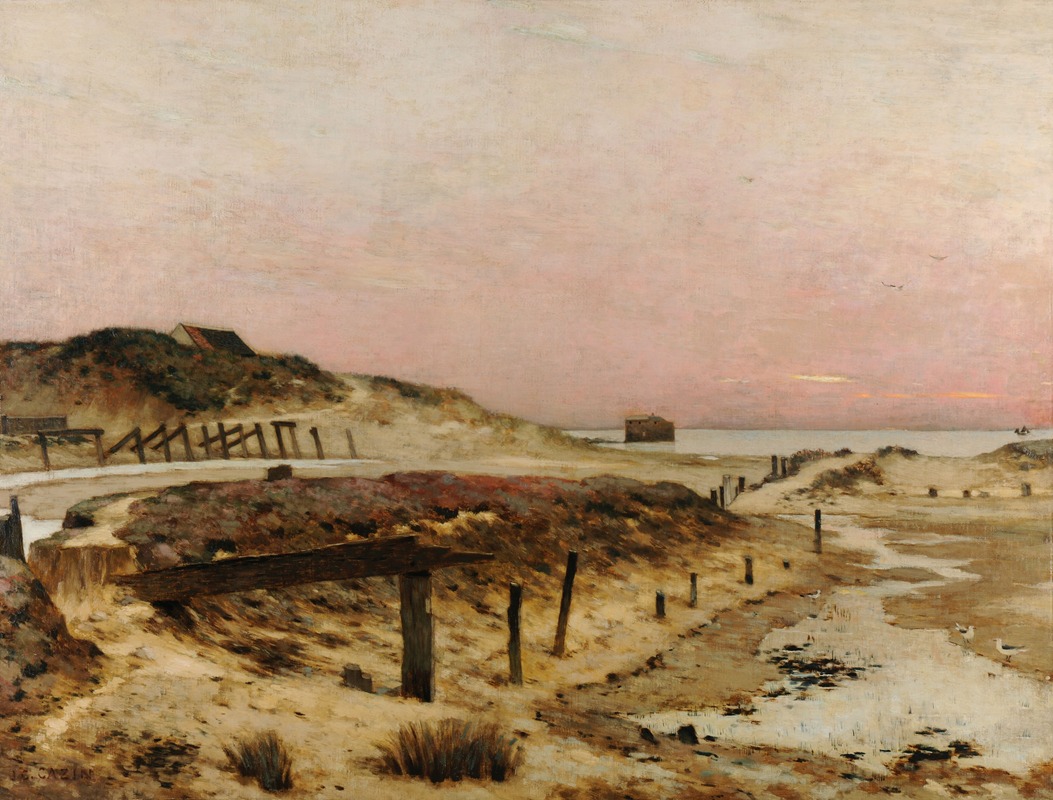
In the stillness of nature, emptiness speaks volumes, whispering secrets through the windswept grass and the shadowed hills that dominate the horizon. Look to the center of the canvas where the rolling landscape gently undulates, a soft interplay of greens and browns that invites you to wander. Notice how the brushwork creates a textured surface, blurring the boundary between reality and memory. To the left, the sky transitions from a muted gray to hints of amber, suggesting an impending twilight—a moment suspended in time.
The subtle light falling on the fields evokes both warmth and solitude, drawing you into the quiet embrace of a world that feels simultaneously vast and intimate. Beneath the apparent simplicity lies a profound exploration of isolation and yearning. The empty spaces between the hills and the absence of human presence emphasize a deep connection to nature. The light and shadow interplay not only illuminates the landscape but also reflects the emotional tension of solitude, as if inviting the viewer to contemplate their place within this serene yet desolate scene.
Each brushstroke narrates a story of longing, evoking an aching sense of what is absent, yet palpably felt. In the mid-1890s, Cazin created this work during a period marked by a shift towards naturalism in French art. Painting from his studio in Paris, he was deeply influenced by Impressionism but sought to explore themes of quiet introspection and the emotional weight of landscapes. This painting encapsulates his desire to convey the beauty of the world around him, while also grappling with the profound sense of emptiness that permeates life.
More Artworks by Jean Charles Cazin
Browse all →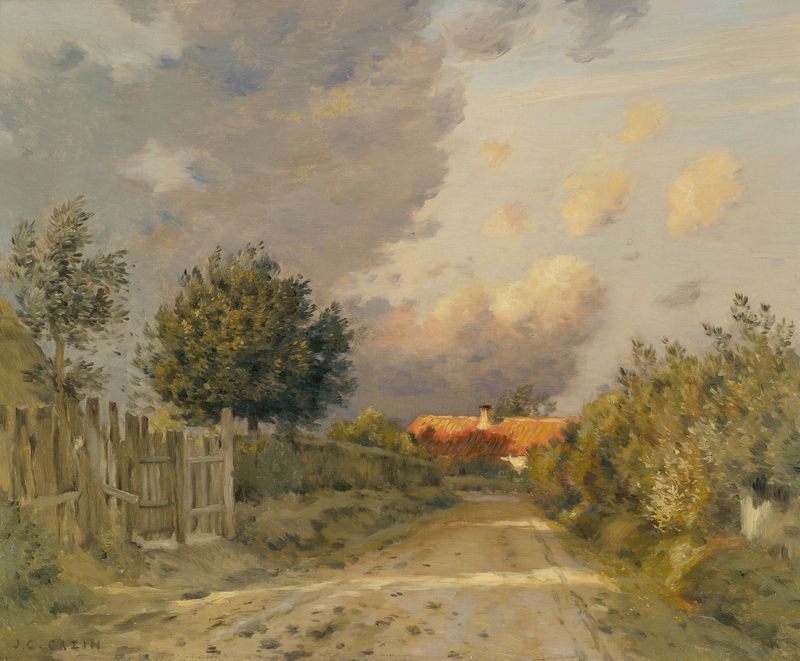
Early Evening In The French Countryside
Jean Charles Cazin
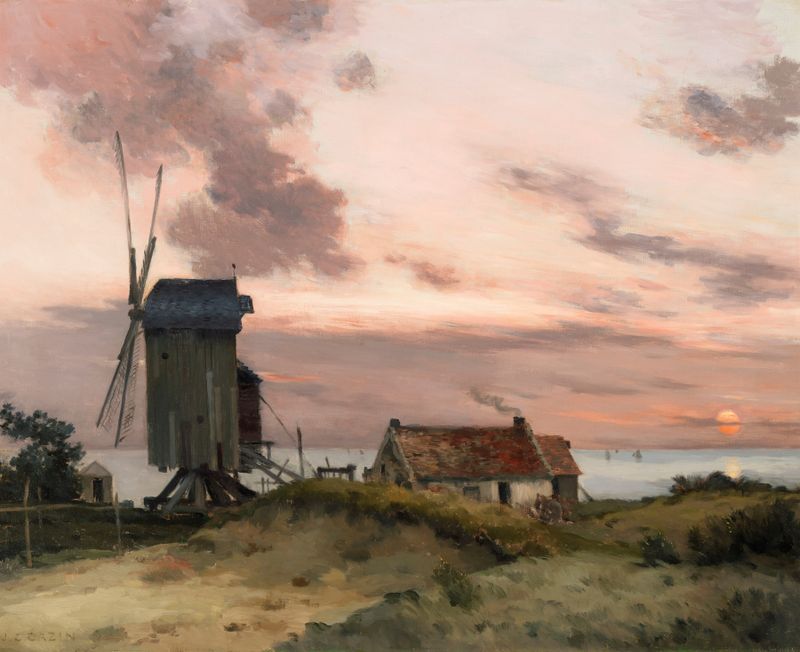
Windmill on a Beach
Jean Charles Cazin
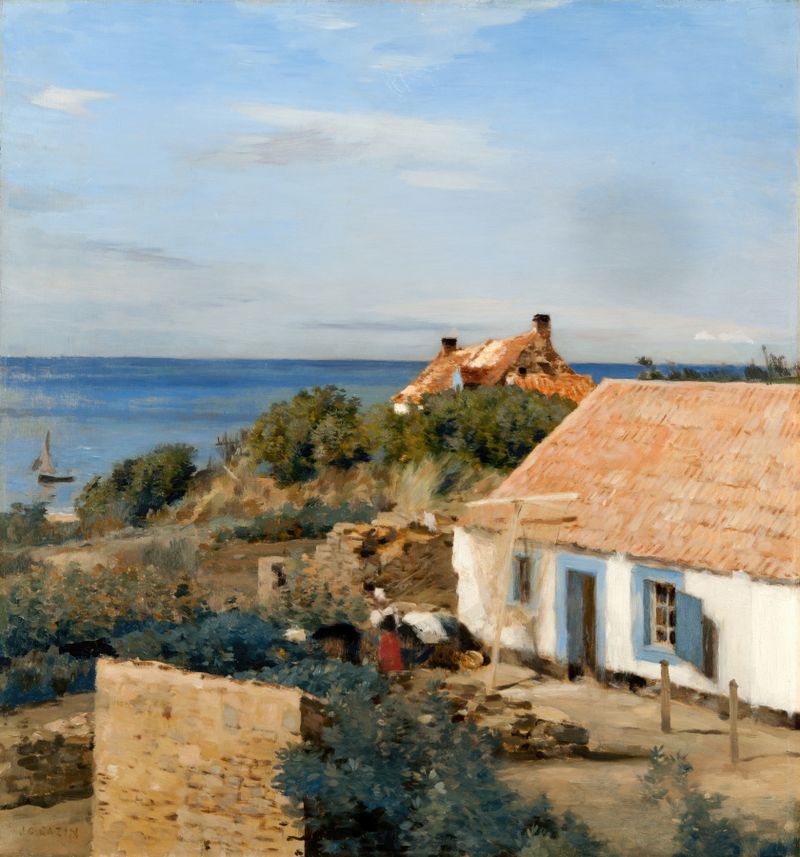
French Landscape
Jean Charles Cazin
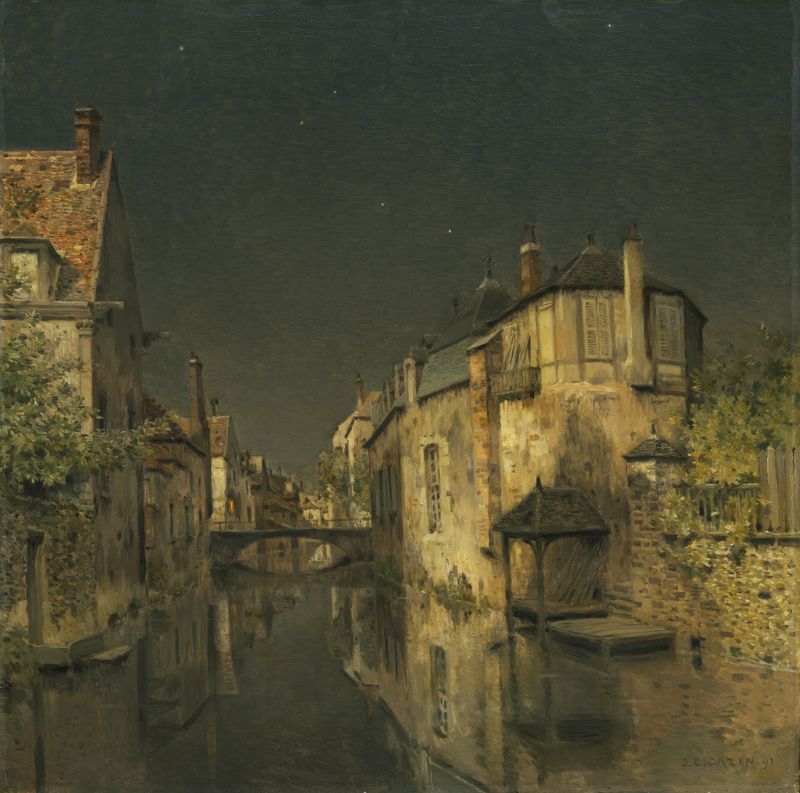
Midnight
Jean Charles Cazin

Tobias and the Angel
Jean Charles Cazin

October Day
Jean Charles Cazin

Paysage au clair de lune
Jean Charles Cazin
Rest on the Flight into Egypt
Jean Charles Cazin
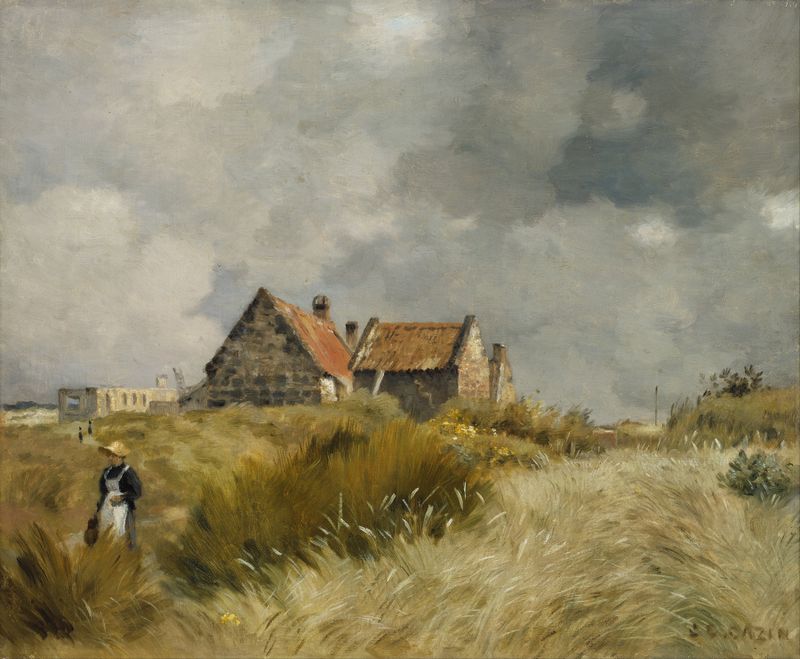
Cottage in the Dunes
Jean Charles Cazin

The Boatyard
Jean Charles Cazin





