
Landscape — History & Facts
This sentiment encapsulates the essence of beauty found within the complex layers of nature. In art, transformation is a powerful journey, and it is through the artist's hands that we discover serenity amidst the tumult. Look to the center of the canvas where a rolling expanse of hills unfolds, cloaked in rich hues of emerald and gold. The brushwork, both vigorous and delicate, creates a dynamic interplay of light and shadow, as if the landscape breathes its own life.
Notice how the clouds swirl above, each stroke capturing the ephemeral dance of the wind, while the horizon glows with a tender warmth, inviting the viewer to linger in this tranquil moment. Beneath the surface beauty lies an emotional tension between chaos and calm. The vibrant colors suggest an untamed spirit, resonating with the wildness of the natural world, while the harmonious composition evokes a sense of peace. Tiny details—a glimpse of a solitary tree, the whisper of the breeze across the grass—serve as reminders of nature's resilience and the fleeting beauty that surrounds us.
This delicate balance reflects an inner world where turmoil transforms into grace, urging us to appreciate the fleeting moments. In 1906, the artist found himself exploring the landscapes of Denmark, a period marked by a burgeoning interest in the interplay of light and atmosphere within the visual arts. As new movements emerged, Erichsen’s work signified a bridge between traditional and modern approaches, capturing both the essence of his surroundings and the emotional undercurrents of his time. As he painted this piece, he contributed to the dialogue of beauty and nature during an era of rapid change.
More Artworks by Thorvald Erichsen
Browse all →
Wooded Landscape
Thorvald Erichsen
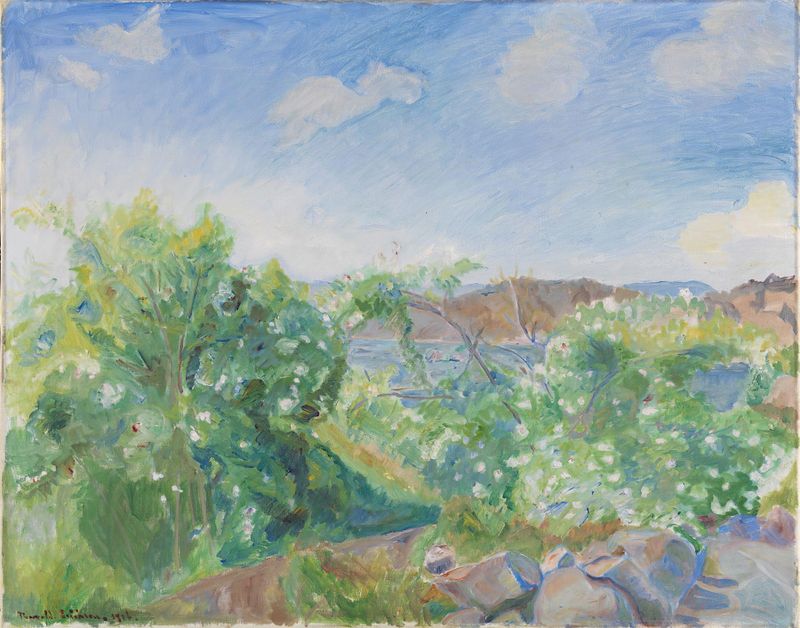
Flowering Dog Roses
Thorvald Erichsen

From Lillehammer, Balbergkampen
Thorvald Erichsen

From Kviteseid in Telemark
Thorvald Erichsen
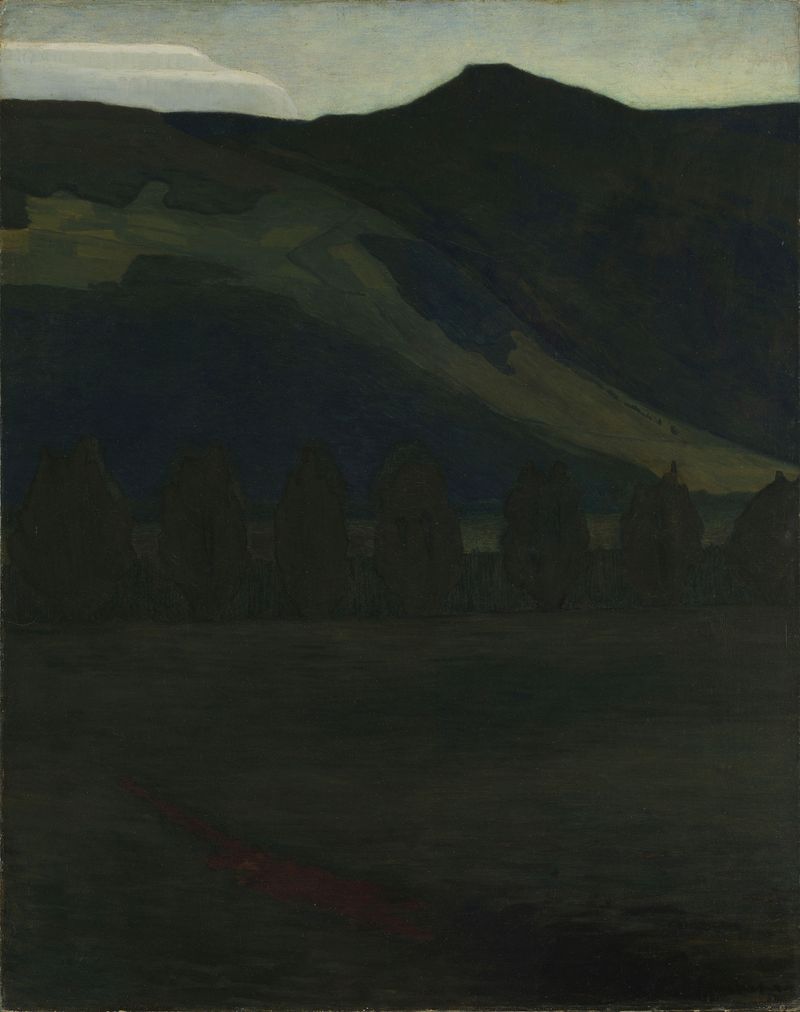
From Klones in Vågå, Gudbrandsdalen
Thorvald Erichsen

The Beach at Terracina
Thorvald Erichsen

From Porsgrunn
Thorvald Erichsen
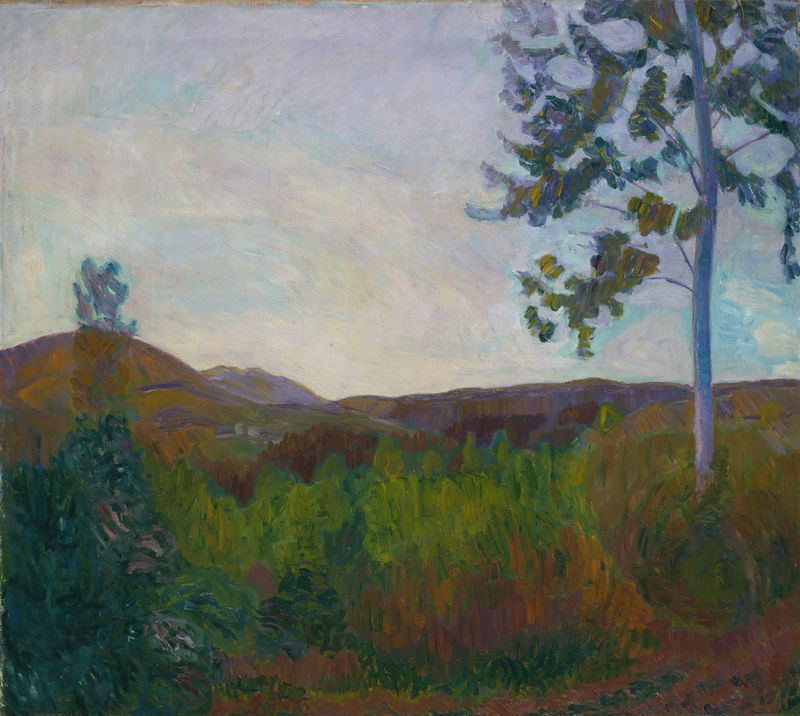
From Gausdal
Thorvald Erichsen

From Holmsbu
Thorvald Erichsen

From Holmsbu
Thorvald Erichsen





