
Landscape — History & Facts
A single, darting bird and a sky swollen with shifting clouds pull the viewer first, making the air itself the main character in Landscape by Albert Edelfelt. The buildings below—rendered with swift, almost unfinished brushwork—seem to catch the last light, their white and red facades glowing against the cool shadow. The street or quay curves gently, guiding the eye past patches of yellow-green foliage and into the distance, where the horizon dissolves into a haze of pink and blue.
Every brushstroke feels deliberate, yet the overall effect is one of spontaneity, as if the painter was racing the weather itself. The palette is soft but alert, the atmosphere thick with the promise of change. Works like this one, created in 1896, belong to a moment when European artists were increasingly fascinated by fleeting effects of light and atmosphere—concerns shared by the Impressionists, though Edelfelt’s Nordic clarity remains distinct. Such landscapes were often painted quickly, sometimes outdoors, as studies or finished works for collectors eager to bring the freshness of the world indoors.
While little is recorded about the specific journey of this painting, its presence in a Finnish collection today (as documented by its source) roots it firmly in the world that shaped it: a time when artists sought to capture not just places, but the very sensation of being there. The unfinished edges and open washes invite you to imagine the air moving, the day changing, long after you step away.
More Artworks by Albert Edelfelt

The Day of Rest
Albert Edelfelt
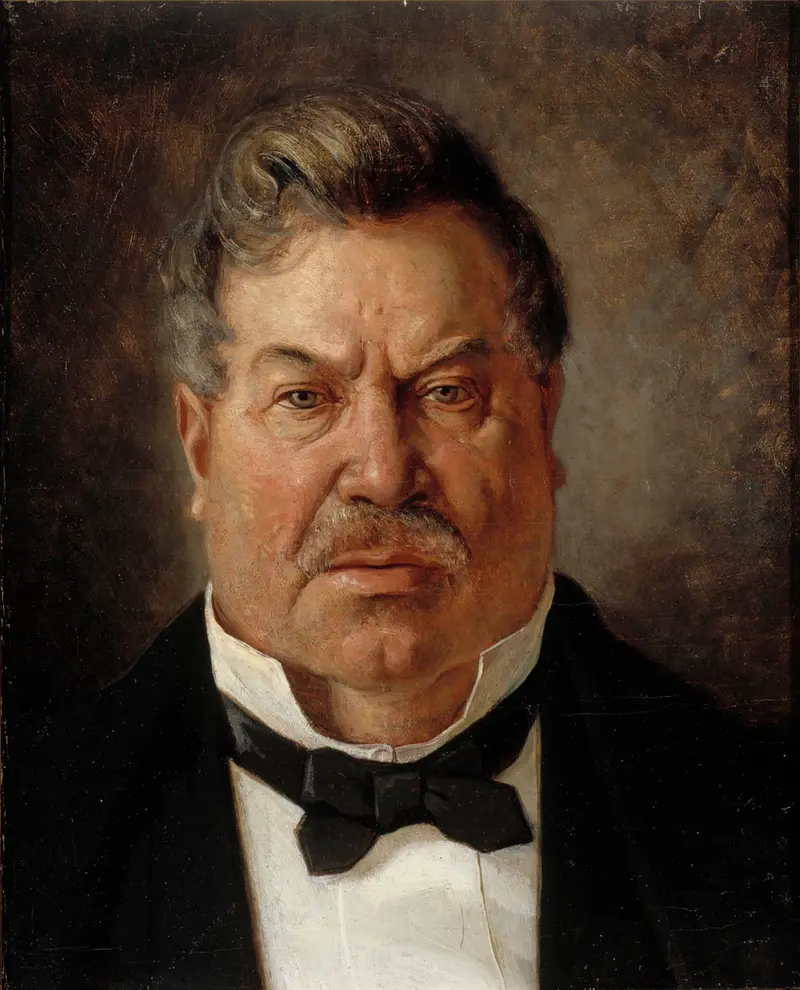
Portrait of August Streng
Albert Edelfelt
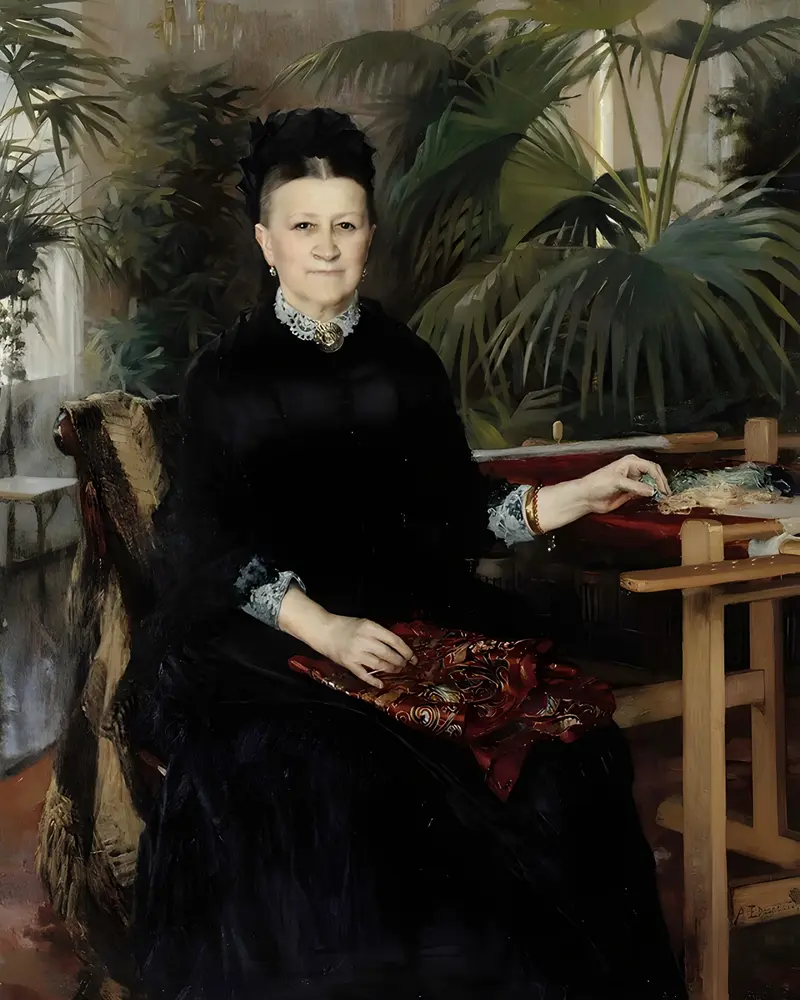
Portrait Of Mrs. Anna Sinebrychoff
Albert Edelfelt

The Poet, Larin Paraske
Albert Edelfelt

Parisian lady in a Peignoir
Albert Edelfelt
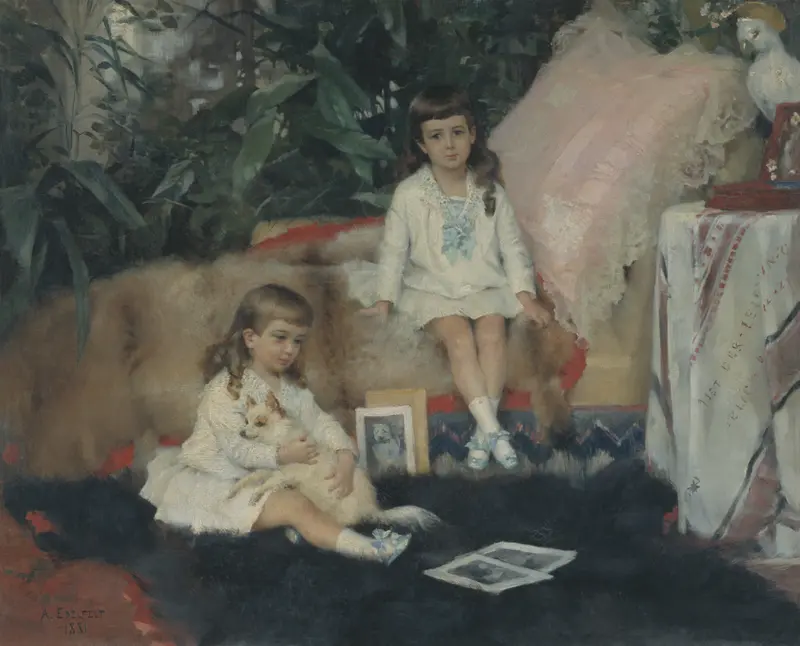
The Grand Dukes Boris and Kirill Vladimirovich as Children
Albert Edelfelt
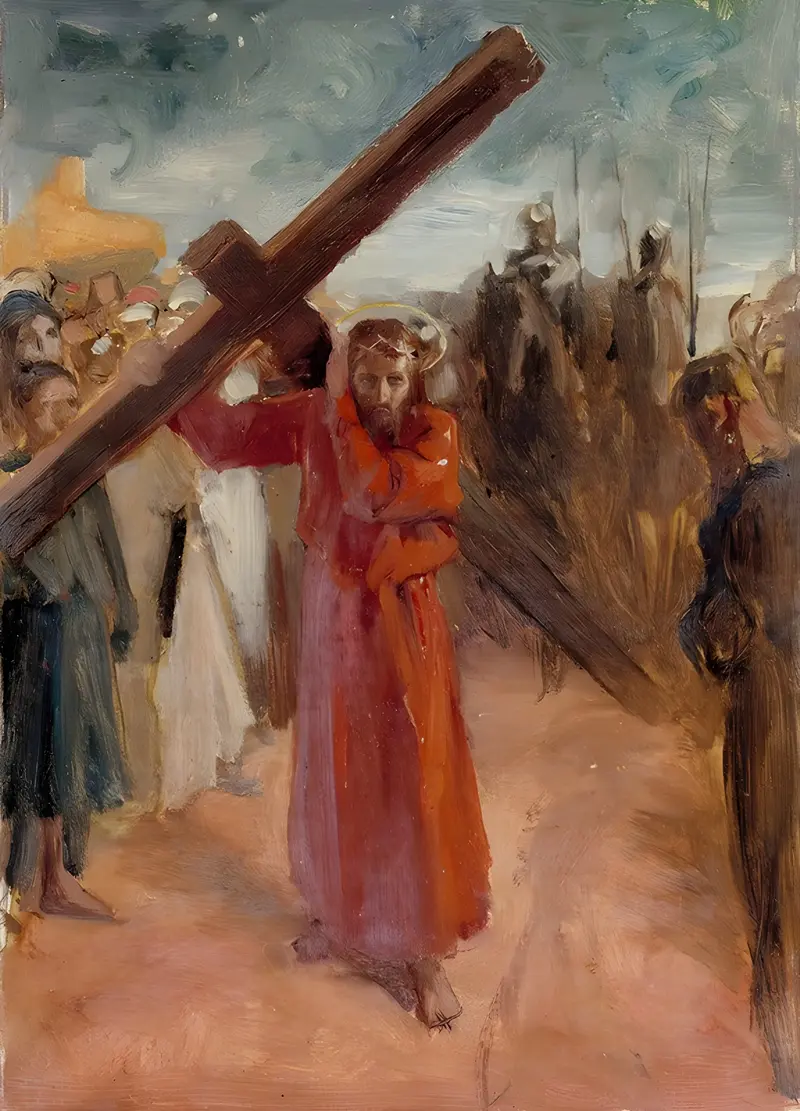
Christ Bears The Cross
Albert Edelfelt
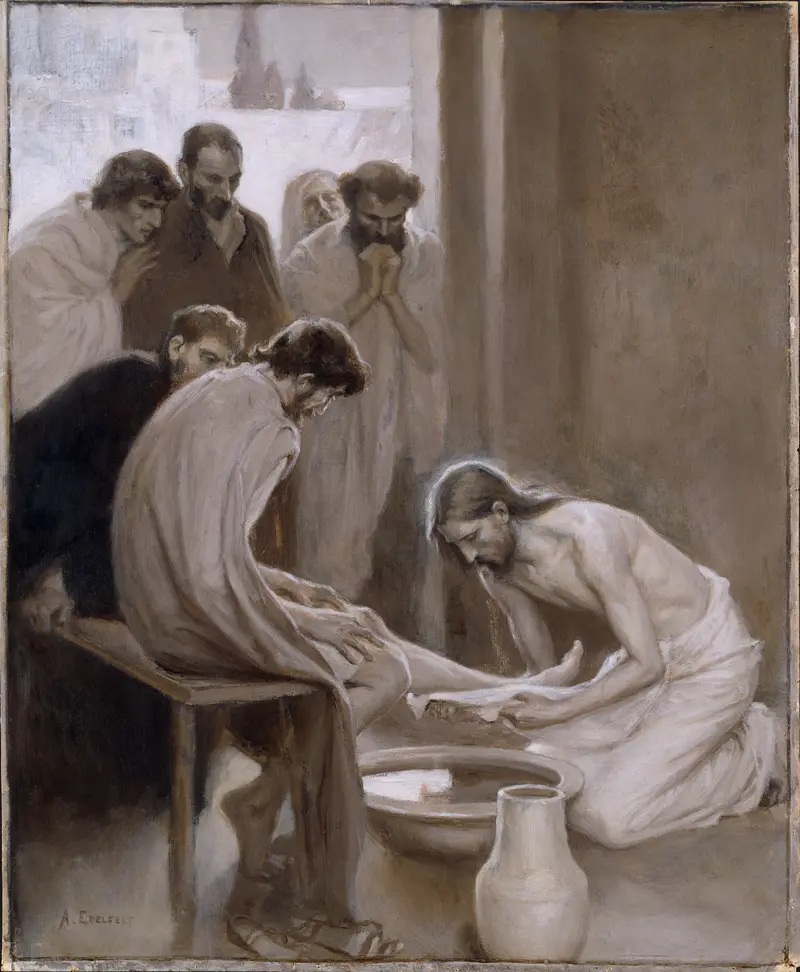
Jesus Washing the Feet of his Disciples
Albert Edelfelt

Larin Paraske with Kantele
Albert Edelfelt
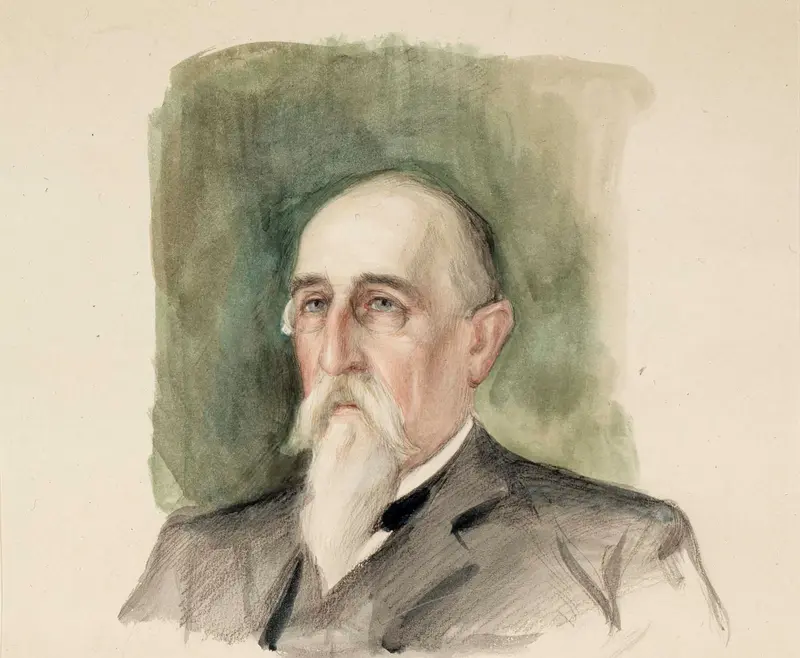
Leo Mechelin, Portrait Study
Albert Edelfelt
More Landscape Art

The Starry Night
Vincent van Gogh

View of Delft
Johannes Vermeer

Water Lilies
Claude Monet

The Grand Canal, Venice, looking north-west from the Ca' Corner to the Ca' Contarini degli Scrigni, with the campanile of Santa Maria della Carità
Canaletto

Windsor Castle
Canaletto

The Grand Canal looking North-East from the Palazzo Dolfin-Manin to the Rialto Bridge
Canaletto