
Landscape at Louveciennes — History & Facts
What if beauty was never meant to be finished? In the quiet expanse of Landscape at Louveciennes, a fleeting moment unfolds, inviting us to linger in its embrace of nostalgia and tranquility. Look to the horizon where gentle hills cradle the soft blue sky, a delicate interplay of greens and browns dominating the foreground. The brushstrokes pulse with life, weaving together dappled sunlight that filters through the trees. Notice how Pissarro’s palette dances between warm ochres and cool greens, creating layers of depth that draw the viewer into the serene environment, as if you could step into the scene yourself. At first glance, this idyllic landscape might evoke a sense of peace, yet beneath the surface lies a poignant tension.
The solitary figure walking along the path suggests isolation, contrasting with the expansive beauty surrounding them. The interplay of light and shadow plays tricks on the eye and heart, evoking memories of places long past, stirring a bittersweet longing. In its natural simplicity, the painting becomes a meditation on the transient nature of beauty and the inevitability of change. In 1870, Pissarro painted this scene while living in Louveciennes, a village that became a haven for impressionists.
Straddling the line between tradition and innovation, the artist was deeply influenced by the burgeoning movement around him, as well as the social upheavals of the time. This period saw him exploring the relationship between man and nature, capturing the essence of everyday life with a fresh, vibrant approach.
More Artworks by Camille Pissarro
Browse all →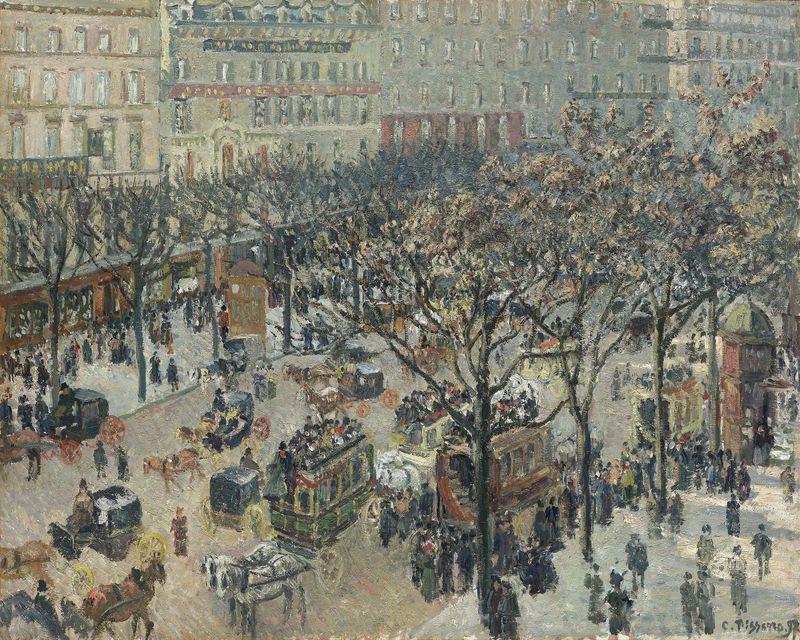
Boulevard des Italiens,Morning_Sunlight
Camille Pissarro
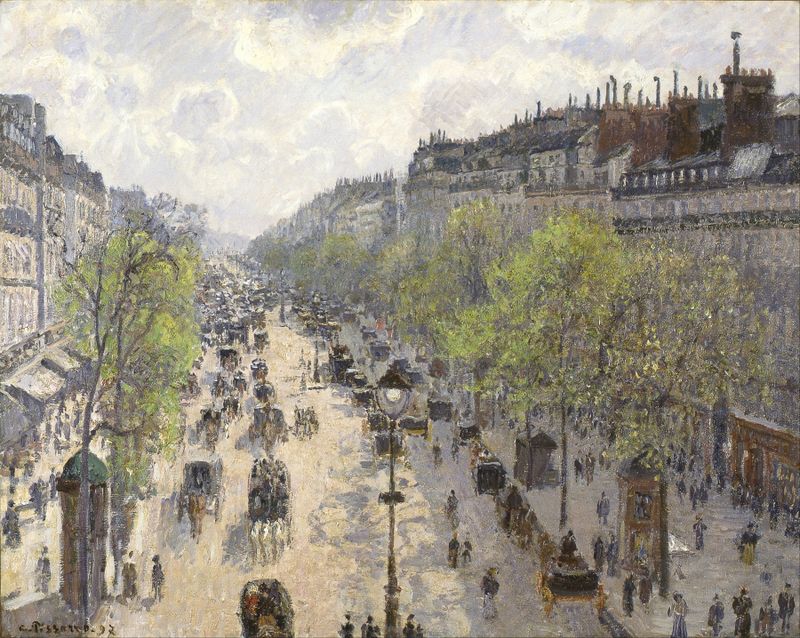
Boulevard Montmartre, Spring
Camille Pissarro
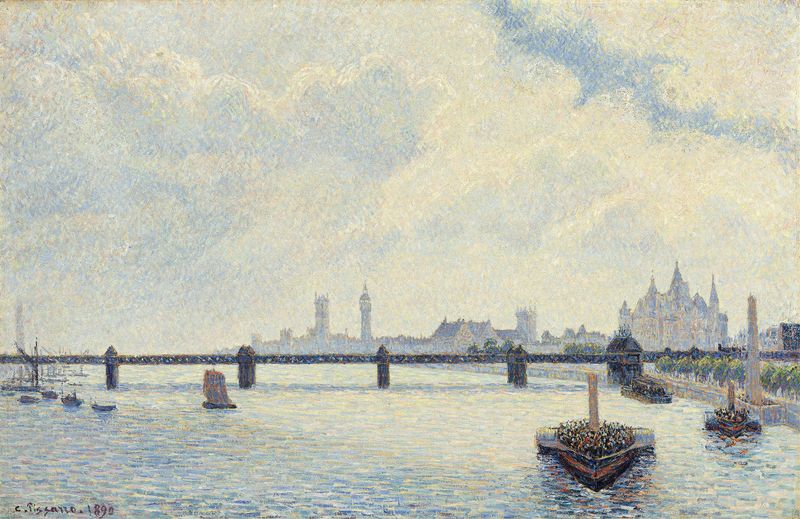
Charing Cross Bridge,London
Camille Pissarro
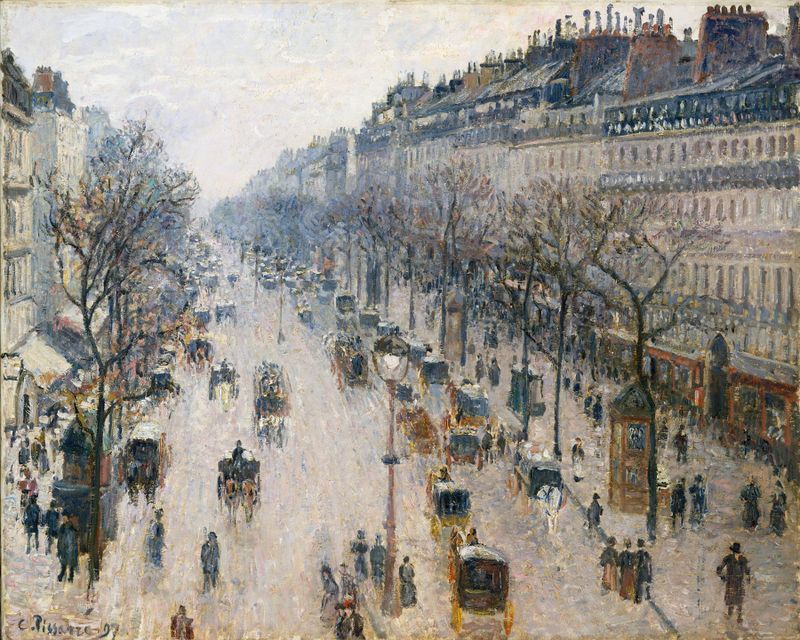
The Boulevard Montmartre on a Winter Morning
Camille Pissarro
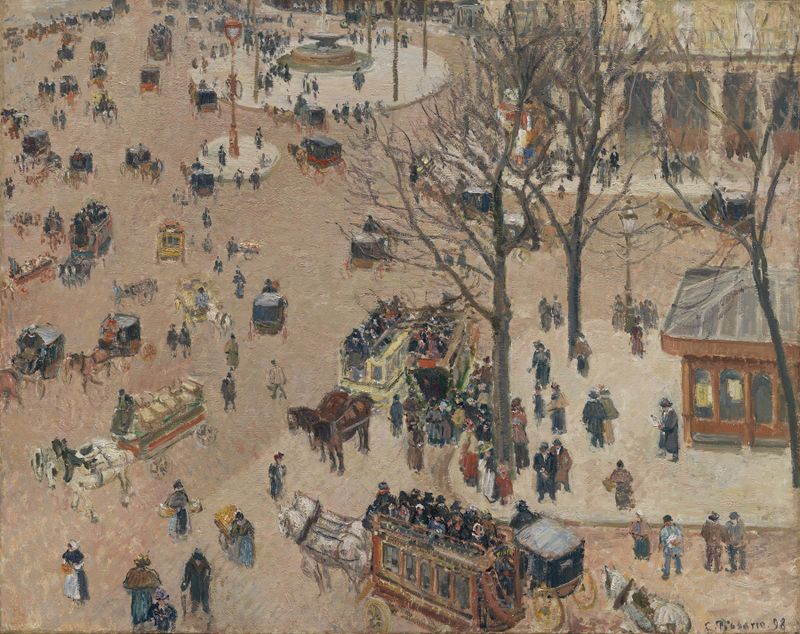
La Place du Théâtre Français
Camille Pissarro

Rue Saint-Lazare, Paris
Camille Pissarro
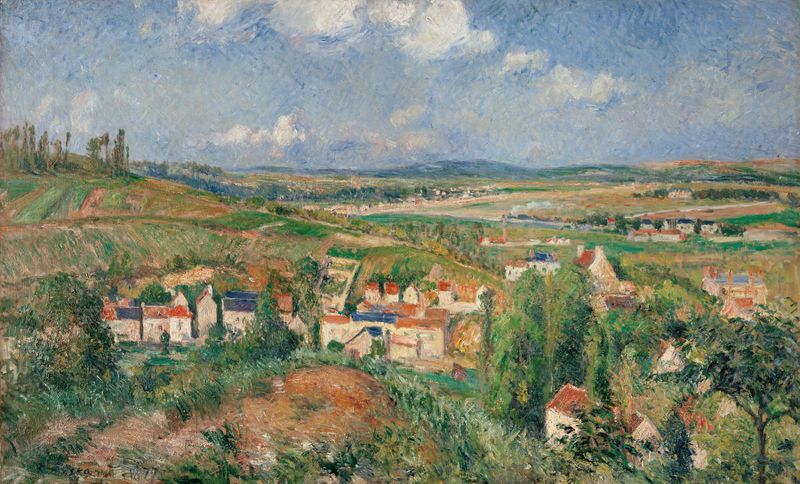
L’hermitage En Été, Pontoise
Camille Pissarro

Place du Theatre Francais,Fog Effect
Camille Pissarro
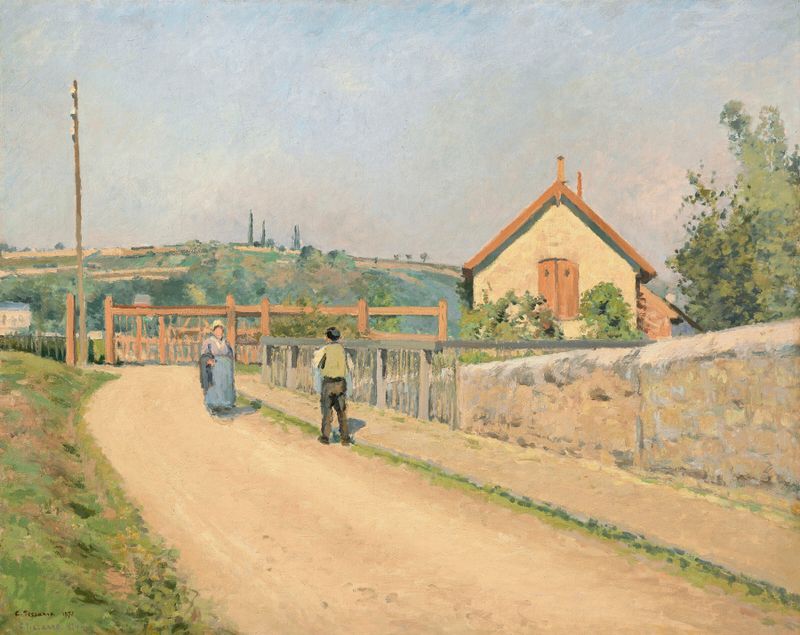
La barrière du chemin de fer, aux Pâtis près Pontoise
Camille Pissarro
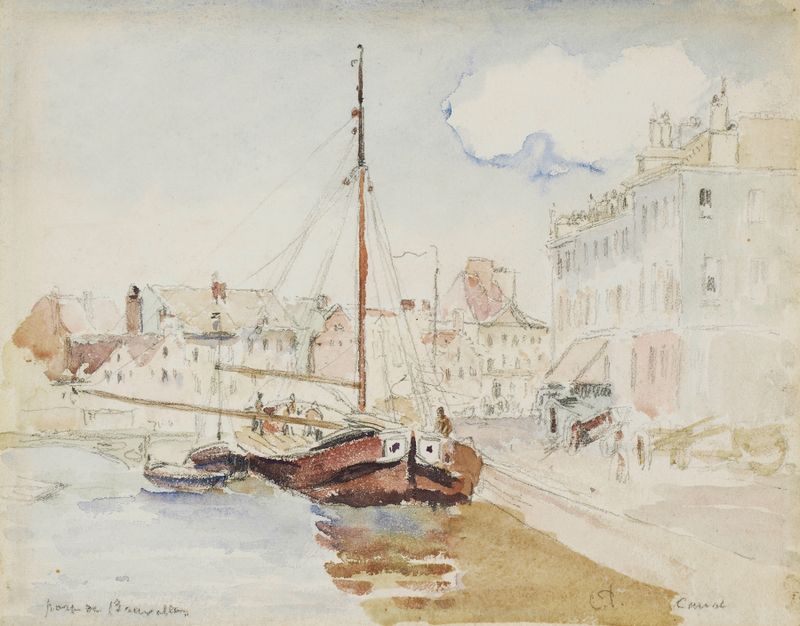
Port de Bruxelles
Camille Pissarro





