Landscape in a Windstorm — History & Facts
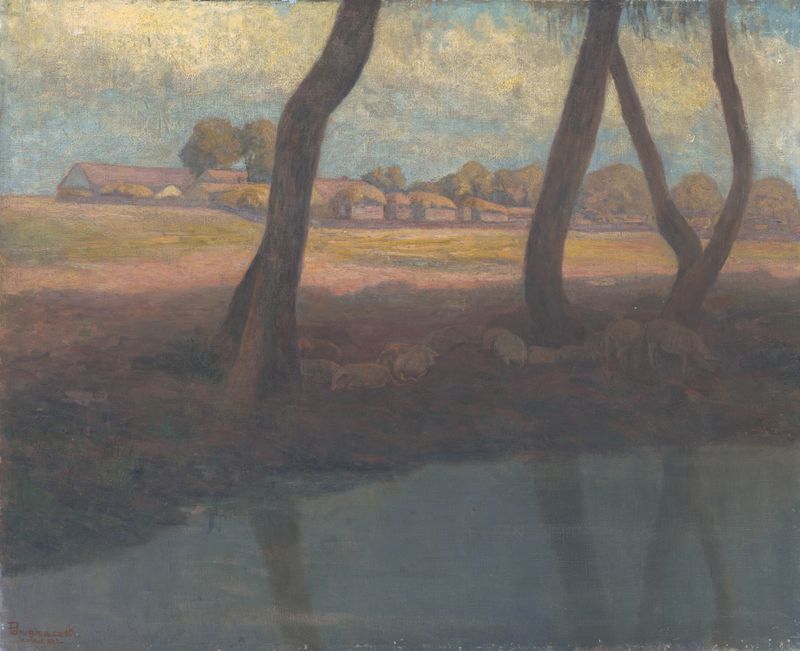
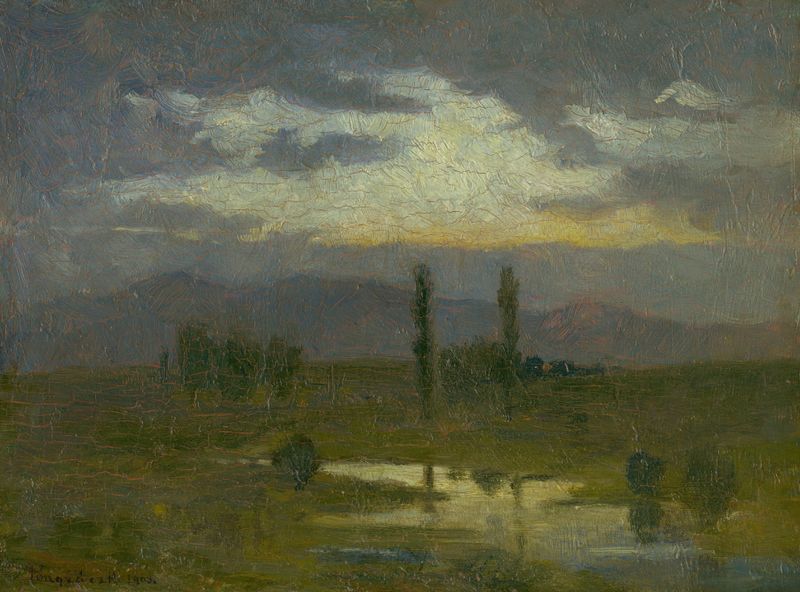
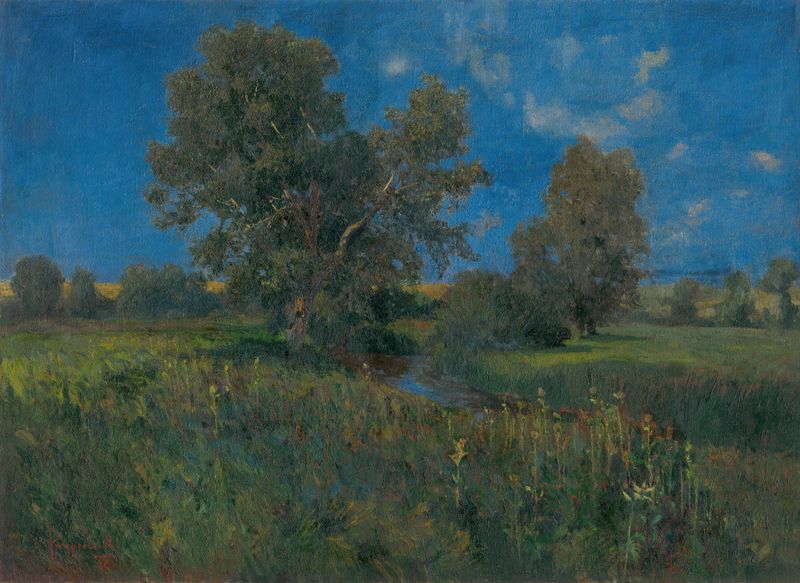
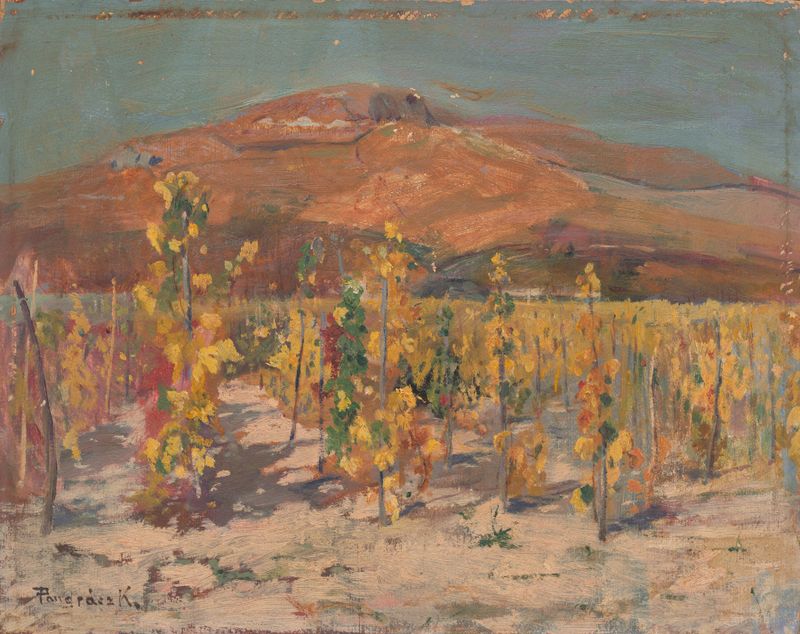
What secret hides in the quiet of the canvas? Beneath the tumult of nature, beauty emerges, gently asserting its presence amid chaos. Look to the left at the swirling clouds, painted in dark, brooding hues that pulse with the energy of an approaching storm. Notice how the artist masterfully contrasts the menacing sky with the vibrant greens and yellows of the land below, creating a visual dialogue between danger and tranquility. The brushwork is dynamic, capturing the wind's invisible force, as the trees bend and sway, their forms almost dancing with the gusts.
The interplay of light and shadow adds depth, inviting the eye to explore the tumultuous horizon. This tension between movement and stillness speaks volumes. The trees, although caught in a moment of struggle, stand resolute, symbolizing endurance in the face of adversity. The vivid land beneath them serves as a reminder of nature's beauty, even when threatened by the elements.
Each brushstroke conveys an emotional current, revealing a landscape on the brink of transformation, where beauty persists despite impending chaos. Karol Pongrácz painted this work in 1920, during a time marked by upheaval and change in Europe. Emerging from a post-World War I landscape, the artist’s focus on nature reflected a collective yearning for stability and peace. This period saw a growing interest in the interplay between abstraction and realism in art, which Pongrácz engaged with, navigating the delicate balance of capturing both beauty and turmoil.