Landscape — History & Facts
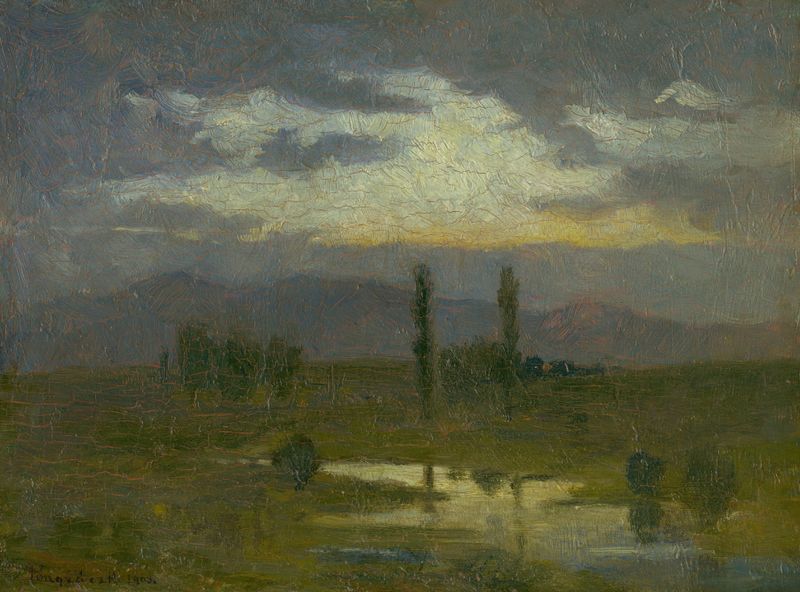
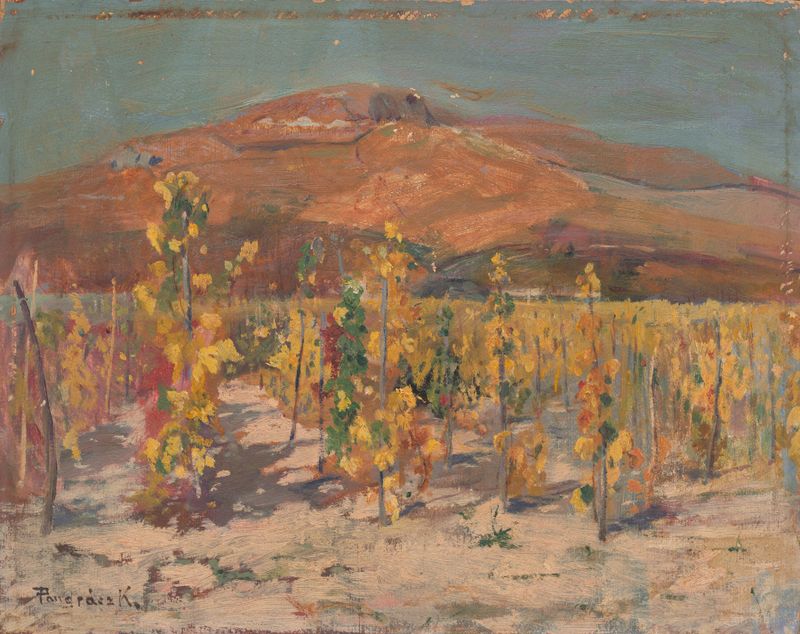
Who listens when art speaks of silence? In a world filled with noise, the quiet whispers of a landscape can reveal the depths of our destinies. Look to the horizon, where gentle rolling hills cradle the sky, painted in soft pastels that evoke a sense of tranquility. Notice how the light filters through the clouds, casting delicate shadows that dance across the terrain. The brushstrokes are both fluid and deliberate, capturing a moment of stillness that invites contemplation.
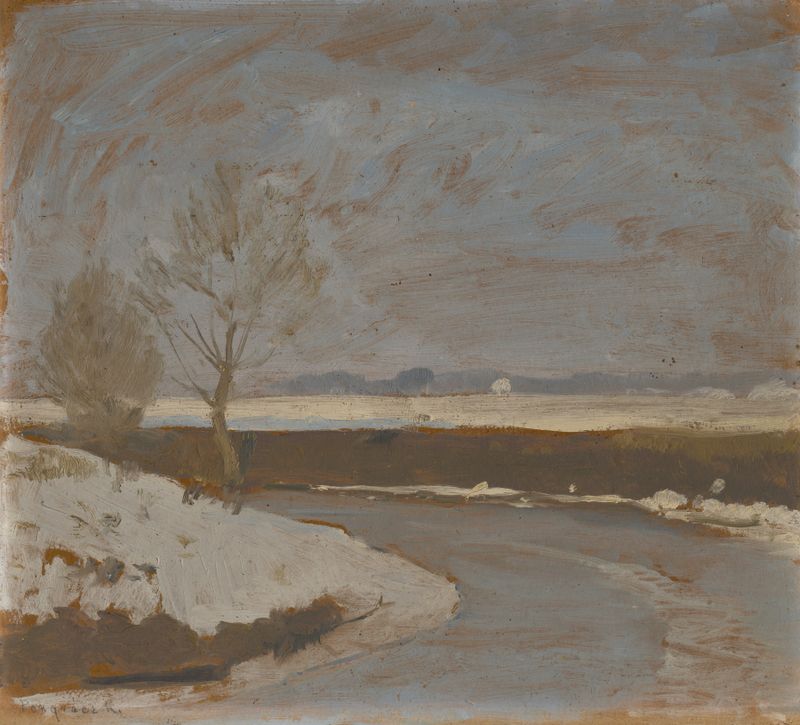
As your eyes traverse the canvas, you’re drawn to the interplay of light and shadow, each element harmonizing in a serene yet poignant embrace. Within this tranquil setting lies an emotional tension between nature’s beauty and the impermanence of time. The tranquil blues and greens suggest hope and renewal, while the muted earth tones hint at the inevitable passage of seasons. Small details, like the solitary tree on the left, stand as symbols of resilience against the vastness of existence, reminding viewers of their own paths, shaped by nature’s hand.
The horizon, a thin line between earth and sky, speaks of aspirations and the unknown future that lies just beyond reach. In 1902, Pongrácz was rooted in Hungary, a time when artists sought to express the nuances of their homeland through a lens of introspection. Emerging amidst the artistic movements of the time, he blended Impressionist techniques with local themes, capturing not only the landscape but also the essence of life itself. This painting reflects his desire to articulate a connection to the land, a quiet yet powerful assertion of identity in a changing world.