
Landscape in Crozant — History & Facts
Could beauty survive in a century of chaos? In Landscape in Crozant, the answer lies within the delicate interplay of color and light, which breathe life into the canvas. Look to the left at the sweeping hills, where soft greens blend into muted blues, creating a serene backdrop. The strokes are both fluid and spontaneous, drawing your gaze toward the river that winds gracefully through the landscape. Notice how the sunlight dances across the water's surface, shimmering in a kaleidoscope of yellows and whites, and highlighting the gentle ripples that reflect an ethereal sense of tranquility.
The composition balances a sense of depth with an inviting openness, creating a space where one feels both welcomed and contemplative. Yet, beneath this picturesque surface lies an emotional tension. The lush greenery and vibrant sky suggest life and vitality, but the absence of human presence evokes a certain void, a reminder of solitude amidst nature’s beauty. This juxtaposition of vibrancy and emptiness speaks to the artist's intent, inviting viewers to reflect on their own relationship with the natural world and the fleeting nature of time itself. In the late 19th century, when Landscape in Crozant was created, Guillaumin found inspiration in the French countryside, particularly in the Creuse region.
This period marked a significant evolution in the realms of Impressionism, as artists began to explore the interplay of light and color more intensely. Guillaumin, often overshadowed by his contemporaries, was honing his unique style, capturing the essence of a landscape that was both idyllic and hauntingly quiet, reflecting the complexities of life during an era of profound change.
More Artworks by Armand Guillaumin
Browse all →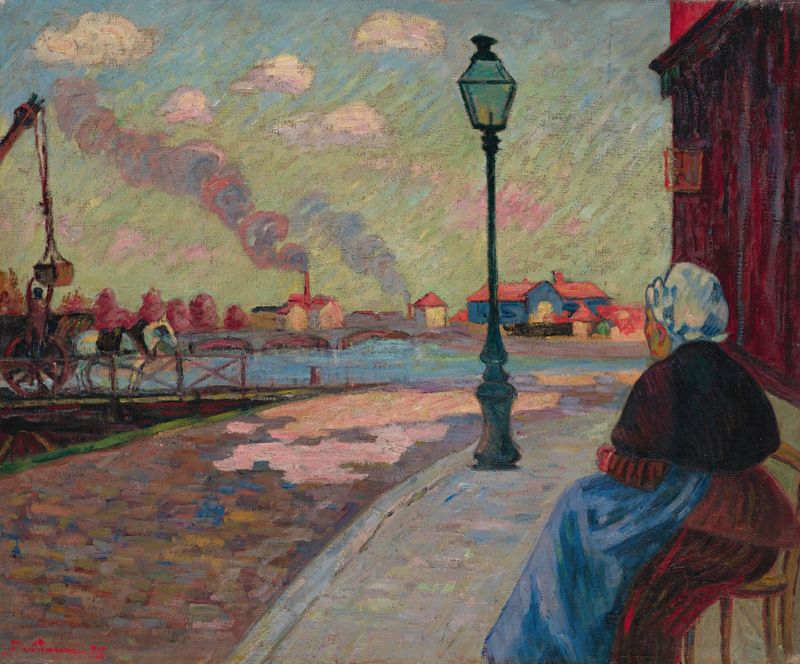
La Seine À Charenton
Armand Guillaumin
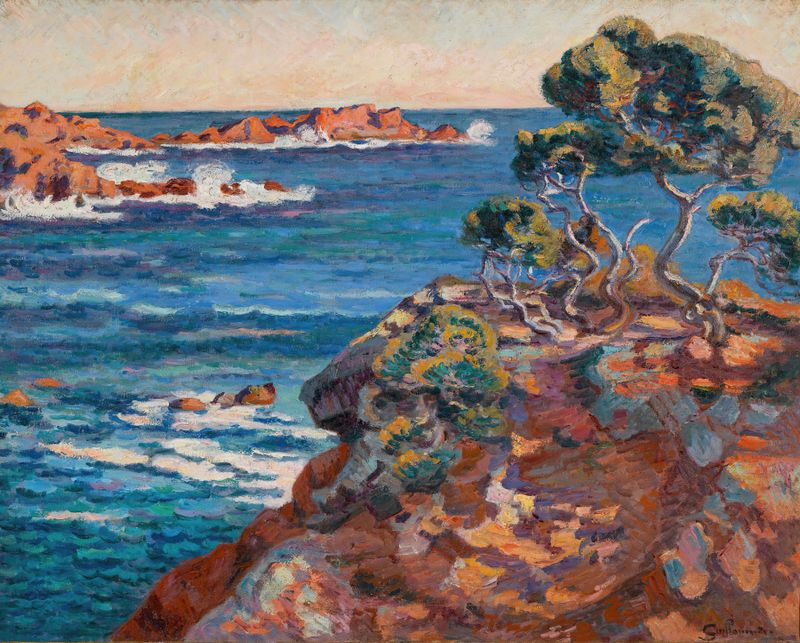
Bord De Mer À Agay
Armand Guillaumin
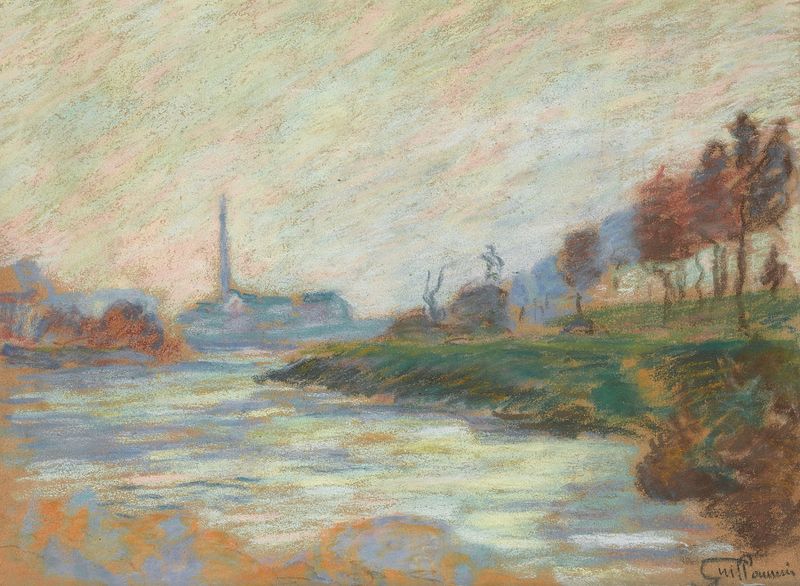
Confluent De La Marne Et De La Seine, Île De La France
Armand Guillaumin

Le Ravin de la folie, vue de Chateau Crozant
Armand Guillaumin
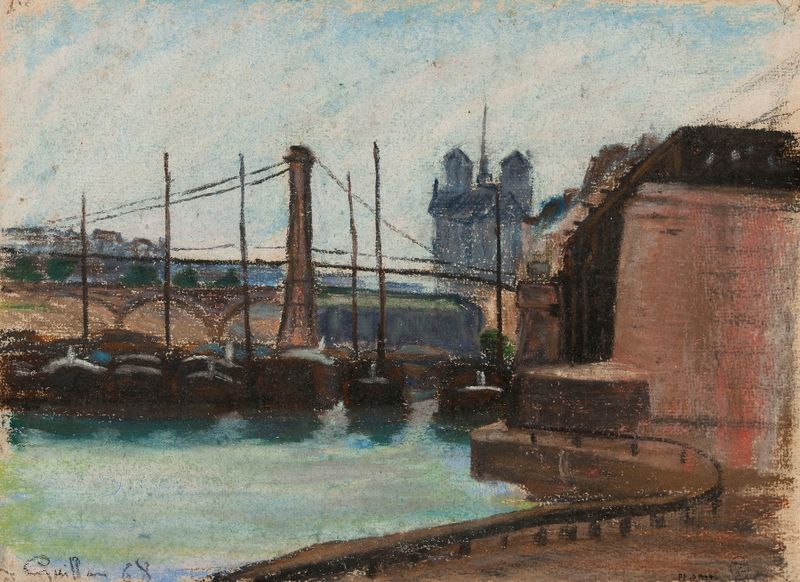
Le Pont d’Austerlitz
Armand Guillaumin

Paysage de Printemps
Armand Guillaumin
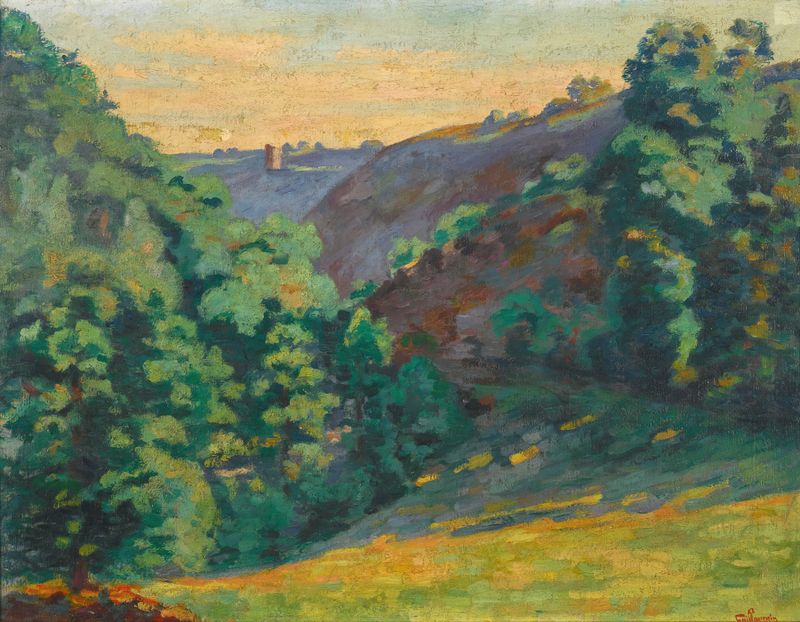
Crozant, Le Ravin De La Sedelle À La Folie
Armand Guillaumin
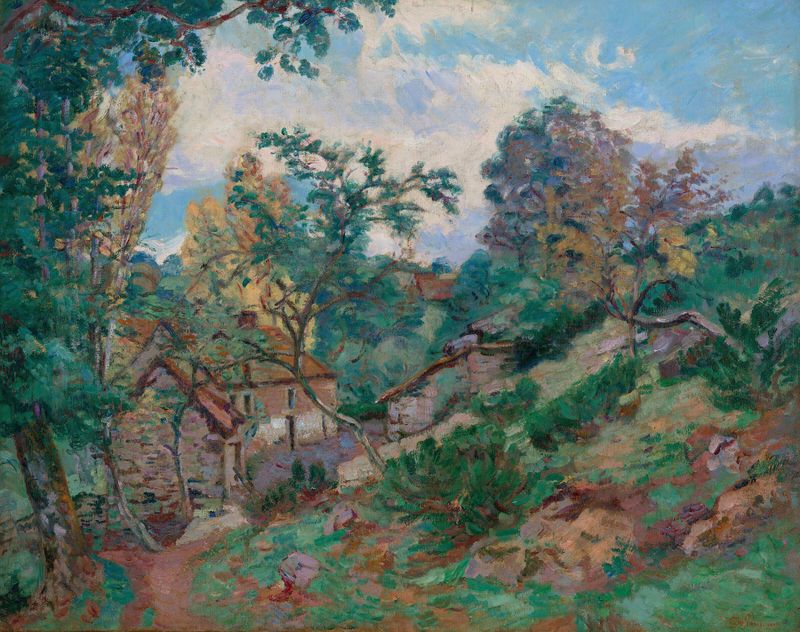
Paysage
Armand Guillaumin

La vallée de la creuse
Armand Guillaumin

L’Eglise Saint-Sulpice, Paris
Armand Guillaumin





