
Landscape (Midsummer) — History & Facts
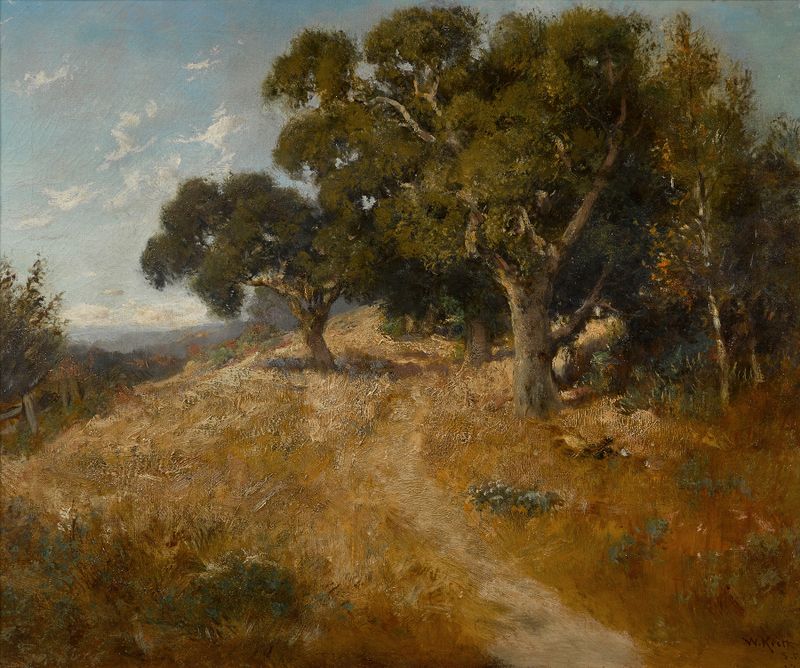
Is this a mirror — or a memory? In Landscape (Midsummer, the boundary between reality and reminiscence blurs, inviting the viewer to explore the nuances of loss interwoven with nature’s enduring beauty. Focus first on the lush greens that dominate the foreground, where brushstrokes meld together to create a sense of vitality and life. Notice how the sun's warm rays filter through the trees, bathing the scene in golden light that beckons you deeper into the painting. The sky, a delicate canvas of blues and whites, contrasts sharply with the grounded earth, evoking a sense of timelessness.
Each element is meticulously placed, guiding your gaze to the horizon where nature meets the ethereal. Beneath the surface, the painting embodies a tension between abundance and absence. The vibrant foliage speaks to life’s fullness, yet the quiet distance hints at something left behind, an echo of memories. The delicate play of light and shadow suggests not only the passage of time but also the bittersweet realization that beauty is often tinged with sorrow, making the landscape both enchanting and melancholic. During the years he created this piece, William Keith was a prominent figure in the American art scene, particularly associated with the California School of plein air painting.
Between 1839 and 1911, he painted amidst a time of great transformation in the art world, moving from the Romantic to the Impressionist influences. This period of his life was marked by personal challenges, as he grappled with loss while also seeking solace in the natural beauty around him, a theme that resonates deeply within this work.
More Artworks by William Keith
Browse all →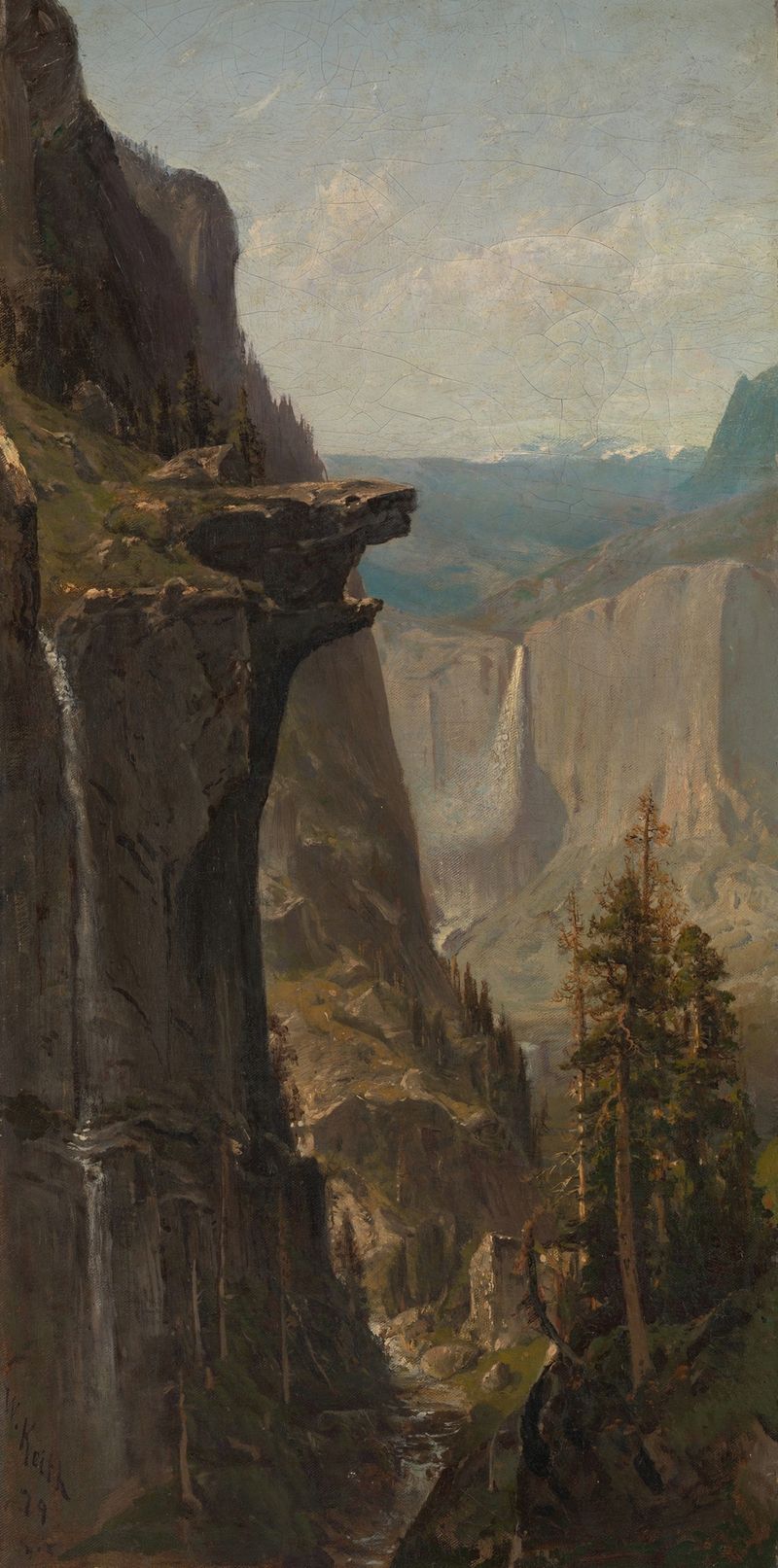
Yosemite Falls, from Glacier Point
William Keith

Half Dome, Yosemite
William Keith
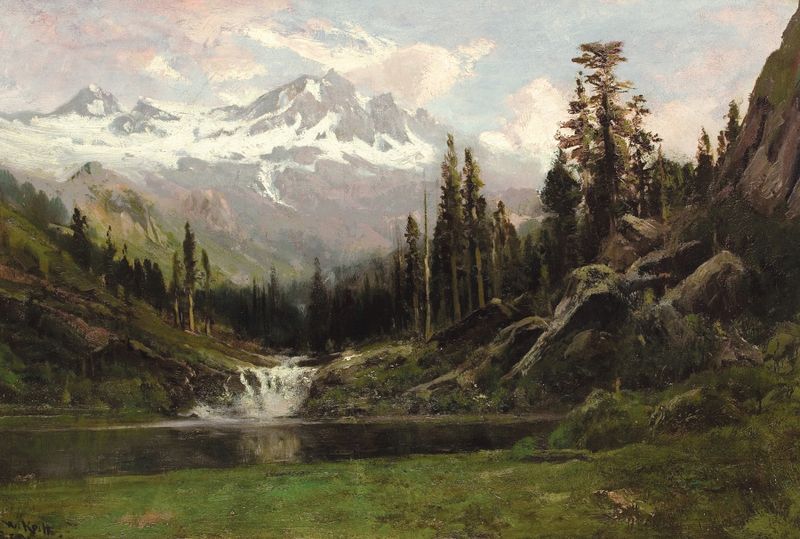
View of Mount Shasta
William Keith
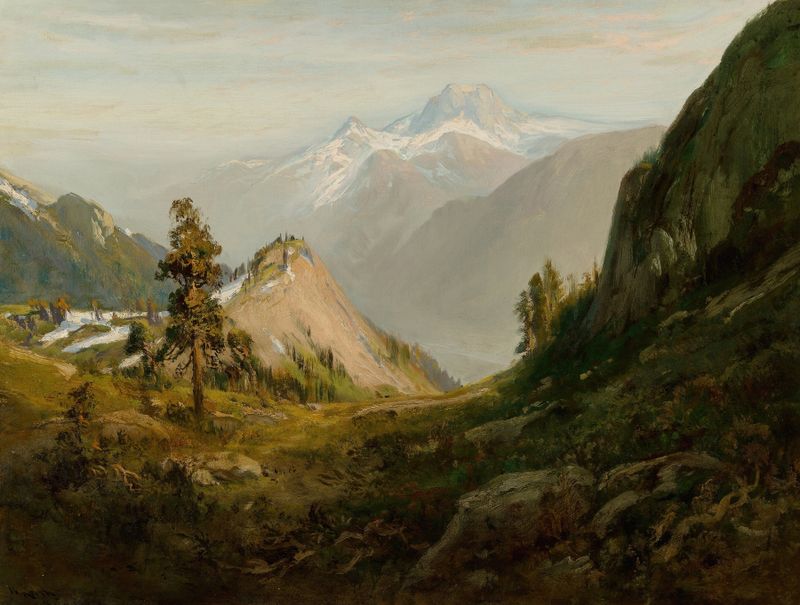
Where Gold was Found in California
William Keith

Mount Tamalpais from the North West
William Keith

Yosemite Valley
William Keith
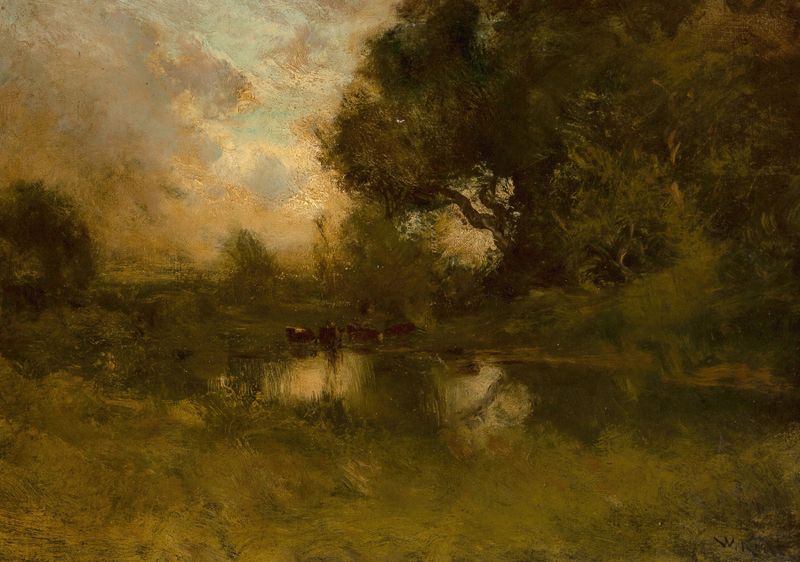
Napa Creek
William Keith
Path through California oaks
William Keith

Landscape
William Keith

Landscape Painting
William Keith





