
Landscape Study — History & Facts
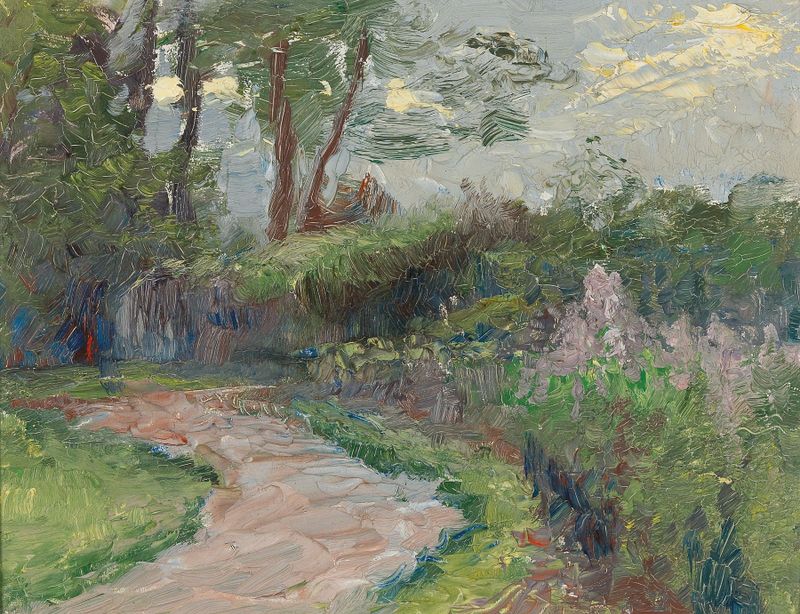
In the stillness of decay, the landscape whispers secrets, inviting the observer to peel back the layers of its vibrant hues and muted whispers. Look to the left, where the rich greens of the underbrush offer a lush contrast to the faded browns of the earth. The vibrant strokes, deftly applied, draw the eye towards the horizon, where the sky morphs from a deep indigo to softer twilight tones. Notice how the play of light captures the subtle textures of the foliage, breathing life into the scene while simultaneously hinting at its transient nature.
Wisinger-Florian's brushwork oscillates between bold and delicate, creating a medley that speaks to both flourishing vitality and impending decline. Here lies the tension: the juxtaposition of verdancy and decay reveals an emotional complexity. Each stroke of paint reverberates with the duality of life, encapsulating moments of beauty and the inevitable passage of time. As vibrant hues bleed into muted tones, the viewer can sense the fleeting nature of existence, evoking a poignant reflection on what remains in the wake of beauty.
The scattered leaves and gentle gradients evoke nostalgia, drawing us into an intimate dialogue with our own experiences of loss and renewal. During the late 19th century, Wisinger-Florian painted this piece amidst a wave of changing artistic movements. Her work reflected the burgeoning interest in naturalism and impressionism in Vienna, a city rich with artistic experimentation at the time. This period marked her gradual rise in recognition as she navigated the complexities of her identity as a female artist within a predominantly male-dominated art world.
More Artworks by Olga Wisinger-Florian
Browse all →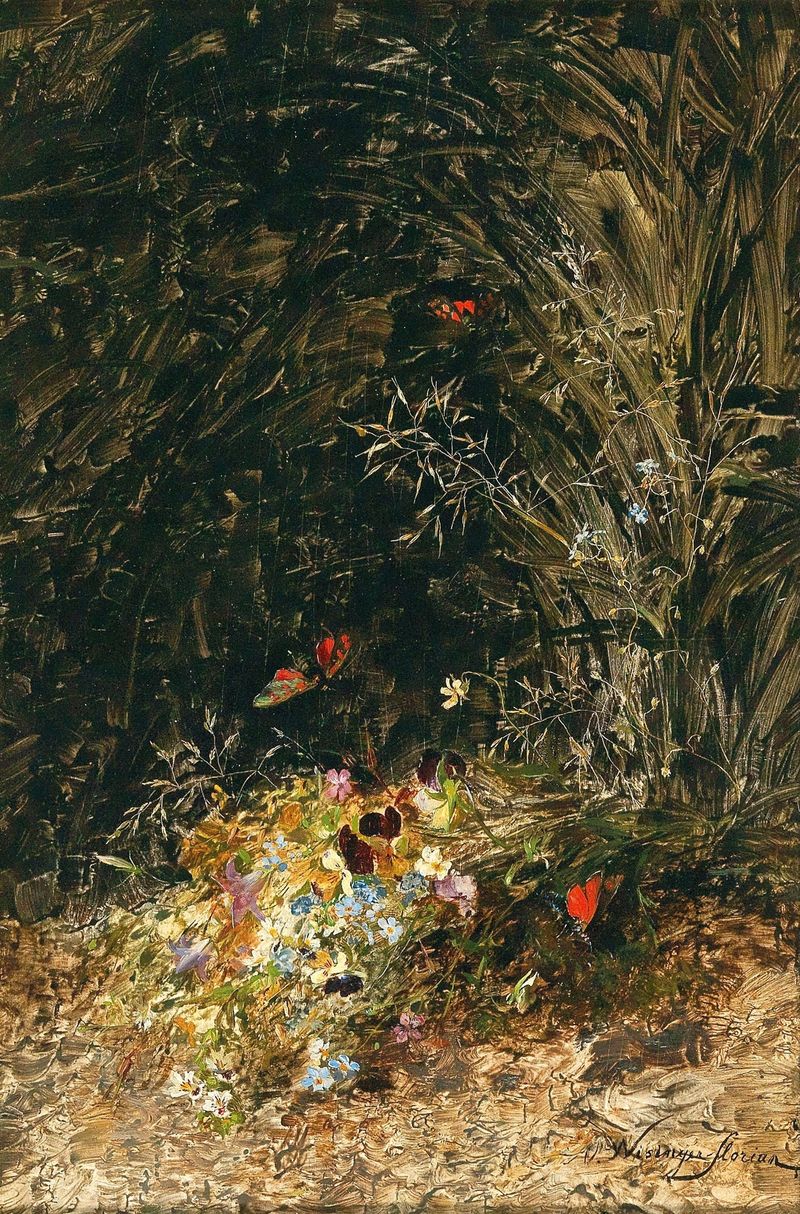
A bouquet of wildflowers
Olga Wisinger-Florian

Aulandschaft
Olga Wisinger-Florian

On the North Sea
Olga Wisinger-Florian
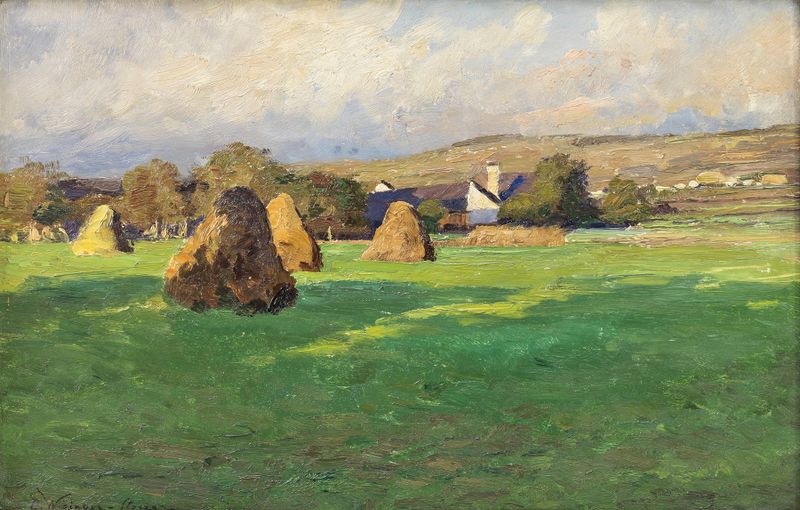
Abendliche Sommerlandschaft mit Strohmandeln
Olga Wisinger-Florian
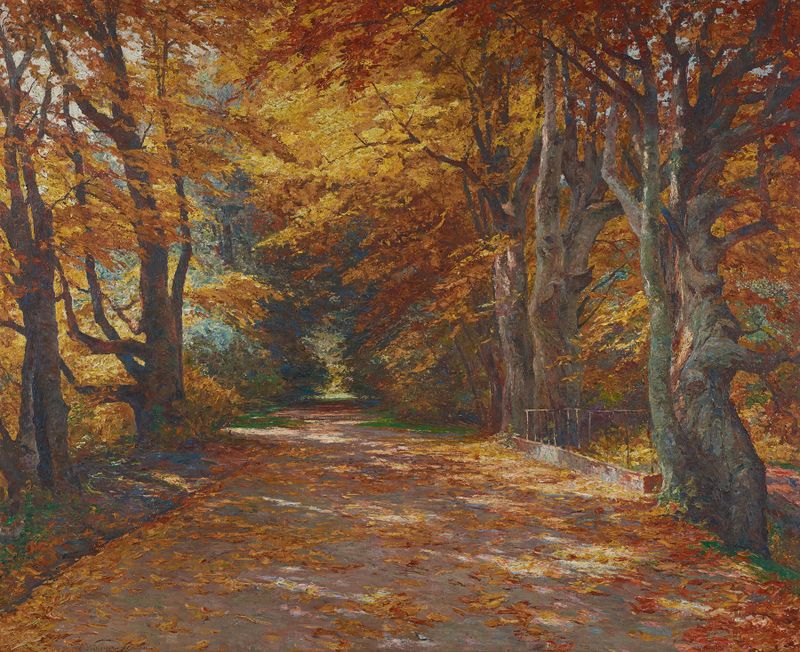
Praterallee im Herbst Herbstliche Allee
Olga Wisinger-Florian
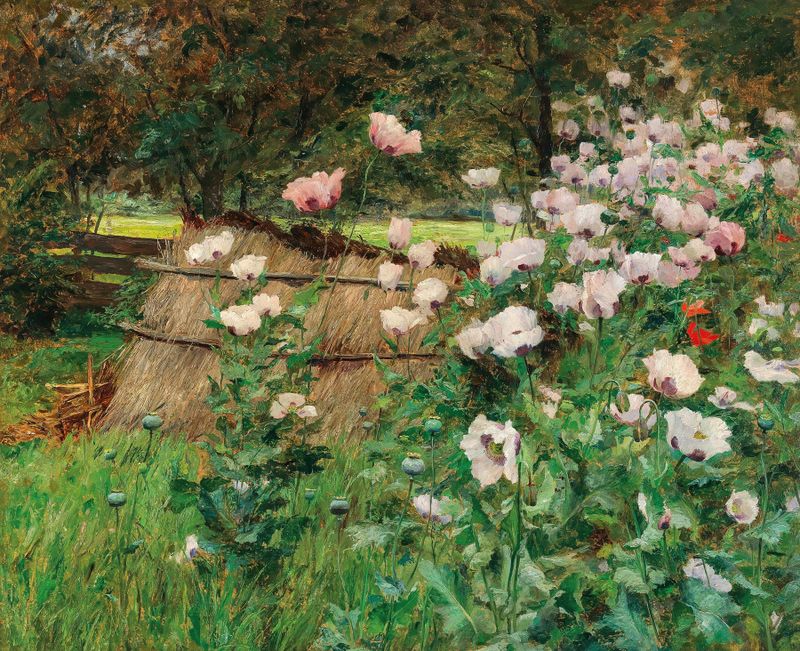
Im Bauerngarten
Olga Wisinger-Florian

Parklandschaft
Olga Wisinger-Florian
Path in the Park
Olga Wisinger-Florian

Abend
Olga Wisinger-Florian
Meadow
Olga Wisinger-Florian





