
Landscape with a cart — History & Facts
Light becomes the memory keeper in the work of Armand Guillaumin, illuminating the fleeting moments of nature and labor that shape our lives. Look to the horizon where soft hues of yellow and green blend seamlessly, inviting you to savor the tranquility of a rural setting. The cart, central to the composition, stands as a silent sentinel of toil, defined by the rich, textured brushstrokes that convey both movement and stillness. Notice how the dappled sunlight dances upon the ground, casting playful shadows that breathe life into the landscape, revealing the artist's mastery of color and light. Hidden beneath the surface lies a deeper tension between the serenity of nature and the labor that unfolds within it.
The cart, while an emblem of rural life, also signifies the burden of work, contrasting with the gentle beauty of the surrounding landscape. This juxtaposition encourages a contemplation of the harmony and struggle inherent in the human experience, inviting viewers to reflect on their connections to both nature and labor. In 1882, Guillaumin painted this piece during a period of artistic exploration, becoming affiliated with the Impressionist movement, which was revolutionizing the art world. Living in France, he sought to capture the essence of light and its transformative power, breaking away from traditional techniques to reveal the beauty in ordinary scenes.
This painting serves as a testament to both his commitment to innovation and the timeless interplay between light and life.
More Artworks by Armand Guillaumin
Browse all →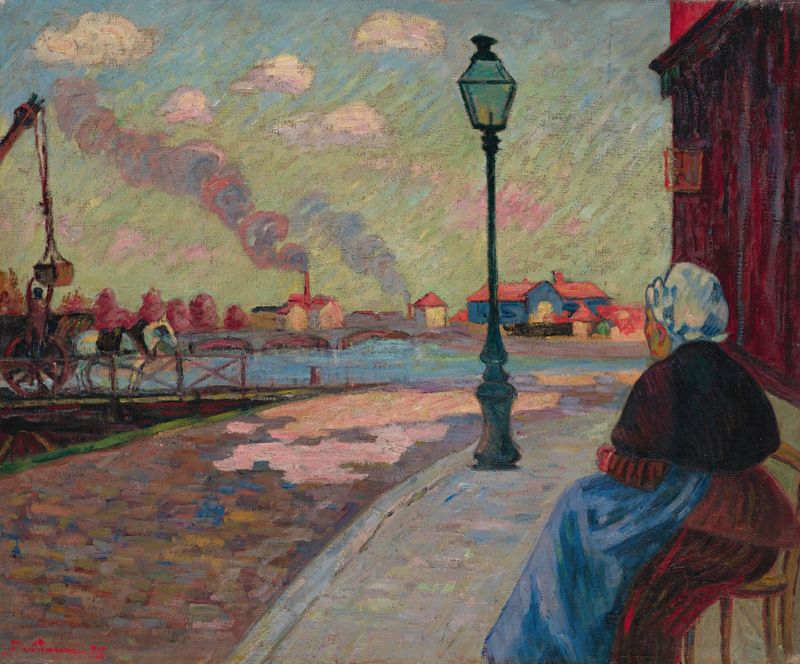
La Seine À Charenton
Armand Guillaumin
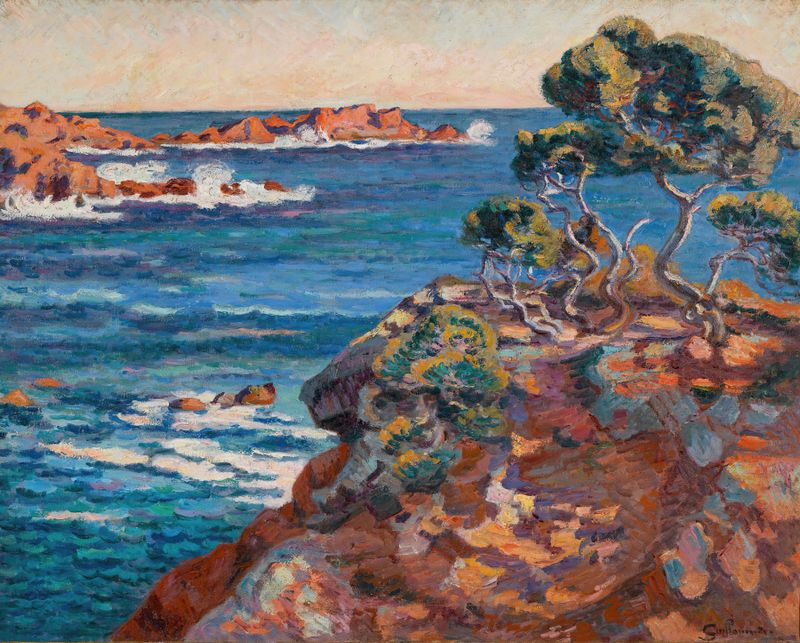
Bord De Mer À Agay
Armand Guillaumin
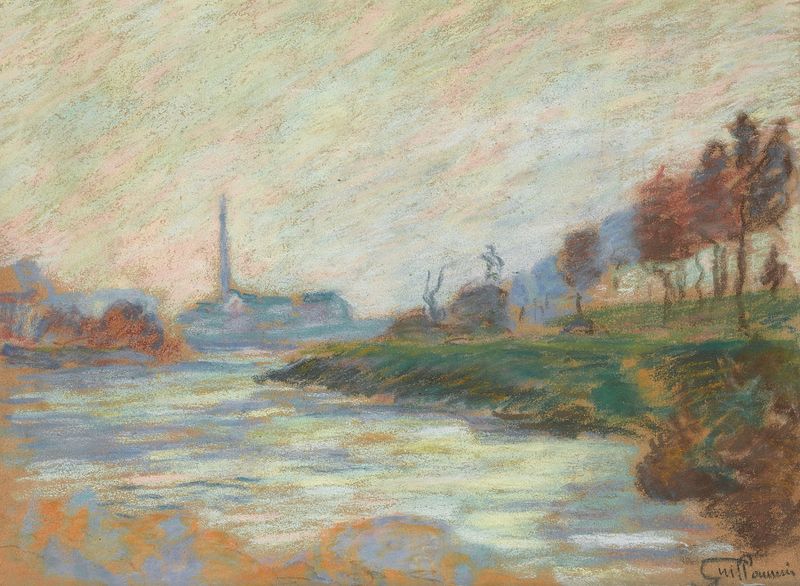
Confluent De La Marne Et De La Seine, Île De La France
Armand Guillaumin

Le Ravin de la folie, vue de Chateau Crozant
Armand Guillaumin
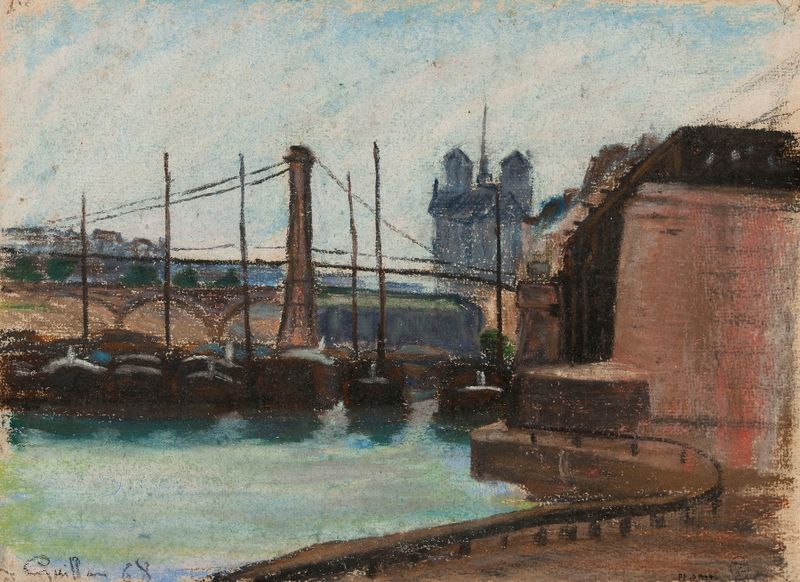
Le Pont d’Austerlitz
Armand Guillaumin

Paysage de Printemps
Armand Guillaumin
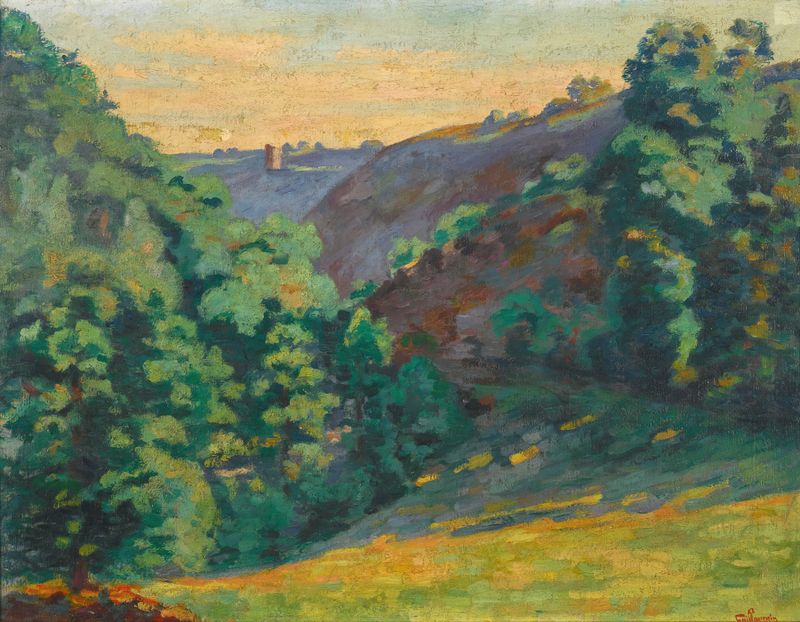
Crozant, Le Ravin De La Sedelle À La Folie
Armand Guillaumin
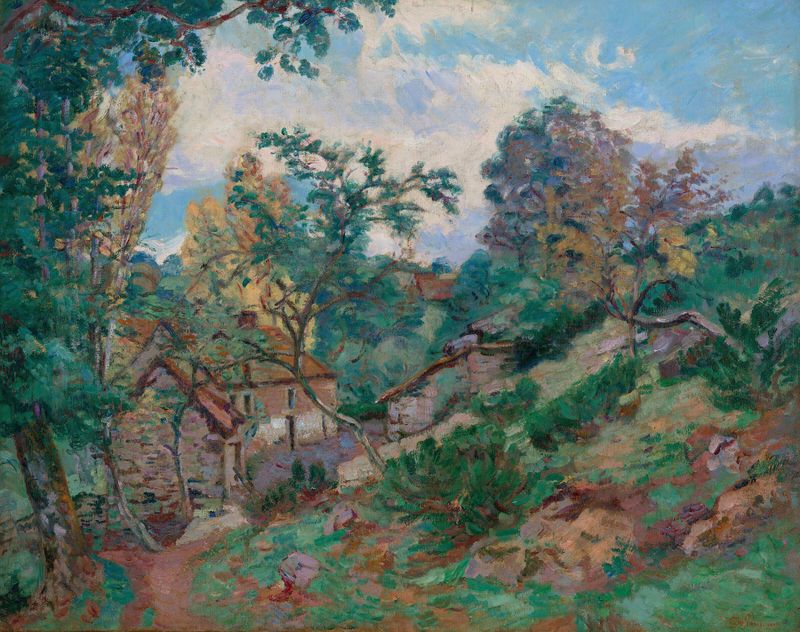
Paysage
Armand Guillaumin

La vallée de la creuse
Armand Guillaumin

L’Eglise Saint-Sulpice, Paris
Armand Guillaumin





