Landscape with a mill — History & Facts
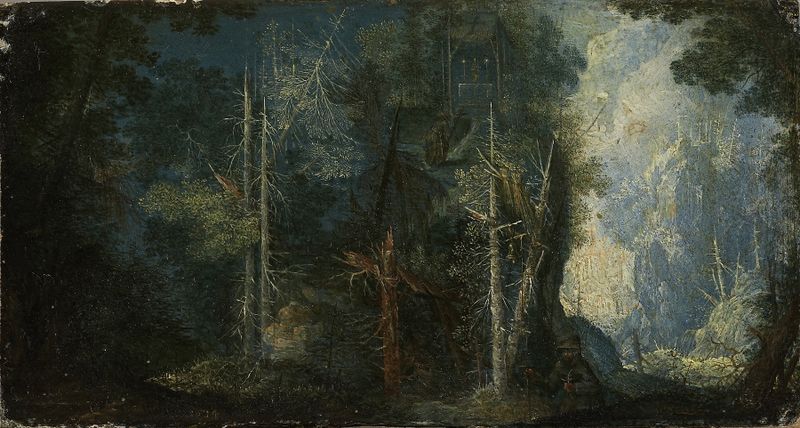
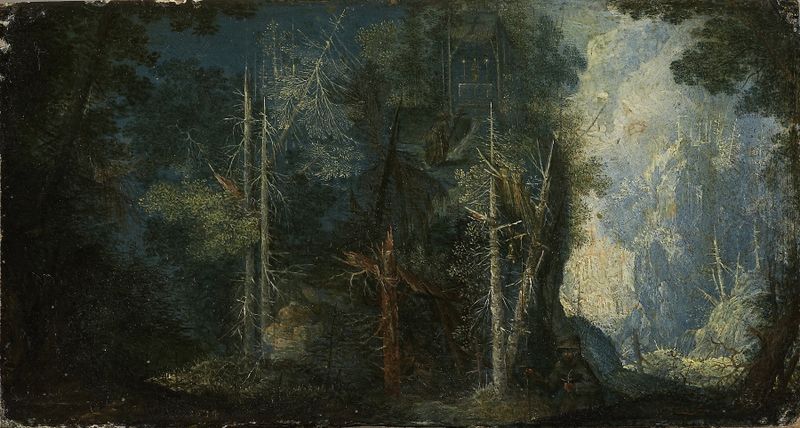
When did color learn to lie? It whispers of beauty while shrouding the inevitable decay of all things. In Landscape with a mill, the landscape shimmers with vibrancy, yet hints at the fragility of life beneath its surface. Focus first on the mill, positioned steadfastly to the left, its wooden structure bathed in warm earthy tones. The canvas invites the eye to wander through lush greenery, where dappled light dances across the foliage and reflects in the tranquil water below.
Note the way the sky transitions from soft blues to deeper shades, evoking a sense of both serenity and foreboding. The artist's brushwork vibrantly captures the scene, yet each stroke seems to echo the ephemerality of nature itself. A careful examination reveals emotional contrasts at play; the mill stands as a symbol of human industry, yet the encroaching nature around it serves as a reminder of mortality and the passage of time. The serene surface of the water reflects both the beauty of the landscape and the fleeting moments it represents.
Hidden shadows loom within the bright colors, suggesting that amid life’s picturesque moments lies an inevitable decline. Pieter Stevens painted this work between 1610 and 1615 during a time when the Dutch Golden Age was flourishing, emphasizing landscape as a genre. As he explored the interplay between nature and humanity, the world was undergoing significant change, marked by advancements and the tensions of emerging urban life. In this context, his landscape becomes not just a depiction of beauty but a profound meditation on existence itself.