
Landscape with a River and Cattle Watering — History & Facts
In a world where time flows unceasingly, the passage of moments can often feel indistinct. Yet in the hands of a master, the essence of fleeting time is beautifully captured. Look to the horizon, where the gentle undulation of the landscape meets the soft, pastel sky. The river flows through the center, its surface reflecting the hues of daybreak, while clusters of cattle gather at its banks, their presence grounding the scene.
Notice how the artist employs a vibrant palette of greens and blues, infusing life into the foliage and the water, while warm earth tones anchor the animals in their serene activity. The composition leads the viewer's eye along the river's curve, creating a sense of both movement and stillness. In this work, a profound tension emerges between the tranquil beauty of nature and the fleeting urgency of time. The cattle, steeped in their daily ritual, unknowingly symbolize the cyclical nature of life, while the river’s steady flow whispers the inevitability of change.
Each brushstroke is a testament to the artist's meditation on temporality, inviting viewers to consider their own moments—the calm and chaos that shape existence. Ferdinand Katona painted Landscape with a River and Cattle Watering in 1900, during a period when the art world was embracing Impressionism and moving towards modernism. Living in Hungary, Katona found inspiration in the local landscapes, reflecting the changing dynamics of society and environmental awareness. This painting stands as a serene testament to nature's timeless rhythm amidst the evolving world around him.
More Artworks by Ferdinand Katona
Browse all →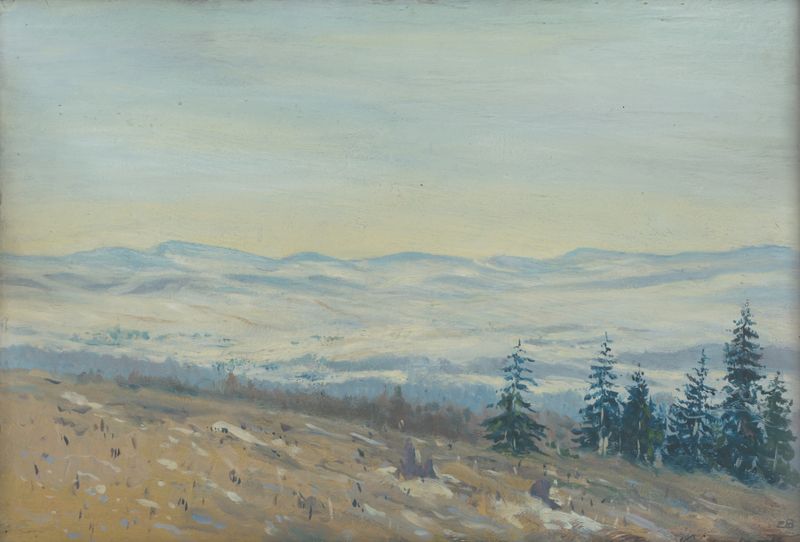
High Tatras
Ferdinand Katona
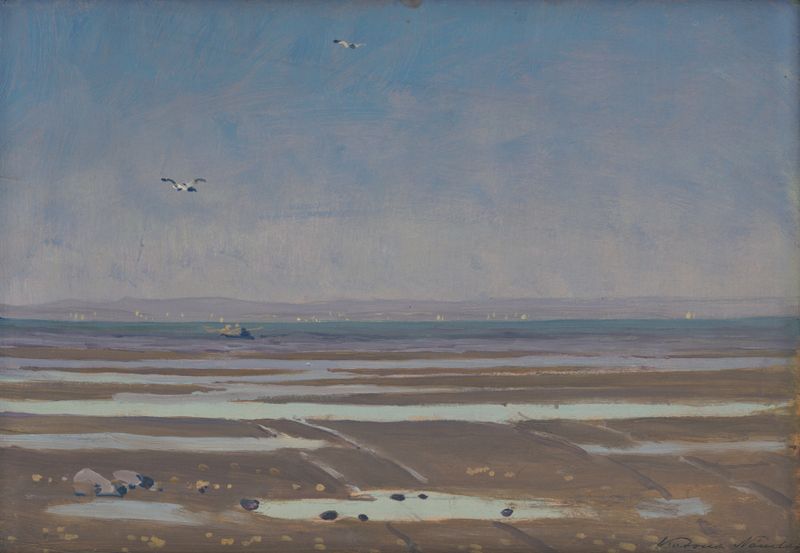
Early spring
Ferdinand Katona
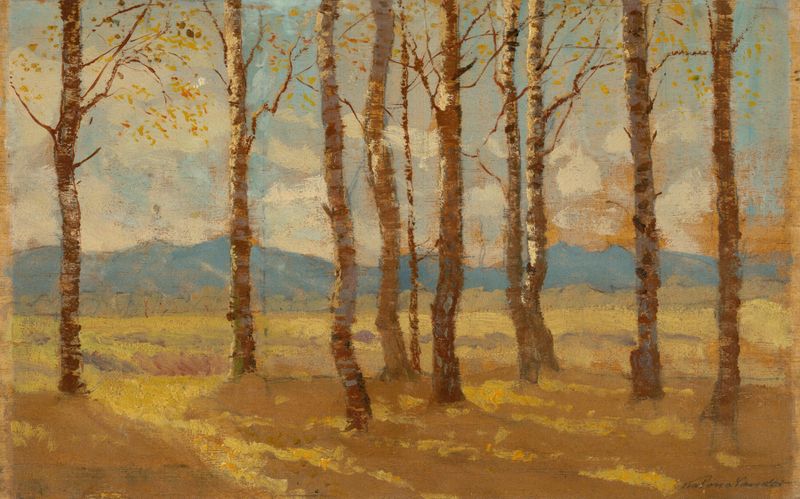
Birches in Autumn
Ferdinand Katona
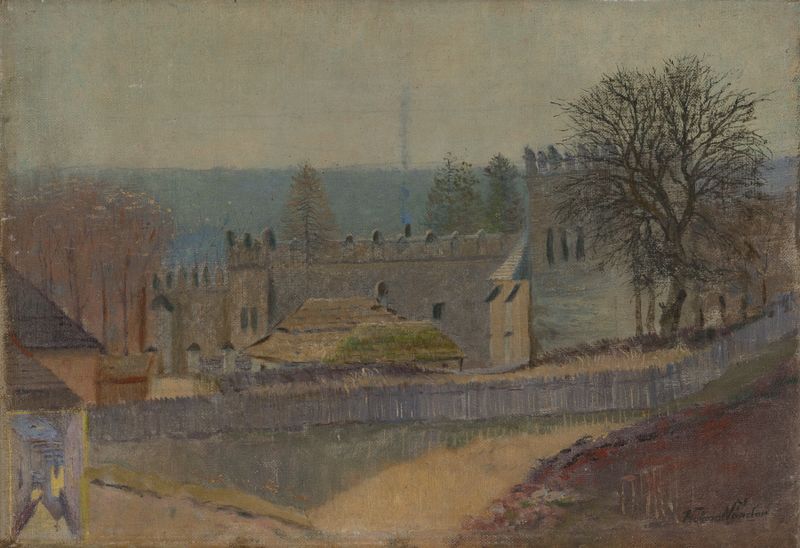
View of Strážky
Ferdinand Katona
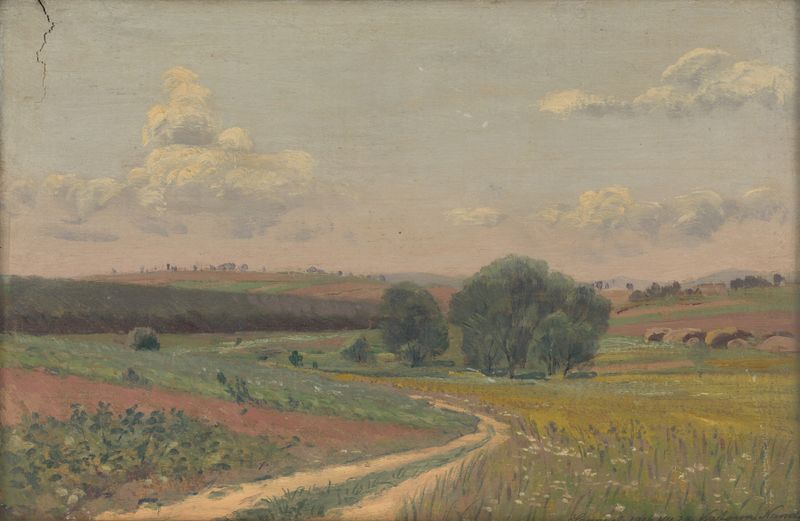
Landscape with a dirt road
Ferdinand Katona
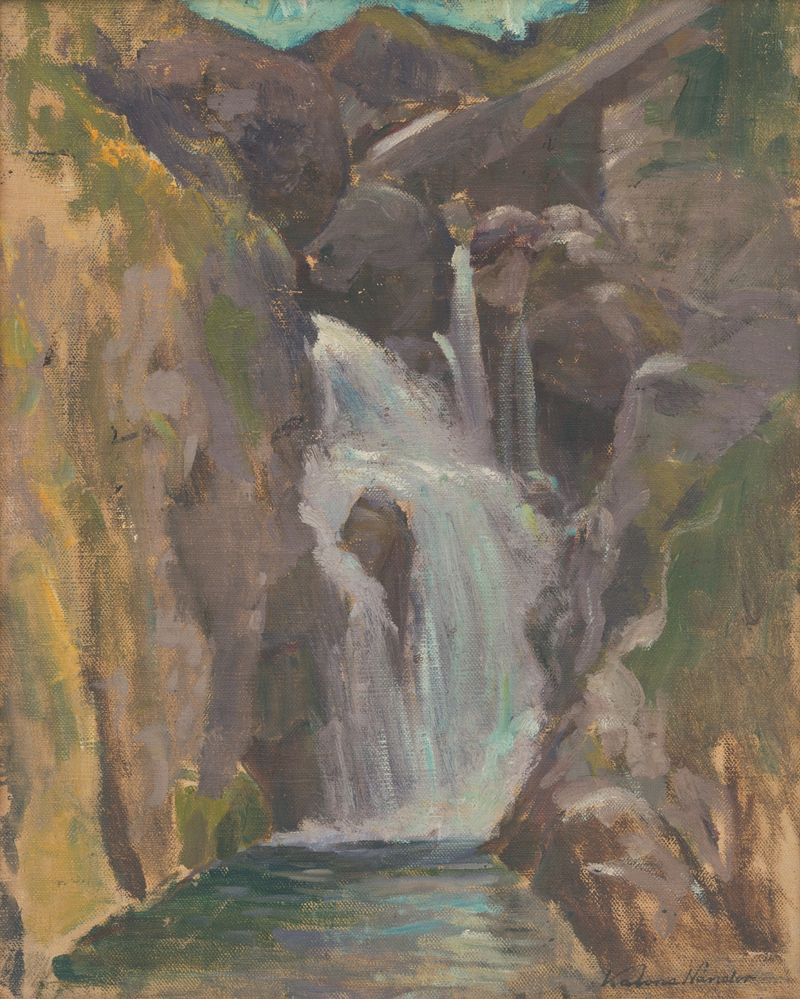
Waterfall
Ferdinand Katona
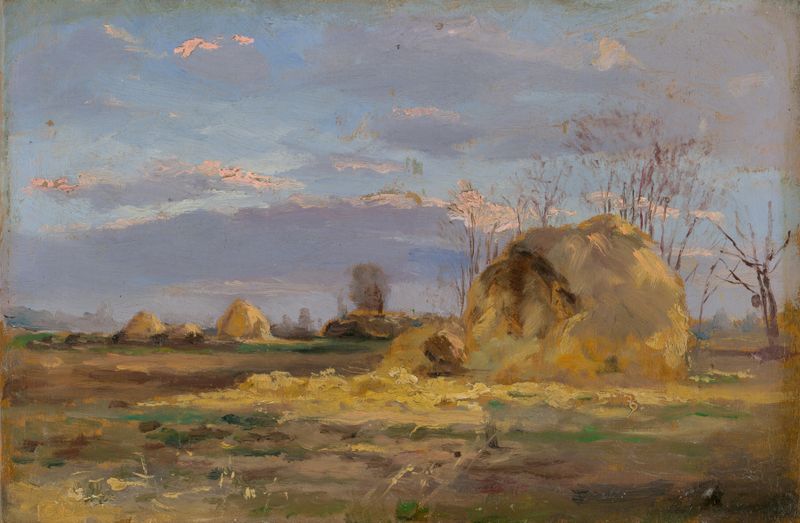
Autumn Landscape with Trees
Ferdinand Katona
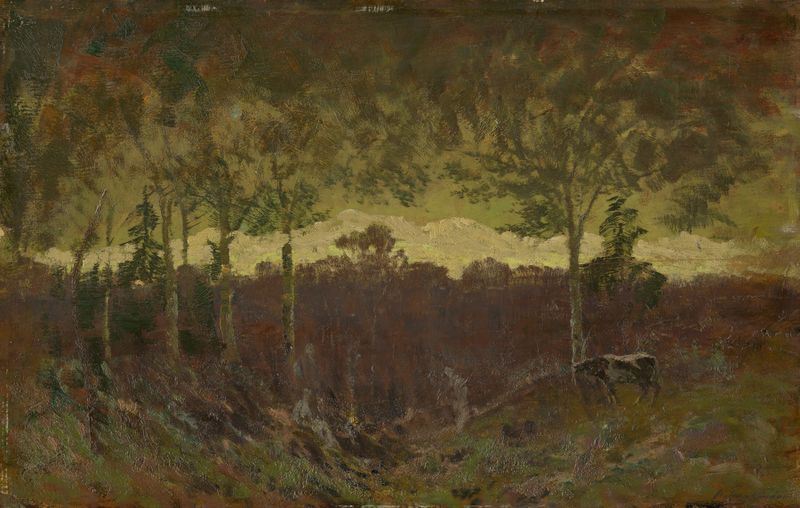
Early Evening Tatras Landscape
Ferdinand Katona
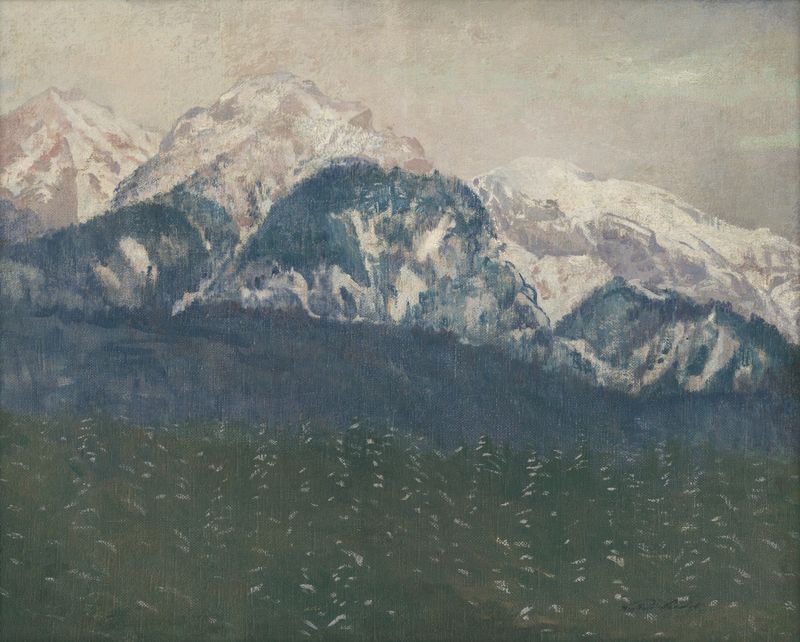
View of the High Tatras
Ferdinand Katona
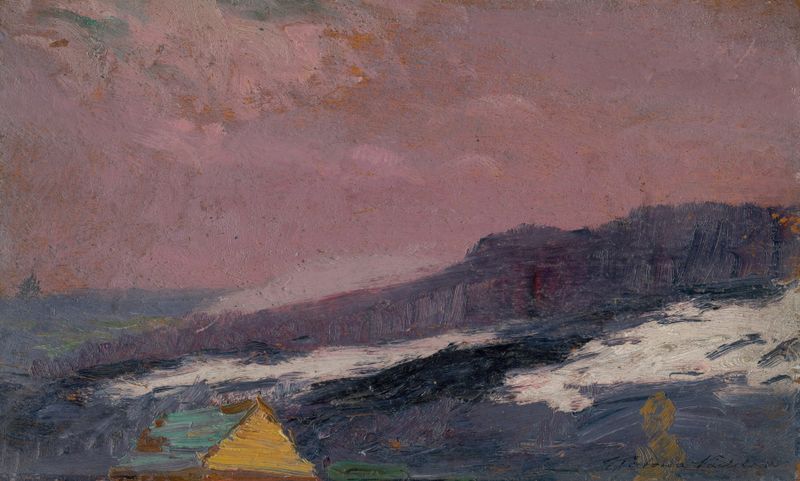
Early Spring
Ferdinand Katona





