
Landscape with a Windmill — History & Facts
In the stillness of this tranquil landscape, time stretches and bends, inviting reflection. The quiet whispers of the windmill and the gentle undulations of the hills evoke a sense of longing for what was, and what might still be. Look to the left where the windmill stands tall against the soft blue sky, its sails poised in a languid dance. The warm hues of ochre and green sweep across the canvas, seamlessly blending the natural elements in a harmonious embrace.
Notice how the painter captures the play of light on the windmill’s weathered wooden structure, lending it an air of timelessness. The edges of the landscape are defined by delicate brushwork, guiding the viewer’s gaze across the serene fields that cradle the rustic scene. Within this tranquil setting lies a poignant contrast: the industriousness of the windmill juxtaposed against the serene backdrop of nature. This visual dialogue speaks to the passage of time, where human endeavor coexists with the enduring beauty of the landscape.
The windmill, a symbol of labor and progress, sits in quiet resignation, as if acknowledging the inevitable erosion of time upon all things. Each blade of grass and each ripple in the horizon seems to echo life’s transience, inviting us to ponder our own place within it. In 1875, the artist worked in a Europe teetering on the brink of modernity. During a period of significant social and technological change, the painter sought solace in nature's embrace.
His works reflect a transitional moment in art, balancing realism with romantic ideals. This piece captures not only the beauty of the landscape but also an introspective meditation on the passage of time, firmly grounding it in a world shifting rapidly around him.
More Artworks by Heinrich-Ludwig von Gleichen-Russworm
Browse all →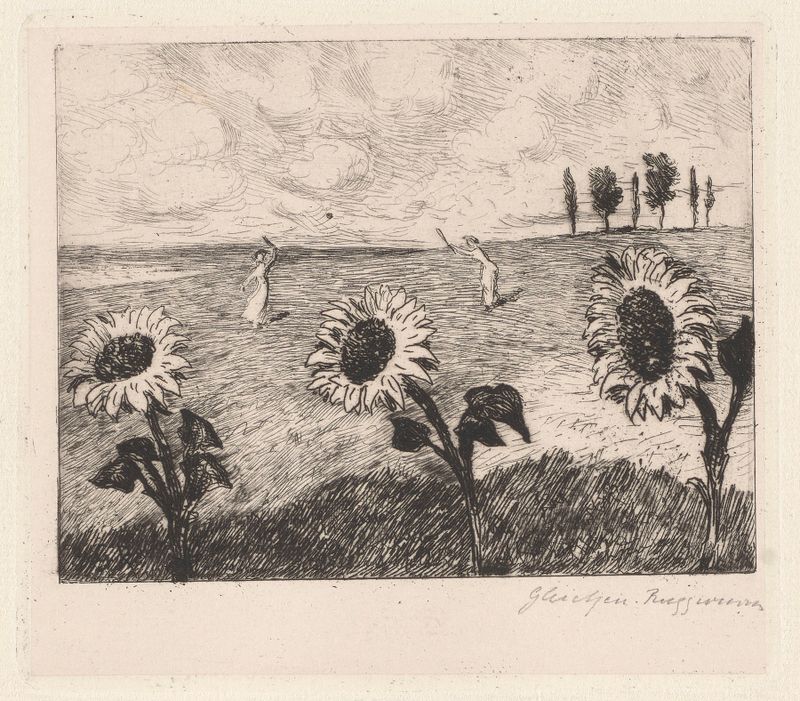
Landscape with Sunflowers
Heinrich-Ludwig von Gleichen-Russworm

Landscape with a Shepherd Seen from the Back
Heinrich-Ludwig von Gleichen-Russworm
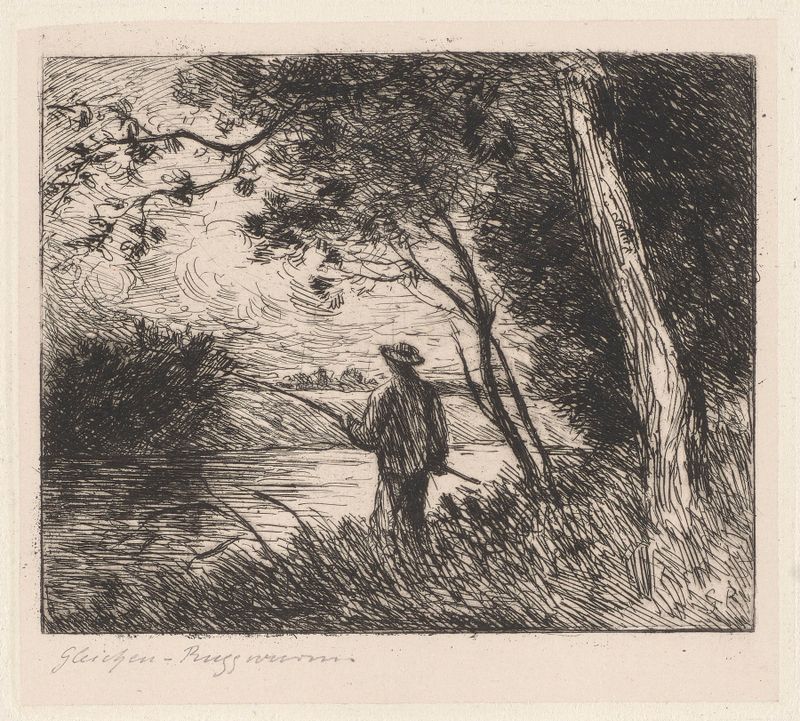
Landscape with an Angler
Heinrich-Ludwig von Gleichen-Russworm
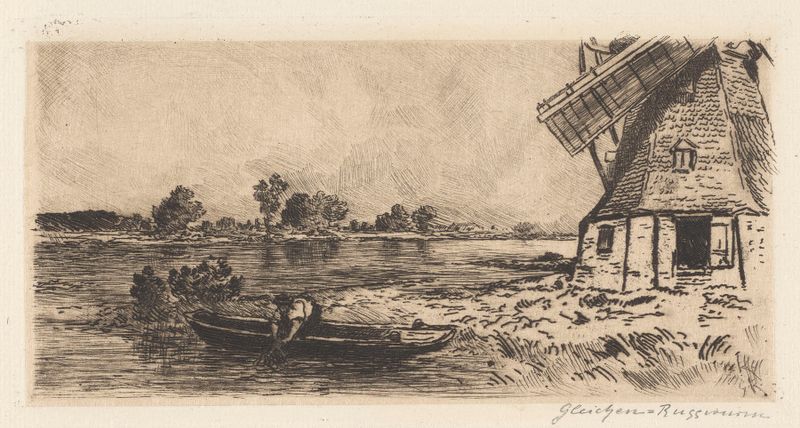
Landscape with an Angler
Heinrich-Ludwig von Gleichen-Russworm
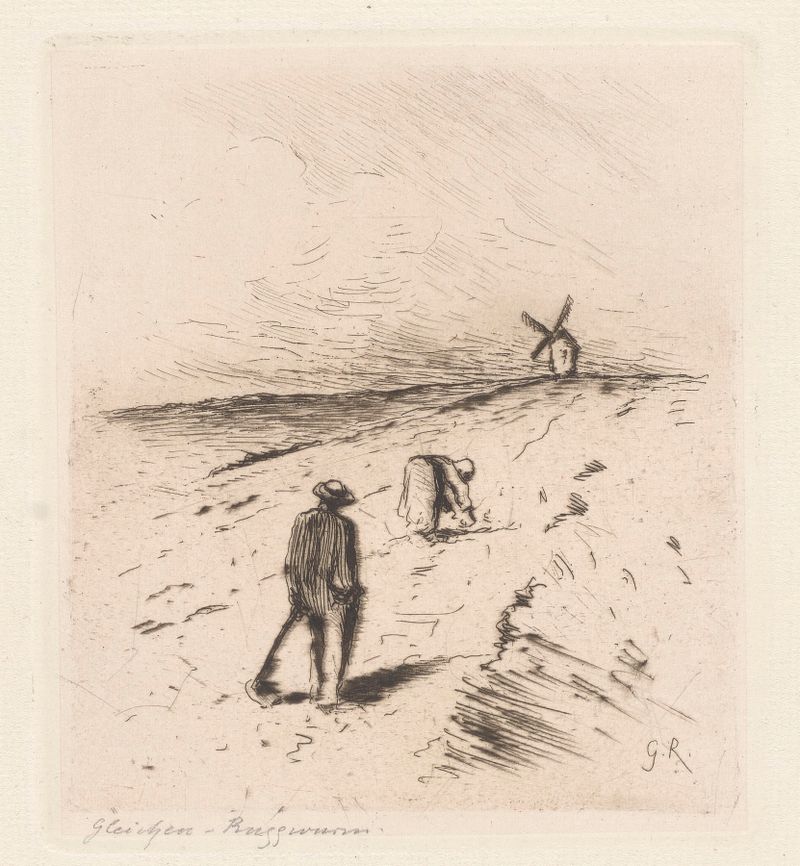
Landscape with a Windmill
Heinrich-Ludwig von Gleichen-Russworm

Women in the forest carrying brushwood
Heinrich-Ludwig von Gleichen-Russworm
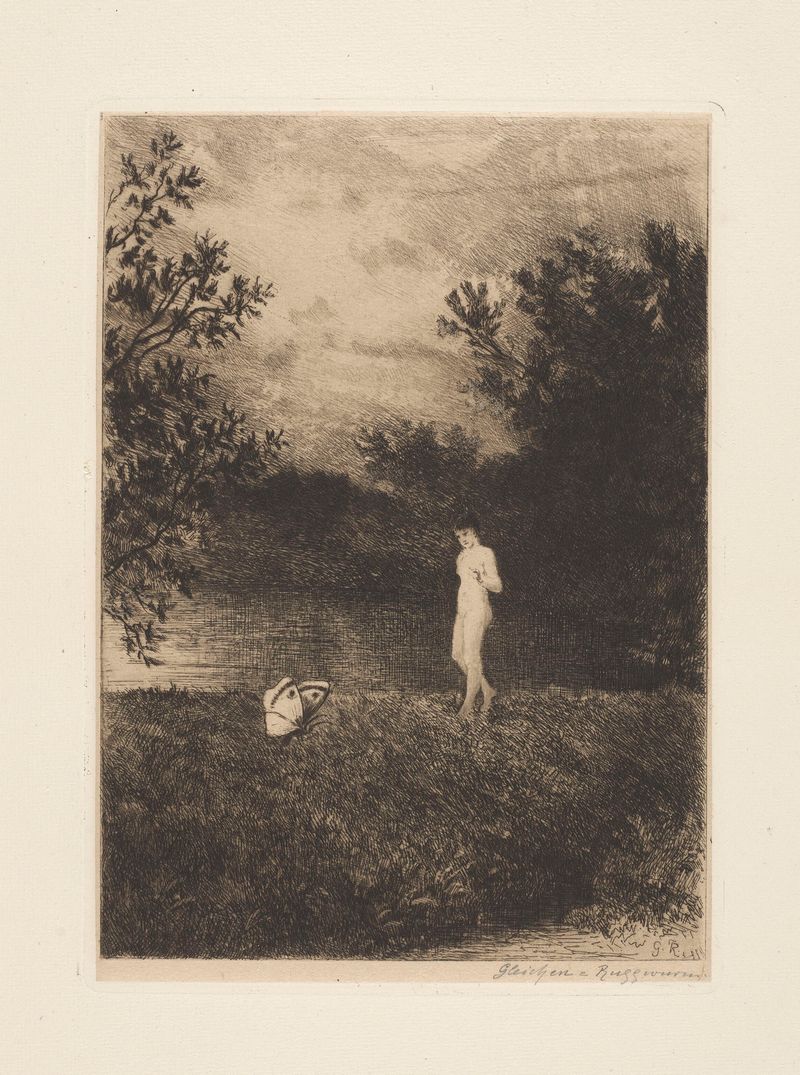
Fantastical Landscape with a Girl and a Butterfly
Heinrich-Ludwig von Gleichen-Russworm

City Landscape with a Horse Cab
Heinrich-Ludwig von Gleichen-Russworm

Landscape with Sailing Ships
Heinrich-Ludwig von Gleichen-Russworm
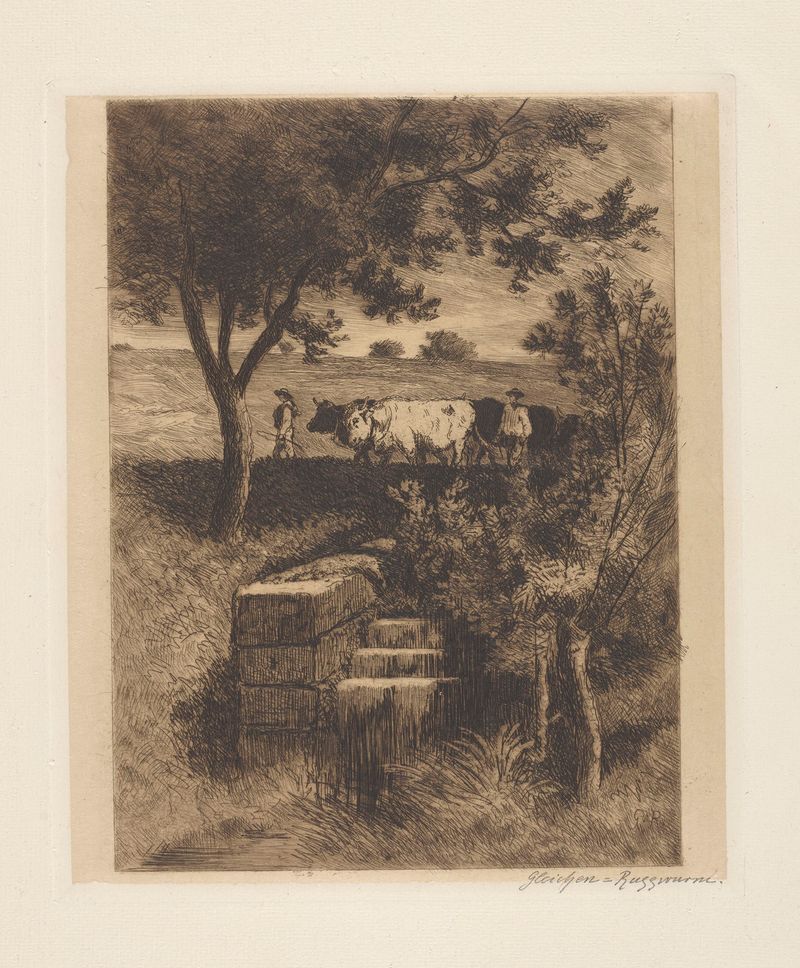
Landscape with Shepherds Leading the Herd
Heinrich-Ludwig von Gleichen-Russworm





