Landscape With A Windmill — History & Facts
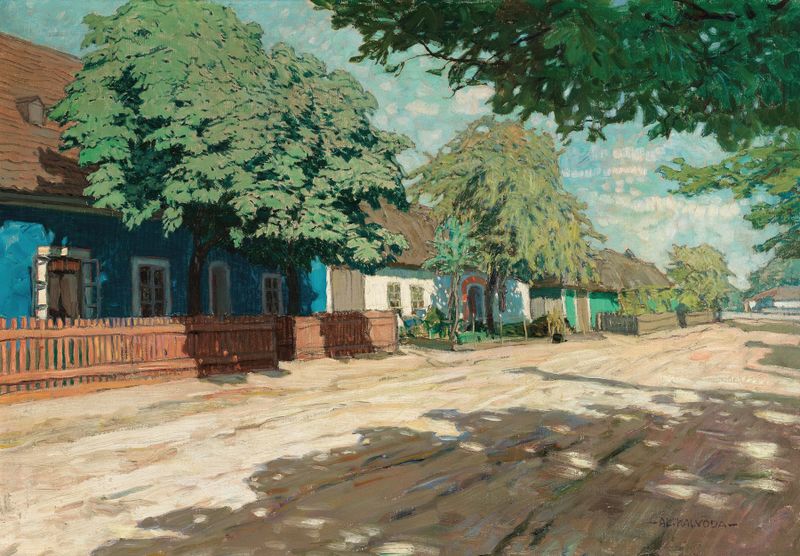
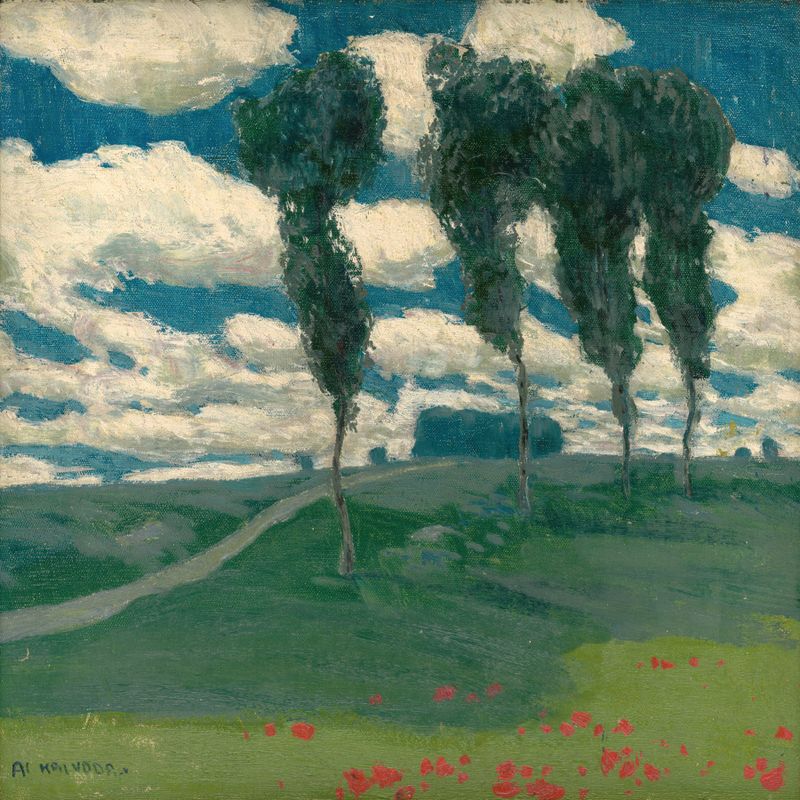
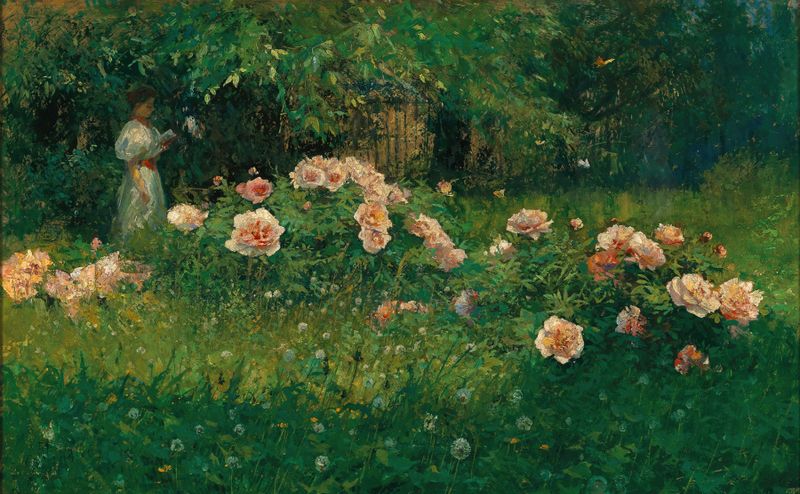
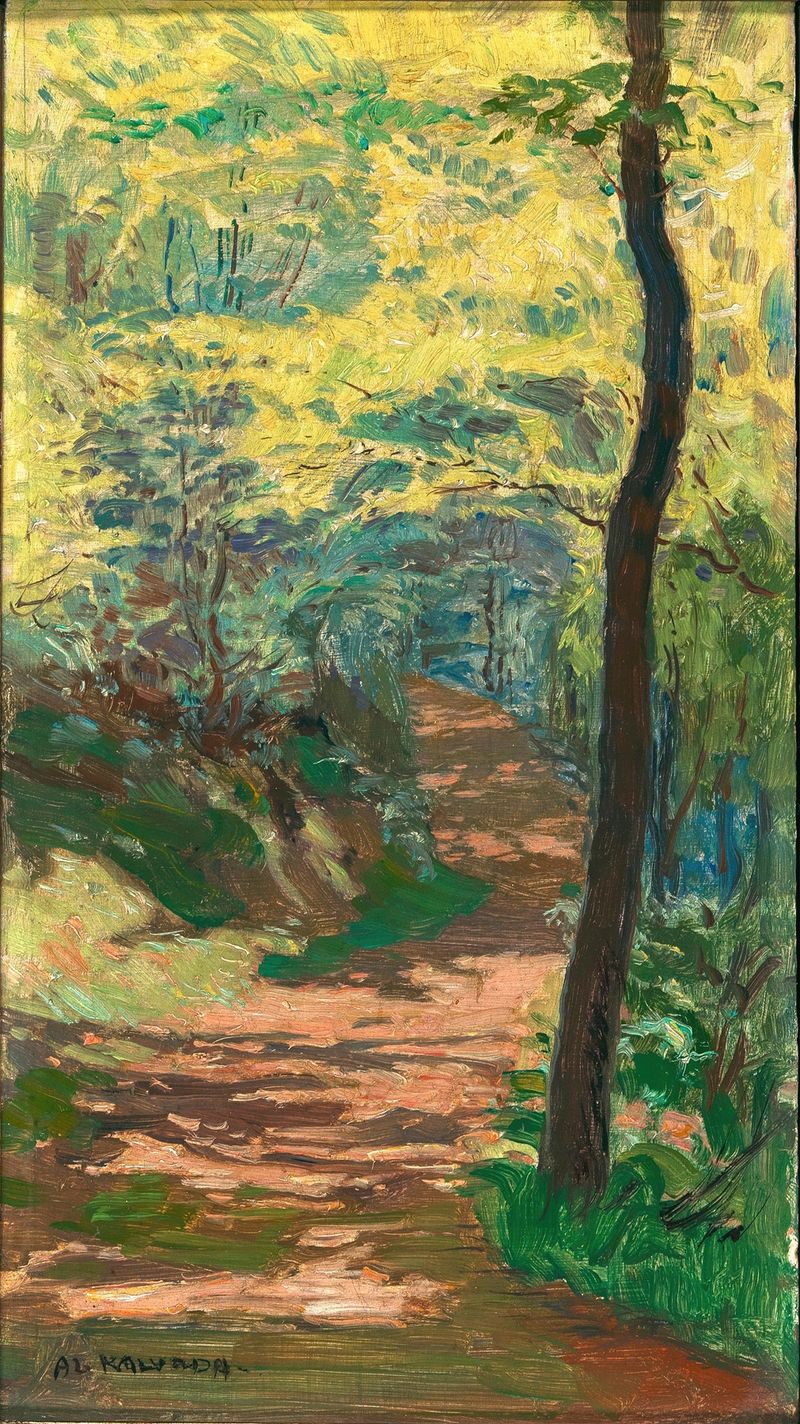
What if silence could speak through light? In Landscape With A Windmill, the stillness of the countryside invites us to listen to the whispers of nature, where innocence lies within the gentle sway of grass and the soft rotation of a windmill's blades. Look to the foreground, where the lush greens of the fields stretch toward the horizon. Notice how the sun bathes the landscape in a warm, golden hue, creating a sense of serenity. The windmill, poised elegantly against a serene sky, draws the eye with its simple yet striking silhouette, framed by wispy clouds.
Kalvoda's brushwork reveals textures that breathe life into this pastoral scene, while the delicate color palette evokes feelings of nostalgia and peace. Beneath the idyllic surface, the painting captures a fleeting moment of time, emphasizing the contrast between human craftsmanship and the vastness of nature. The windmill, a symbol of innocence and industriousness, serves as a reminder of humanity's harmonious relationship with the land. The interplay of light and shadow not only highlights the beauty of the landscape but also hints at the passage of time, suggesting that moments of tranquility are both fragile and precious. In 1900, Alois Kalvoda was immersed in a Europe grappling with rapid industrialization and change.
Painting from his studio in Bohemia, he sought to express the beauty of rural life amidst these transformations. This work reflects his desire to preserve the innocence of the natural world, reminding viewers of the simple joys that exist in harmony with human existence.