
Stoke Poges — History & Facts
Did the painter know this moment would outlive them? As twilight descends upon the landscape, a quiet melancholy envelops the scene, where time seems both suspended and eternal. Look to the left, where a lone figure stands beneath the vast expanse of a fading sky, the brushstrokes capturing the gentle yet profound embrace of dusk. The cool hues of blue and purple intermingle with the warmth of amber light, creating a captivating contrast that invites the viewer to linger. The composition draws your eye from the solitary figure towards the horizon, where soft silhouettes of trees blend into the evening mist, hinting at distant memories and shared stories now swallowed by silence. Delve deeper into the details, and you'll find layers of emotional tension woven throughout the canvas.
The figure, seemingly isolated, embodies a poignant sense of longing, while the surrounding landscape reflects both the beauty and transience of life. The interplay between light and shadow evokes a bittersweet nostalgia, where the fleeting nature of existence is mirrored in the fading day. Each brushstroke whispers tales of both solitude and connection, urging the viewer to reflect on their own experiences amidst the vastness. In 1918, Griggs was immersed in a world grappling with the aftermath of World War I, a time when the echoes of loss and longing resonated deeply in artistic expression.
As he painted Stoke Poges in England, he captured not just a physical landscape but a poignant reflection of the collective emotional landscape of a society in mourning. This work stands as a testament to his ability to translate the complexities of human experience into a hauntingly beautiful visual narrative.
More Artworks by Frederick Landseer Maur Griggs
Browse all →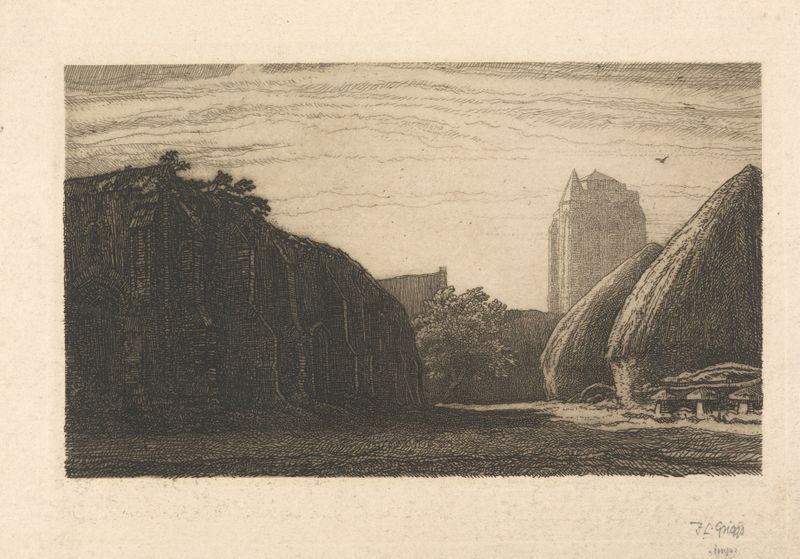
Maur’s Farm
Frederick Landseer Maur Griggs
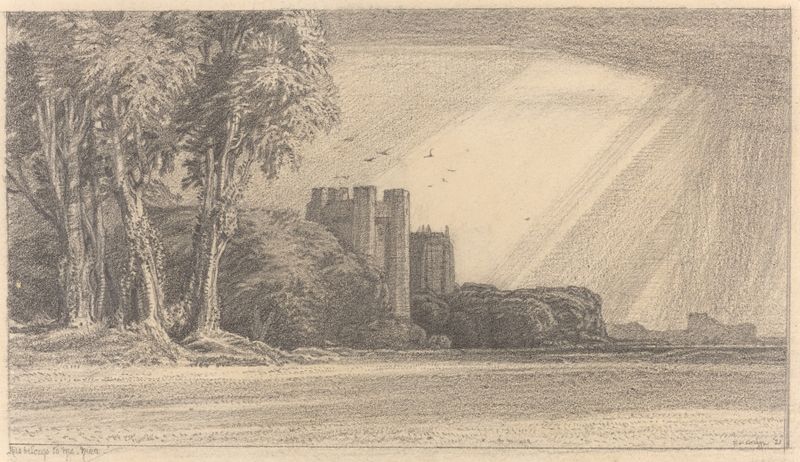
Landscape with Castle
Frederick Landseer Maur Griggs
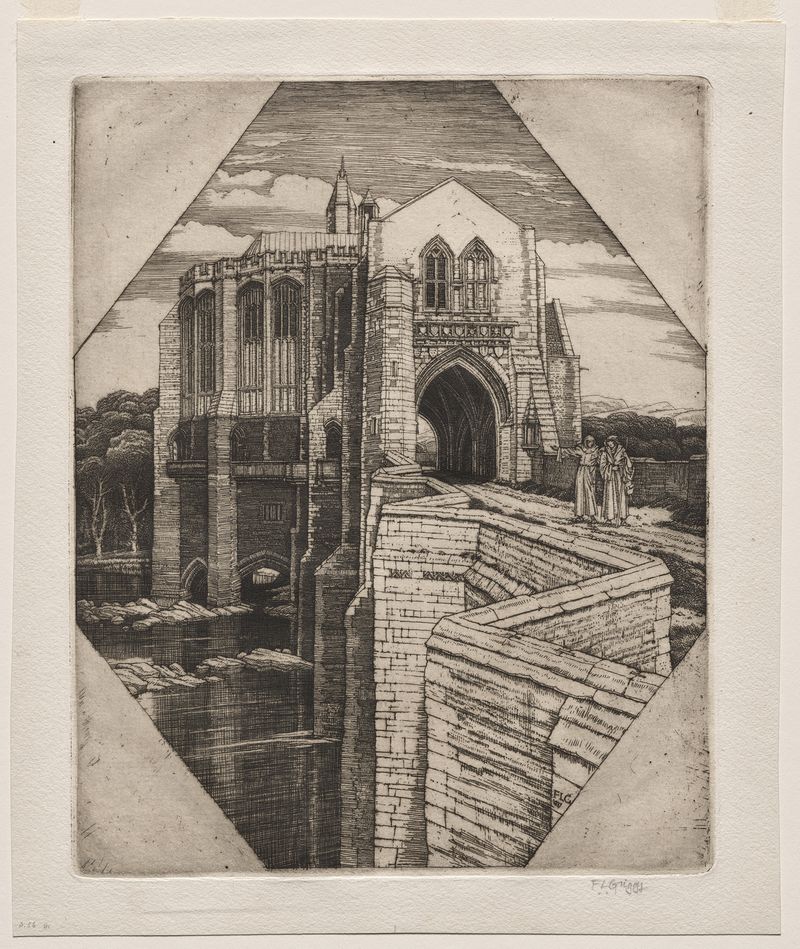
St. Botolph’s Bridge No. 2 1937
Frederick Landseer Maur Griggs
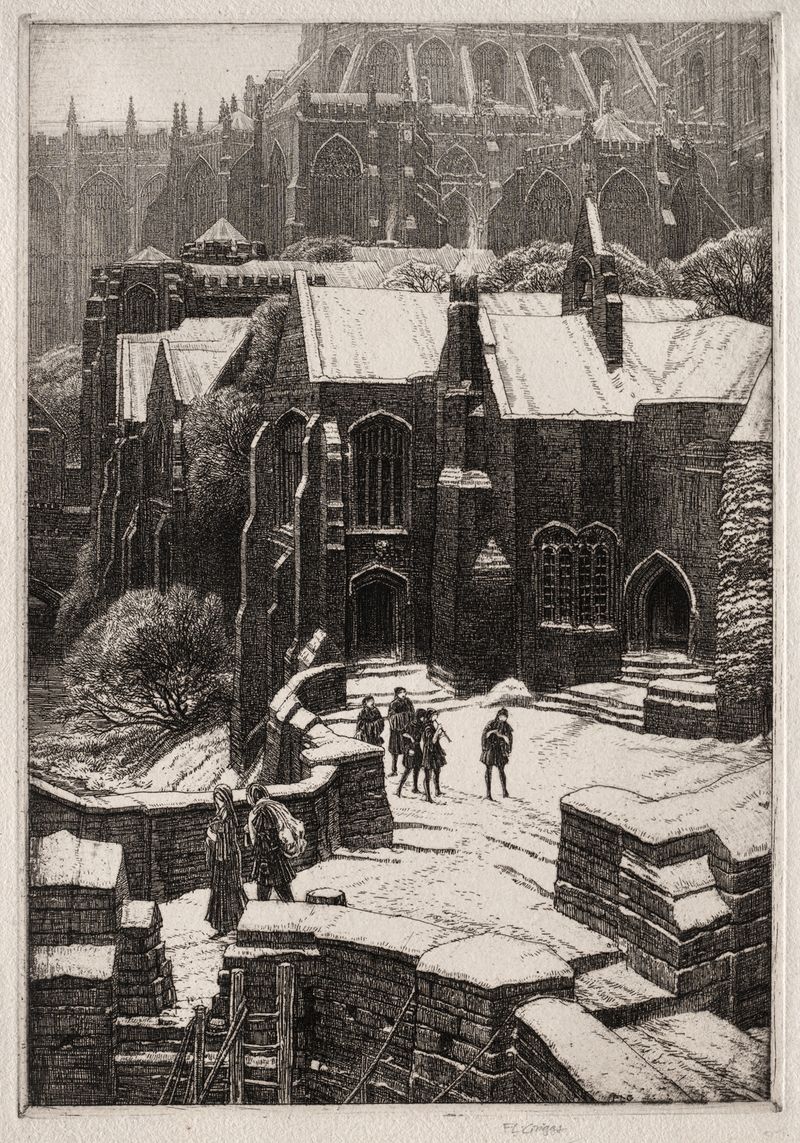
The Almonry
Frederick Landseer Maur Griggs

The Cresset
Frederick Landseer Maur Griggs
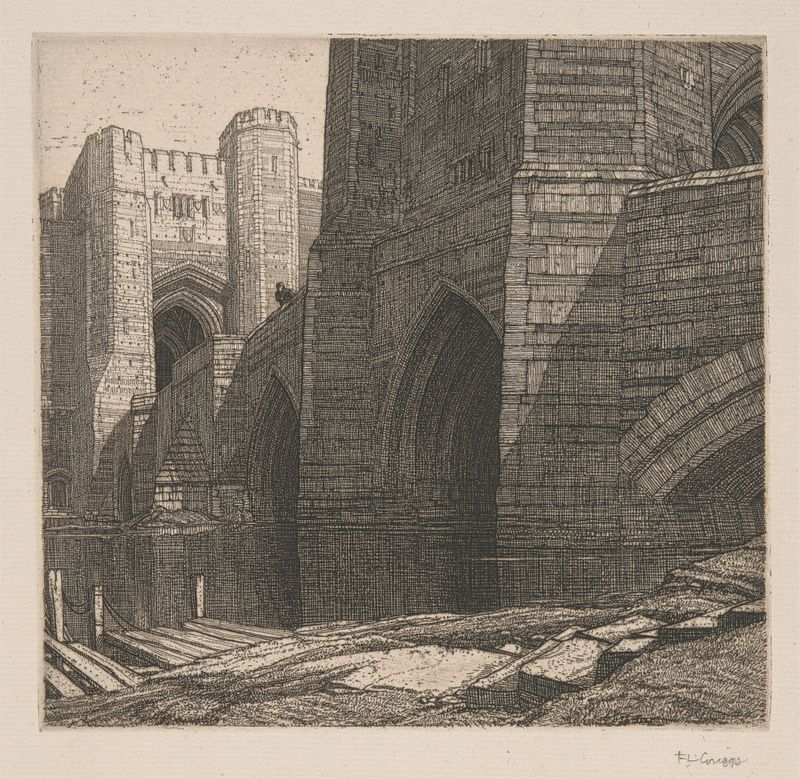
The Barbican
Frederick Landseer Maur Griggs

Maur’s Farm
Frederick Landseer Maur Griggs
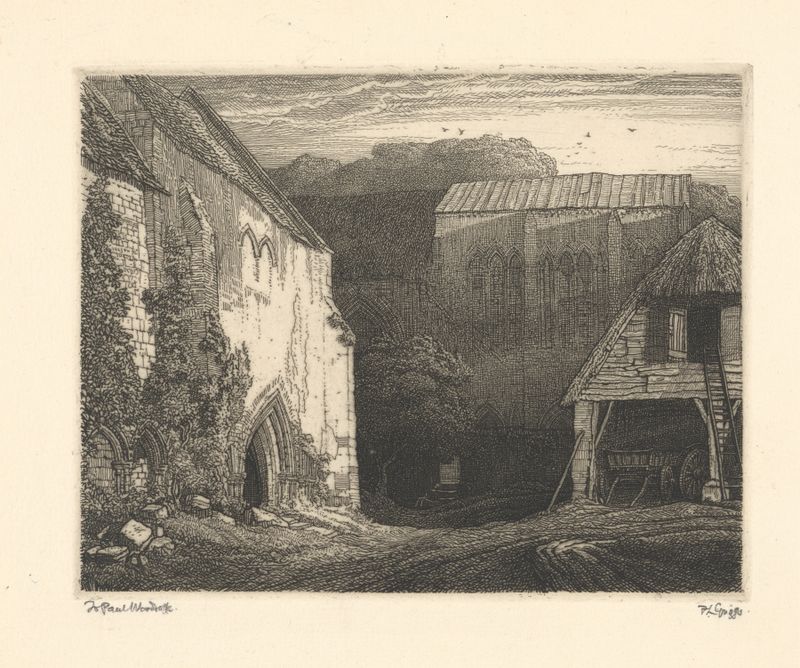
Priory Farm
Frederick Landseer Maur Griggs

St. Wendred’s March
Frederick Landseer Maur Griggs
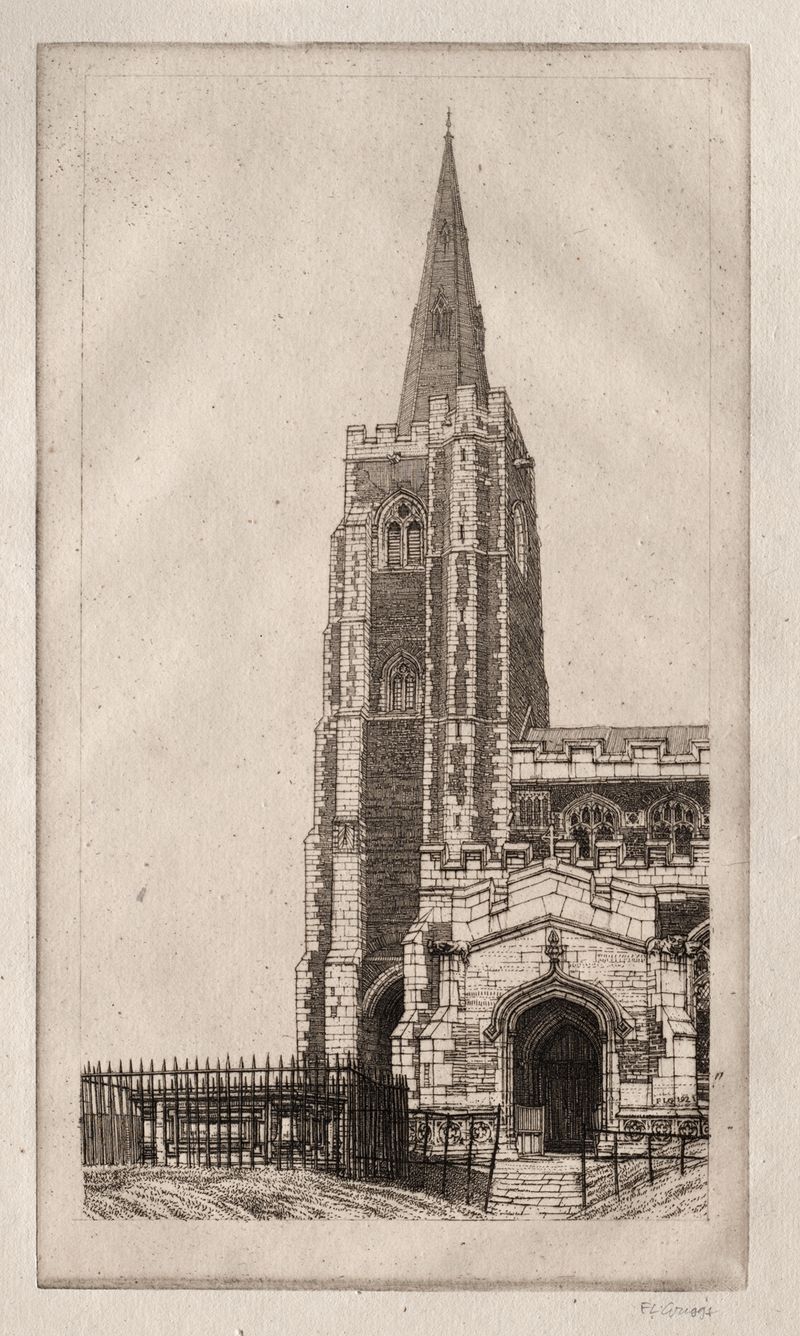
St. Wendred’s, March
Frederick Landseer Maur Griggs





