
Landscape with Goats — History & Facts
In a world often drowned by noise, the simplest moments can reveal profound divinity. Look to the left at the gentle slope of verdant hills, where soft greens unfold like whispers beneath a cerulean sky. Notice how the goats, rendered with exquisite detail, are bathed in dappled sunlight, their forms capturing the essence of pastoral tranquility. The brushstrokes are fluid yet deliberate, each stroke harmonizing with the landscape, inviting the viewer's gaze to wander across the serene composition. As you explore further, consider the symbolic weight of the goats, representing both earthly existence and spiritual pursuit.
The contrast between the vibrant landscape and the stillness conveyed through the animals evokes a tension between nature's beauty and the fleetingness of life. Each subtle hue and shadow invites introspection, asking us to reflect on the divine found within ordinary moments. Created in 1920, this piece emerged during a time of significant change for John Singer Sargent, as he navigated the shifting tides of modernism in art. Living in Europe, he witnessed the aftermath of World War I, a period marked by deep introspection and a search for meaning.
The artist's choice to depict a pastoral scene in the wake of such turmoil underscores a yearning for peace and solace, a return to simpler truths amidst chaos.
More Artworks by John Singer Sargent
Browse all →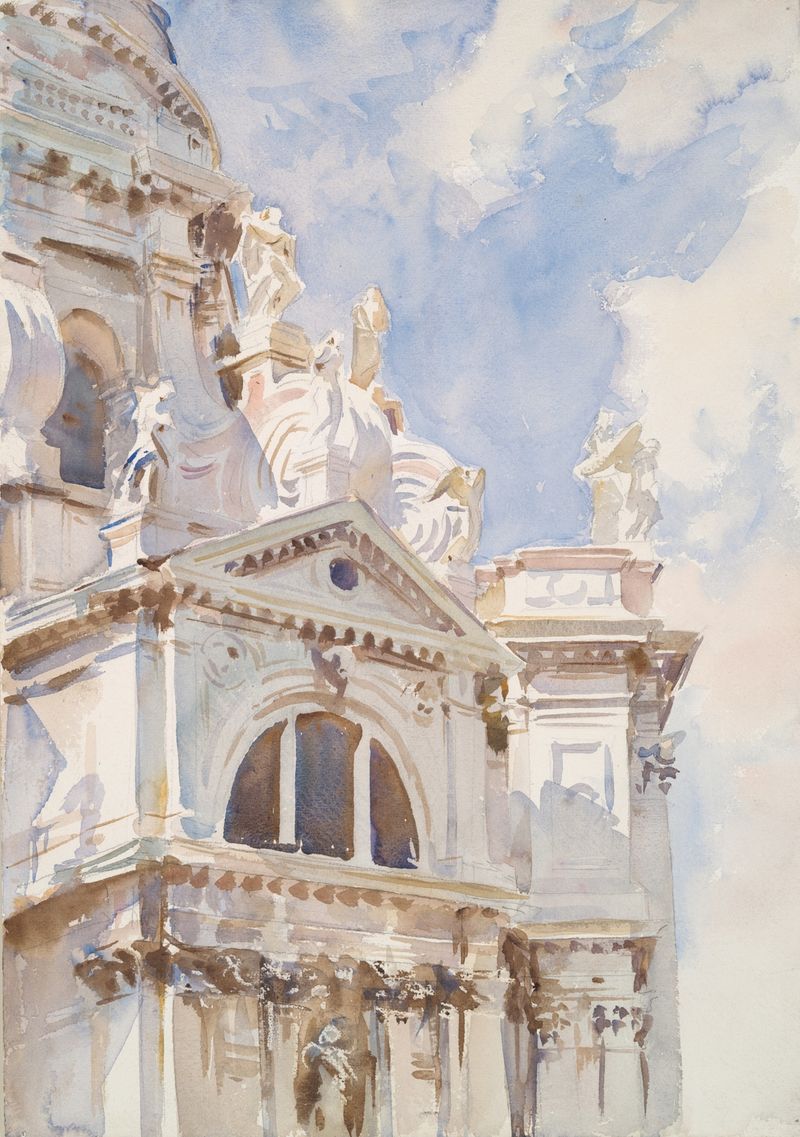
The Salute, Venice
John Singer Sargent

Mrs. Charles Deering (Marion Denison Whipple)
John Singer Sargent
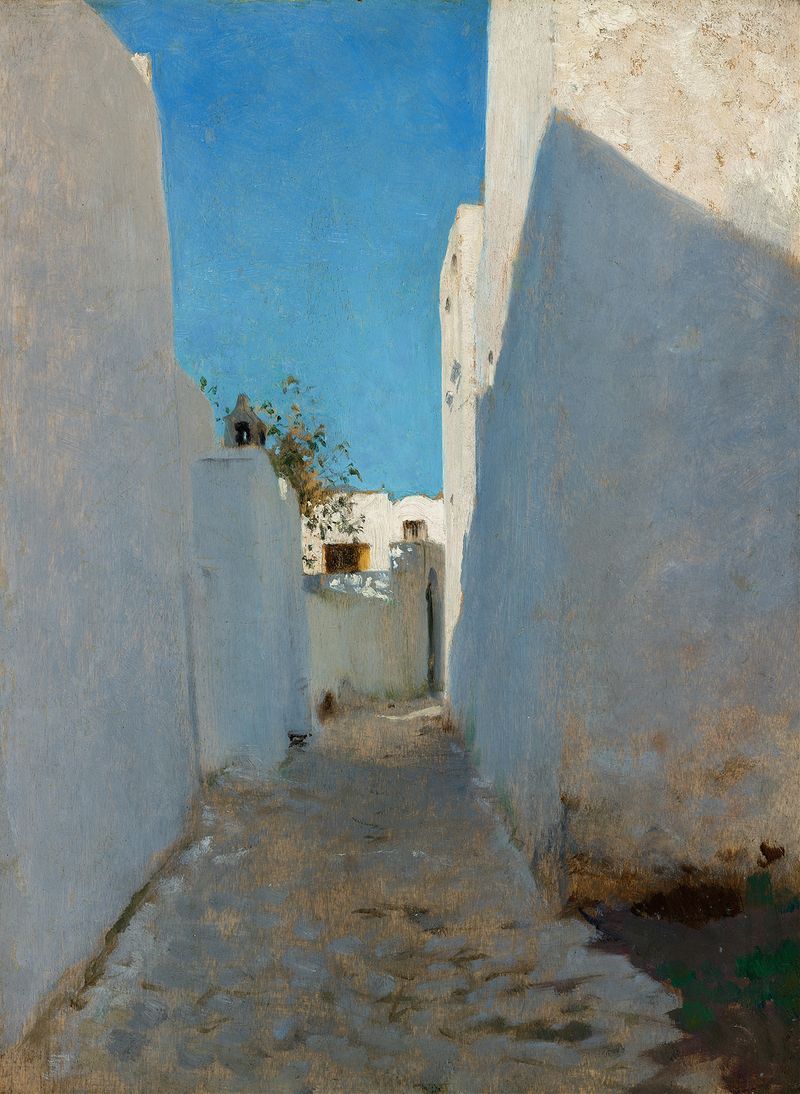
A Moroccan Street Scene
John Singer Sargent
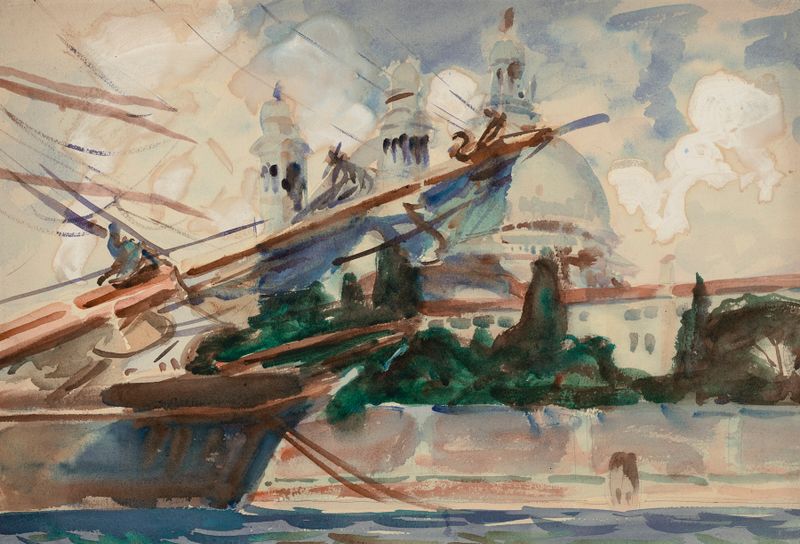
The Salute, Venice
John Singer Sargent
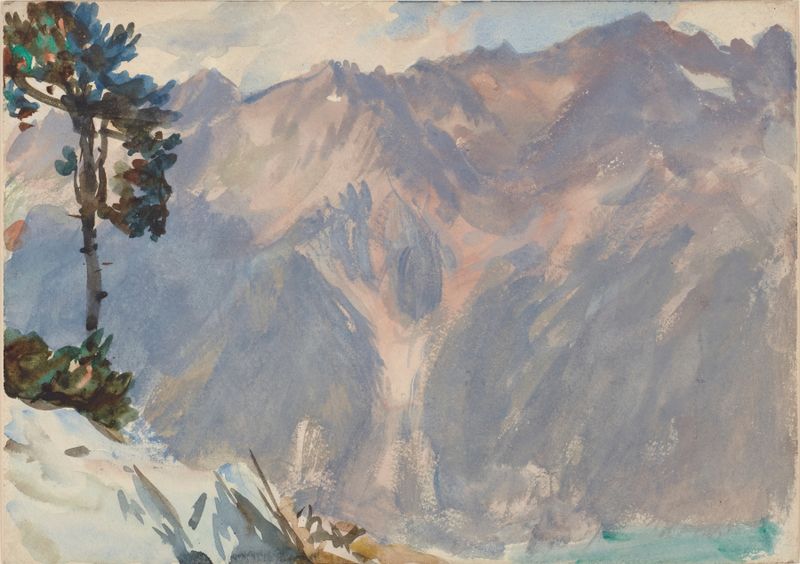
Tyrol
John Singer Sargent
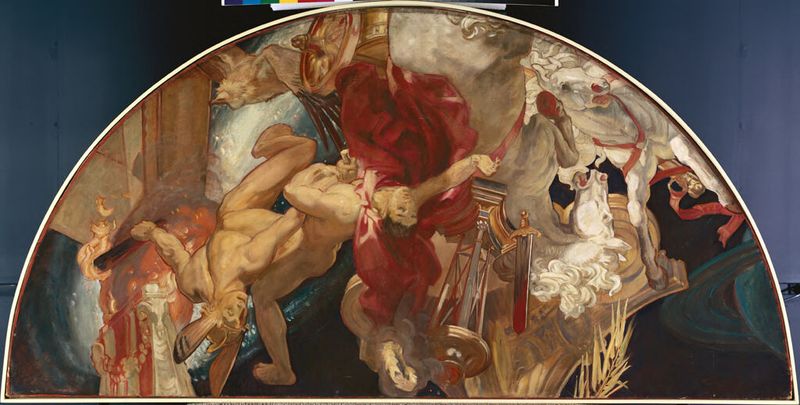
Study for "Gog and Magog," for the Boston Public Library
John Singer Sargent
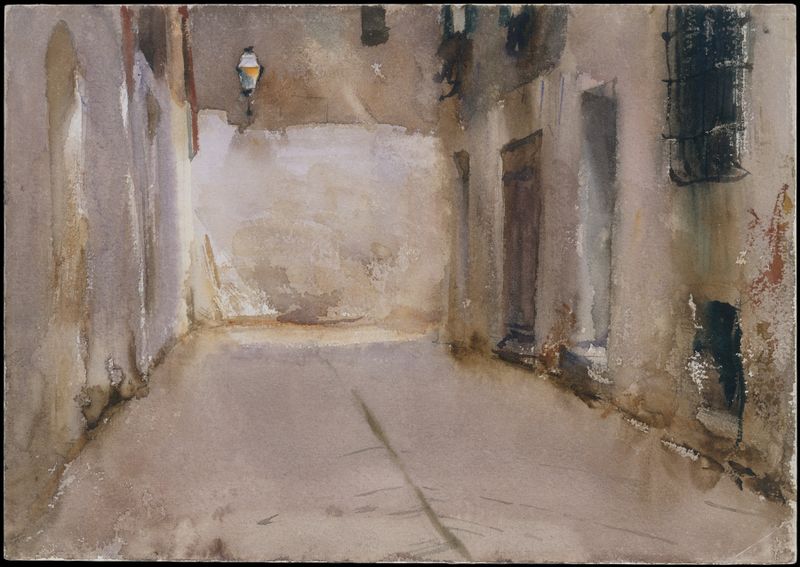
Venice
John Singer Sargent
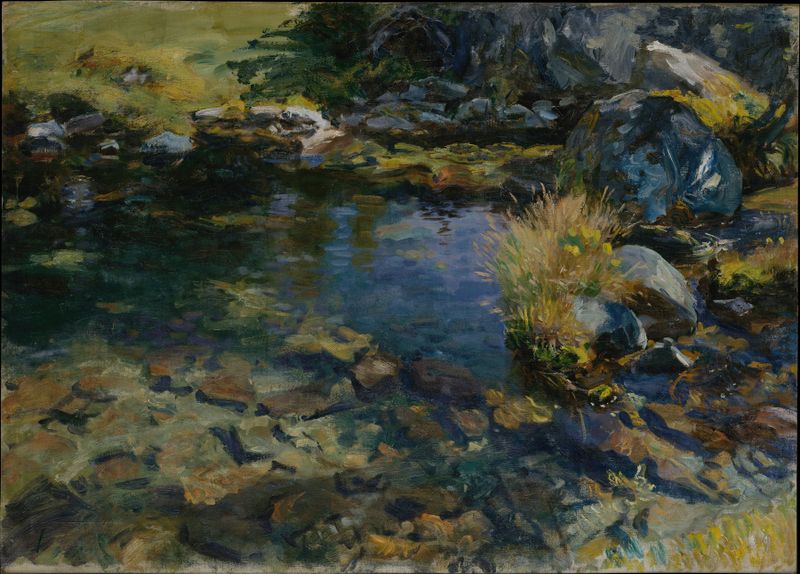
Alpine Pool
John Singer Sargent
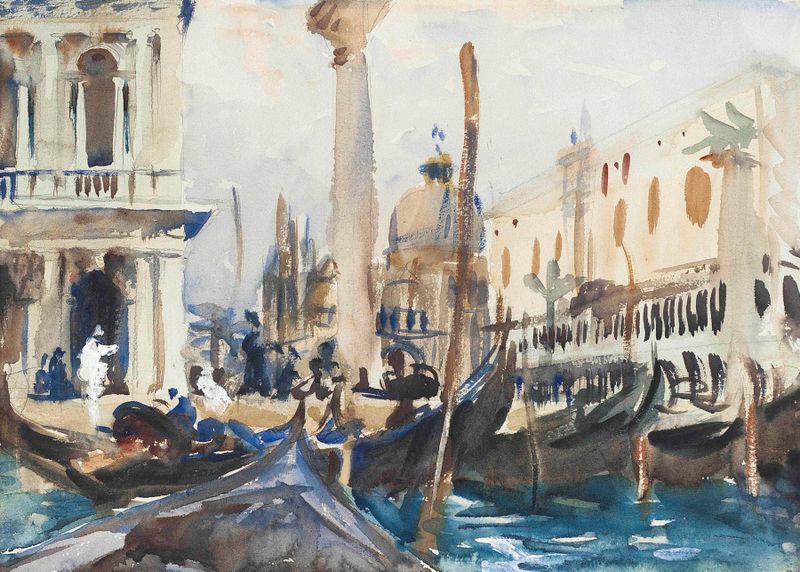
The Piazzetta with Gondolas
John Singer Sargent
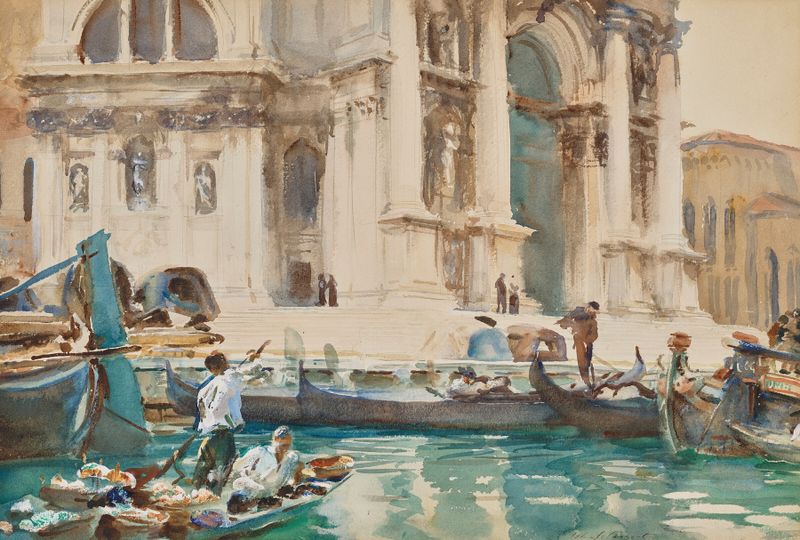
The Façade of La Salute, Venice
John Singer Sargent





