
Landscape with Hut and Draw Well — History & Facts
Did the painter know this moment would outlive them? In the stillness of Landscape with Hut and Draw Well, a quiet communion between nature and human existence unfolds, inviting us to ponder the delicate passage of time. Look to the right at the modest hut, its thatched roof blending seamlessly with the verdant hills that rise and fall in gentle undulations. The artist employs a rich palette of greens and browns, interspersed with touches of sunlight that dance upon the surface. Notice how the draw well stands sentinel, its wooden structure echoing the sturdy resolve of those who once relied on it.
Each brushstroke captures not just the scene but the very essence of rustic life, conveying movement through the subtle sway of trees and the billowing clouds overhead. Yet, beneath this tranquil surface lies a juxtaposition of permanence and transience. The well, a symbol of sustenance, stands firm against the fleeting nature of the surrounding landscape—a reminder of human resilience amid the encroaching wilderness. The horizon flirts with the unknown, suggesting an endless journey ahead, while the details of the scene—birds taking flight or the breeze rustling through the leaves—impart a sense of life that is transient yet eternal. In 1771, Ferdinand Kobell painted this piece during a period of burgeoning interest in landscape as a genre.
Working in Germany, he was influenced by the growing Romantic movement, which celebrated the emotional resonance of nature. As European society grappled with rapid changes, Kobell's longing for simpler, idyllic moments captured not only his personal vision but also echoed a collective yearning for connection with the natural world amidst the chaos of modernity.
More Artworks by Ferdinand Kobell
Browse all →
Mittelrheinische Flußlandschaft
Ferdinand Kobell

Mondscheinlandschaft mit Fischern am Lagerfeuer
Ferdinand Kobell
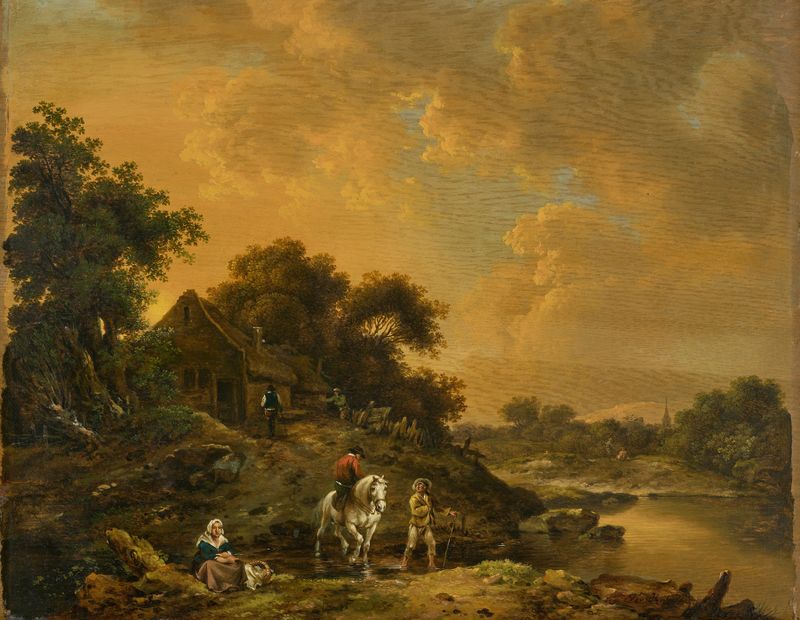
Evening Landscape
Ferdinand Kobell
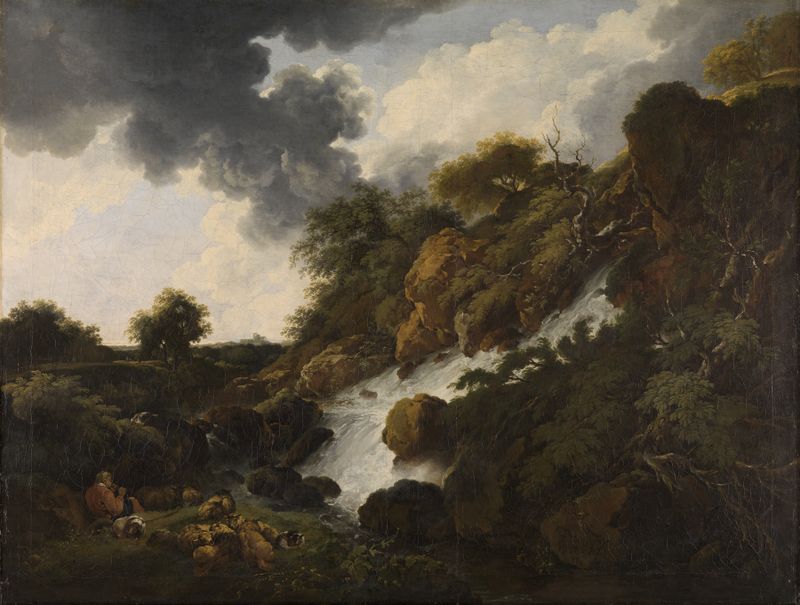
Gebirgslandschaft mit Wasserfall
Ferdinand Kobell
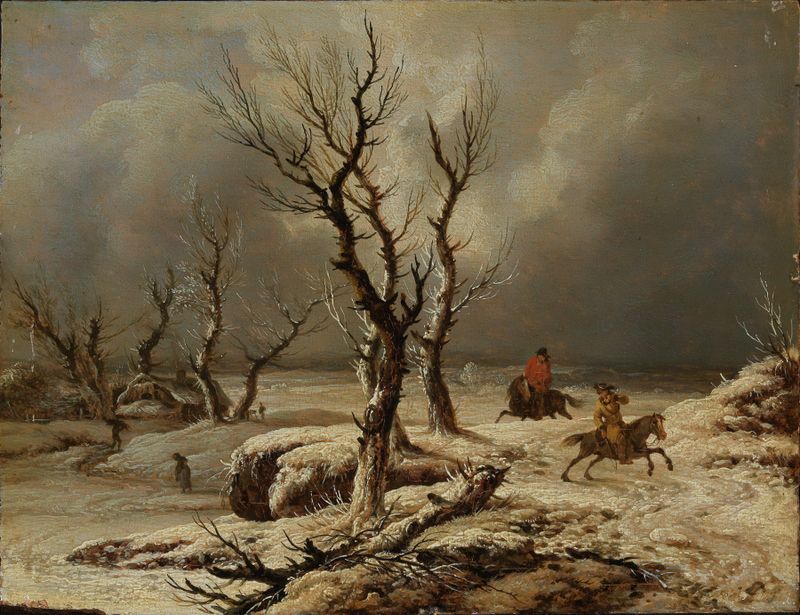
Winterlandschaft mit zwei Reitern
Ferdinand Kobell

Landscape with Travelers
Ferdinand Kobell
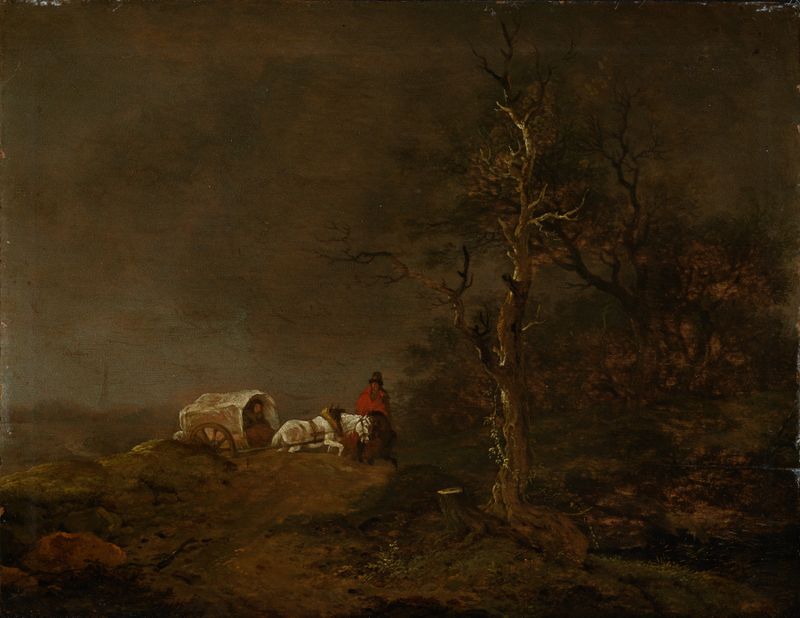
Gewitterlandschaft mit Bauernwagen
Ferdinand Kobell
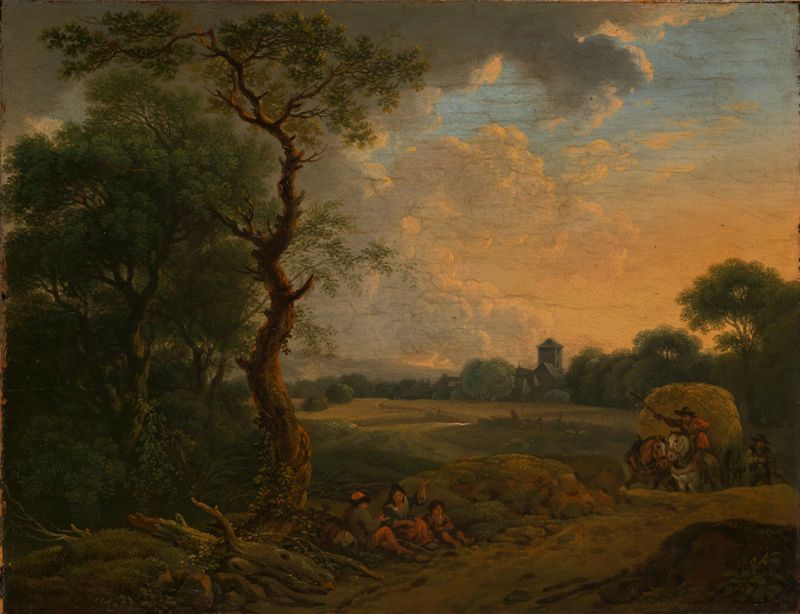
Abendlandschaft mit Heuwagen
Ferdinand Kobell
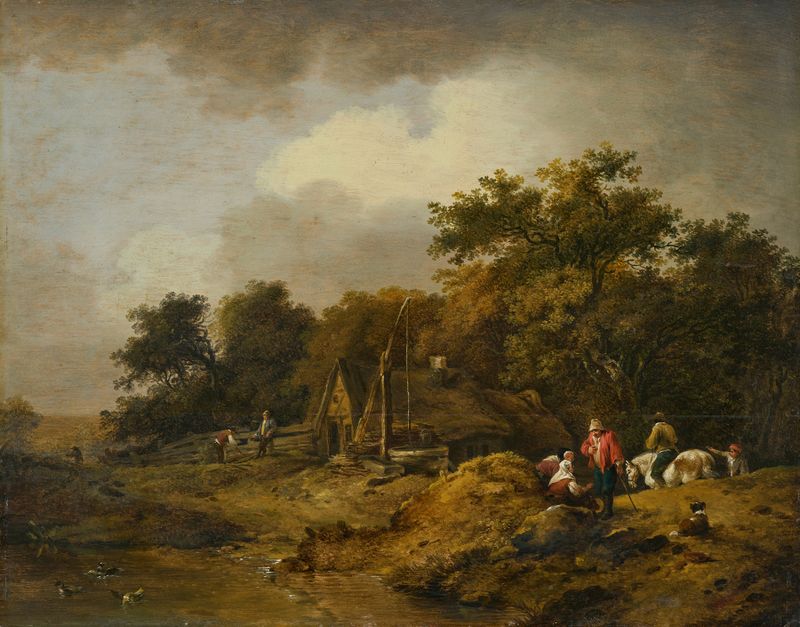
Landscape with Hut and Draw Well
Ferdinand Kobell

Burgruine mit Hirten und Herde
Ferdinand Kobell





