
Landscape with Monks, Pilgrim and Peasant Woman — History & Facts
When did color learn to lie? In the vibrant interplay of hues and forms, Landscape with Monks, Pilgrim and Peasant Woman captures the essence of desire—both spiritual and earthly. Its vivid palette draws us in, inviting contemplation of the hidden longings that swirl beneath the surface. Look to the left of the canvas, where a group of monks stands solemnly, their dark robes contrasting sharply with the lush greens and warm earth tones surrounding them. Notice how the gentle slope of the landscape leads your gaze through a winding path, suggesting a journey both physical and metaphorical.
The peasant woman, dressed in simpler clothes, occupies the foreground, her expression caught between submission and defiance. The artist’s use of light creates a soft glow on her face, enhancing the scene's emotional weight and guiding us deeper into this moment of interaction. Beneath the pastoral beauty lies a tension between the spiritual and the profane. The monks, representing a life devoted to contemplation, are juxtaposed against the woman who embodies the earthly struggles of daily life.
The pilgrim, positioned slightly behind, serves as a bridge between these worlds, hinting at the universal quest for meaning. The delicate balance of their gestures and gazes suggests an unspoken dialogue, yearning for connection in a landscape that feels both intimate and vast. During the years 1690 to 1740, Peruzzini created this work amidst a vibrant cultural shift in Italy. The Baroque style was waning, giving way to the emerging Rococo, which emphasized lighter themes and intricate details.
Peruzzini’s exploration of desire and the human condition reflects not only personal artistic evolution but also the broader societal changes of his time, as the world began to embrace a more nuanced understanding of emotion and experience.
More Artworks by Antonio Francesco Peruzzini
Browse all →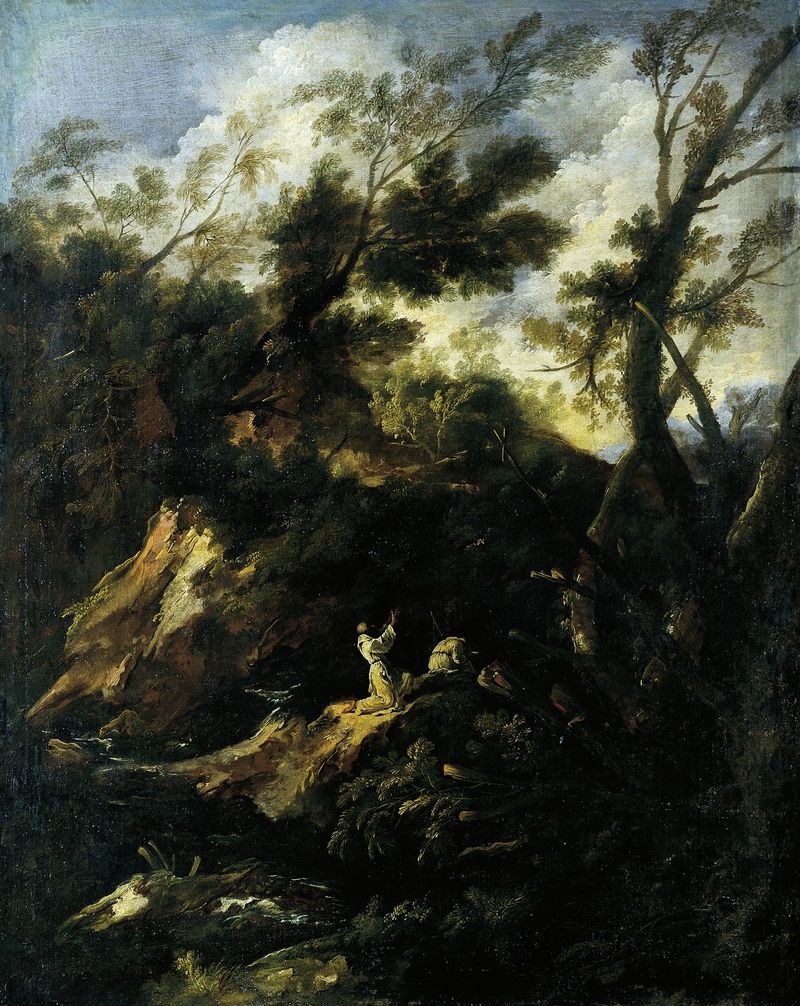
Landscape with Two Praying Monks
Antonio Francesco Peruzzini
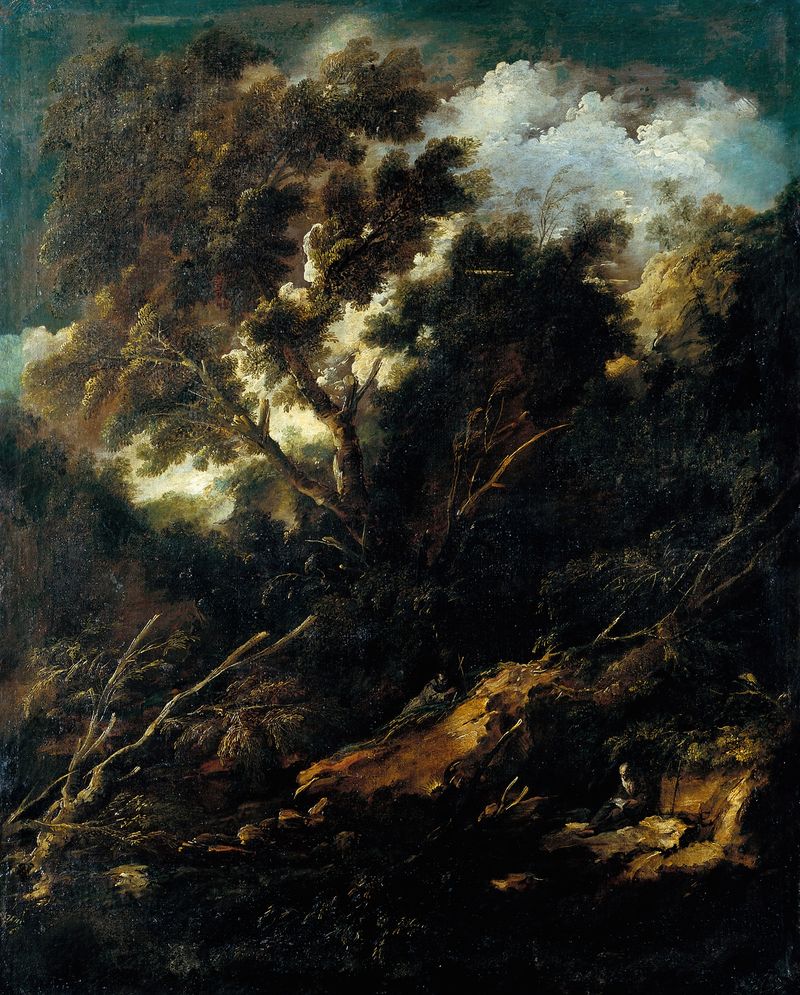
Landscape with a Reading and a Praying Franciscan
Antonio Francesco Peruzzini

Seascape with Fisherman Pulling out Nets
Antonio Francesco Peruzzini
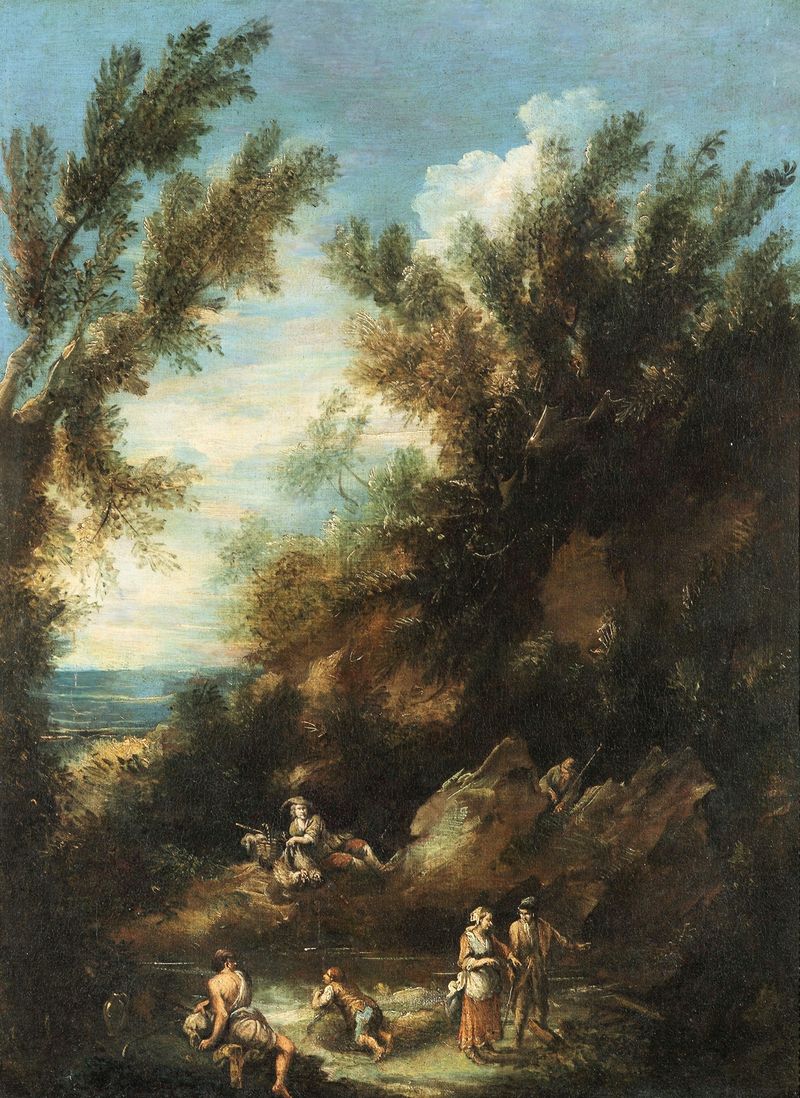
Paesaggio con figure
Antonio Francesco Peruzzini
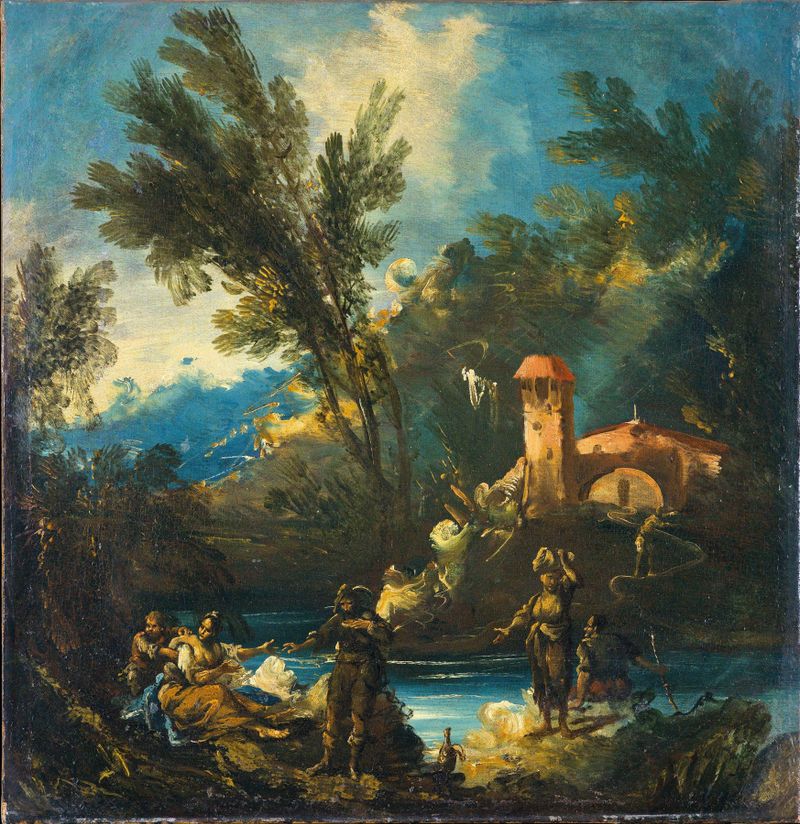
A wooded river landscape with figures
Antonio Francesco Peruzzini
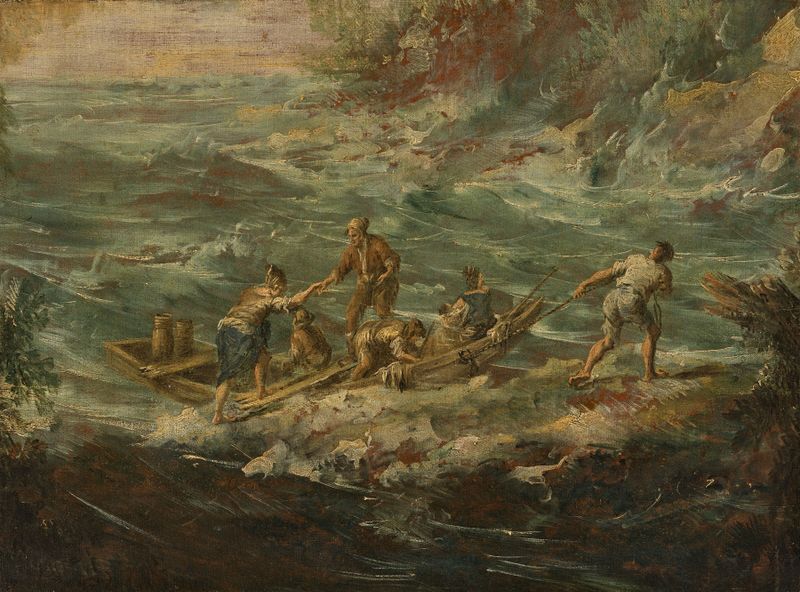
A Mediterranean landscape with figures boarding a boat in choppy seas
Antonio Francesco Peruzzini
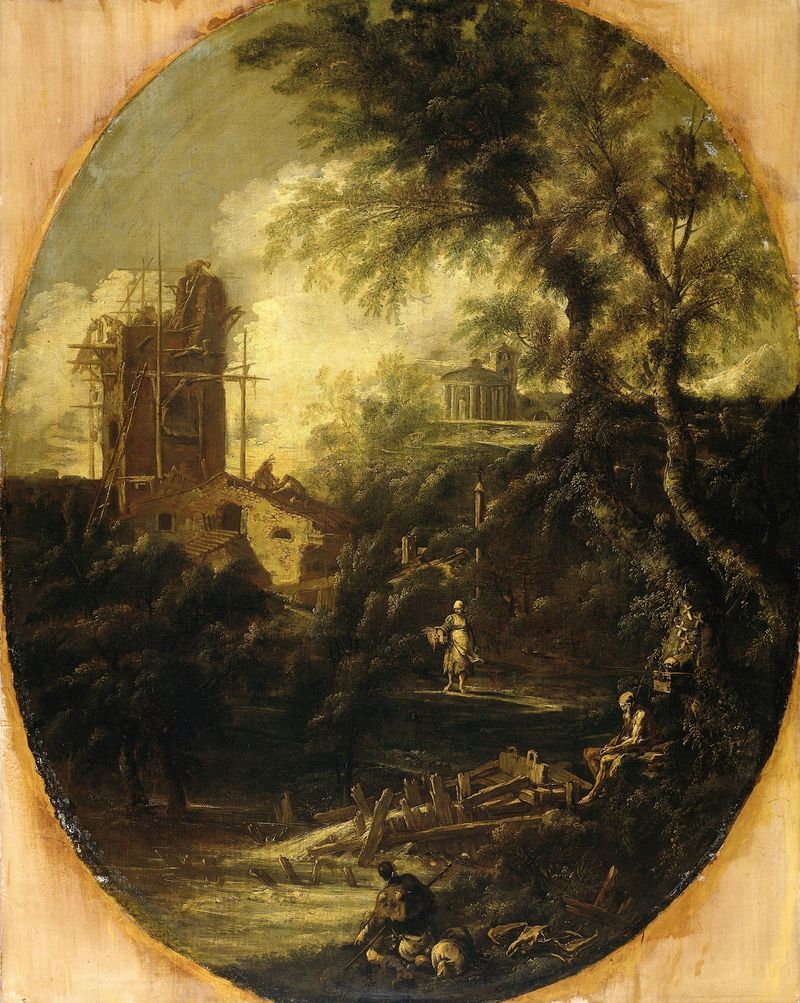
Landscape with Hermit, Pilgrim and Peasant Woman
Antonio Francesco Peruzzini

River landscape
Antonio Francesco Peruzzini





