
Landscape with Palmettos — History & Facts
In the soft embrace of the landscape, where the palmettos sway gently, there lies a haunting solitude beneath the vibrant surface. Focus on the rich greens and golden hues that form the lush vegetation, painted with such care that they almost breathe. Notice how the sunlight filters through the fronds, casting delicate shadows that dance upon the ground, evoking a sense of quiet contemplation. The composition draws you into a world that feels alive yet eerily empty, where the trees stand sentinel against the vastness, their presence both welcoming and isolating. Within this tranquil setting, a profound emotional tension unfolds.
The palmettos, while beautiful, suggest a loneliness inherent in nature, as if they yearn for company that will never arrive. This duality reveals a contrast between the lush beauty of the land and the deeper, unacknowledged ache that resides within it. Each stroke of paint captures not only the essence of the landscape but also the artist's introspective gaze upon his own solitude. In 1917, Sargent created this work while living in the United States, far from the European art scene where he had once thrived.
The world was engulfed in the turmoil of World War I, and many of his contemporaries were struggling with themes of loss and isolation. This painting reflects both his personal experiences and the collective sentiment of a world grappling with a profound sense of separation and longing.
More Artworks by John Singer Sargent
Browse all →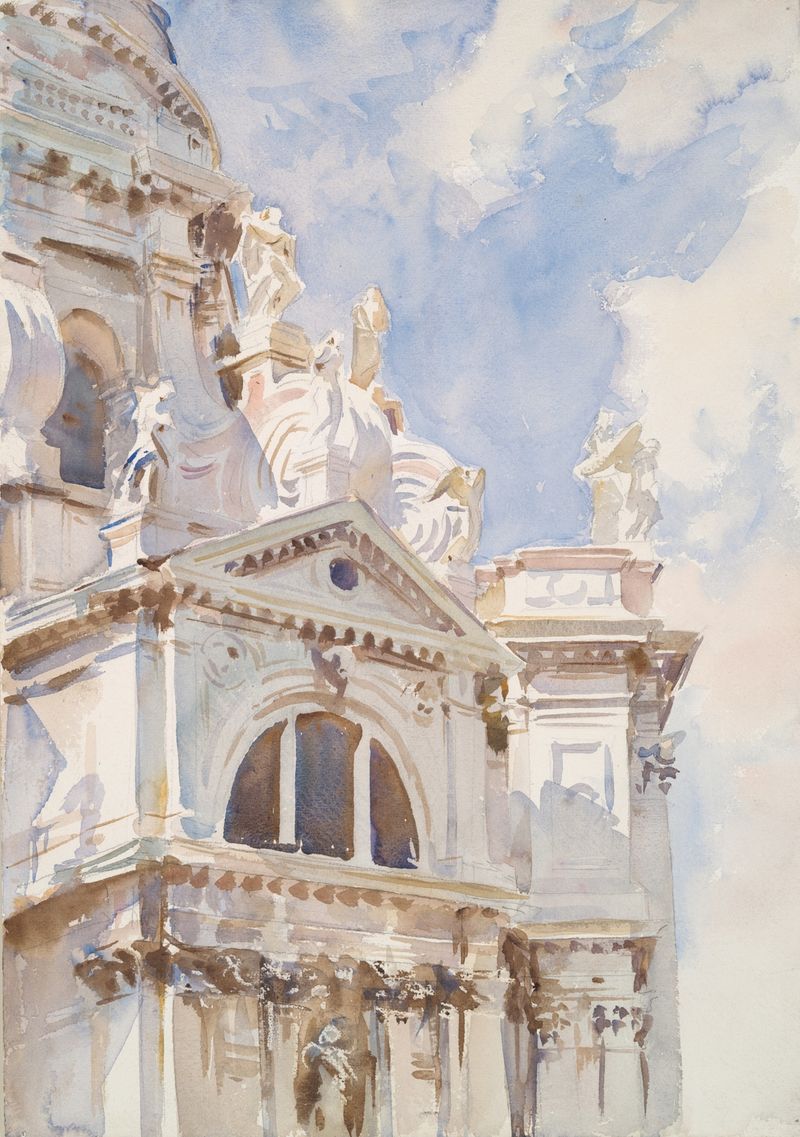
The Salute, Venice
John Singer Sargent

Mrs. Charles Deering (Marion Denison Whipple)
John Singer Sargent
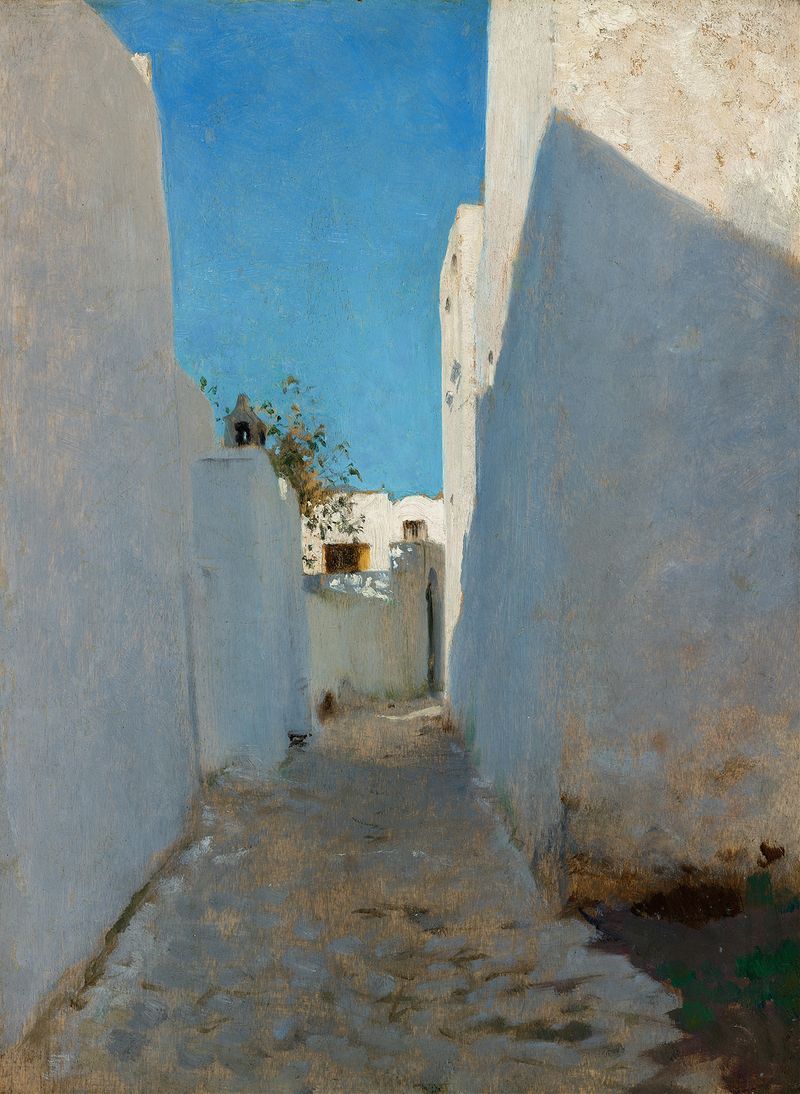
A Moroccan Street Scene
John Singer Sargent
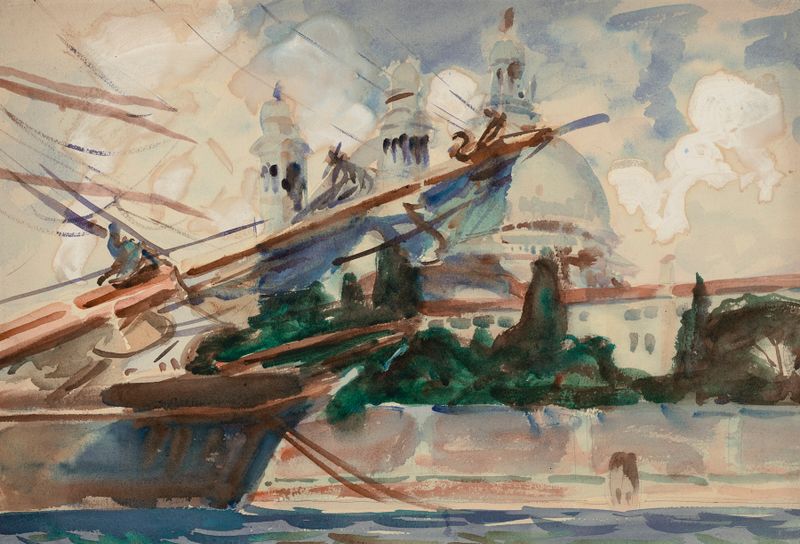
The Salute, Venice
John Singer Sargent
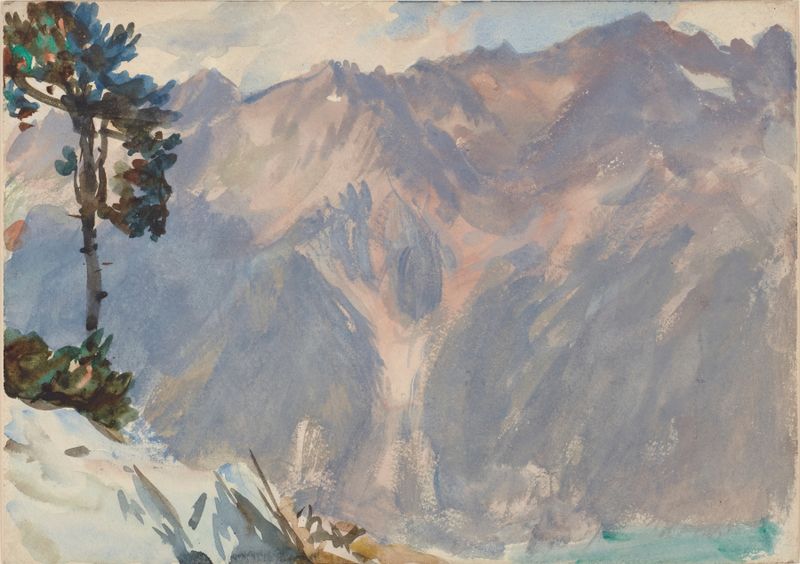
Tyrol
John Singer Sargent

Study for "Gog and Magog," for the Boston Public Library
John Singer Sargent
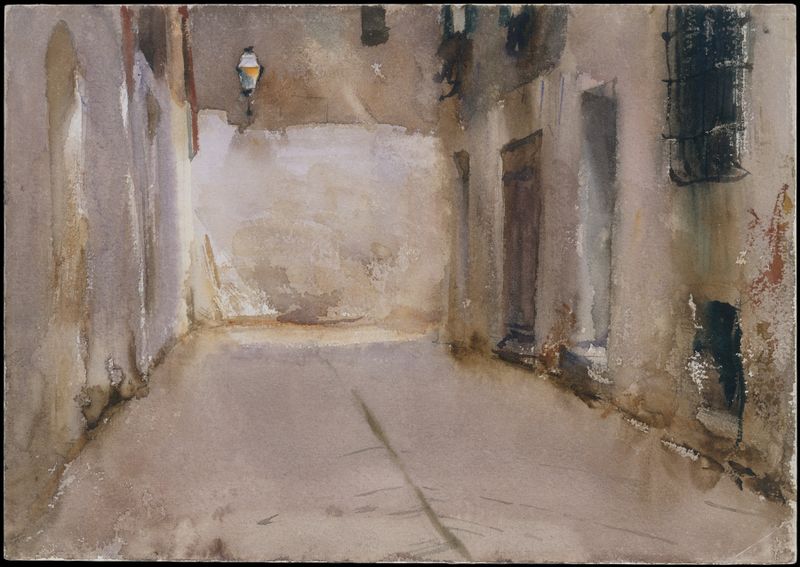
Venice
John Singer Sargent
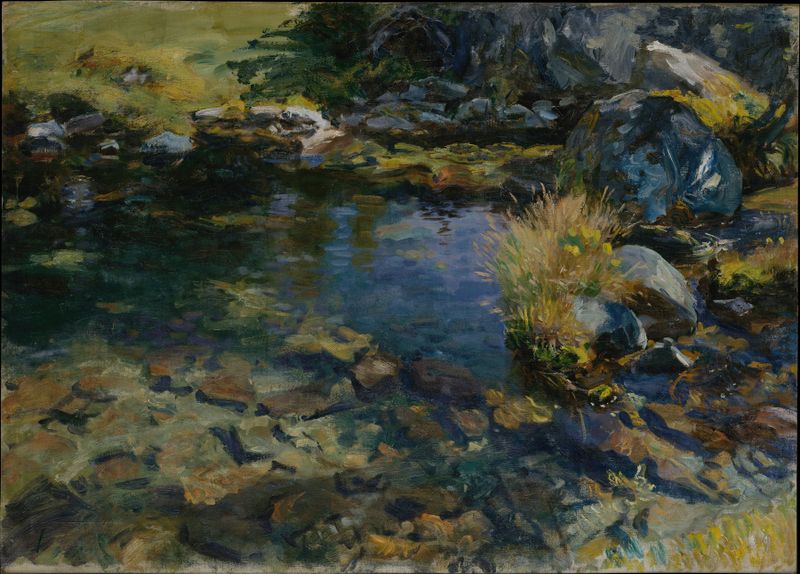
Alpine Pool
John Singer Sargent
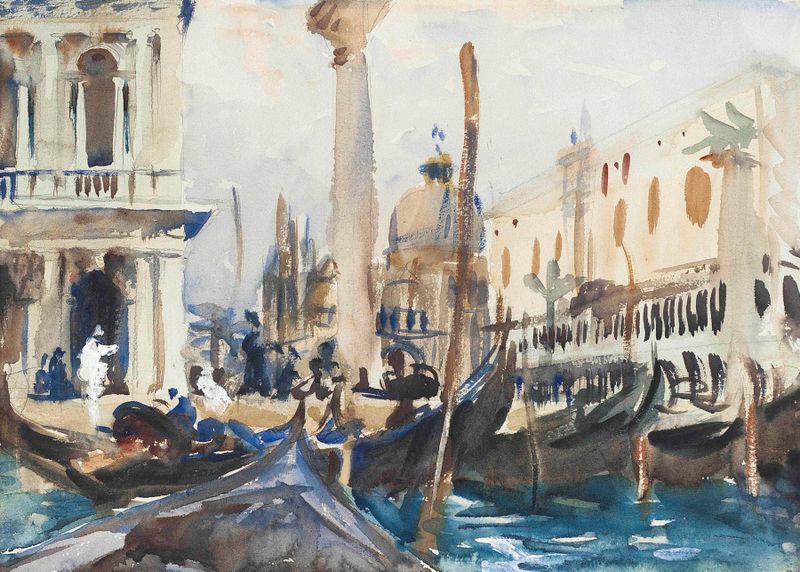
The Piazzetta with Gondolas
John Singer Sargent
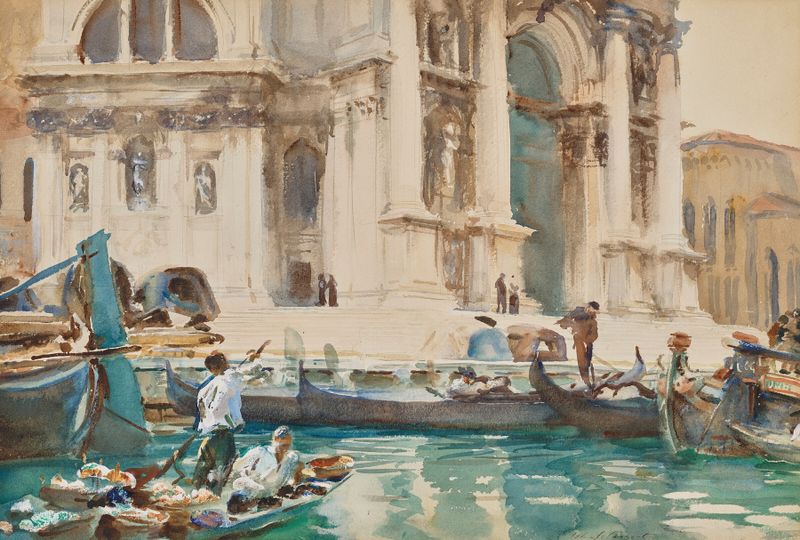
The Façade of La Salute, Venice
John Singer Sargent





