
Landscape with ruins and the statue of Marcus Aurelius — History & Facts
Who listens when art speaks of silence? In Landscape with ruins and the statue of Marcus Aurelius, the echoes of history resound through the stillness of a forgotten world, inviting us to contemplate the themes of decay and rebirth. Look to the left at the majestic ruins, their crumbling columns standing as solemn sentinels against the backdrop of a vast sky. The artist masterfully employs soft hues of ochre and green, creating a sense of harmony between the remnants of the past and the vibrant life that still thrives around them. Notice how the play of light bathes the statue of Marcus Aurelius in a warm glow, illuminating its noble features and lending a sense of reverence to the scene.
The juxtaposition of the statue, a symbol of enduring strength, with the dilapidated architecture evokes a poignant dialogue between glory and downfall. The emotional tension in this piece lies in its exploration of time's relentless passage. The ruins, overrun by nature, signify the inevitability of decay, while the statue stands resolute, suggesting an enduring legacy amidst impermanence. This contrast encapsulates the duality of life: the inevitability of loss paired with the promise of renewal, inviting viewers to reflect on their own histories and the cycles of their existence. In 1760, Hubert Robert created this work during a time when Europe was experiencing a surge of interest in antiquity and classical ideals.
Living in France, he was immersed in the Neoclassical movement, which sought to revive the grandeur of ancient Rome. This period marked a pivotal moment in art history, as artists like Robert sought to bridge the past with contemporary ideals, exploring themes of nature, history, and the human experience.
More Artworks by Hubert Robert
Browse all →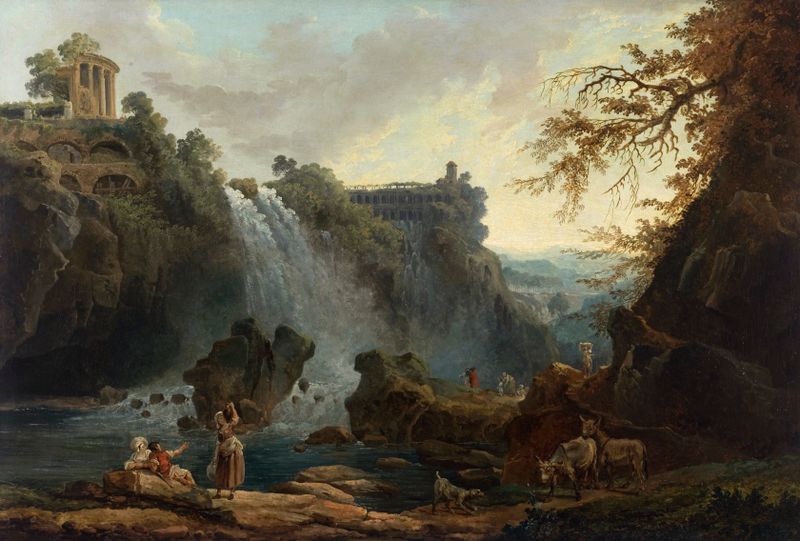
Les Cascatelles de Tivoli
Hubert Robert
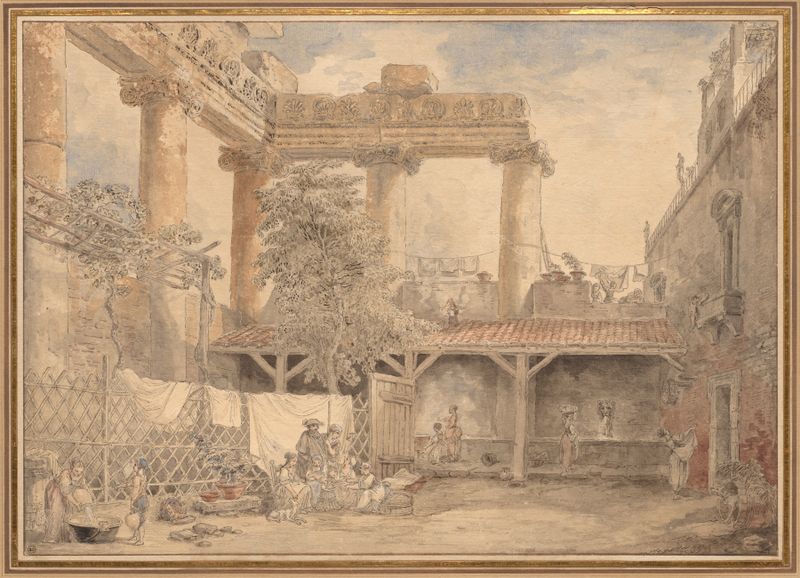
Roman Ruins, Villa Pamfili
Hubert Robert

The Rustic Bridge, Château de Méréville, France
Hubert Robert

The Portico of a Country Mansion
Hubert Robert

Architectural Capriccio
Hubert Robert

The Obelisk
Hubert Robert
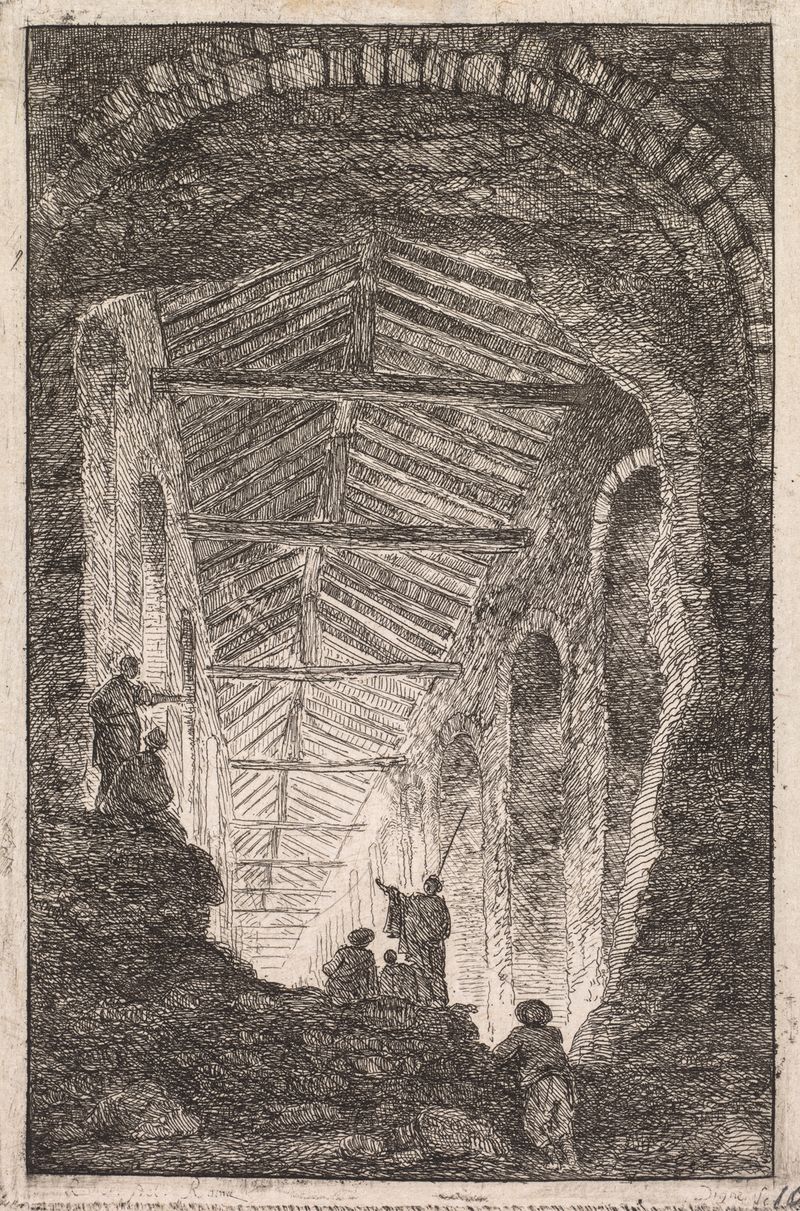
The Antique Gallery
Hubert Robert

L’incendie de l’Opéra, vu des jardins du Palais-Royal, le 8 juin 1781
Hubert Robert
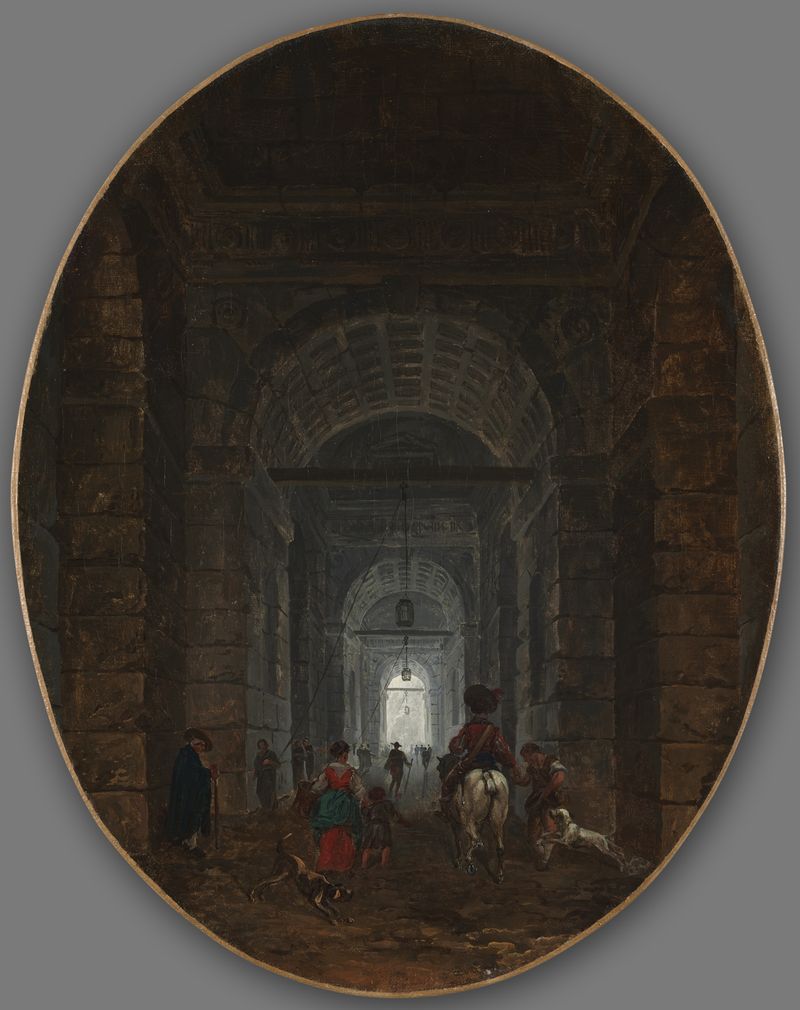
The Grotto of Posillipo
Hubert Robert

Architectural Capriccio with ruins of the Temple of Saturn and the Colosseum in the background
Hubert Robert





