
Landscape with Tavern — History & Facts
In the solitude of nature, where the horizon stretches endlessly, a whisper of loneliness dances across the canvas, echoing the quiet of our own hearts. Look to the left at the low-lying tavern, its muted colors blending harmoniously with the earth-toned landscape. The soft strokes of ochre and green establish a tranquil yet melancholic atmosphere, inviting you to explore the simplicity of rural life. Notice how the gentle light washes over the scene, casting long shadows that hint at the passage of time, as if the day is fading into the embrace of twilight. As you observe the figures within the tavern, a palpable sense of isolation emerges.
The smallness of the structure against the vast expanse of sky accentuates the loneliness of human existence in the great outdoors. The faint silhouettes of patrons, seemingly lost in their thoughts, mirror the solitude of the surrounding landscape, provoking introspection about connection, community, and the inherent quietness of life. In 1628, Jan van Goyen was painting during a period of artistic growth in the Dutch Golden Age, characterized by an increasing appreciation for landscape painting. Working primarily in the Dutch town of The Hague, he was influenced by the natural beauty of the Dutch countryside and the complexities of human emotion that such scenes could encapsulate.
The world around him was shifting, yet within this quiet moment, he masterfully captured the essence of solitude, solidifying his role as a pivotal figure in landscape art.
More Artworks by Jan van Goyen
Browse all →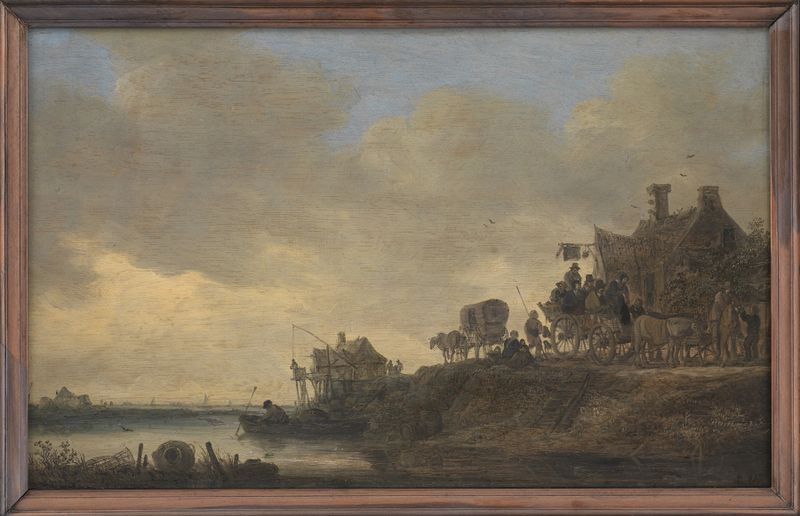
River Scene with the ‘Swan’ Tavern
Jan van Goyen

The Valkhof in Nijmegen
Jan van Goyen
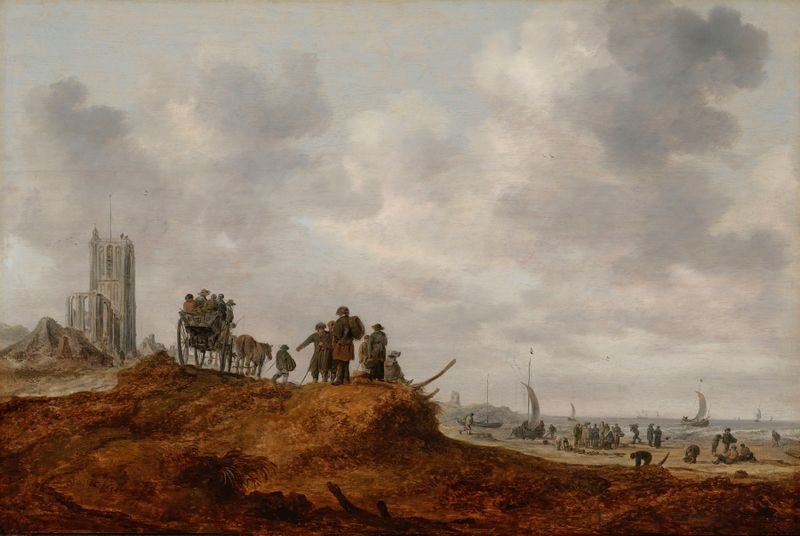
The Old Church at Egmond aan Zee
Jan van Goyen
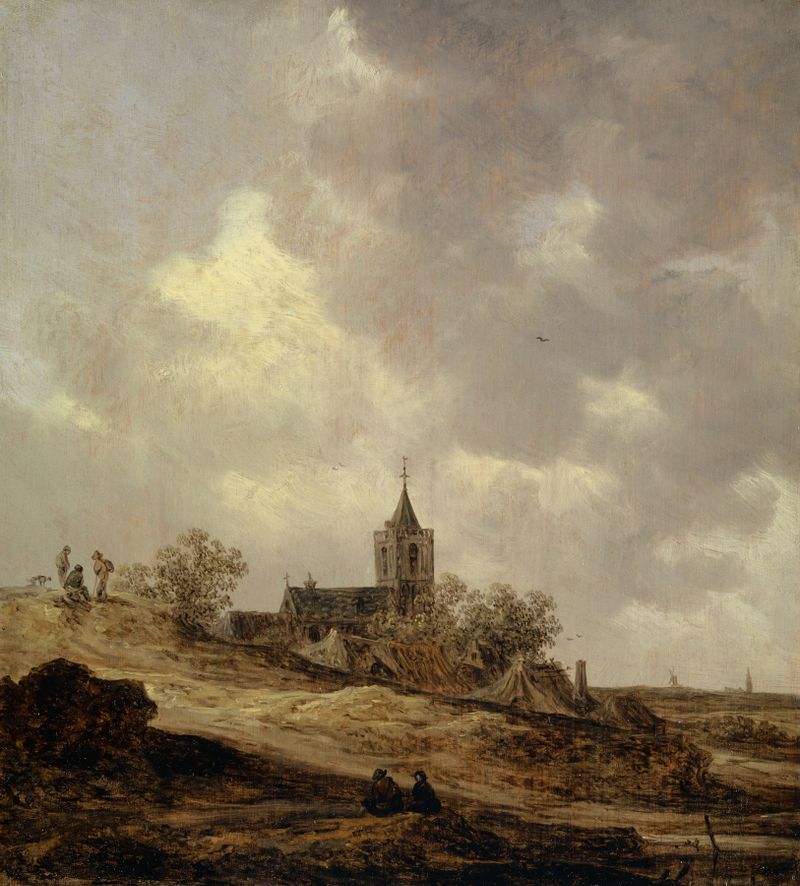
Village Church seen from the Dunes
Jan van Goyen
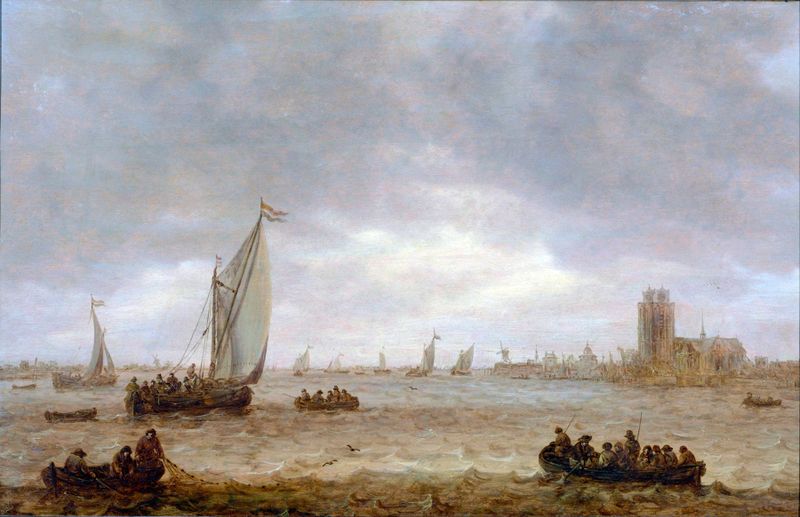
Mouth of the Meuse
Jan van Goyen

River Landscape with the Pellecussen Gate near Utrecht
Jan van Goyen
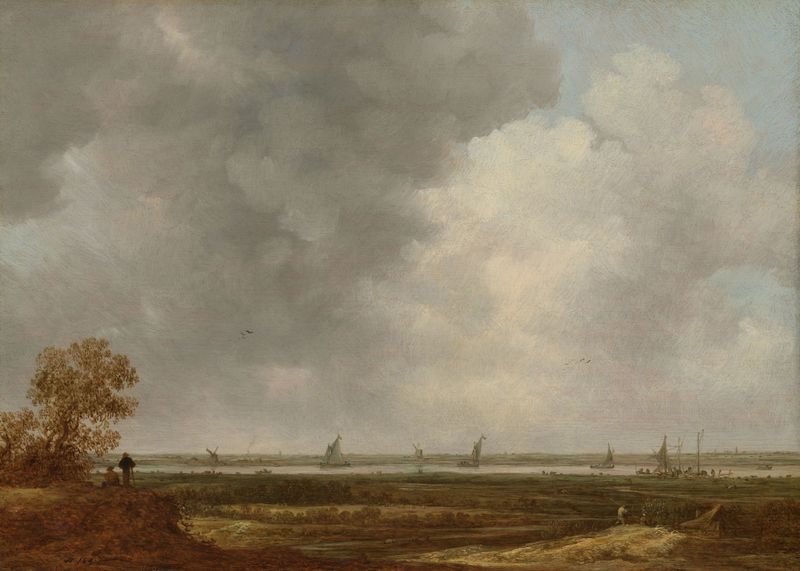
Panoramic View of a River with Low-lying Meadows
Jan van Goyen
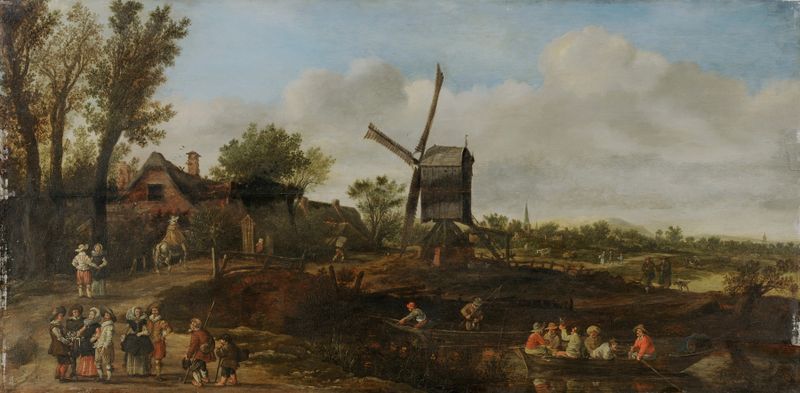
Dutch Landscape
Jan van Goyen
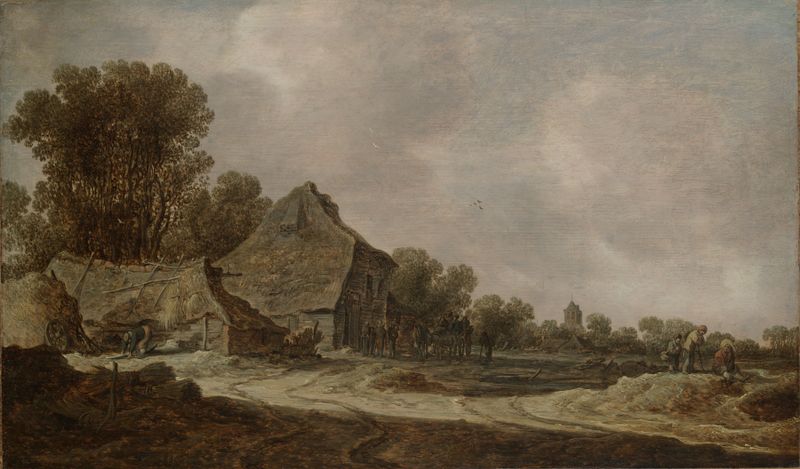
A Sandy Road with Thatched Cottages
Jan van Goyen
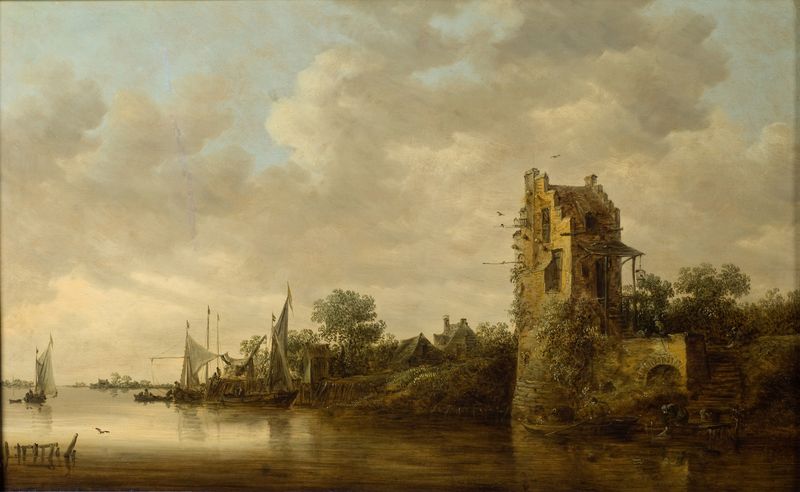
Riverside with an Old Tower
Jan van Goyen





