Landscape with Water Cart and Clothesline — History & Facts
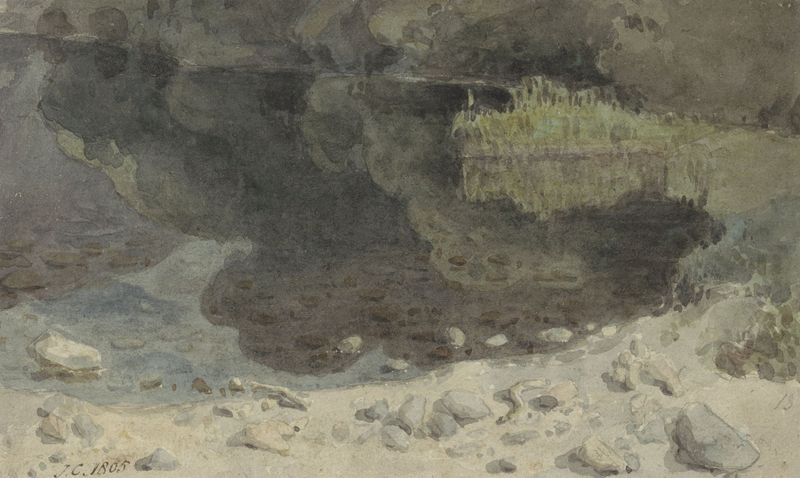
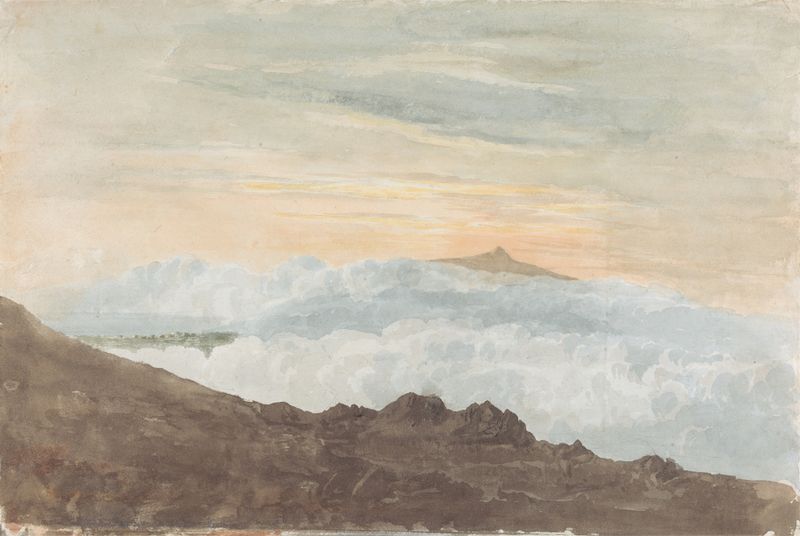
Who listens when art speaks of silence? In the stillness of Landscape with Water Cart and Clothesline, the echoes of a bygone era whisper legacies woven into the fabric of daily life. Look to the foreground, where a wooden water cart stands stoically, its weathered surface reflecting the gentle light that caresses the scene. The clothesline, stretching horizontally across the canvas, is adorned with fluttering garments that ripple softly in a breeze only imagined. Notice how the muted greens and browns blend harmoniously, creating an atmosphere of tranquility, while soft pastel hues of the garments inject life and warmth into the composition. Beneath this serene surface lies a contrast between industriousness and leisure.
The water cart symbolizes the labor that sustains life, juxtaposed against the humble act of hanging laundry, which signifies domesticity and care. This duality hints at a deeper narrative of resilience in simplicity, suggesting the weight of unspoken stories carried through generations. As viewers, we are invited to reflect on the unseen hands that create and maintain such tranquil moments, a connection to those who came before us. During the period this work was created, Joshua Cristall was immersed in the English landscape tradition, likely painting in the early 19th century.
This was a time when industrial changes were reshaping rural life, yet Cristall chose to document the quieter, more intimate aspects of existence. His focus on pastoral scenes offered a counterpoint to the era's rapid urbanization, emphasizing the enduring beauty of everyday life and the legacies that persist within them.