Tarbert Castle — History & Facts
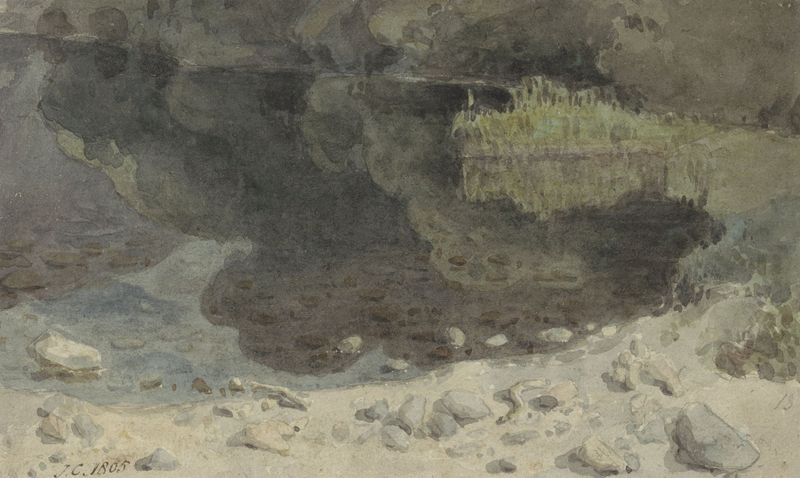
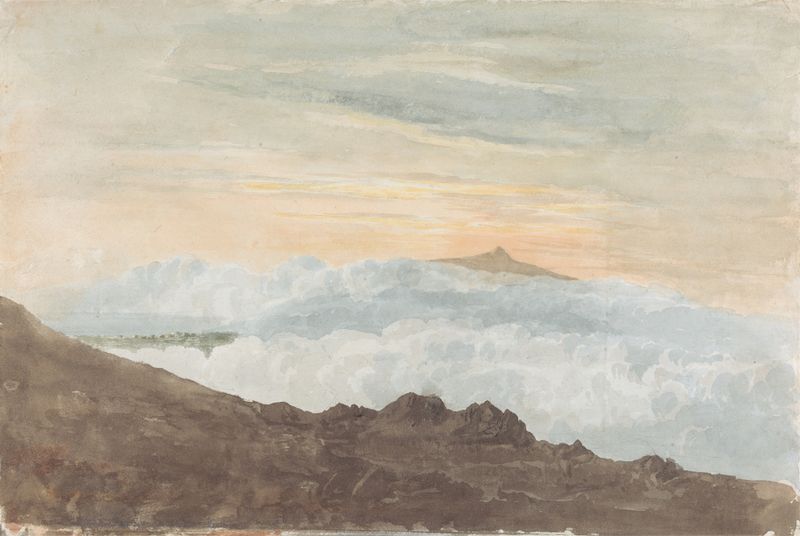
In the quiet embrace of a landscape, illusions dance between reality and imagination, inviting the viewer to explore what lies beyond mere sight. Look to the left at the rugged stone of Tarbert Castle, nestled against a backdrop of muted greens and browns. The artist employs a delicate interplay of light and shadow, accentuating the fortress's ancient walls, while a soft mist weaves through the hills, creating an ethereal quality. Notice the careful placement of clouds above, their gentle curves echoing the castle’s rigged silhouette—a bridge between nature and human construction, blending the tangible with the mystical. Within the painting lies an emotional tension between permanence and transience.
The castle, a symbol of strength and history, stands resolute against the encroaching mist, suggesting resilience amidst decay. Yet, the surrounding landscape, shrouded in ambiguity, speaks of change and the passage of time. Each brushstroke adds a layer to this illusion, capturing moments both preserved and fading, urging contemplation on what is remembered and what is lost. Joshua Cristall painted this work during a period when Romanticism was gaining momentum in British art, likely in the early 19th century.
He was exploring the themes of nature's beauty and human endeavor, drawing inspiration from his own experiences in Scotland. At that time, the art world was shifting, favoring emotive landscapes that emphasized not just the physical form but the emotional resonance of landscapes, reflecting a broader cultural appreciation for the sublime.