Landschap bij Llyn Ogwen, Caernarvonshire (Wales) — History & Facts
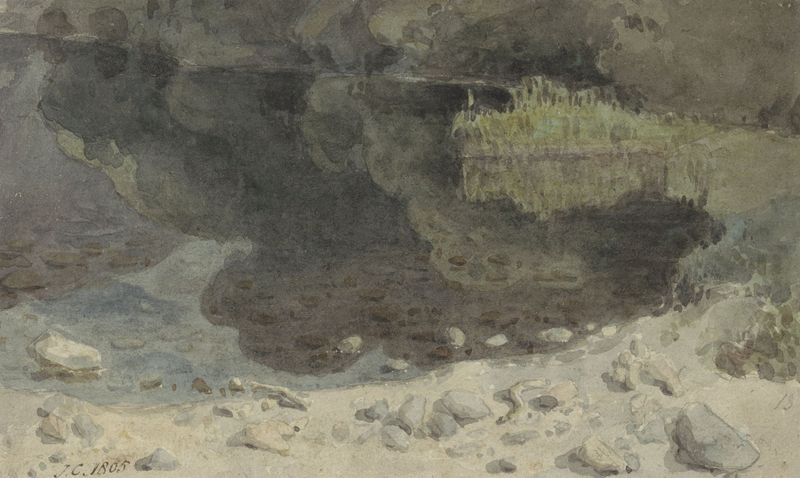
What if beauty was never meant to be finished? In the calm embrace of Landschap bij Llyn Ogwen, Caernarvonshire, a vast expanse of nature invites contemplation, leaving one to ponder the impermanence of existence itself. Focus on the serene water reflecting the distant hills, where soft brushstrokes merge the foreground with the tranquil lake. Look closely at the nuanced greens and blues that blend seamlessly, creating a sense of depth and an almost ethereal quality. The sky, with its delicate wisps of clouds, casts an ambient light that bathes the landscape in a gentle glow, drawing the viewer's eye across the entire composition. Yet, amidst this idyllic beauty lies an unsettling emptiness.
The vastness of the surrounding hills, while awe-inspiring, conveys a sense of solitude that hints at nature’s indifferent grandeur. The stillness of the water cuts deeply, evoking feelings of introspection and a longing for connection, while the quietness of the scene whispers of life’s transience—a moment captured, but never wholly possessed. Joshua Cristall painted Landschap bij Llyn Ogwen during a time when the Romantic movement was gaining momentum, emphasizing emotion and the sublime beauty of nature. Working in Wales during the late 18th and early 19th centuries, he was influenced by the picturesque landscapes that surrounded him, reflecting a growing appreciation for the natural world.
This painting exemplifies his ability to convey both the majesty and isolation inherent in the landscapes he loved.