
Landscape with watermill — History & Facts
Can beauty exist without sorrow? This question lingers as one gazes upon a tranquil scene, where light dances across the water’s surface, illuminating both the splendor and the subtle melancholy of nature. Look to the left at the delicate watermill, its wooden structure nestled against a backdrop of lush greenery. Notice how the sunlight streams through the leaves, casting dappled shadows that play upon the ground. The gentle palette of greens and earthy browns creates a soothing harmony, while the luminous quality of the water reflects the sky, drawing your eyes into the serene depths of the landscape. Yet, upon closer inspection, small details reveal emotional complexities.
The slight tilt of the mill’s wheel hints at a life once vibrant, now subdued in stillness. The distant mountains, shrouded in a soft haze, evoke a sense of longing, as if they guard secrets of forgotten stories. Here, beauty coexists with hints of abandon and nostalgia, urging the viewer to contemplate the passage of time in this idyllic setting. Created during an undetermined period, the artist painted this piece at a time when the Dutch landscape tradition was flourishing.
Nature was often depicted not merely for its beauty but as a reflection of human emotion. In a world rapidly changing through industry and urbanization, this work stands as a reminder of the serene yet transient quality of rural life, encapsulated in the moments we cherish and the memories we hold dear.
More Artworks by Egbert van Drielst
Browse all →
Ruïne van het Huis De Haer
Egbert van Drielst
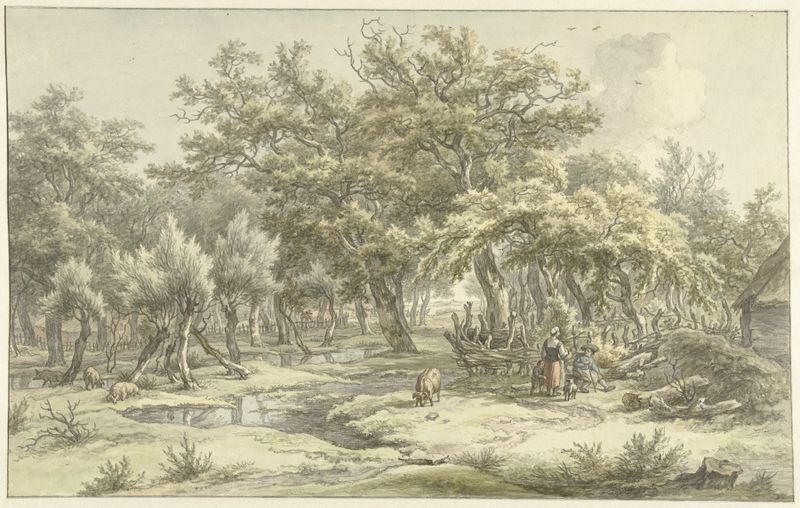
Landschap bij Eext (Drenthe)
Egbert van Drielst

Landschap in de omgeving van Wageningen
Egbert van Drielst
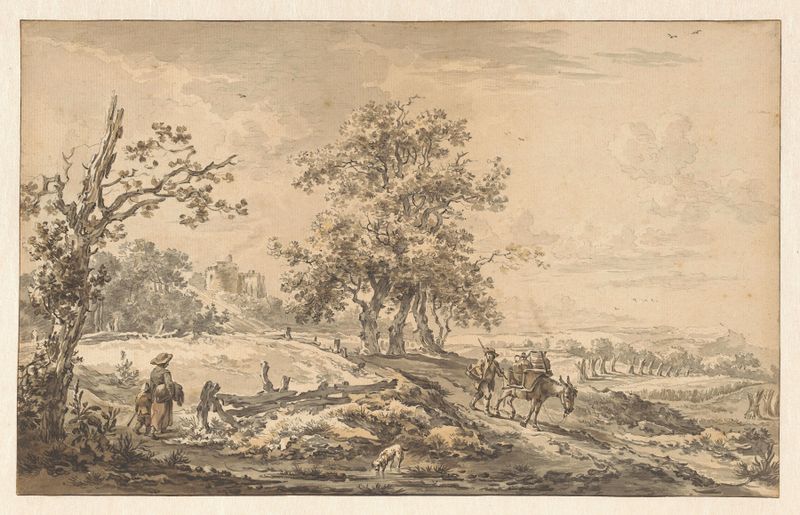
Vrouw met kind en man met ezel in landschap
Egbert van Drielst
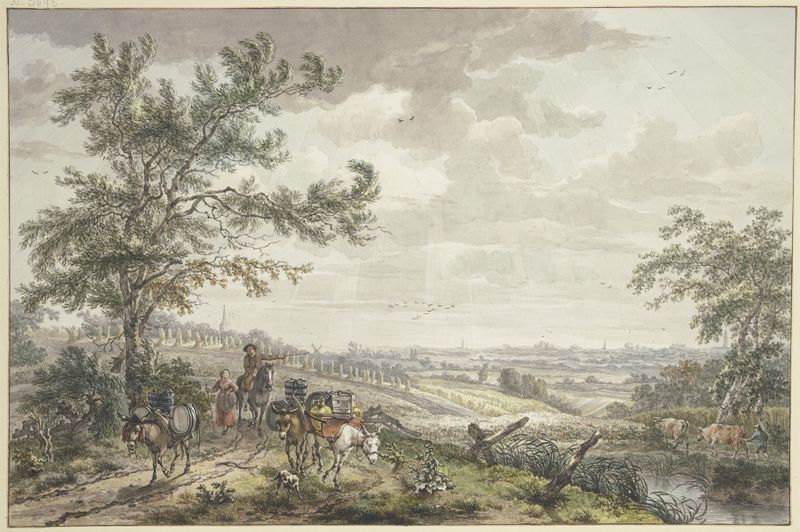
Landscape with Pack Donkeys, near Hilversum
Egbert van Drielst
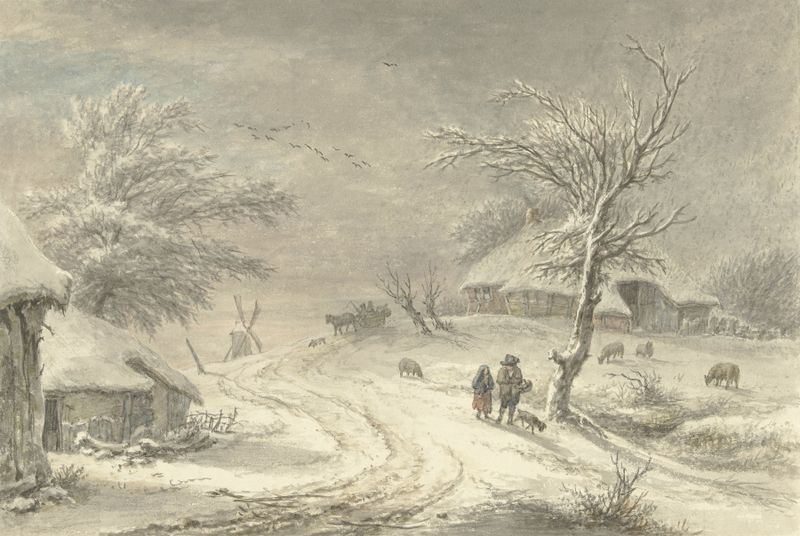
Wintergezicht te Exloo, Drenthe
Egbert van Drielst
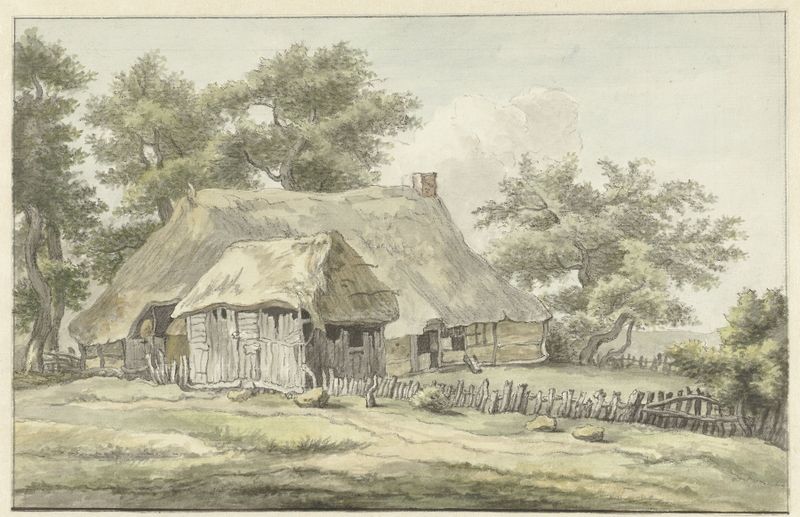
Boerderij te Eext, Drenthe
Egbert van Drielst

Boerderij te Eext (Drenthe)
Egbert van Drielst

Landschap bij Eext, Drenthe
Egbert van Drielst
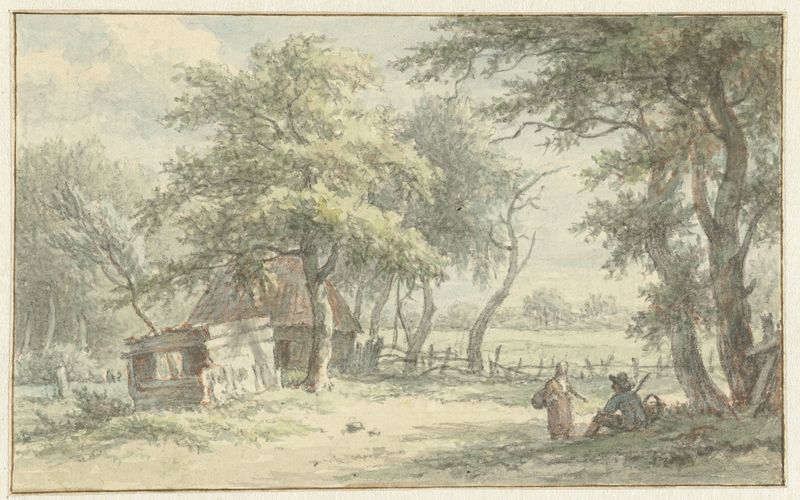
Figuren bij hutje in het Naarder Houd
Egbert van Drielst





