
Vrouw met kind en man met ezel in landschap — History & Facts
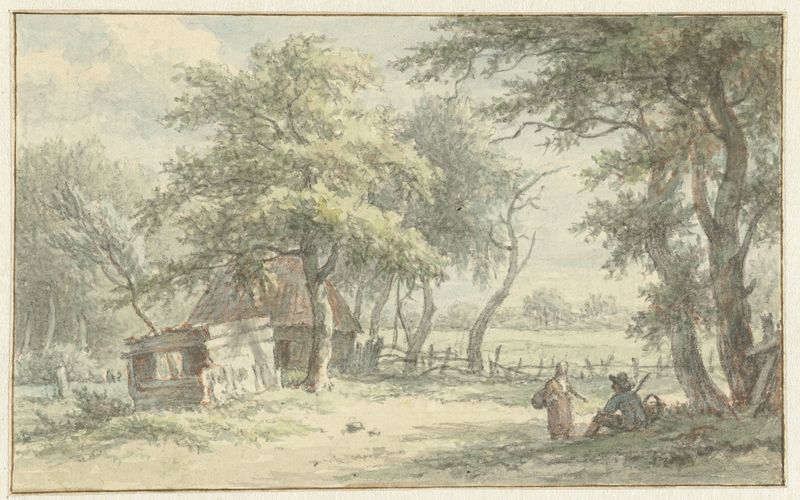
Did the painter know this moment would outlive them? In Vrouw met kind en man met ezel in landschap, the essence of fleeting time is captured, a testament to the enduring power of legacy in art. Look to the left at the gentle figure of a woman cradling a child, her silhouette framed against a backdrop of vibrant green fields and a distant horizon. The soft light washes over the figures, highlighting the warmth of their connection. Notice how the man with the donkey stands slightly apart, his posture suggesting a protective stance, yet his gaze rests on the family, creating a subtle interplay of inclusion and isolation.
The rich, earthy palette enhances the natural beauty of the scene, invoking a sense of harmony between humanity and nature. As the viewer, you are invited to ponder the relationships at play—between the motherly tenderness and the ruggedness of the landscape, between the warmth of familial bonds and the solitude of the man. The donkey serves as a metaphor for labor, layered with significance, symbolizing the struggles of everyday life and the quiet resilience that weaves through such moments. Here, the artist encapsulates a universal narrative of love and duty, muted yet profound, accentuating the nuances of connection amid the vastness of the world. Painted during the late 18th century, a period marked by significant artistic shifts, this work by Egbert van Drielst reflects the transition towards a more intimate portrayal of rural life.
Living in the Netherlands during a time when art was evolving from grand historical themes to more personal narratives, he embraced the simplicity and beauty of everyday scenes, forever embedding his vision in the collective memory of art.
More Artworks by Egbert van Drielst
Browse all →
Ruïne van het Huis De Haer
Egbert van Drielst
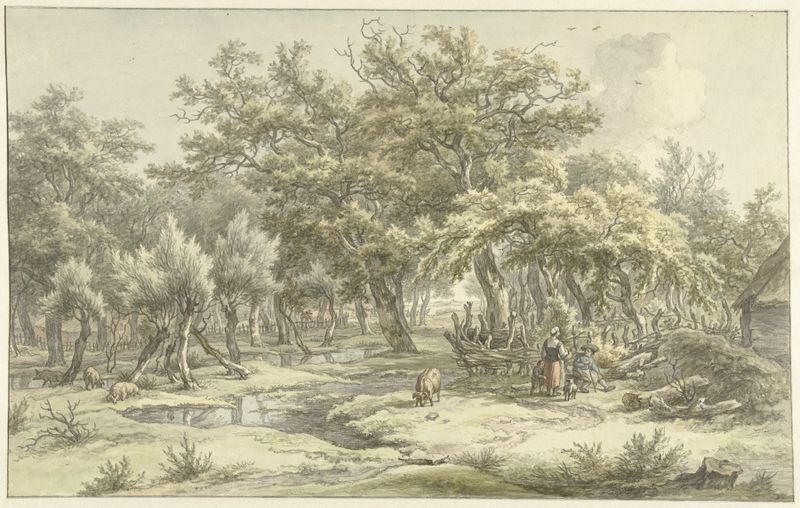
Landschap bij Eext (Drenthe)
Egbert van Drielst

Landschap in de omgeving van Wageningen
Egbert van Drielst
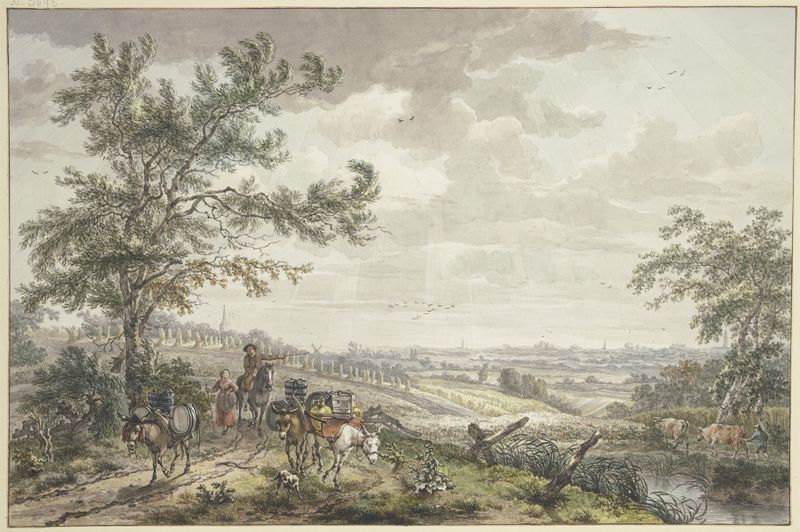
Landscape with Pack Donkeys, near Hilversum
Egbert van Drielst
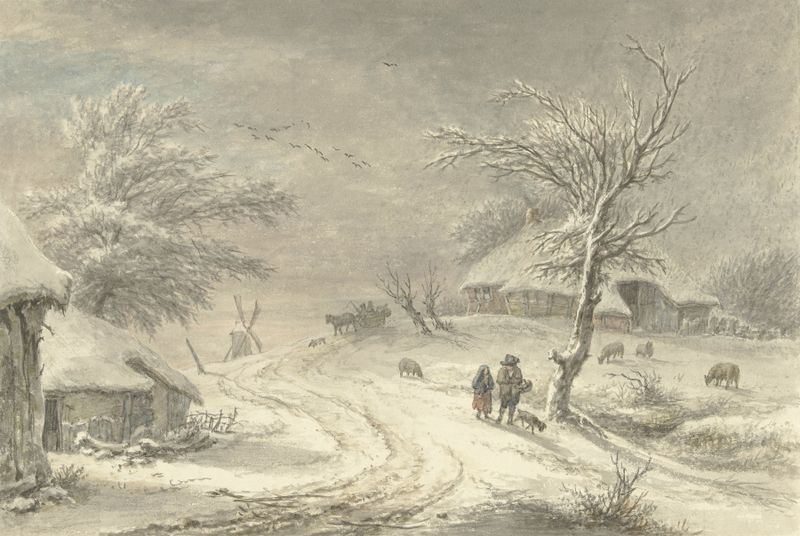
Wintergezicht te Exloo, Drenthe
Egbert van Drielst
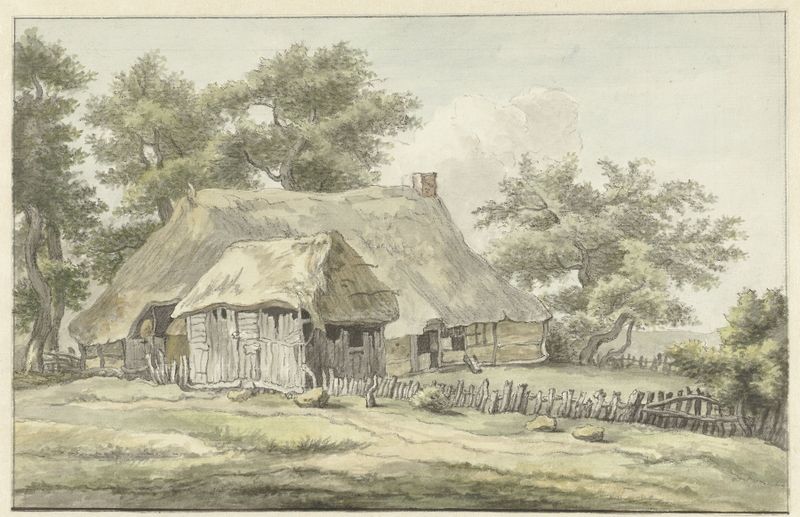
Boerderij te Eext, Drenthe
Egbert van Drielst

Landscape with watermill
Egbert van Drielst

Boerderij te Eext (Drenthe)
Egbert van Drielst

Landschap bij Eext, Drenthe
Egbert van Drielst
Figuren bij hutje in het Naarder Houd
Egbert van Drielst





