Landschaftsbild — History & Analysis
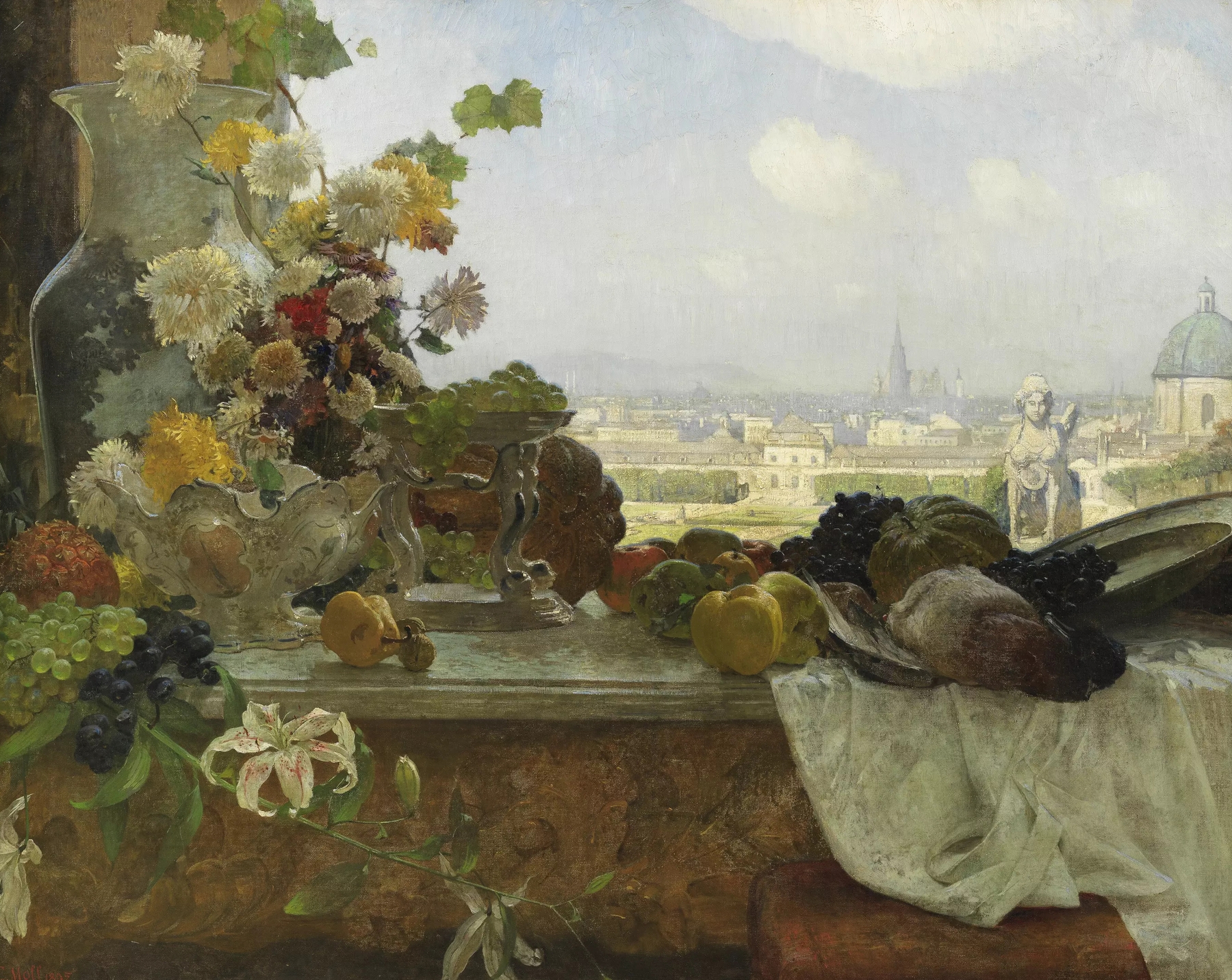
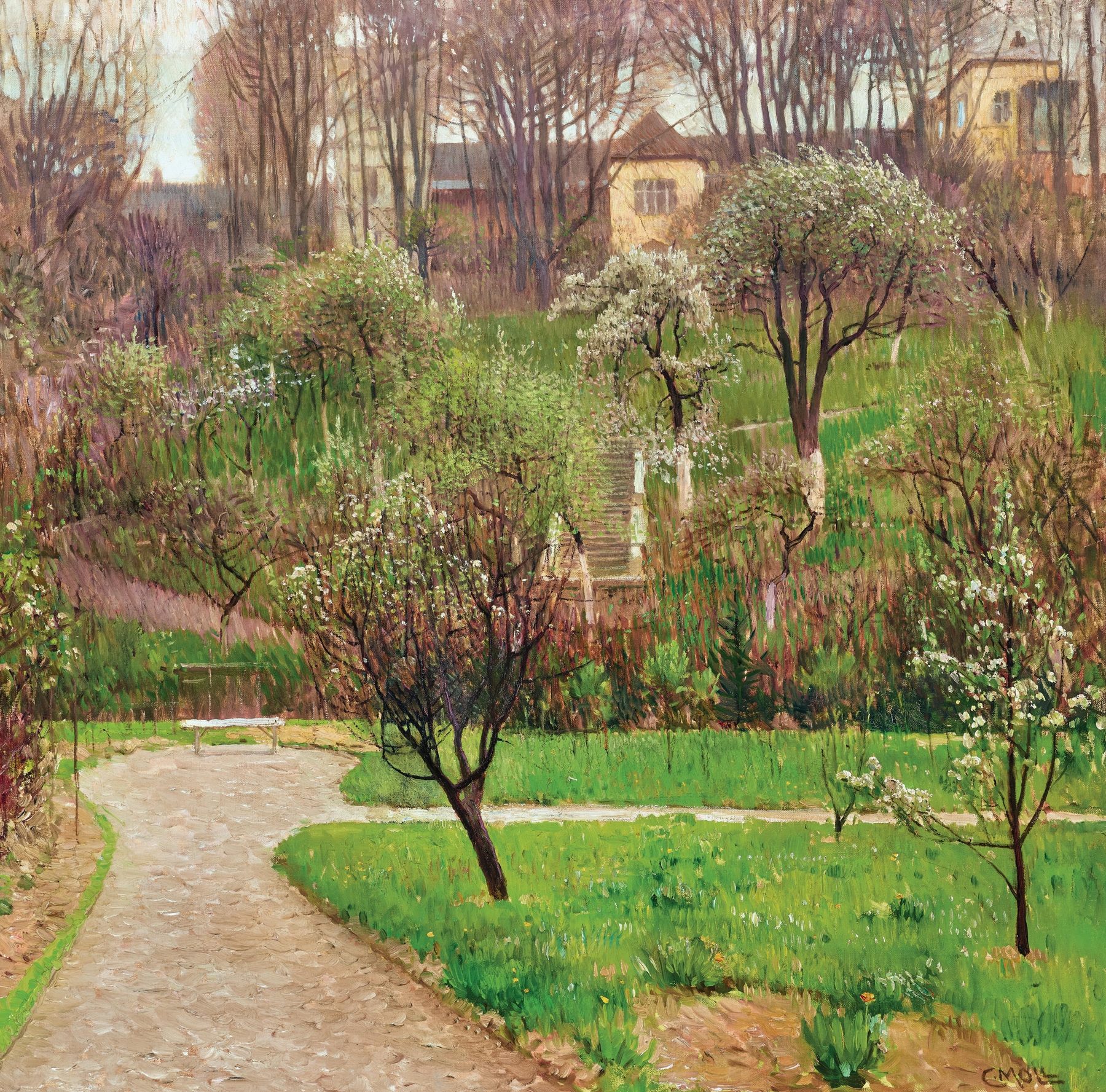
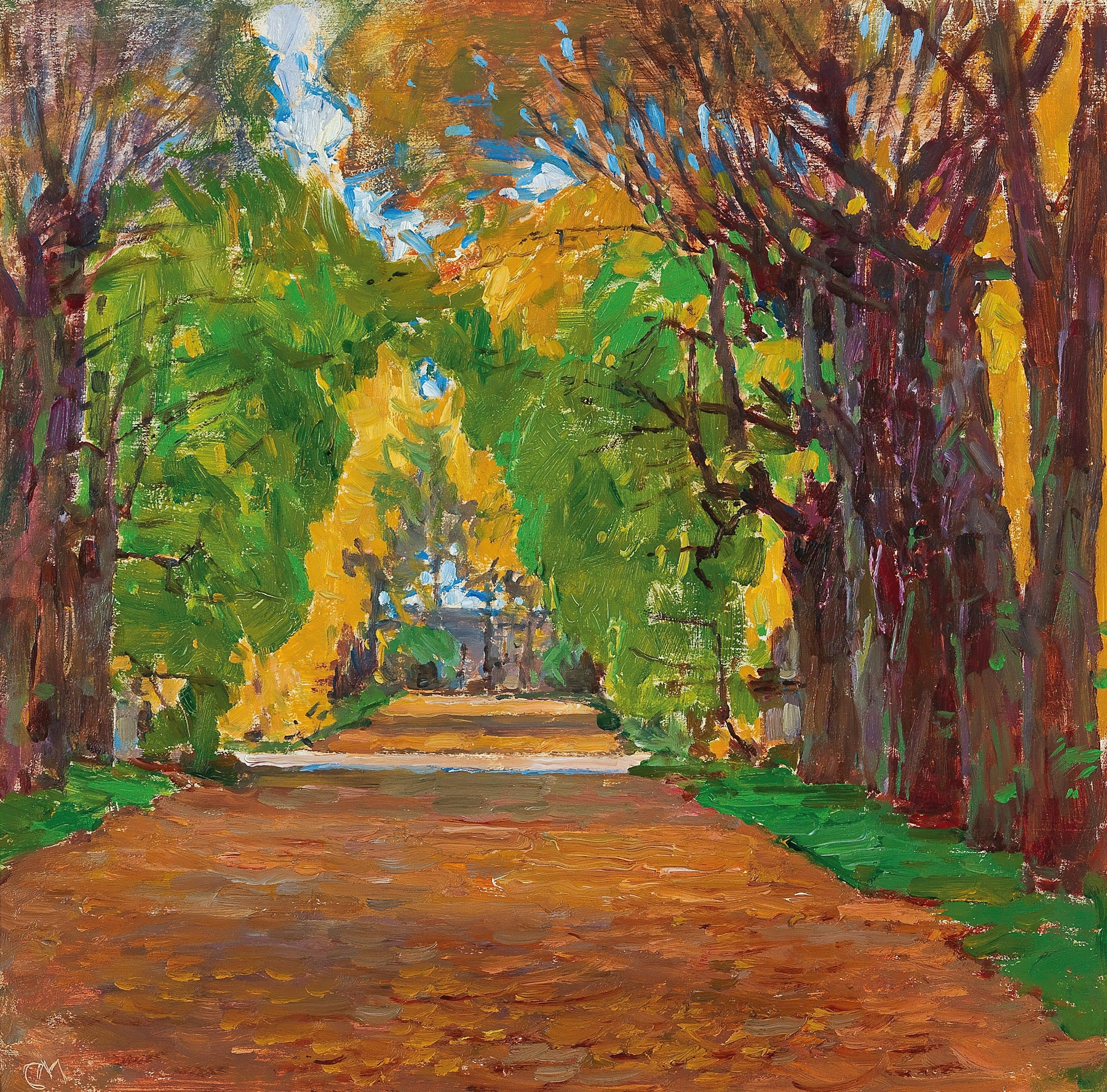
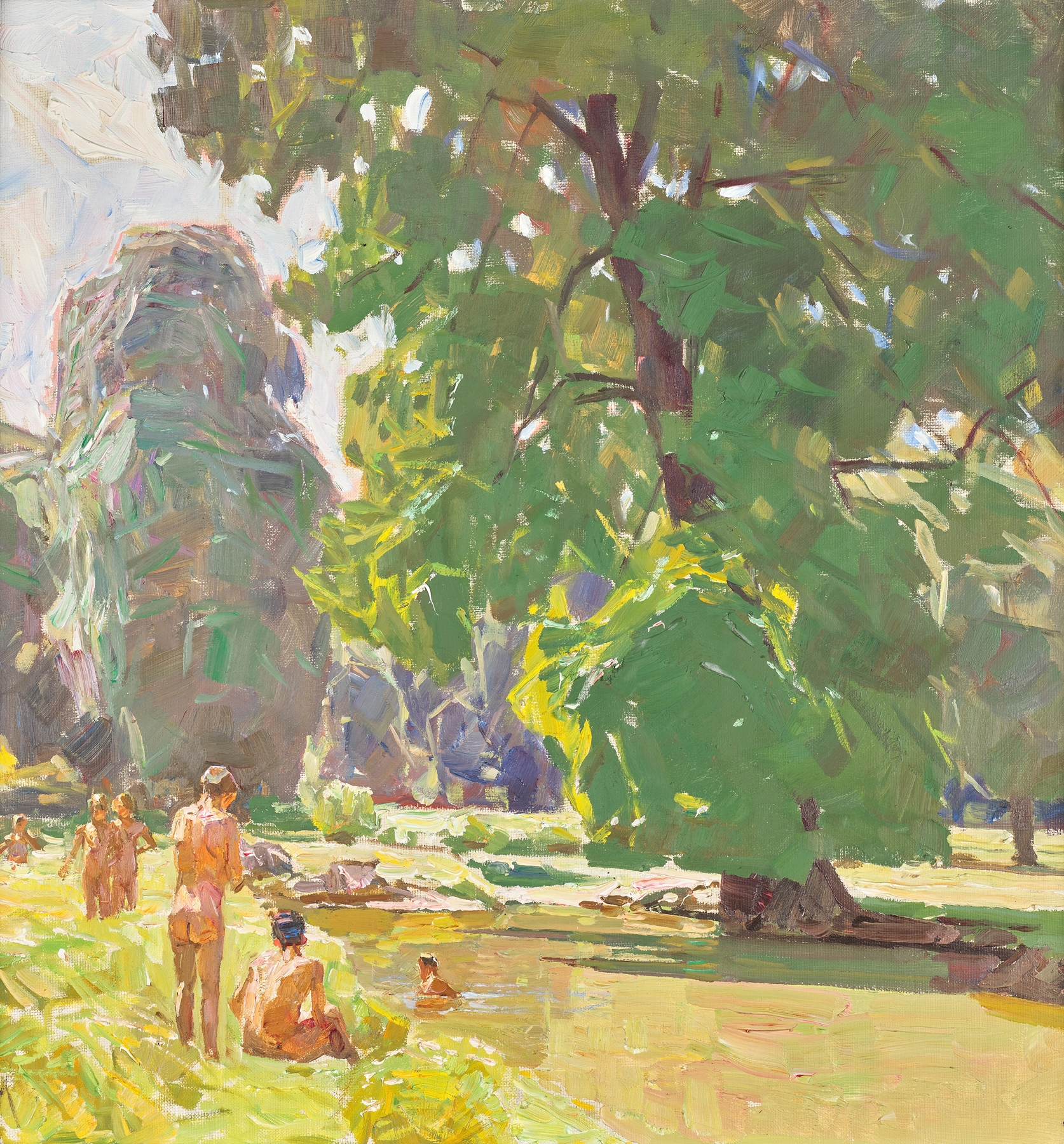
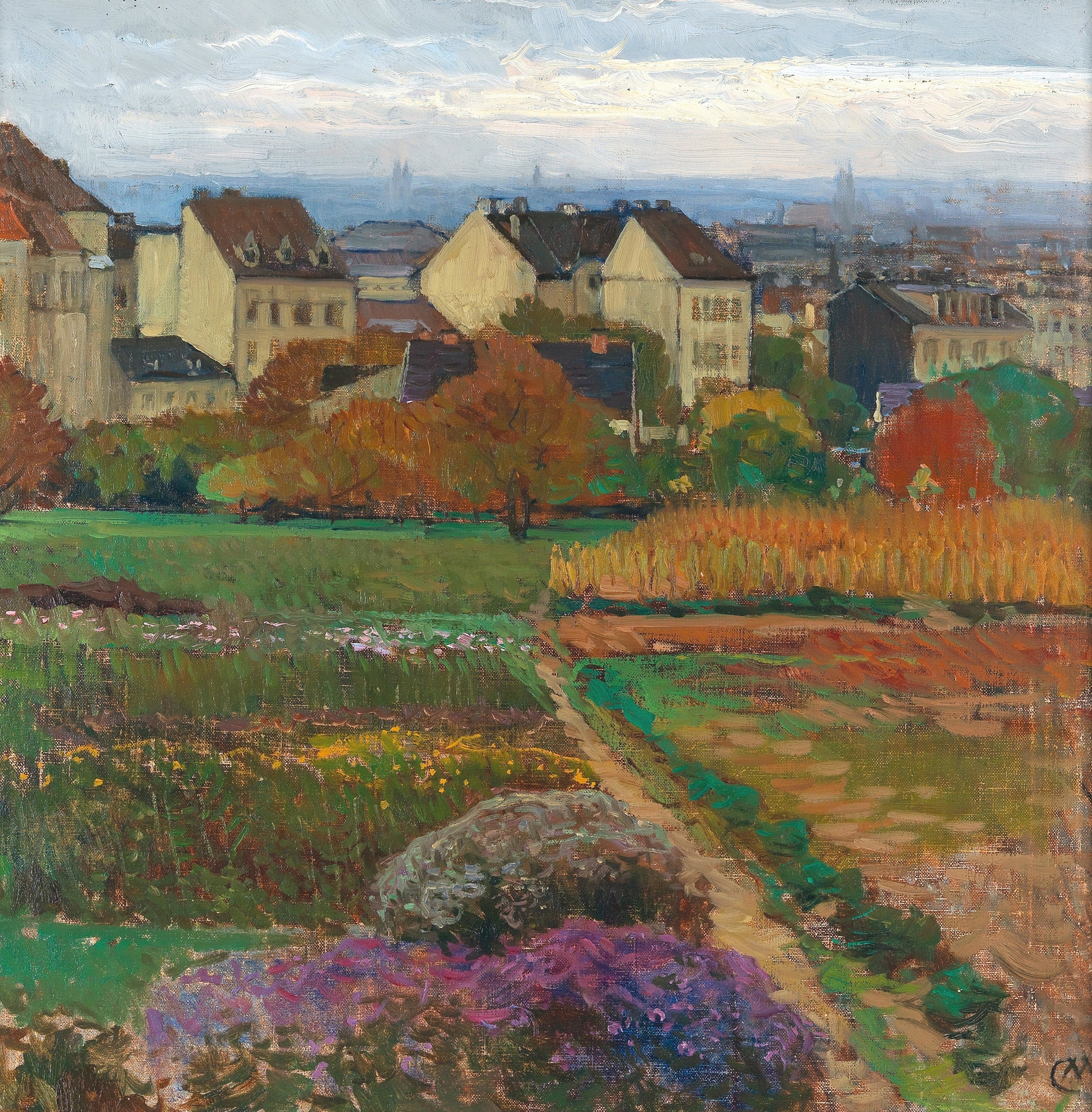
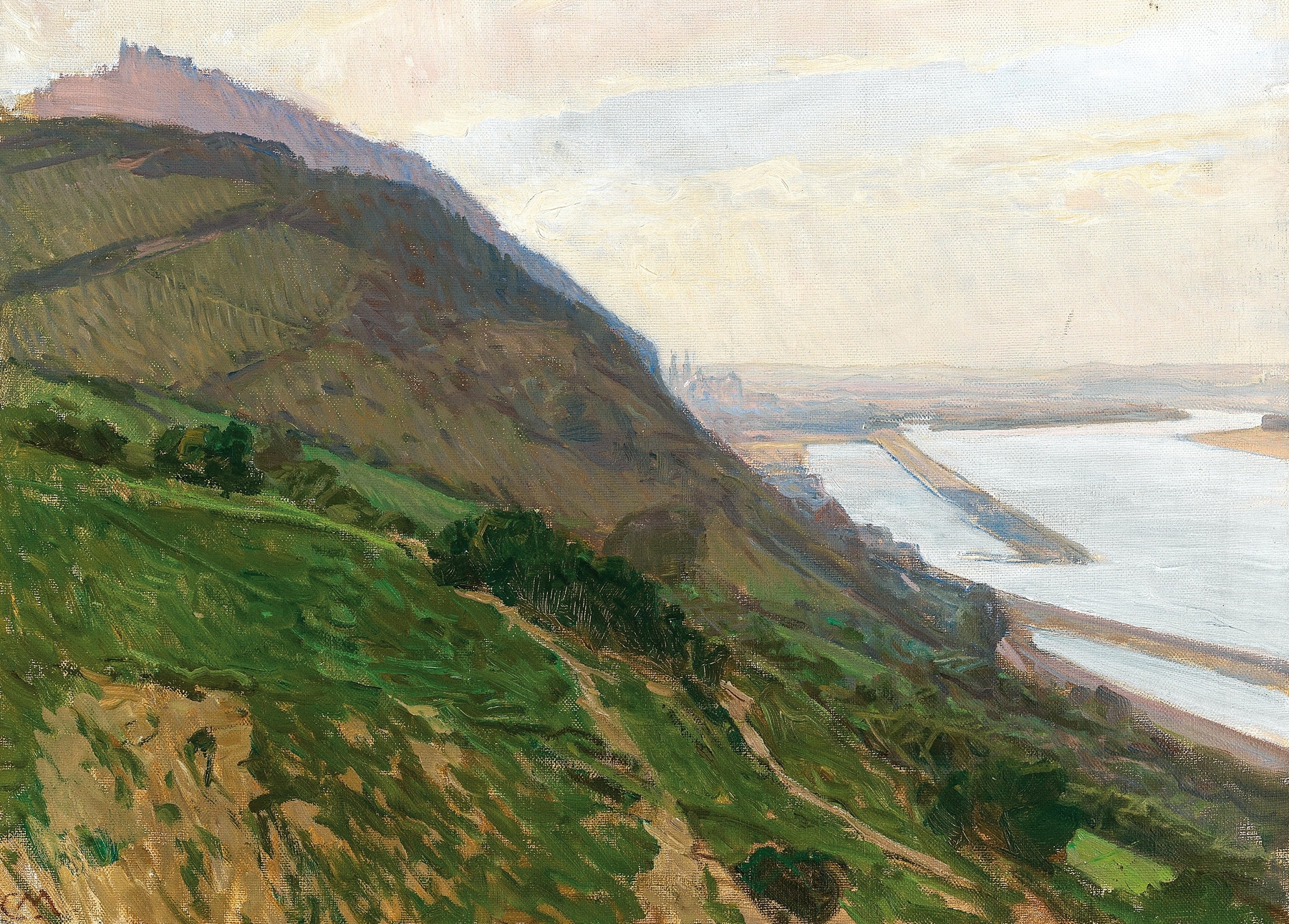
Who listens when art speaks of silence? The stillness in Landschaftsbild invites us to pause, to breathe, and to consider the legacies left behind in nature’s quiet embrace. Focus first on the harmonious palette that envelops the canvas. Notice how the soft greens and delicate blues blend seamlessly, drawing your gaze to the horizon where sky meets earth. The gentle brushwork evokes a sense of tranquility, and the subtle interplay of light and shadow offers depth, creating an illusion of space where one might wander endlessly.
Each stroke bears the weight of intention, guiding the viewer into the serene landscape. The emotional tension in this piece lies in its duality—nature’s beauty juxtaposed with an underlying sense of transience. Look closely at the trees; their sturdy trunks suggest permanence, yet their delicate leaves flutter, hinting at the fleeting passage of time. This balance between the eternal and the ephemeral resonates deeply, inviting contemplation on what remains when everything else fades.
The landscape becomes a metaphor for memory itself—a reminder that every scene holds a story, a legacy waiting to be unearthed. During the late 19th century, while painting Landschaftsbild in Vienna, Carl Moll was part of a vibrant art scene that embraced both Impressionism and the burgeoning modernist movement. The world was transforming around him, with rapid industrialization reshaping urban landscapes. Amidst this change, Moll sought refuge in the natural world, capturing its essence as a counterpoint to the chaos of contemporary life—a legacy that speaks to the enduring power of nature in an age of uncertainty.