
Landschap — History & Facts
In the void of silence, landscapes can whisper the profound truths of existence, capturing the essence of what it means to be human. Look to the left, where a solitary tree stands resolute against a backdrop of gentle hills. Its gnarled branches stretch toward the sky, as if reaching for something beyond grasp. The muted greens and browns blend harmoniously, invoking a sense of tranquility, yet hinting at the lingering emptiness in the spaces around it.
The soft, diffused light bathes the scene, revealing delicate textures in the foliage and gently illuminating the path that winds through the landscape. This work embodies a juxtaposition of serenity and isolation. The solitary tree serves as a symbol of perseverance amidst the vastness of nature, while the sparse, unpopulated terrain suggests a yearning for connection. The absence of human figures invites the viewer to ponder their own place within this tranquil yet haunting environment, evoking feelings of solitude and introspection.
Here, the void is not absence, but a canvas for reflection and contemplation. Jan van Brosterhuyzen painted Landschap between 1606 and 1650, during a period when Dutch landscape painting was becoming a prominent genre. Working in the Netherlands, he was influenced by the natural beauty surrounding him and the burgeoning interest in portraying the interplay between light and landscape. This was a time of great exploration and artistic development, and Brosterhuyzen's work reflects the evolving sensibilities of his contemporaries, embracing both the beauty and the solitude found in nature.
More Artworks by Jan van Brosterhuyzen
Browse all →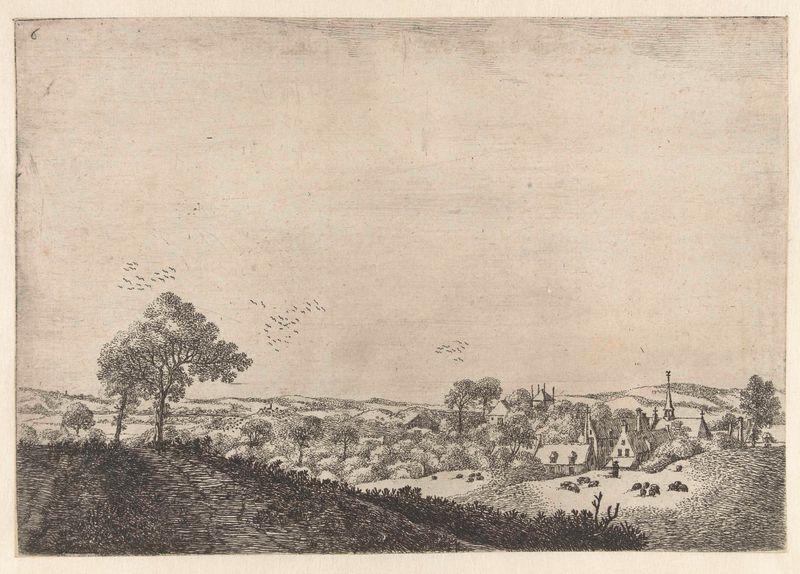
Landschap met dorp en herder met kudde
Jan van Brosterhuyzen
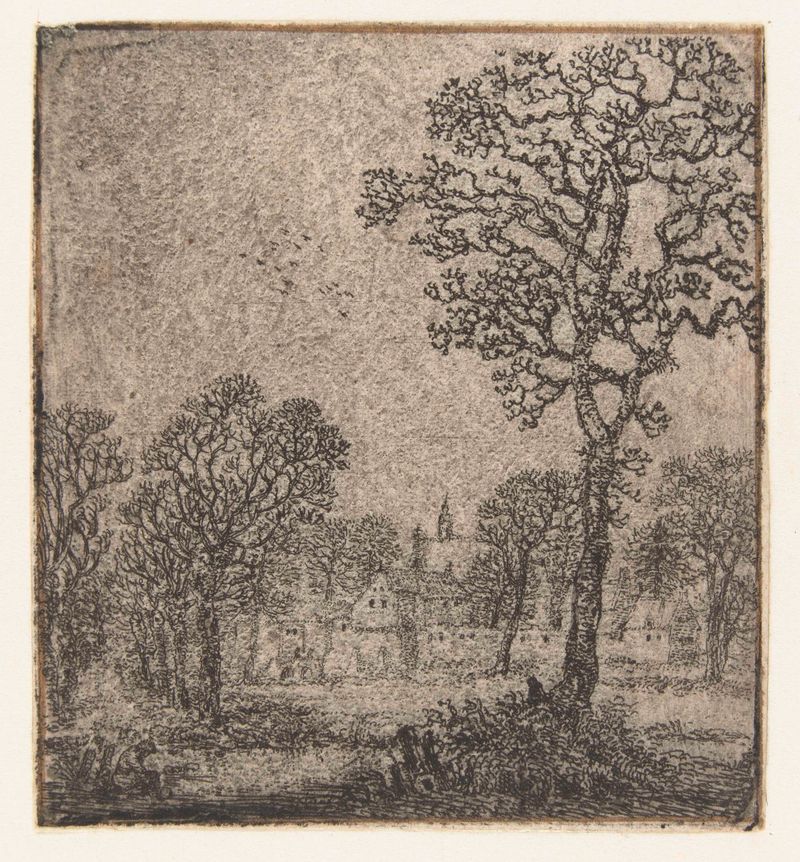
Winterlandschap met gezicht op een dorp
Jan van Brosterhuyzen
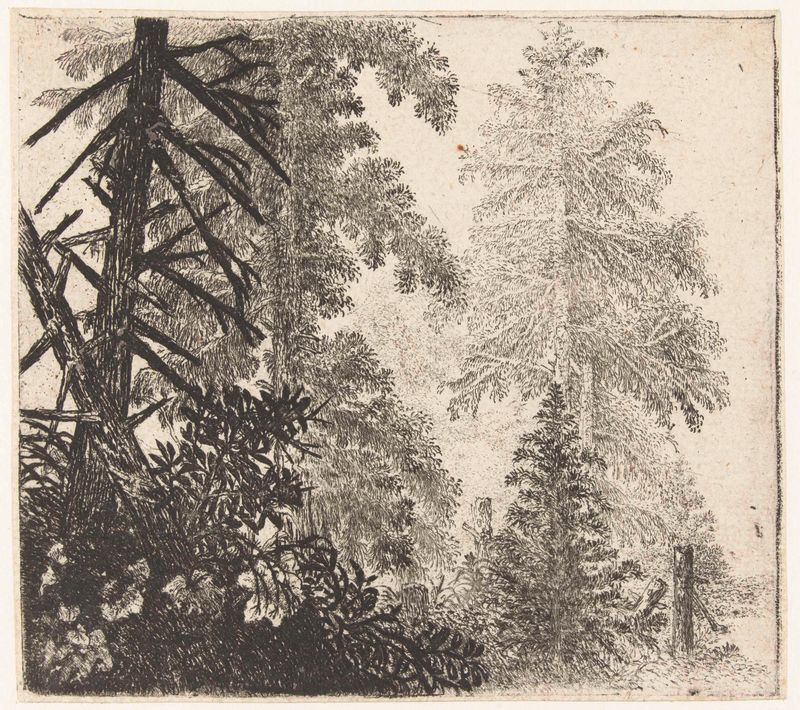
Landschap met de twee sparren
Jan van Brosterhuyzen
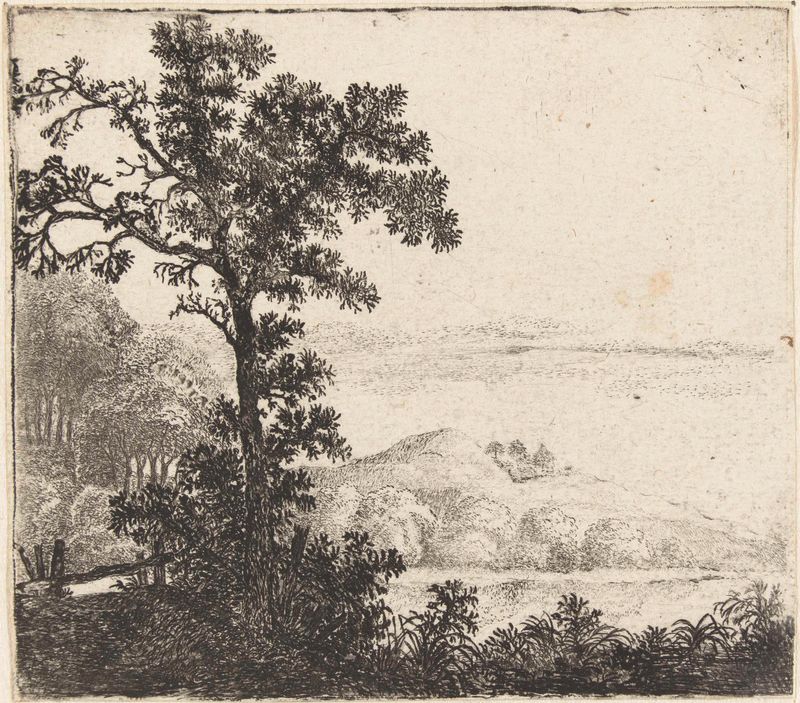
Landschap met boom bij een rivieroever
Jan van Brosterhuyzen
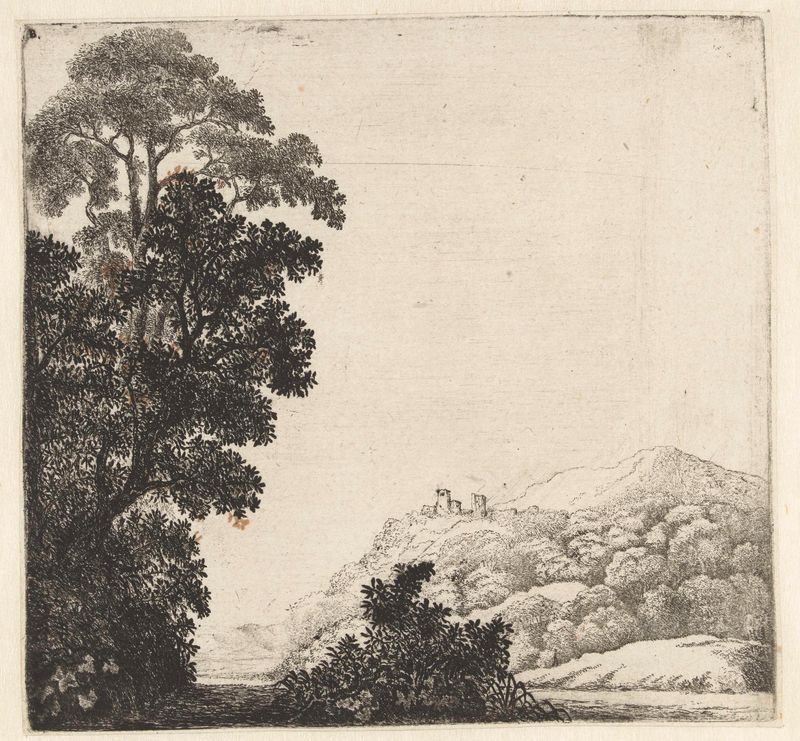
Landschap met ruïne op heuvel
Jan van Brosterhuyzen
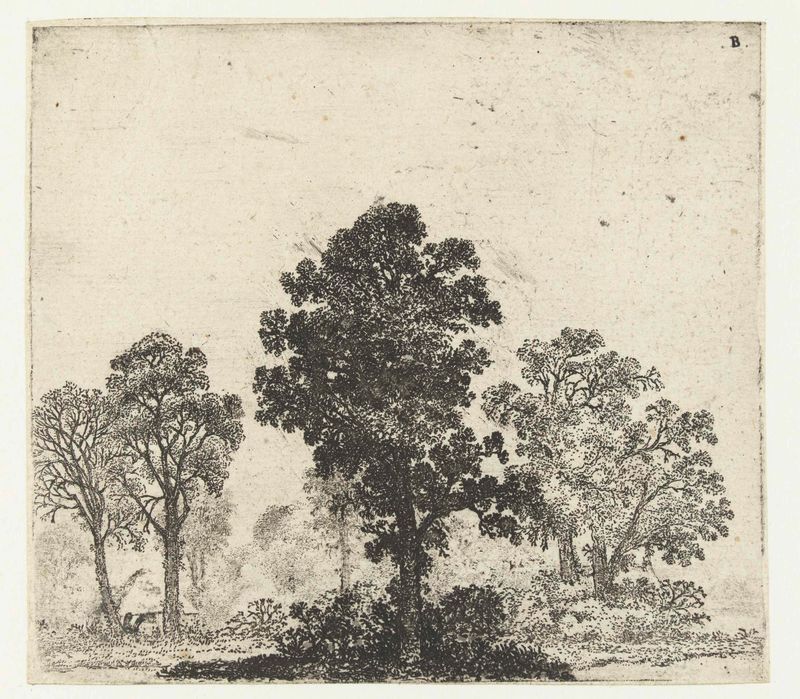
Landschap met boom in het midden
Jan van Brosterhuyzen
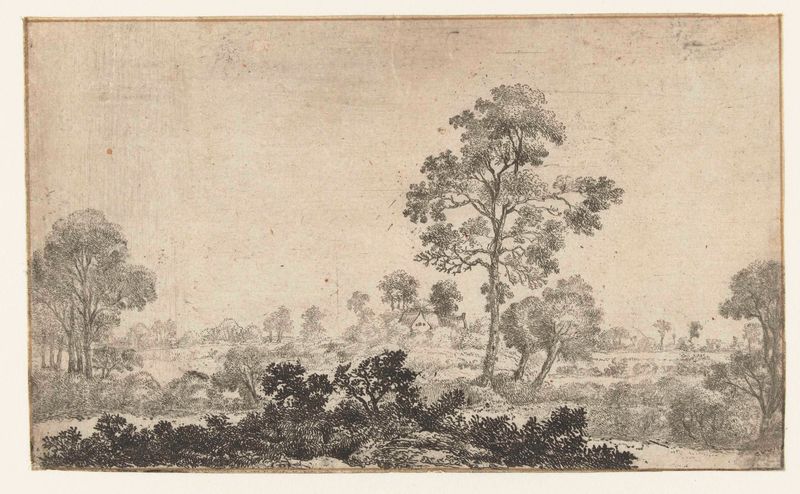
Landschap met twee wilgen bij grote boom
Jan van Brosterhuyzen

Gezicht op een kasteel
Jan van Brosterhuyzen

Landschap met boerderij bij een vijver
Jan van Brosterhuyzen

Landschap met gezicht op dorp en man in boot
Jan van Brosterhuyzen





