
Winterlandschap met gezicht op een dorp — History & Facts
Who listens when art speaks of silence? In a world so often filled with noise, Winterlandschap met gezicht op een dorp invites us to contemplate the profound emptiness that winter brings, echoing the stillness of the season’s embrace. Focus on the vast expanse of white that dominates the canvas. The crisp snow blankets the landscape, creating a stark contrast with the dark silhouettes of the distant village. Notice how the gentle brushstrokes capture the intricate patterns in the snow, leading your gaze toward the small cluster of houses nestled beneath the muted gray sky.
Each structure, almost swallowed by the surrounding whiteness, stands as a testament to human resilience against nature's cold indifference. Delve deeper into the emotional landscape of this work. The emptiness evokes a sense of isolation, yet there’s a quiet warmth emanating from the village, suggesting community despite the harshness of winter. The artist's use of soft blues and grays creates a melancholic atmosphere, while the occasional warm hue hints at life within the homes.
This contrasting tension between desolation and comfort speaks to the human condition—our longing for connection amid solitude. Jan van Brosterhuyzen painted Winterlandschap met gezicht op een dorp between 1610 and 1650, during a period when the Dutch Golden Age flourished, marked by increasing interest in landscapes and atmospheric effects. As an artist navigating this rich artistic environment, he contributed to the burgeoning genre of winter scenes, capturing the subtle beauty of nature and the nuanced emotions it stirs within us.
More Artworks by Jan van Brosterhuyzen
Browse all →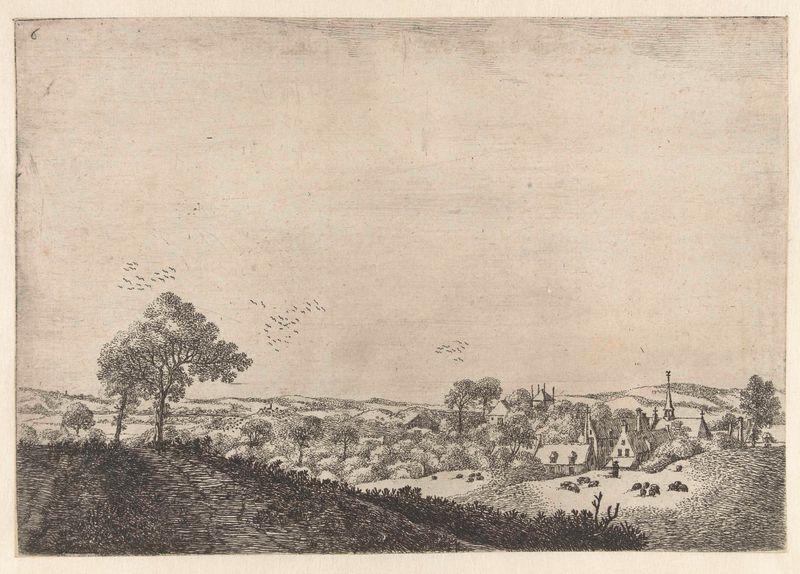
Landschap met dorp en herder met kudde
Jan van Brosterhuyzen
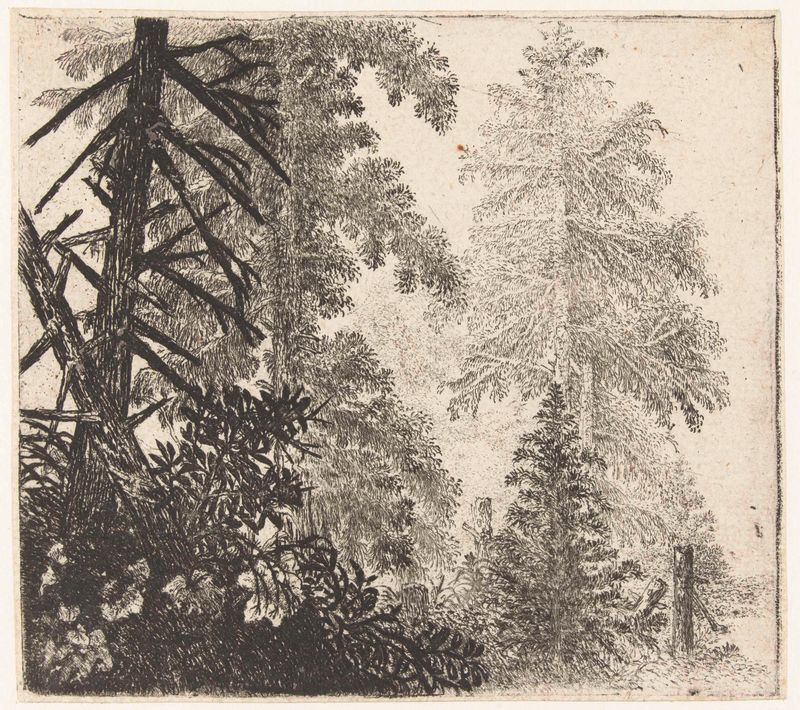
Landschap met de twee sparren
Jan van Brosterhuyzen
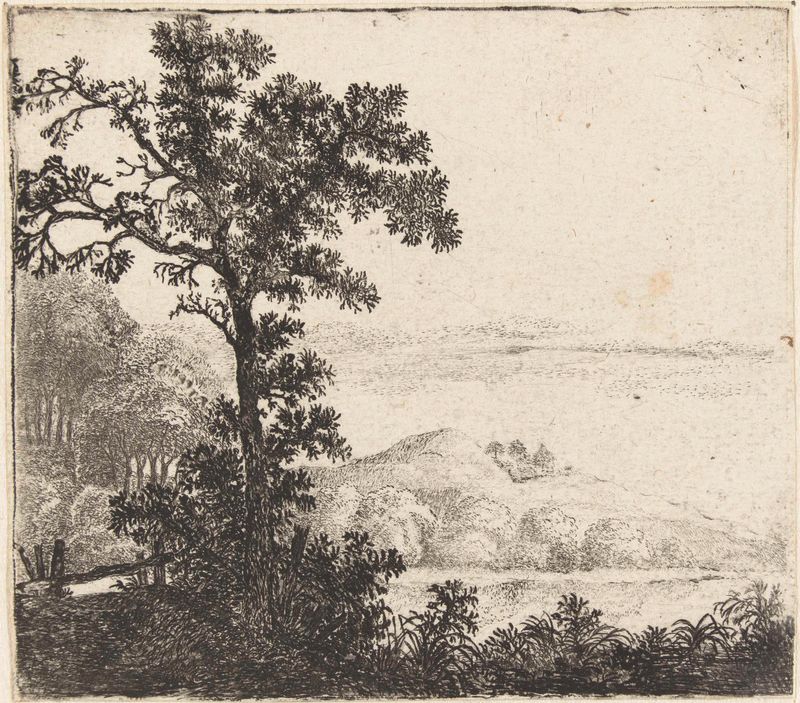
Landschap met boom bij een rivieroever
Jan van Brosterhuyzen
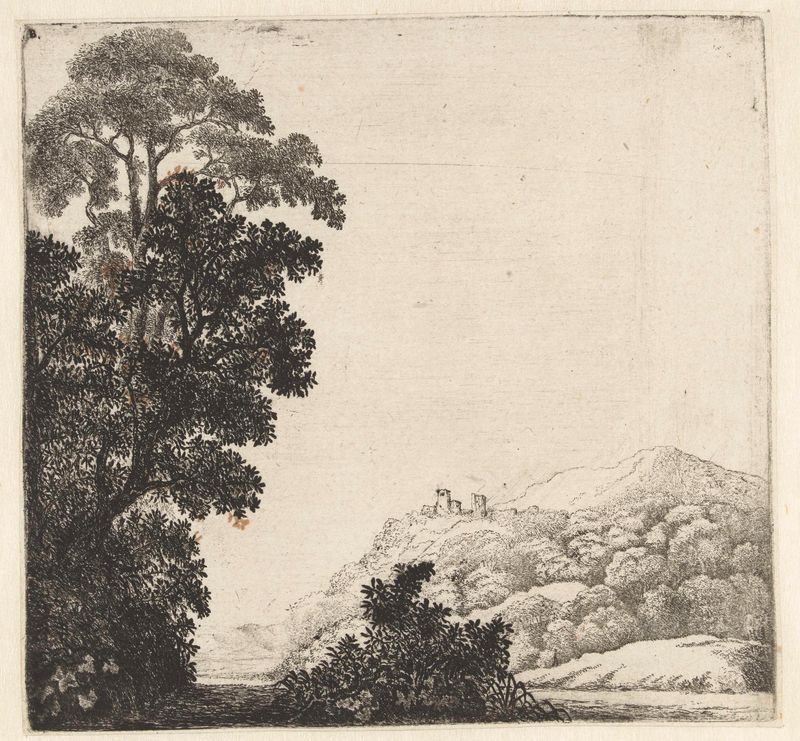
Landschap met ruïne op heuvel
Jan van Brosterhuyzen
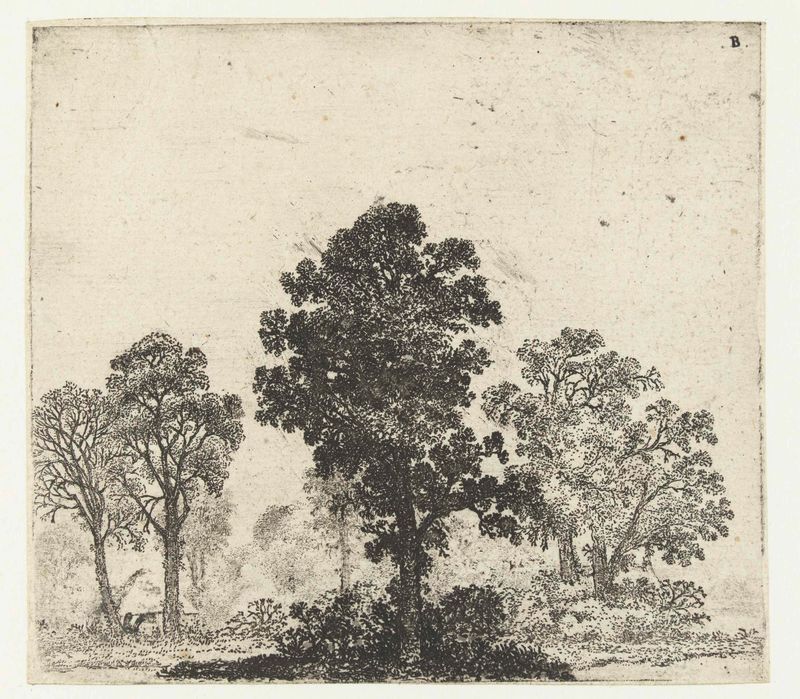
Landschap met boom in het midden
Jan van Brosterhuyzen
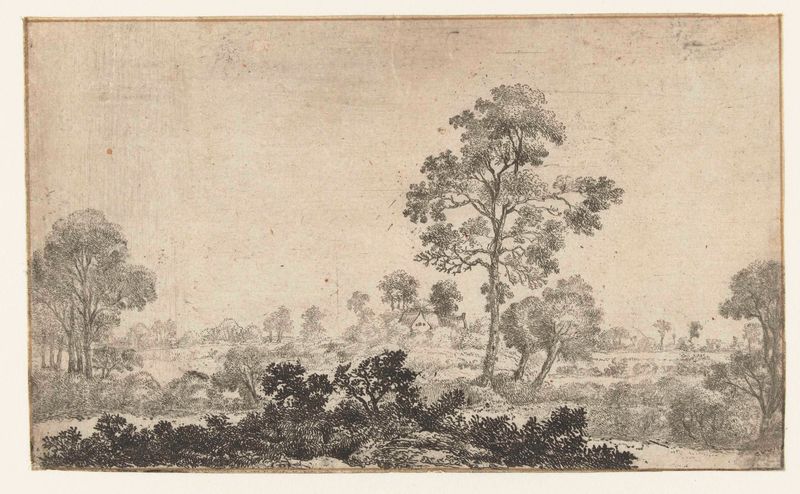
Landschap met twee wilgen bij grote boom
Jan van Brosterhuyzen

Gezicht op een kasteel
Jan van Brosterhuyzen

Landschap met boerderij bij een vijver
Jan van Brosterhuyzen

Landschap met gezicht op dorp en man in boot
Jan van Brosterhuyzen

Landschap met gesloten hekje
Jan van Brosterhuyzen





