
Landschap met boom in het midden — History & Facts
In this stillness, we confront the profound emptiness that can both terrify and liberate the soul. How does one reconcile the vastness of nature with the solitude of the self? Look to the center, where a solitary tree stands resolute against the open landscape. The earthy browns and soft greens of the foliage are juxtaposed with the pale, expansive sky—colors that whisper the quietness of a moment suspended in time.
Notice how the light gently caresses the tree's branches, illuminating its leaves while casting soft shadows on the ground below; this interplay of light and shadow mirrors the tension between presence and absence, inviting the viewer to pause and reflect. Yet, it is the simplicity of the composition that reveals deeper emotional currents. The tree, both a symbol of life and isolation, evokes a sense of yearning for connection in an otherwise barren expanse. The lack of other figures or structures amplifies this feeling, drawing attention to the silent dialogue between man and nature.
The empty spaces surrounding the tree encourage contemplation, evoking an awareness of our own place within the vastness of existence. Created in the early 17th century, this work emerged during a time of significant change in Dutch art, as artists began to explore themes of realism and individual experience. Jan van Brosterhuyzen painted Landschap met boom in het midden amidst a burgeoning interest in landscapes that reflected both beauty and the emotional landscape of the human condition. This period marked a shift toward introspection, as artists sought to capture the essence of nature and its relationship with human feelings.
More Artworks by Jan van Brosterhuyzen
Browse all →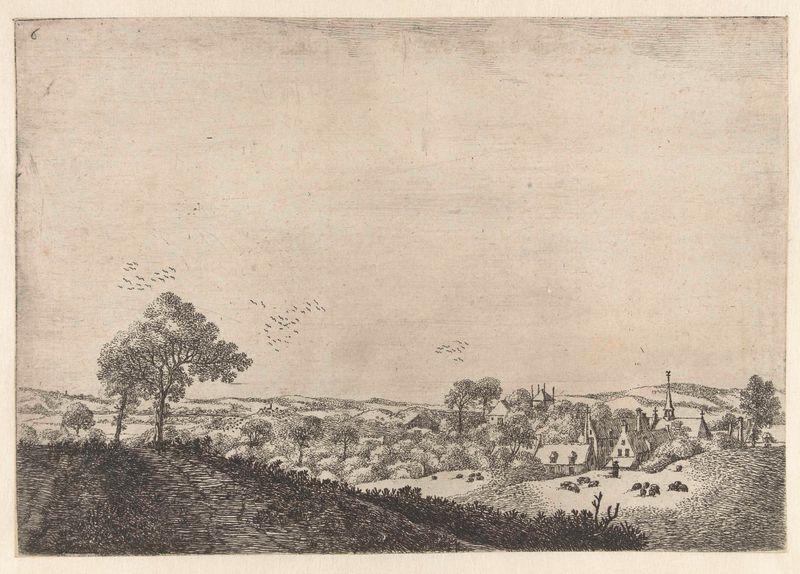
Landschap met dorp en herder met kudde
Jan van Brosterhuyzen
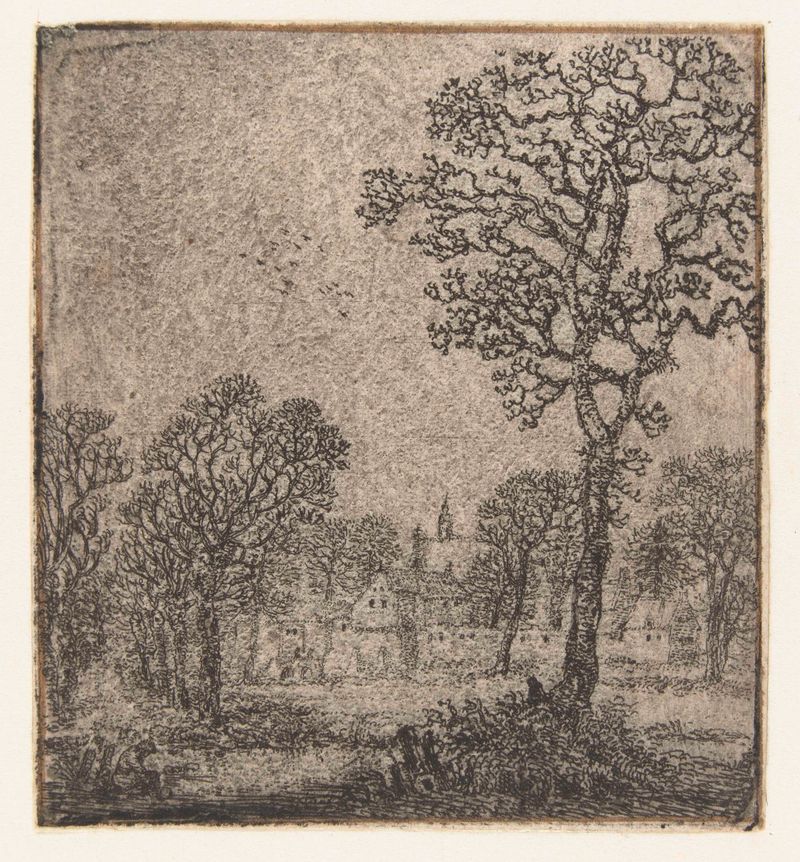
Winterlandschap met gezicht op een dorp
Jan van Brosterhuyzen
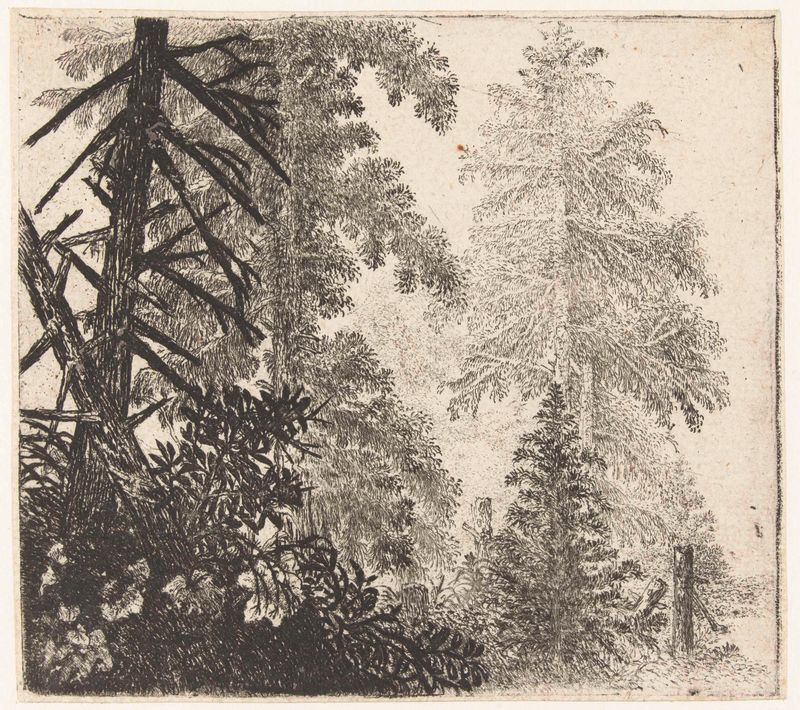
Landschap met de twee sparren
Jan van Brosterhuyzen
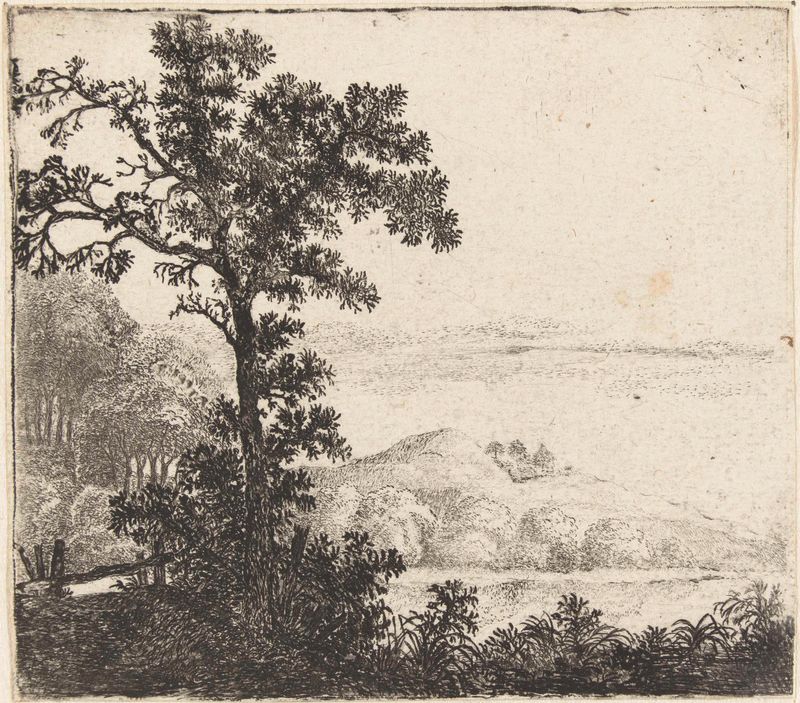
Landschap met boom bij een rivieroever
Jan van Brosterhuyzen
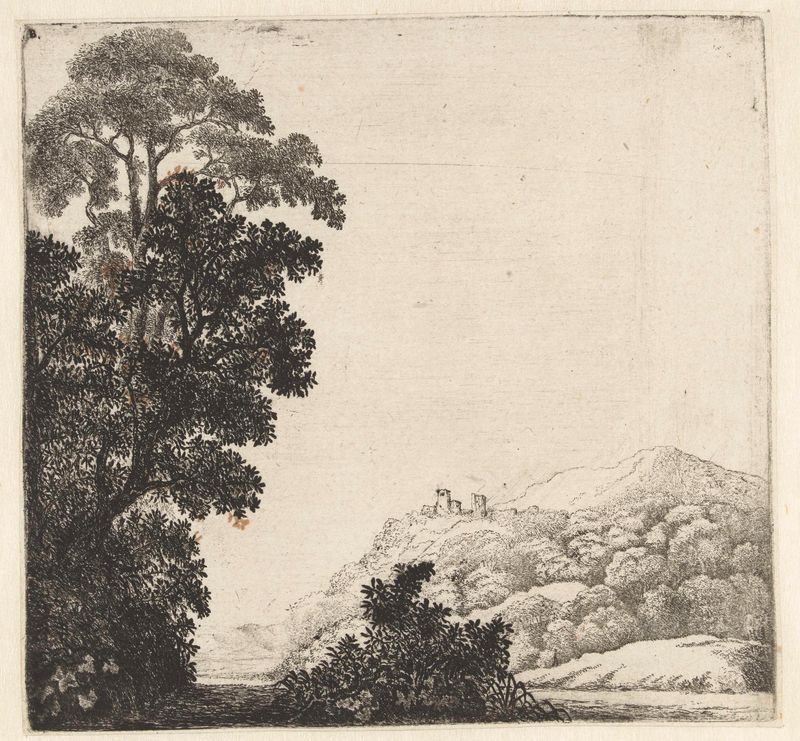
Landschap met ruïne op heuvel
Jan van Brosterhuyzen
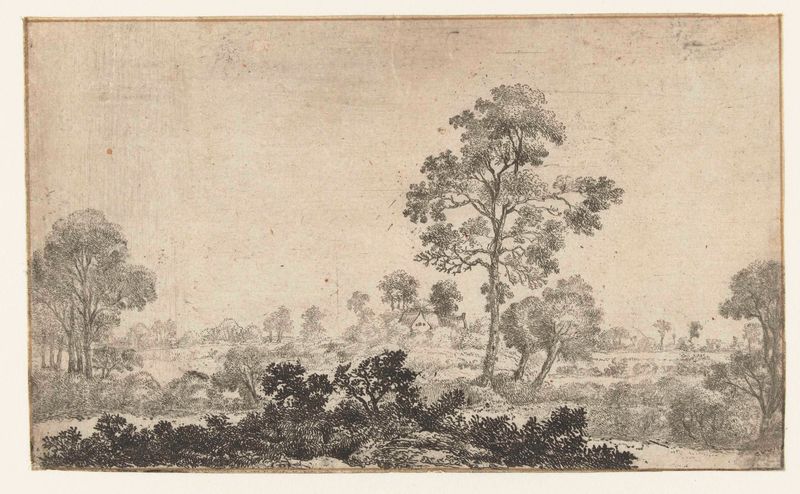
Landschap met twee wilgen bij grote boom
Jan van Brosterhuyzen

Gezicht op een kasteel
Jan van Brosterhuyzen

Landschap met boerderij bij een vijver
Jan van Brosterhuyzen

Landschap met gezicht op dorp en man in boot
Jan van Brosterhuyzen

Landschap met gesloten hekje
Jan van Brosterhuyzen





