
Landschap met de twee sparren — History & Facts
When did color learn to lie? In a world where hues dance and deceive, the landscape before us reveals its secrets with a whisper of awe. Look to the left at the towering evergreens, their deep greens punctuated by the soft sunlight filtering through the cloudy sky. The artist's brush strokes give texture to the foliage, creating a sense of movement, as if the trees sway gently in the wind. Focus on the warm palette that contrasts with the coolness of the shadows, leading your eye towards the tranquil waterway that meanders through the scene.
Notice how the reflection in the lake mirrors not just the trees but also the delicate play of light above, inviting contemplation of nature's dualities. Within this serene tableau, subtle tensions emerge between light and shadow, stillness and motion, reality and illusion. The foreground, rich in detail, contrasts with the hazy background, suggesting depth yet retaining an air of mystery. The juxtaposition of the firm ground beneath the evergreens and the ephemeral clouds overhead evokes a sense of transience, making the viewer ponder the relationship between the earthly and the ethereal. Painted between 1610 and 1650, during a period marked by the rise of Dutch landscape painting, the artist captured the essence of nature’s beauty amidst a changing world.
As the Golden Age flourished, artists like this one sought to reflect the harmonious relationship between humanity and the environment. This work stands emblematic of an era when landscapes were not merely backdrops but a canvas for deeper philosophical exploration.
More Artworks by Jan van Brosterhuyzen
Browse all →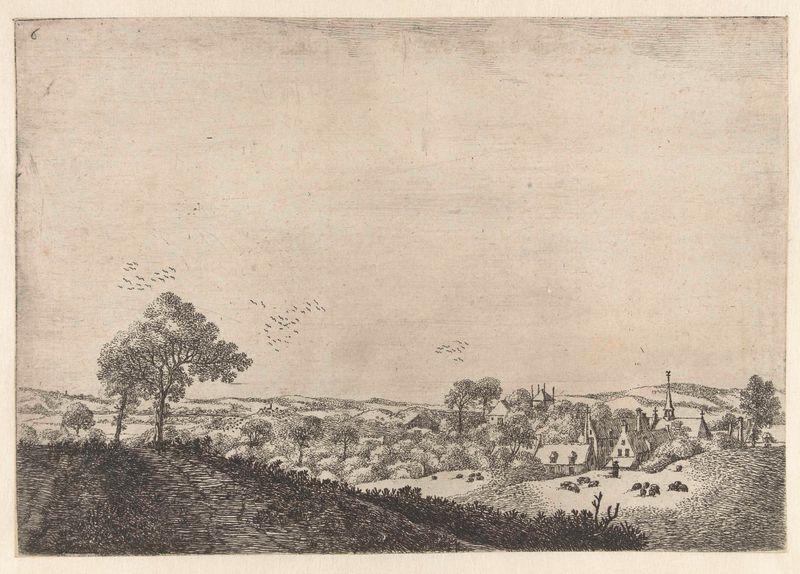
Landschap met dorp en herder met kudde
Jan van Brosterhuyzen
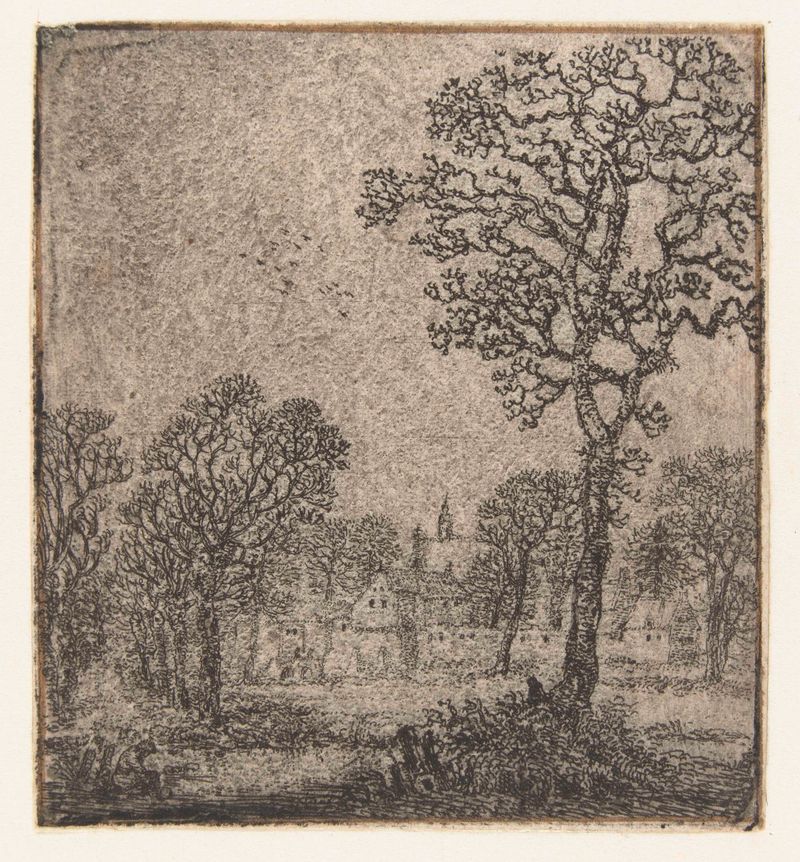
Winterlandschap met gezicht op een dorp
Jan van Brosterhuyzen
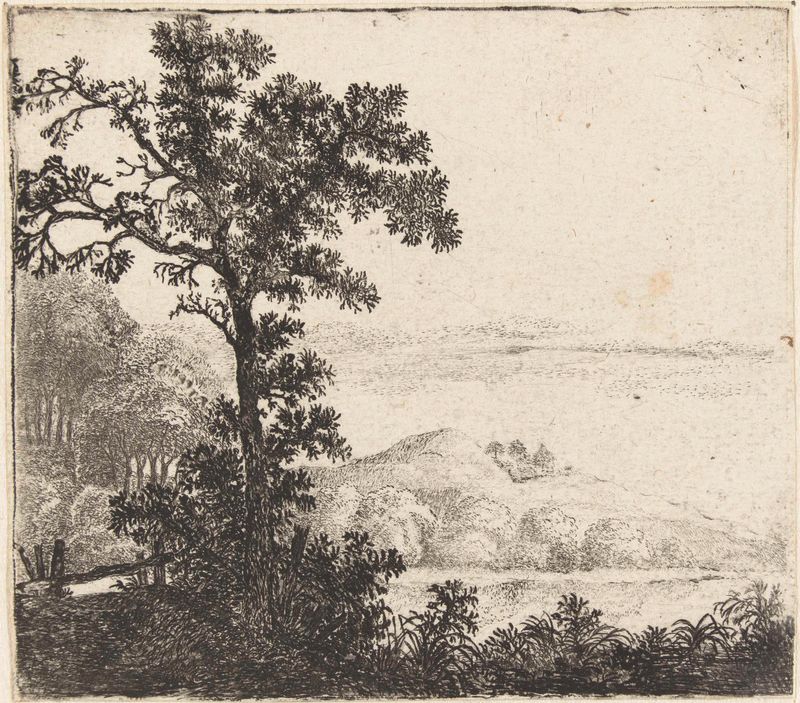
Landschap met boom bij een rivieroever
Jan van Brosterhuyzen
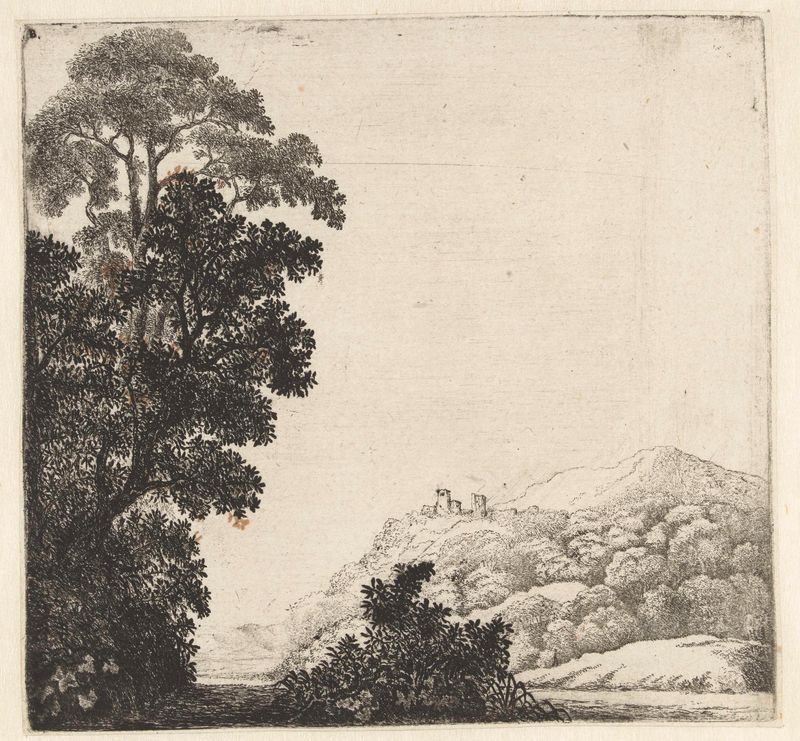
Landschap met ruïne op heuvel
Jan van Brosterhuyzen
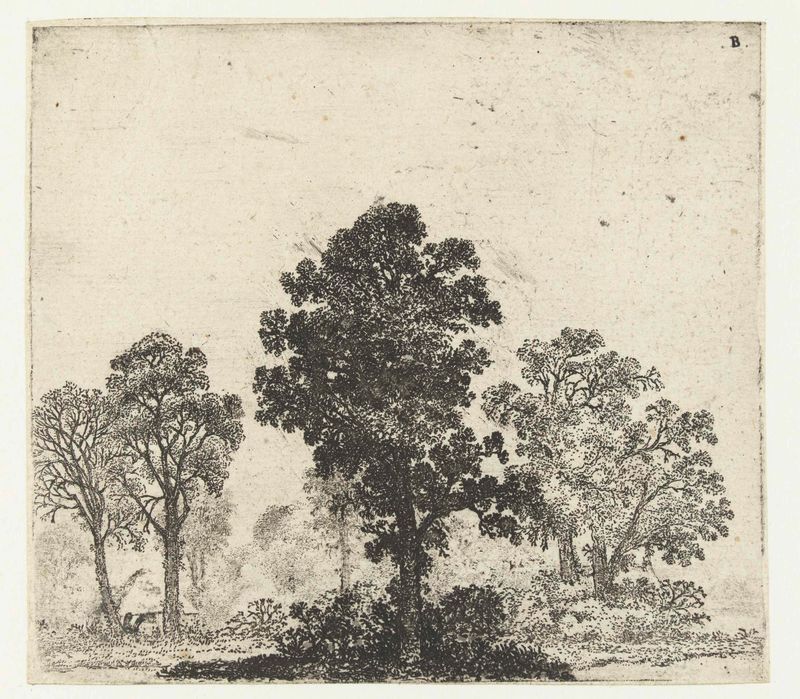
Landschap met boom in het midden
Jan van Brosterhuyzen
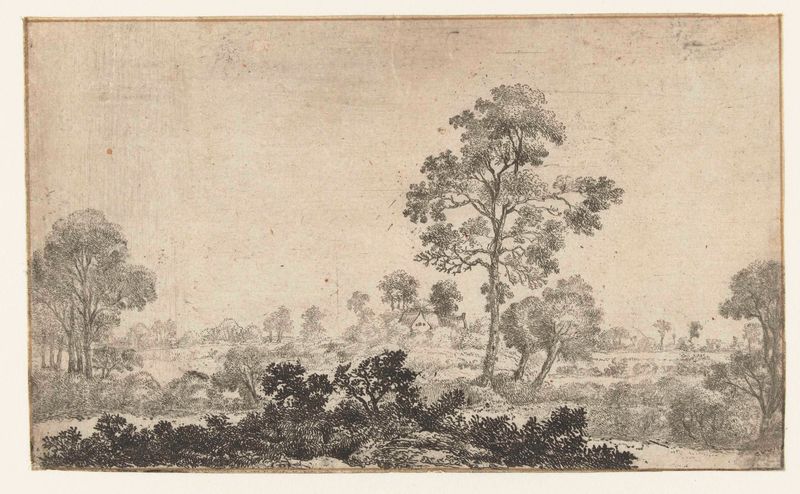
Landschap met twee wilgen bij grote boom
Jan van Brosterhuyzen

Gezicht op een kasteel
Jan van Brosterhuyzen

Landschap met boerderij bij een vijver
Jan van Brosterhuyzen

Landschap met gezicht op dorp en man in boot
Jan van Brosterhuyzen

Landschap met gesloten hekje
Jan van Brosterhuyzen





