
Landschap in inkt — History & Facts
This poignant truth resonates within the depths of Landschap in inkt, where fear and fragility intertwine in a haunting landscape. Focus immediately on the dense ink wash that cloaks the canvas, evoking shadows and uncertainty. The swirling forms draw the eye to the horizon, where darkness meets an ambiguous light. Look closely at the delicate lines that seem to tremble and quiver, capturing the essence of a world in flux.
This interplay of dark and light creates an atmosphere thick with tension, as if the landscape itself is holding its breath. Yet, beneath the surface lies a deeper narrative. The fluidity of the ink suggests both creation and destruction, a reminder of nature's duality. There’s a palpable contrast between the chaotic strokes and the areas of stillness, symbolizing the precarious balance between fear and solace.
Each detail whispers of the artist's inner turmoil, revealing an emotional landscape as raw and turbulent as the physical one. Albert Daenens painted this work in 1919, shortly after the turmoil of World War I. Living in Belgium during this time, he was deeply influenced by the destruction surrounding him. The art world was grappling with the aftermath of conflict, prompting many artists to explore themes of loss and existential dread.
In the wake of such chaos, Landschap in inkt serves as both a personal and collective reflection on the haunting specter of fear that lingers in the shadows of memory.
More Artworks by Albert Daenens
Browse all →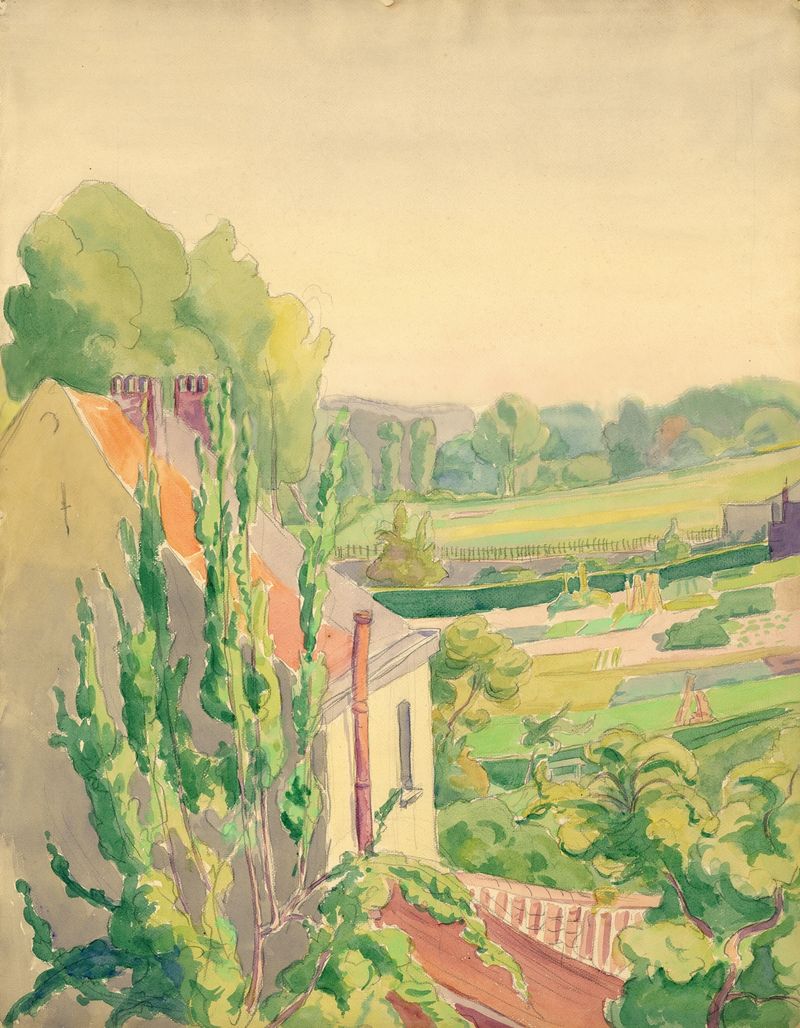
Landschap in aquarel
Albert Daenens
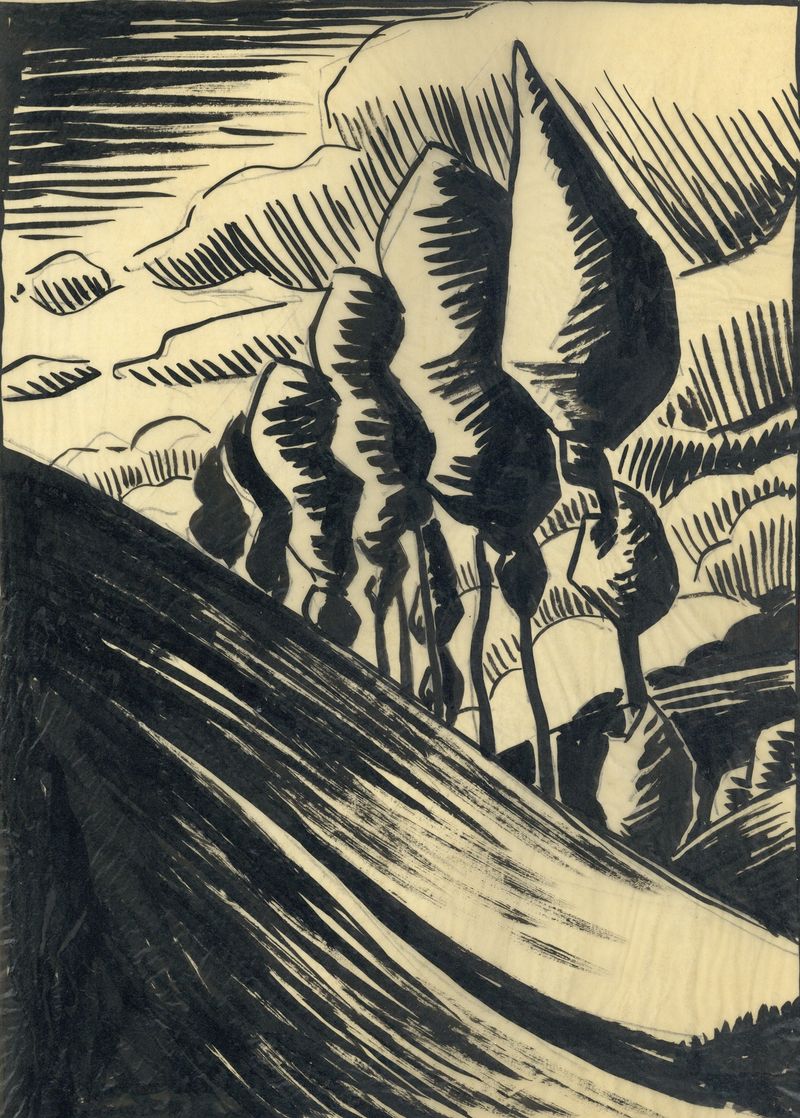
Landschap in inkt
Albert Daenens
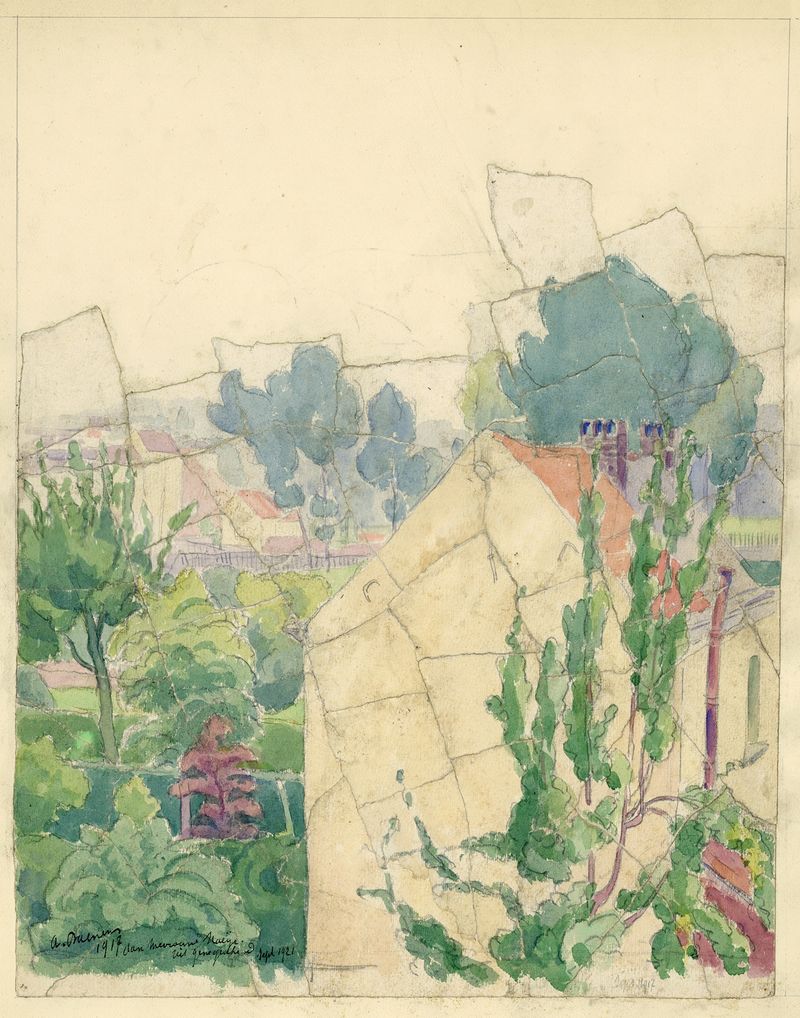
Landschap in aquarel
Albert Daenens
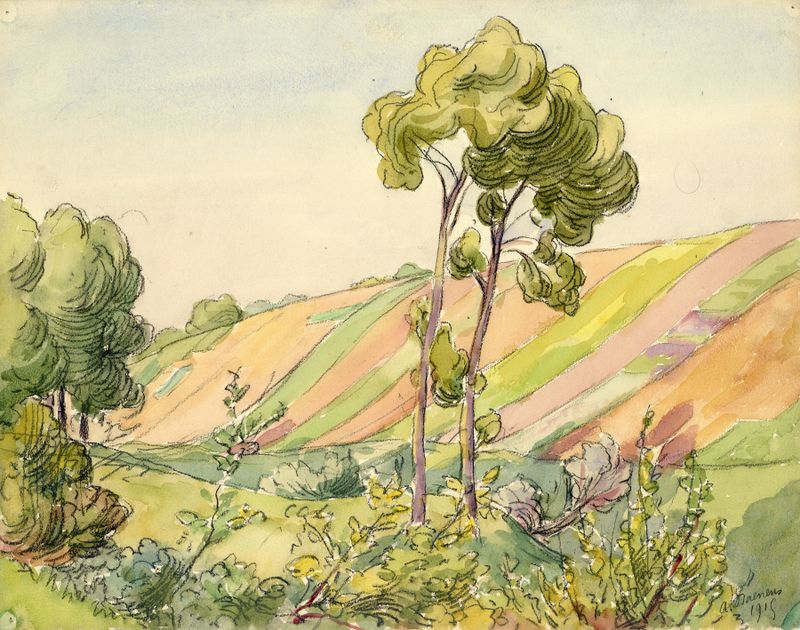
Landschap in aquarel
Albert Daenens

Landschappen Natuur
Albert Daenens
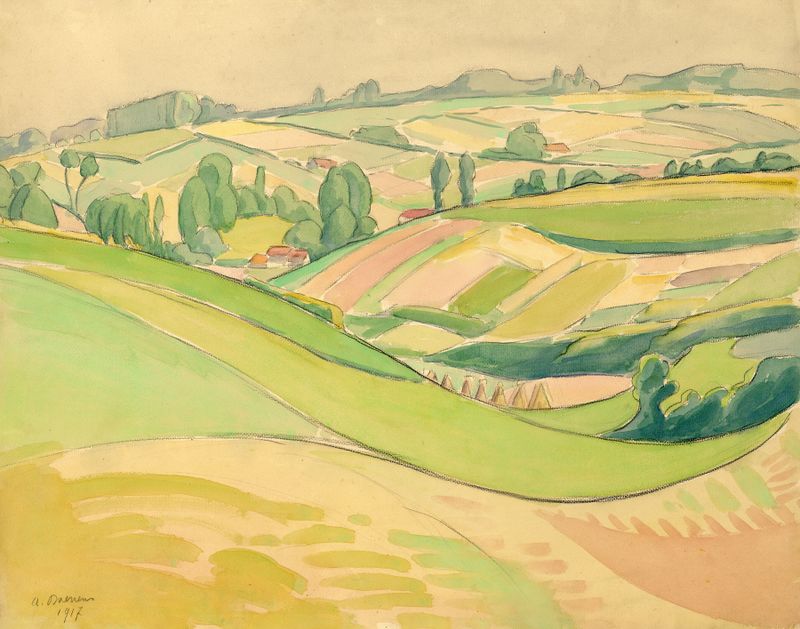
Landschap in aquarel
Albert Daenens
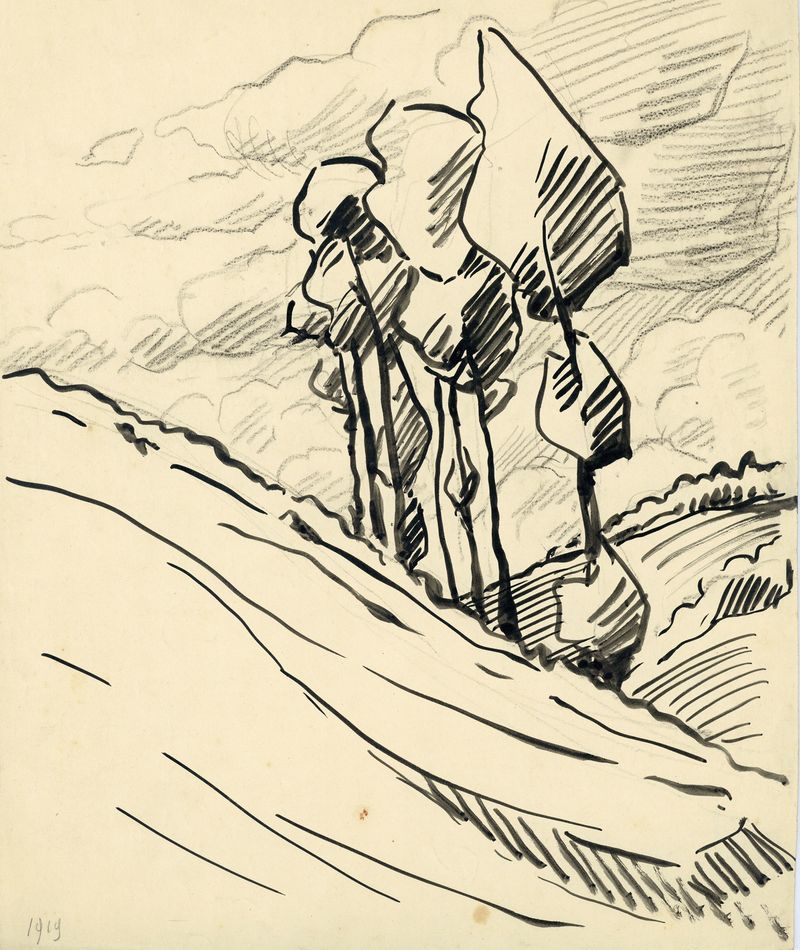
Landschap in inkt
Albert Daenens

Landschap in inkt
Albert Daenens
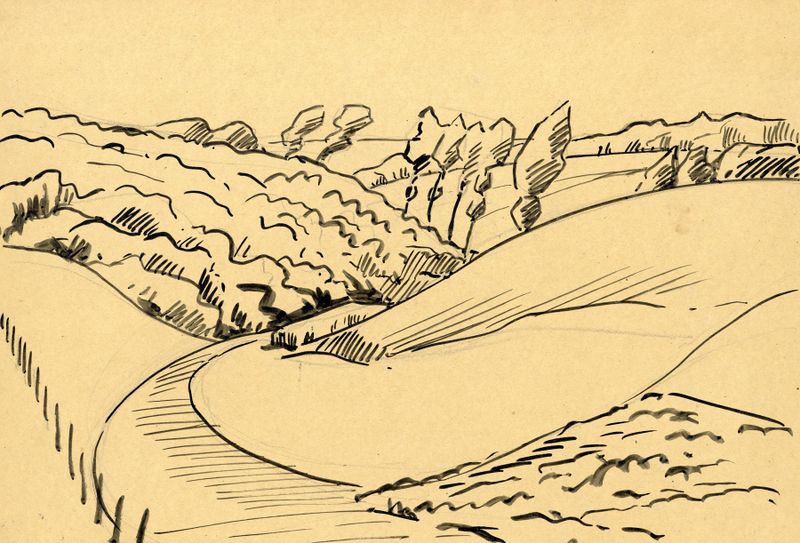
Landschap in inkt
Albert Daenens

Landschap in inkt
Albert Daenens





