
Landschap met begrafenisstoet — History & Facts
When did color learn to lie? In an era where the brush could both reveal and conceal, a profound revolution began to stir beneath the surface of artistry. Focus on the horizon, where soft pastels collide in a gentle embrace, creating an ethereal backdrop for the solemn procession unfolding. Notice how the figures, draped in muted tones of earth and sky, seem to float rather than walk, their outlines blurred as if resisting the gravity of their grief. The lush landscape breathes life into the scene, contrasting the mourning figures with vivid greens and deep blues, inviting a moment of reflection amidst the sorrow. Yet, beneath the beauty lies a subtle dichotomy.
Each figure carries not just the weight of loss but also an unspoken resilience, their postures both respectful and defiant against the stark reality of death. The juxtaposition of serene landscape with the heavy emotional current of the funeral hints at a deeper commentary on life’s transience, urging the viewer to grapple with the fragility of existence itself. The flickers of light dancing on the foliage seem almost mocking, suggesting that even in mourning, life continues unabated. Giuliano Giampiccoli painted this piece between 1739 and 1740, during a time when Italy was undergoing significant cultural shifts.
As a lesser-known artist primarily working in Venice, he found himself influenced by both the burgeoning Rococo movement and the remnants of Baroque depth. In this transitional phase, Giampiccoli captured not only the essence of his contemporary world but also the evolving dialogue between life and art, suggesting that even in grief, there is a profound beauty to behold.
More Artworks by Giuliano Giampiccoli
Browse all →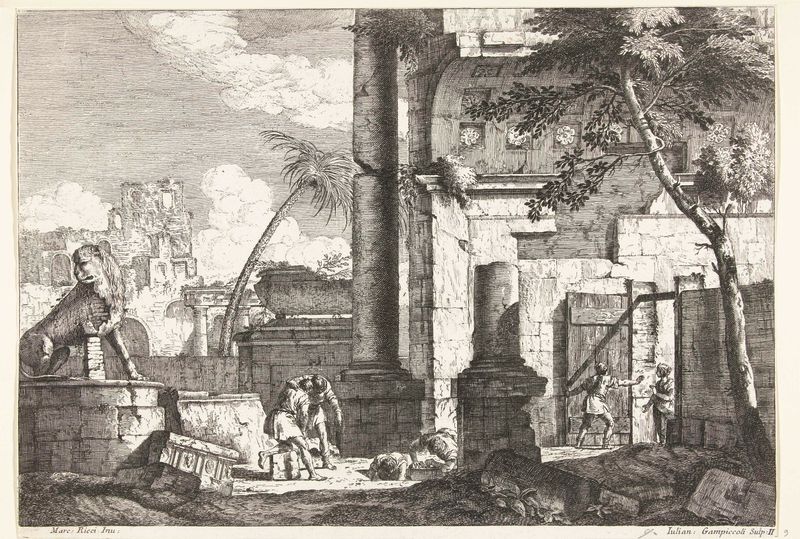
Antieke ruines met graf plunderaars en palmboom
Giuliano Giampiccoli
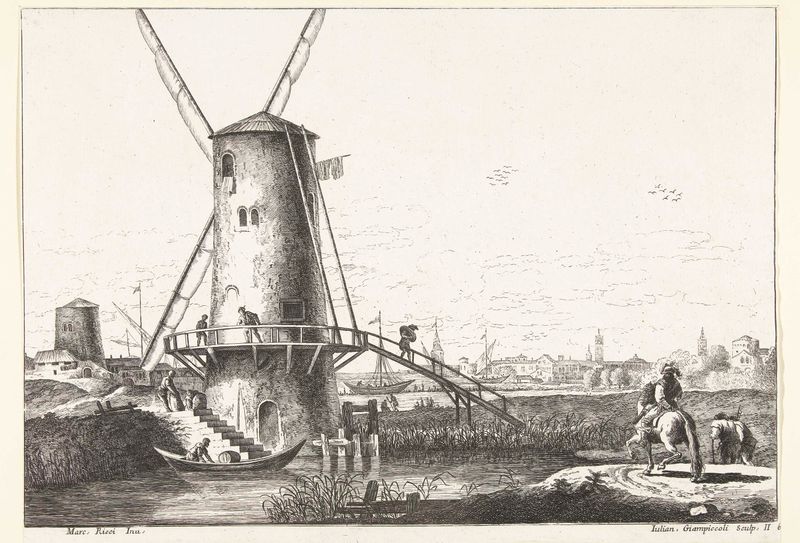
Landschap met molen aan water
Giuliano Giampiccoli
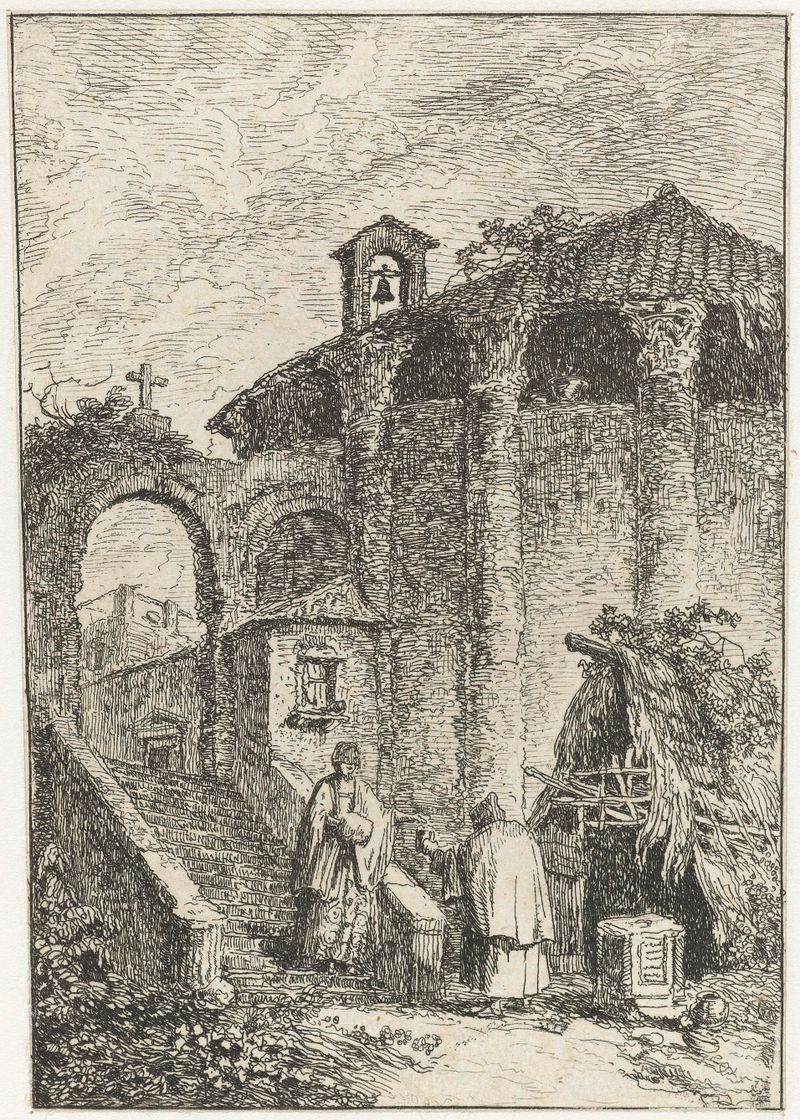
Gezicht op woningen en antieke ruïnes aan rand van stad
Giuliano Giampiccoli
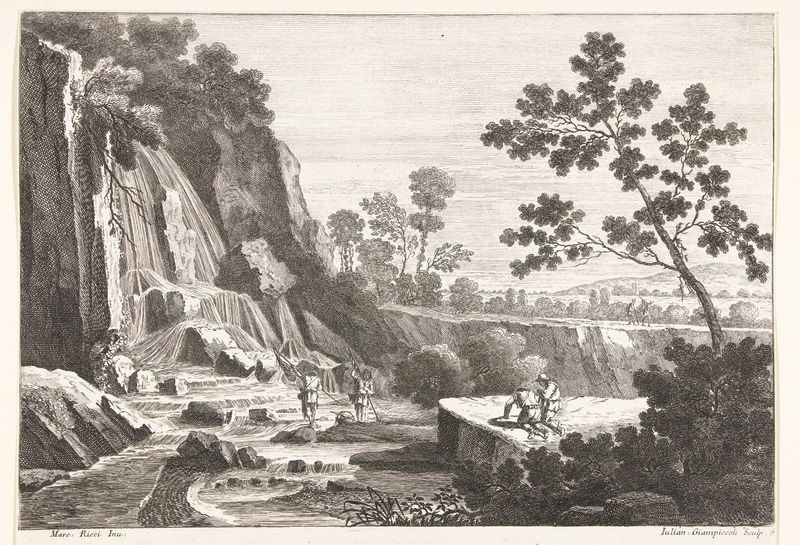
Landschap met waterval en vissers en andere figuren
Giuliano Giampiccoli
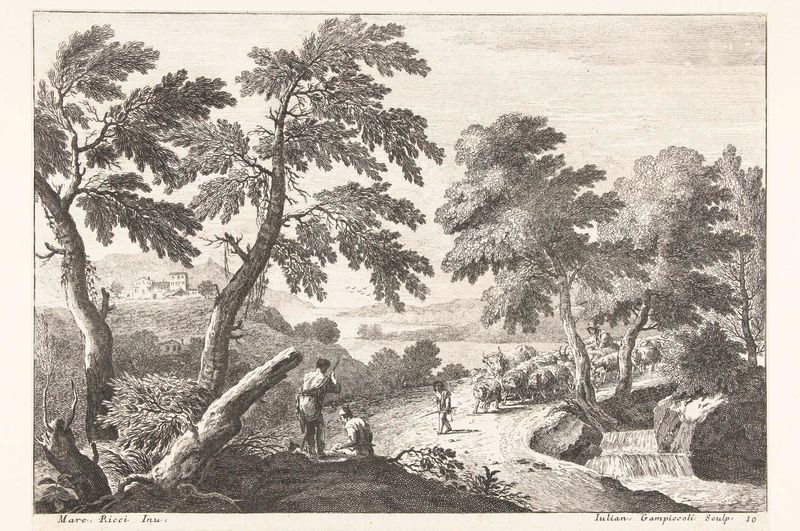
Landschap met herders op weg langs kleine waterval
Giuliano Giampiccoli
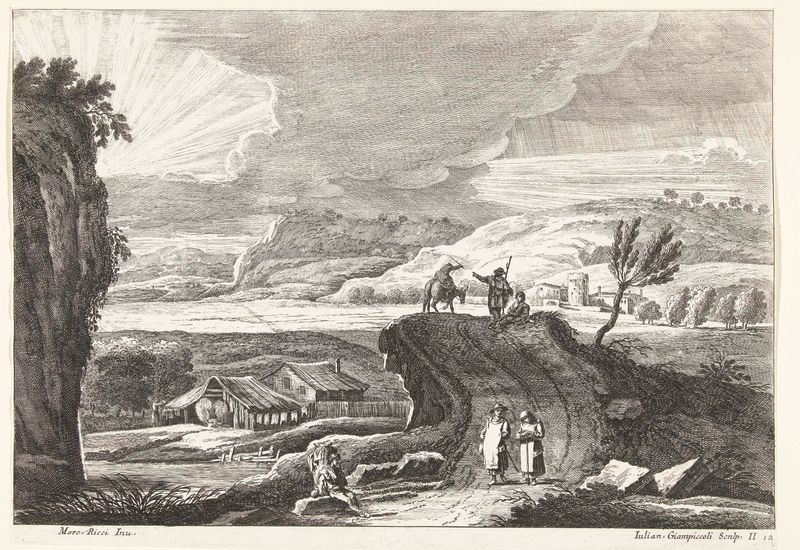
Heuvellandschap met pelgrims op weg en ondergaande zon
Giuliano Giampiccoli
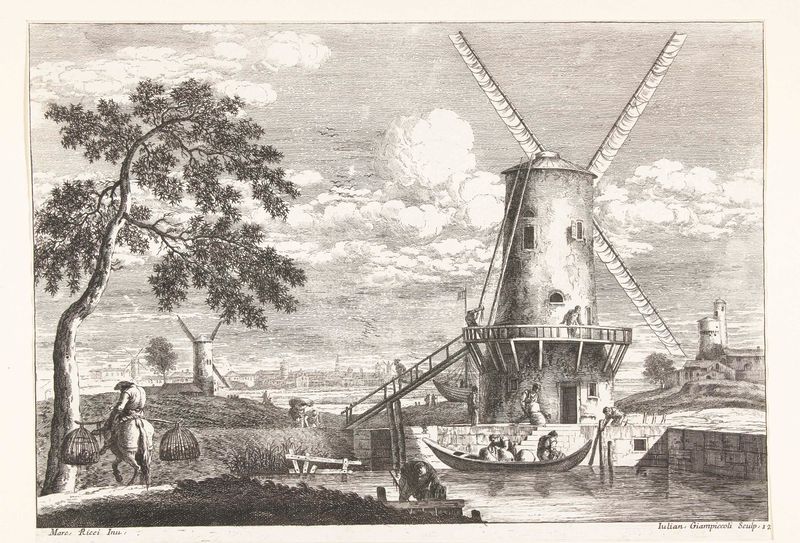
Landschap met molen aan water
Giuliano Giampiccoli
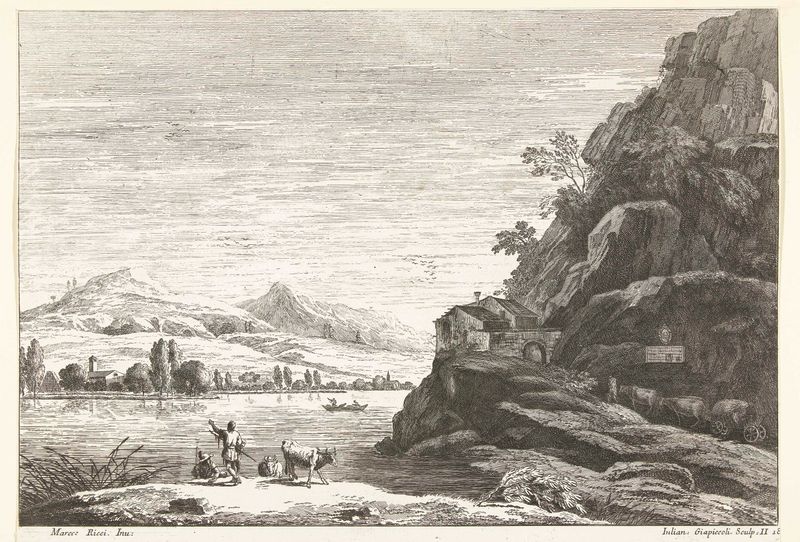
Rivierlandschap met huis tegen rots
Giuliano Giampiccoli
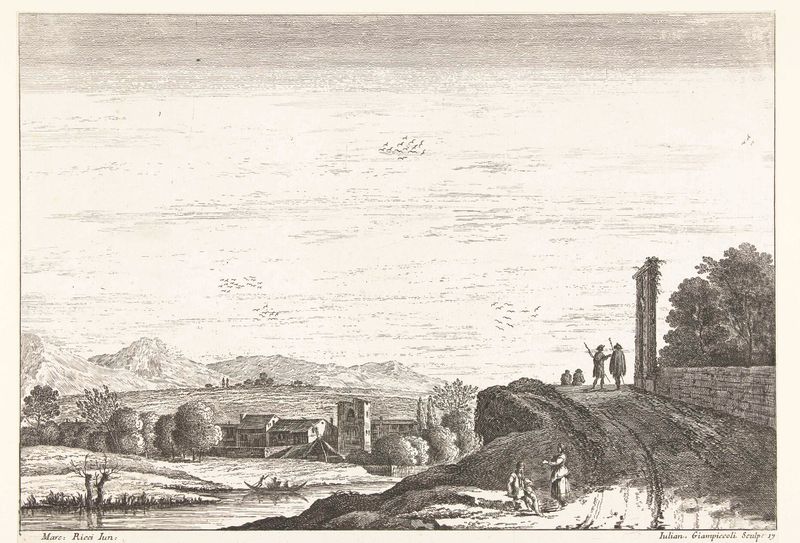
Weg langs rivier met figuren en twee antieke zuilen
Giuliano Giampiccoli
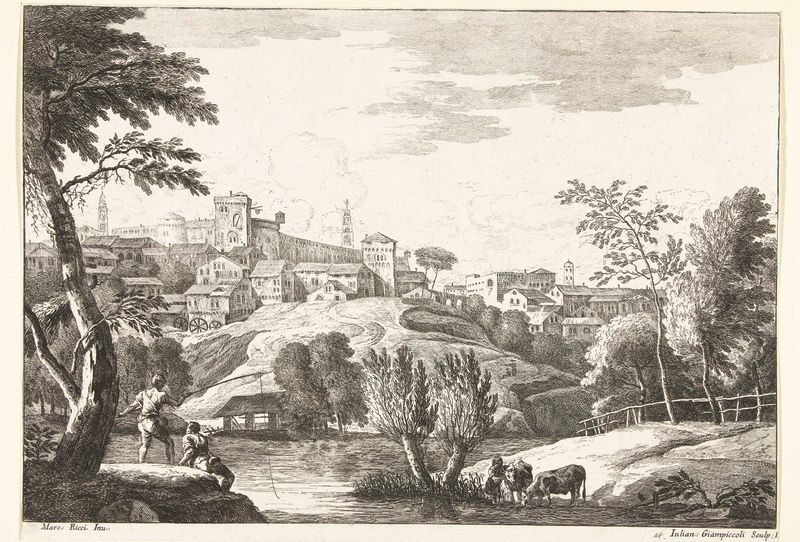
Heuvellandschap met stad en hengelaar
Giuliano Giampiccoli
More Historical Art
Browse all →
The Night Watch Militia Company of District II under the Command of Captain Frans Banninck Cocq
Rembrandt van Rijn
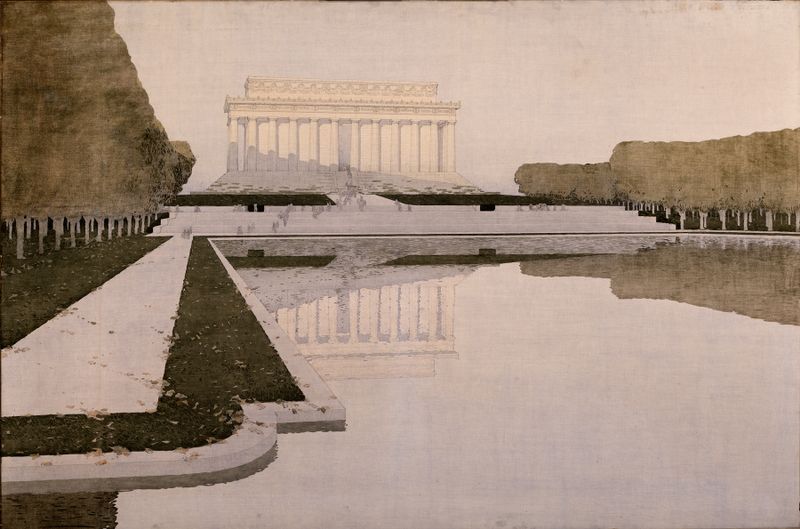
Lincoln Memorial
Henry Bacon
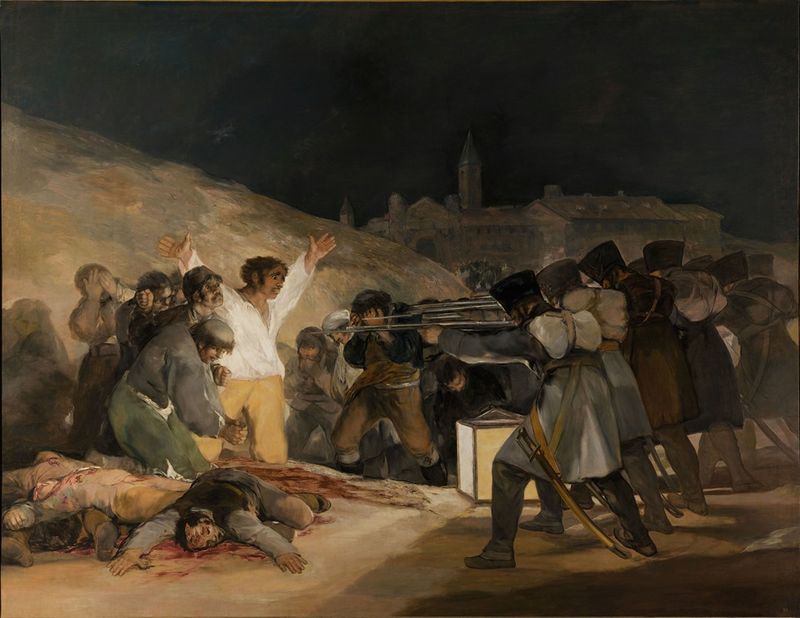
The Third of May 1808
Francisco de Goya

Isaac and Rebecca, Known as ‘The Jewish Bride’
Rembrandt van Rijn
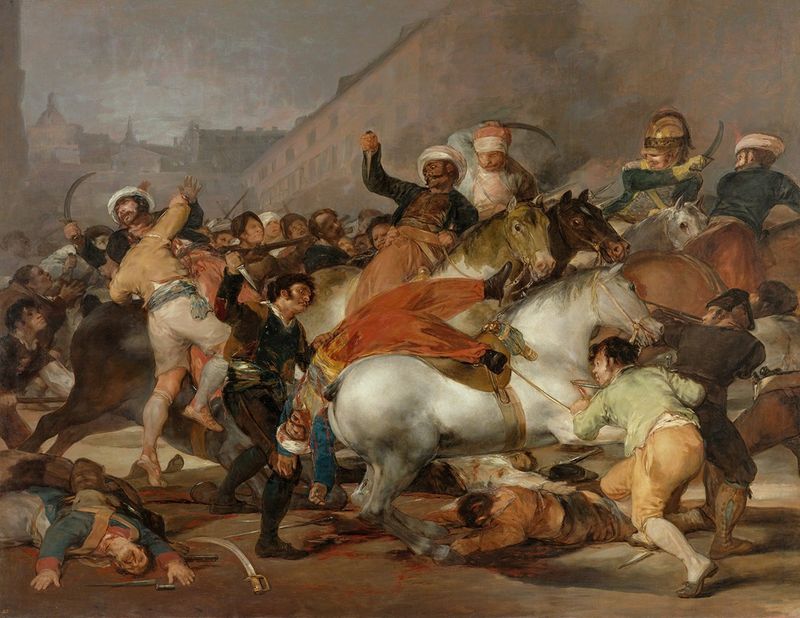
The Charge of the Mamelukes (1814)
Francisco de Goya

De vier ruiters van de apocalyps
Albrecht Dürer