
Landschap met boerderij — History & Facts
Could beauty survive in a century of chaos? Look closely at the gentle undulations of the landscape; the eye is immediately drawn to the farmhouse nestled in the embrace of verdant fields. Notice how the light dances across the thatched roof, illuminating the textures of nature around it. The artist’s palette is a symphony of greens and earthy browns, creating a serene backdrop that contrasts with the tumultuous world beyond the canvas. Beneath the tranquil facade lies a profound tension between the idealized simplicity of rural life and the looming uncertainty of the modern age.
Observe the distant trees, their finely rendered branches reaching towards the sky, hinting at resilience. The calm waters reflect the surroundings, symbolizing the delicate balance between nature's peace and humanity's turmoil. Each brushstroke resonates with an unspoken narrative, inviting contemplation on the fragility of existence against the passage of time. Wenckebach painted this work during a period marked by great transition in the Netherlands.
In the early 20th century, as Europe grappled with rapid industrialization and the aftermath of war, he sought solace in landscapes that echoed a simpler way of life. Despite the chaos enveloping the world, he focused on capturing the profound beauty of his homeland, leaving a legacy that speaks to our yearning for tranquility amidst uncertainty.
More Artworks by Willem Wenckebach
Browse all →
Bakkersgang te Amsterdam
Willem Wenckebach

Oude huizen aan het Markenplein te Amsterdam
Willem Wenckebach

Oude huizen aan het Waterlooplein te Amsterdam
Willem Wenckebach
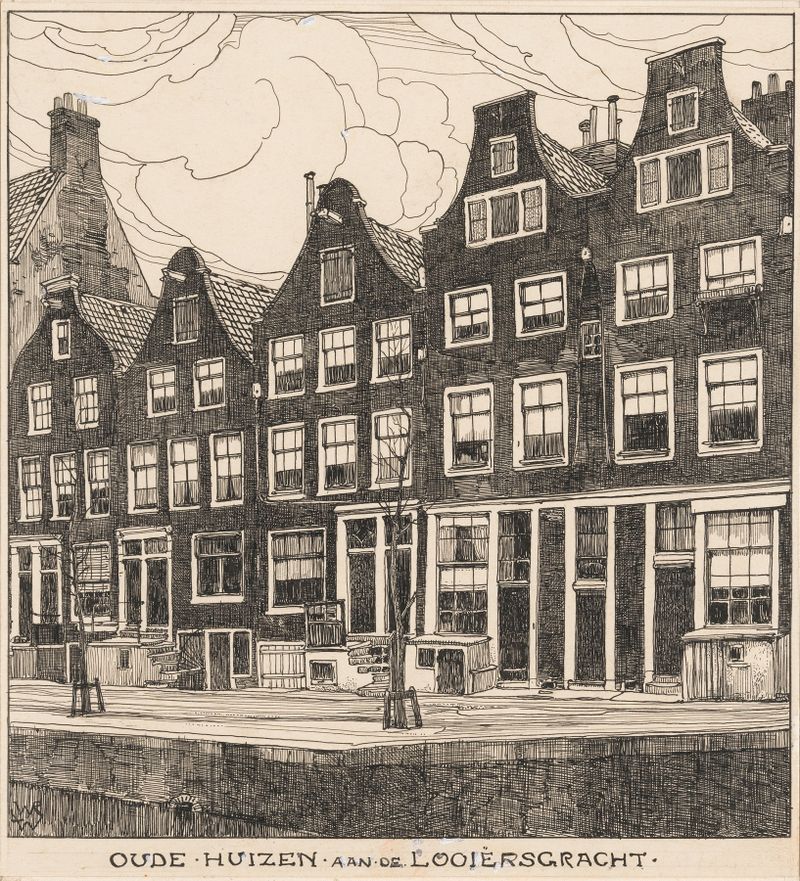
Oude huizen aan de Looiersgracht te Amsterdam
Willem Wenckebach
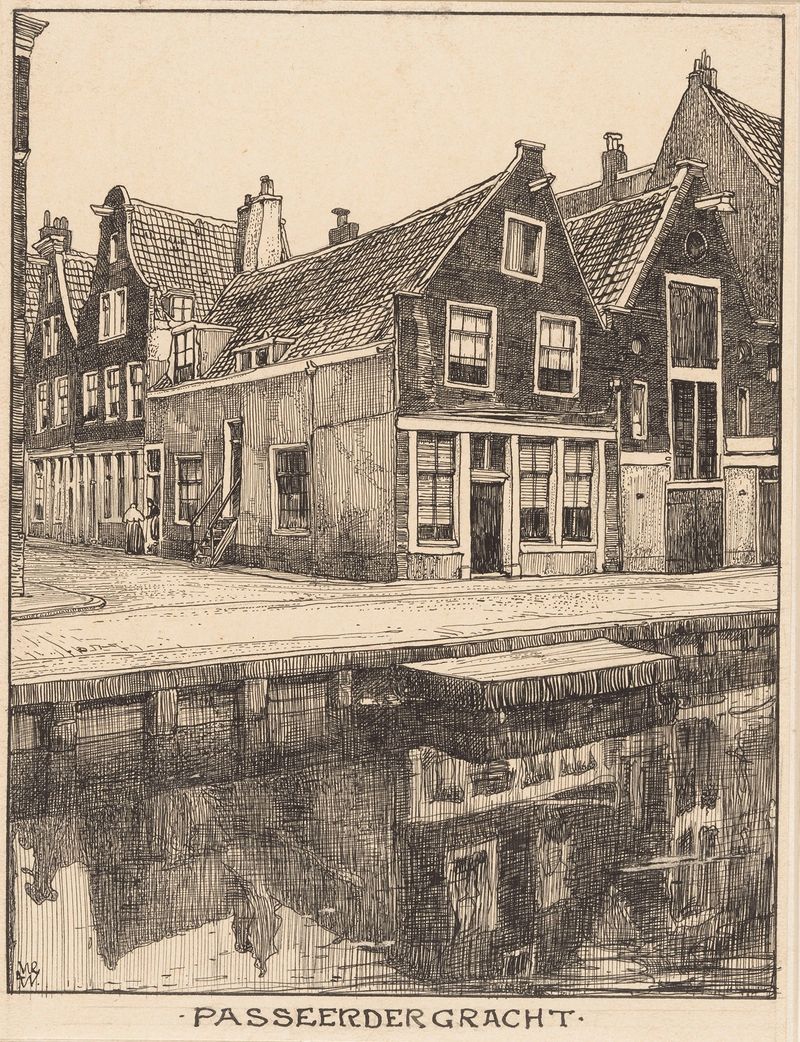
Passeerder Gracht te Amsterdam
Willem Wenckebach
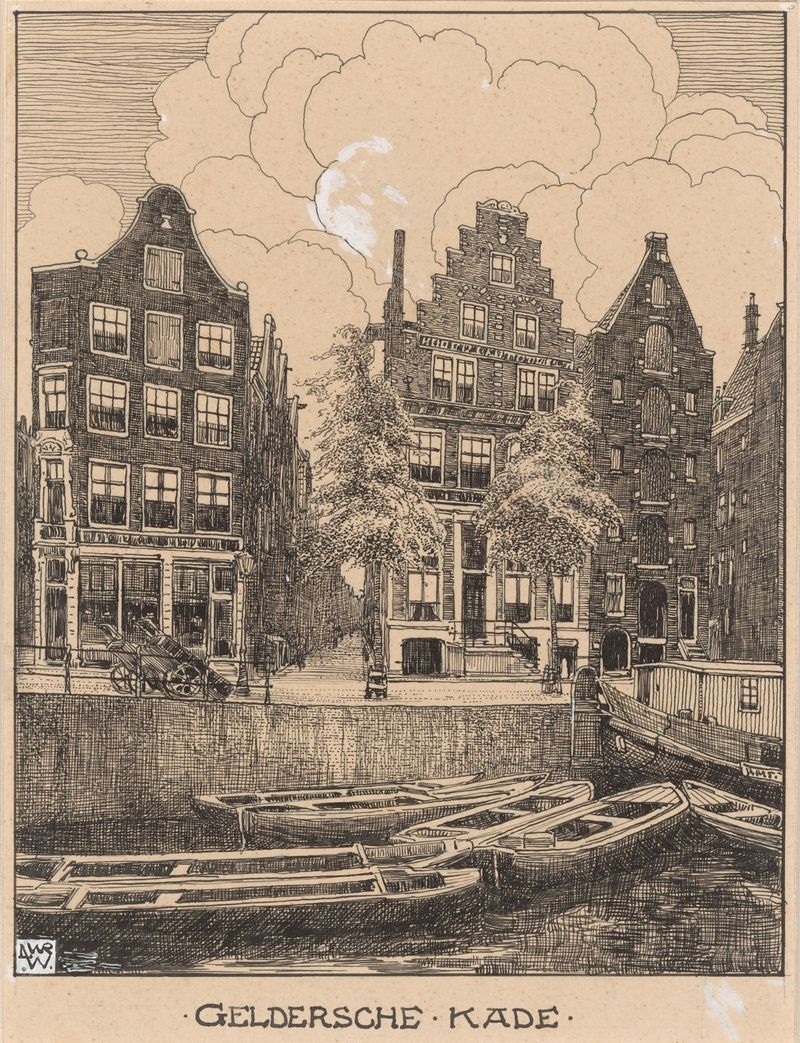
De Gelderse Kade te Amsterdam
Willem Wenckebach
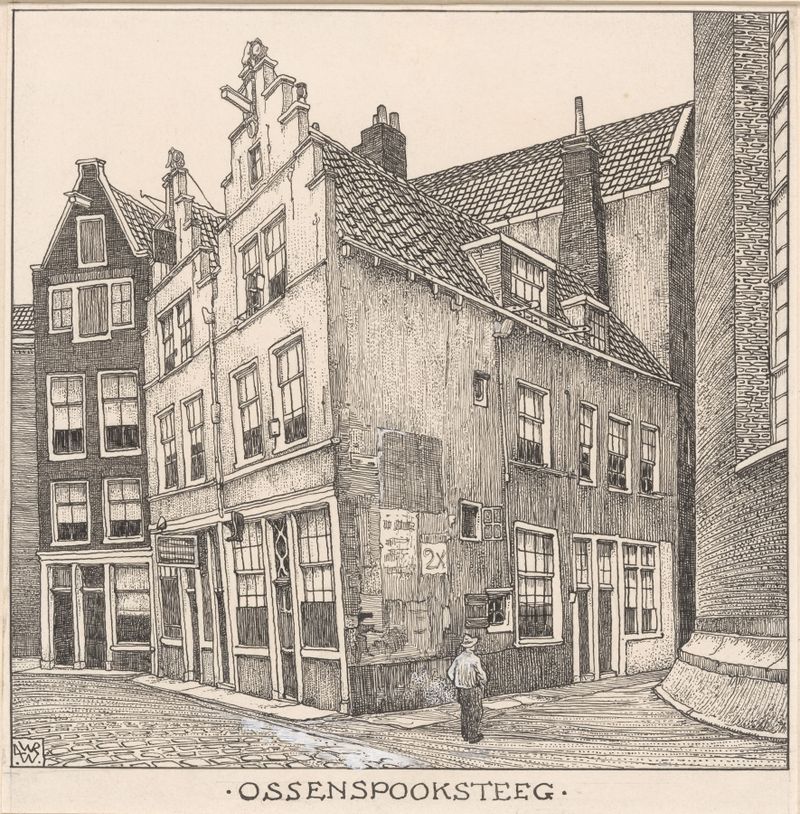
De Ossenspooksteeg te Amsterdam
Willem Wenckebach

Het Beurspleintje te Amsterdam
Willem Wenckebach
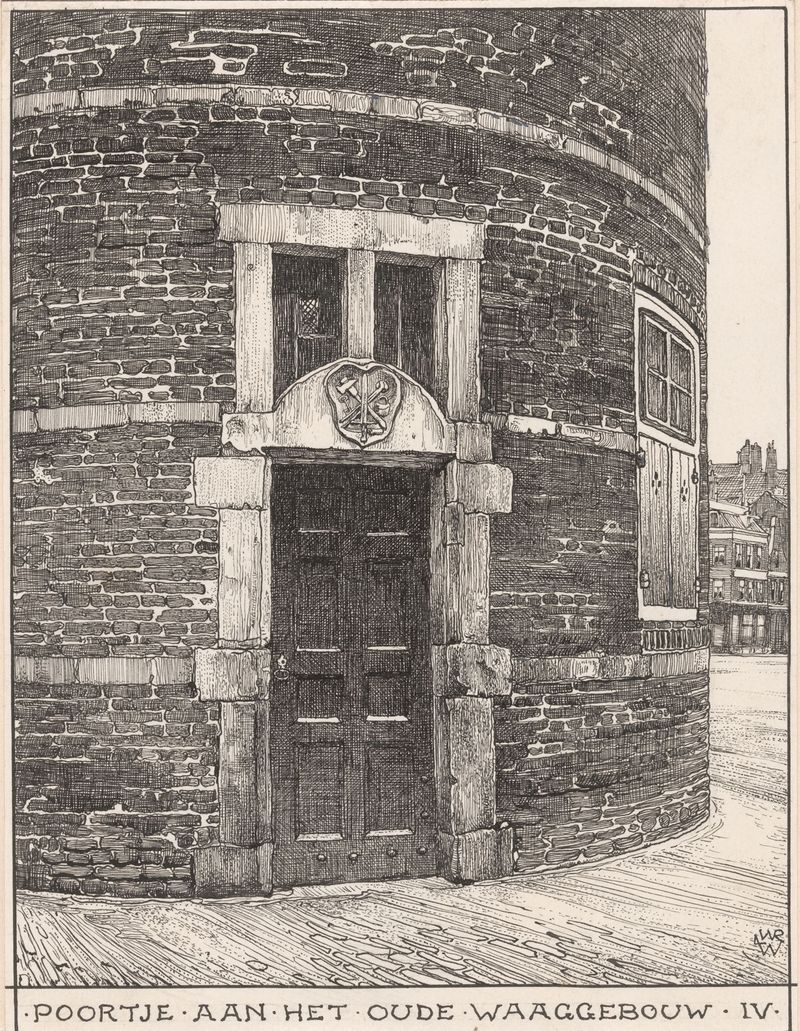
Poortje aan het oude Waaggebouw te Amsterdam
Willem Wenckebach

Torensluis te Amsterdam
Willem Wenckebach





