
Landschap met gesloten hekje — History & Facts
Can paint confess what words never could? In Landschap met gesloten hekje, the essence of a tranquil yet charged landscape stirs a silent dialogue, inviting us to explore the interplay of stillness and movement. Look to the left, where the lush greenery melds seamlessly with the soft, golden light that bathes the scene. The meticulously painted foliage draws the eye, creating a vivid tapestry that pulses with life. The closed gate at the center subtly commands attention, serving as a boundary between the vibrant world outside and the stillness within.
The artist's delicate brushwork and earthy palette convey a harmony that feels both serene and expectant. Notice the figures positioned near the gate, their subtle gestures suggesting a moment of pause, perhaps a decision yet to be made. This intersection of motion and stasis embodies the tension between desire and restraint, evoking a sense of contemplation. The gentle undulations of the landscape, alongside the interplay of shadow and light, further emphasize the fleeting nature of time, hinting at both the beauty and the transience of life. Jan van Brosterhuyzen created this artwork between 1610 and 1650, a period marked by a growing interest in detailed landscapes in the Dutch Golden Age.
As artists began to explore spatial depth and atmospheric effects, Brosterhuyzen’s work reflected this evolution, showcasing his unique approach. During this time, he was establishing himself within the art community, navigating the vibrant market of artworks that captured the richness of the natural world.
More Artworks by Jan van Brosterhuyzen
Browse all →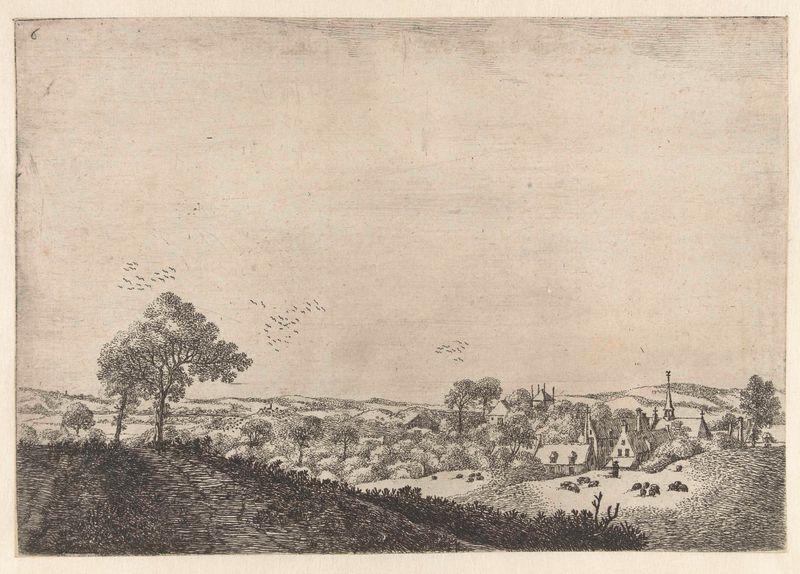
Landschap met dorp en herder met kudde
Jan van Brosterhuyzen
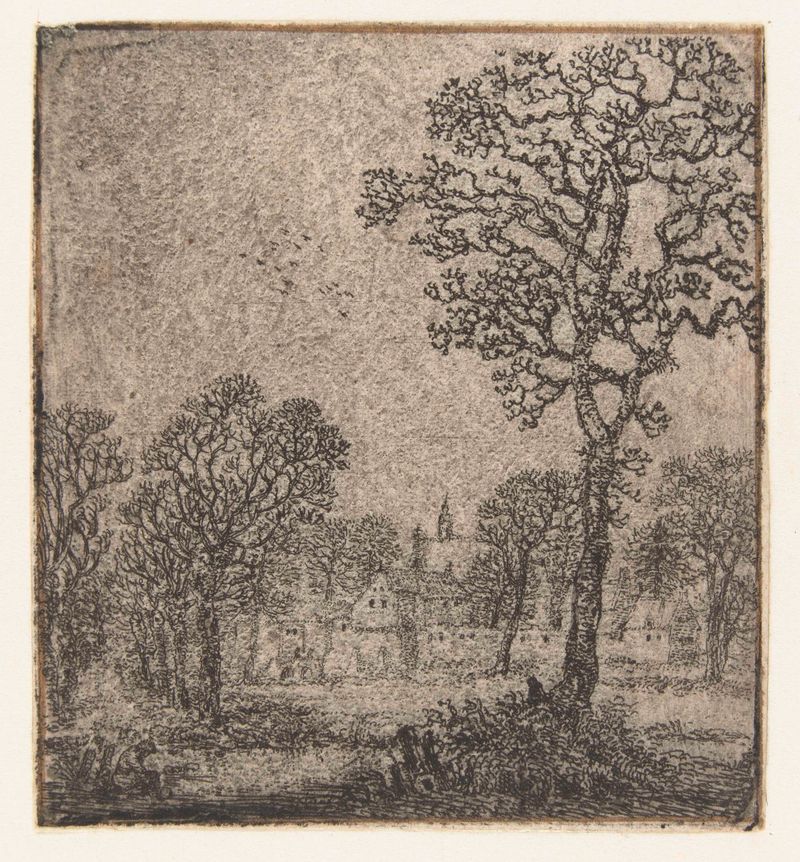
Winterlandschap met gezicht op een dorp
Jan van Brosterhuyzen
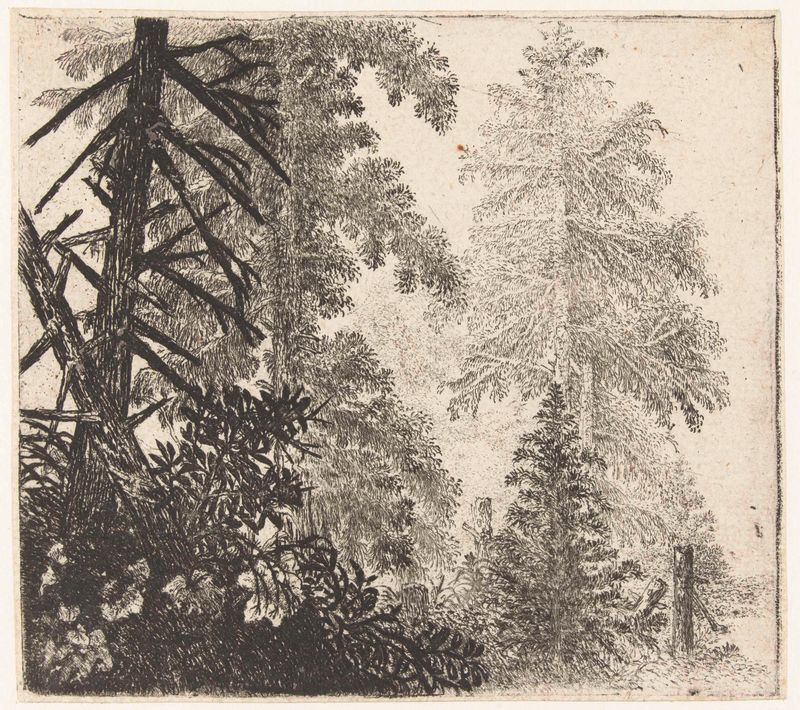
Landschap met de twee sparren
Jan van Brosterhuyzen
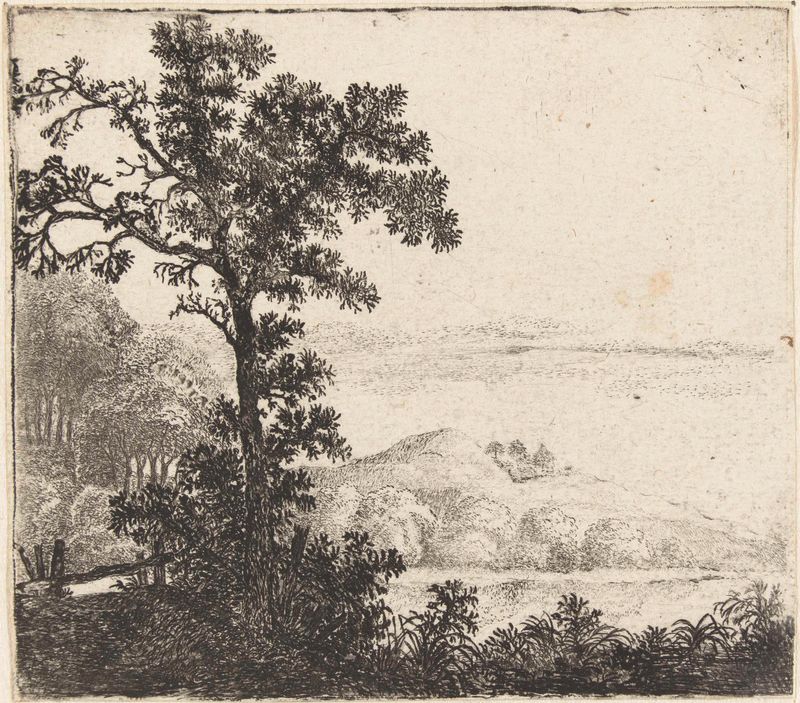
Landschap met boom bij een rivieroever
Jan van Brosterhuyzen
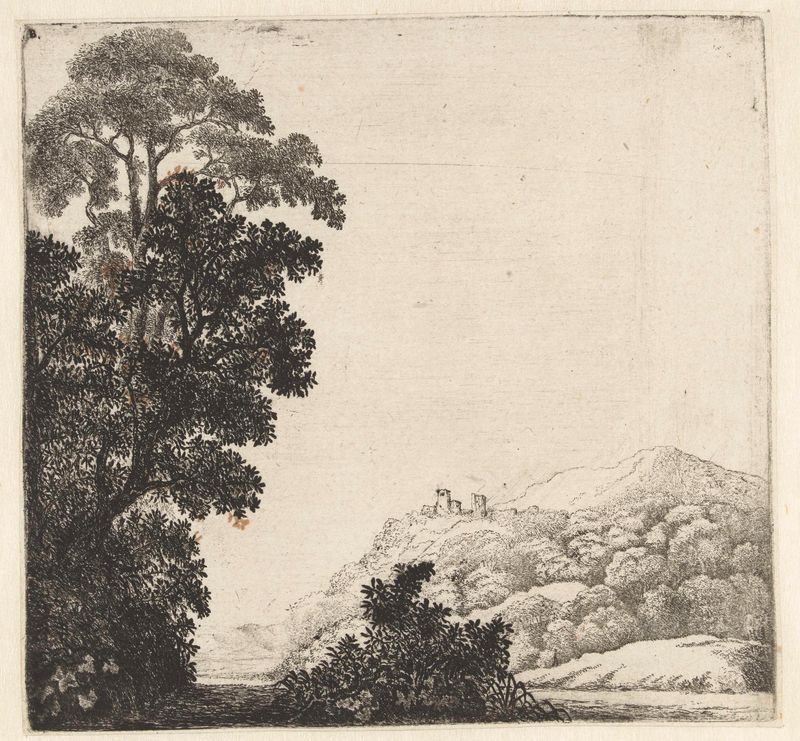
Landschap met ruïne op heuvel
Jan van Brosterhuyzen
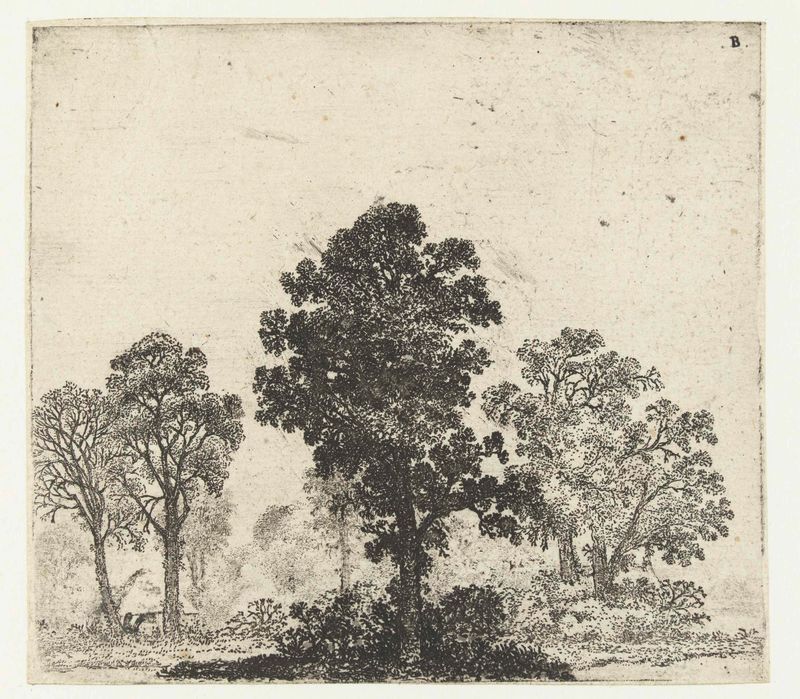
Landschap met boom in het midden
Jan van Brosterhuyzen
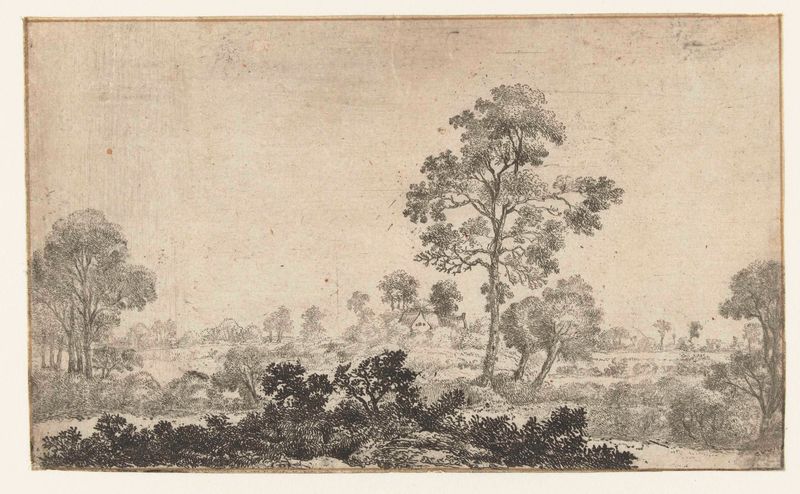
Landschap met twee wilgen bij grote boom
Jan van Brosterhuyzen

Gezicht op een kasteel
Jan van Brosterhuyzen

Landschap met boerderij bij een vijver
Jan van Brosterhuyzen

Landschap met gezicht op dorp en man in boot
Jan van Brosterhuyzen





