
Landschap met een wandelend paar — History & Facts
When did color learn to lie? In a world where vibrancy masks decay, the hues that dance across a canvas often tell stories we refuse to see. Look to the left at the lush greenery, rich in saturation yet tinged with the inevitability of decline. Notice how the trees, while full of life, bear the marks of age—a reminder of nature’s transient beauty. The couple walks through this landscape, their figures small against the sprawling scene, enveloped in a tapestry of greens and browns that blend seamlessly, suggesting both harmony and the lurking specter of mortality. The quiet juxtaposition is haunting: the vibrancy of the earth contrasts sharply with the fragile nature of existence.
The couple’s calm demeanor suggests a moment suspended in time, yet the surrounding decay whispers of an inevitable end. This duality captures a pivotal tension; the scene is alive with color, yet it hints at a deeper narrative of deterioration and loss, urging the viewer to confront what lies beneath the surface. Philips Augustijn Immenraet painted Landschap met een wandelend paar between 1637 and 1679, during a period when Dutch landscape painting flourished. This era was marked by an increasing appreciation for nature and its representation, reflecting the societal transition towards a more personal relationship with the land.
As Immenraet explored these themes, he was influenced by the Baroque style, which emphasized dramatic contrasts and emotional depth, imbuing his work with both beauty and a poignant awareness of decay.
More Artworks by Philips Augustijn Immenraet
Browse all →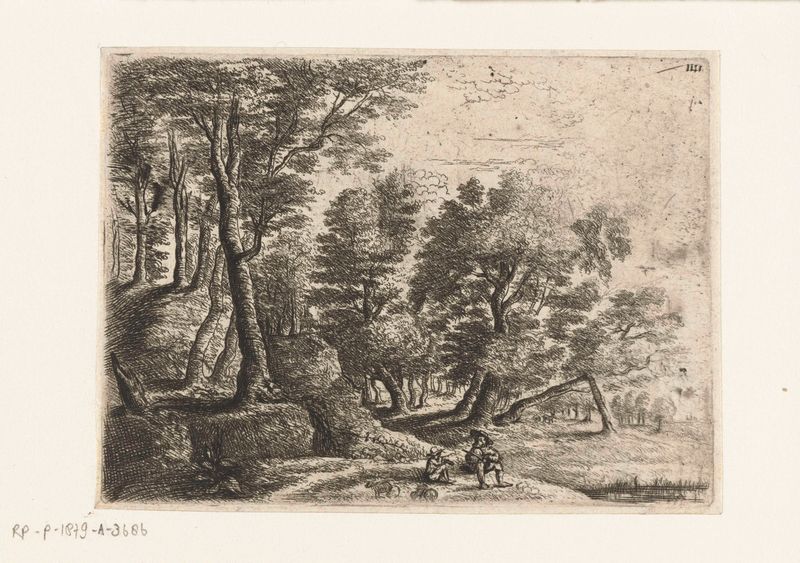
Landschap met zittende jongen en herder
Philips Augustijn Immenraet
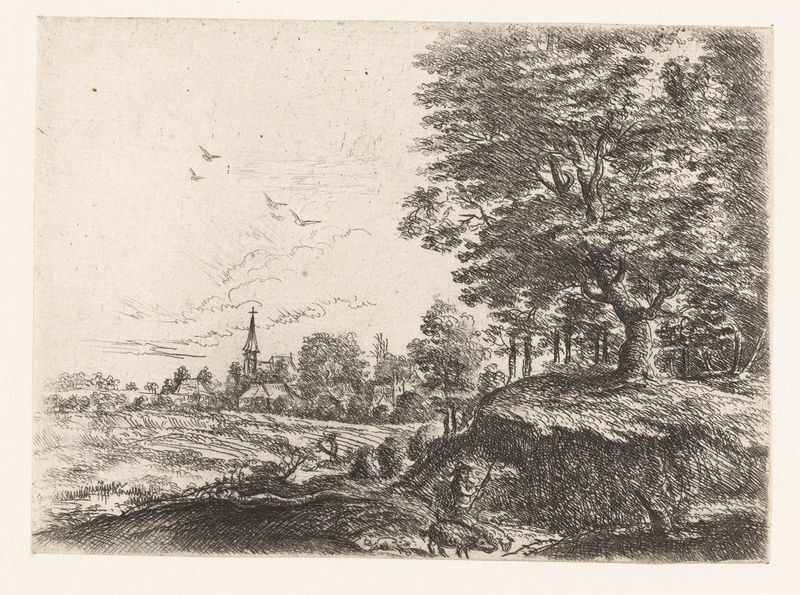
Landschap met een man met varkens
Philips Augustijn Immenraet
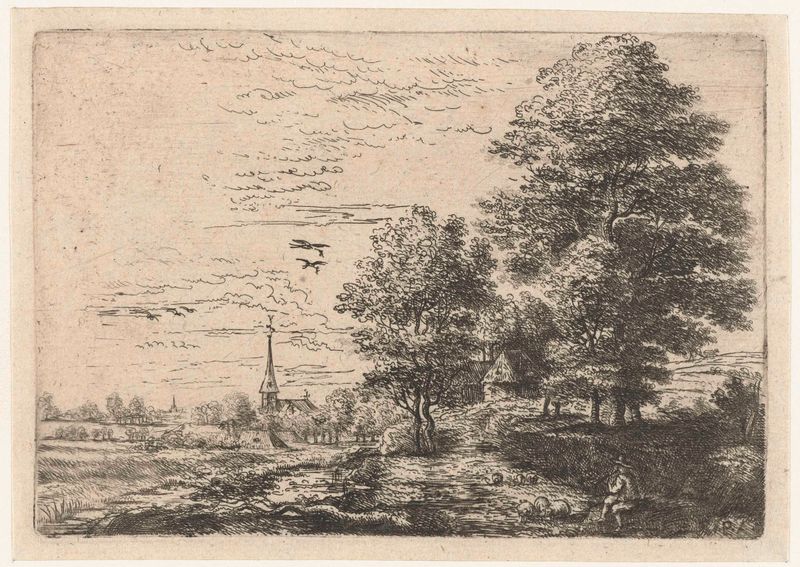
Landschap met herder en schapen
Philips Augustijn Immenraet
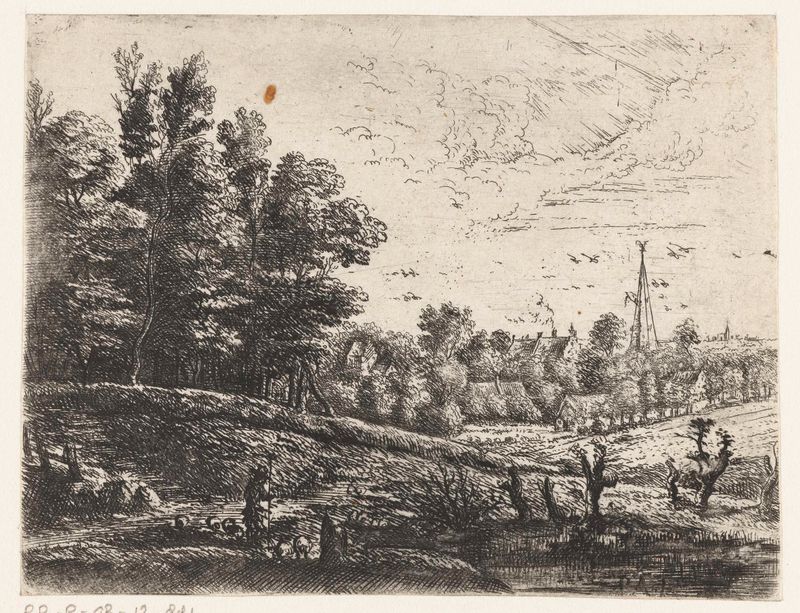
Landschap met een herder
Philips Augustijn Immenraet
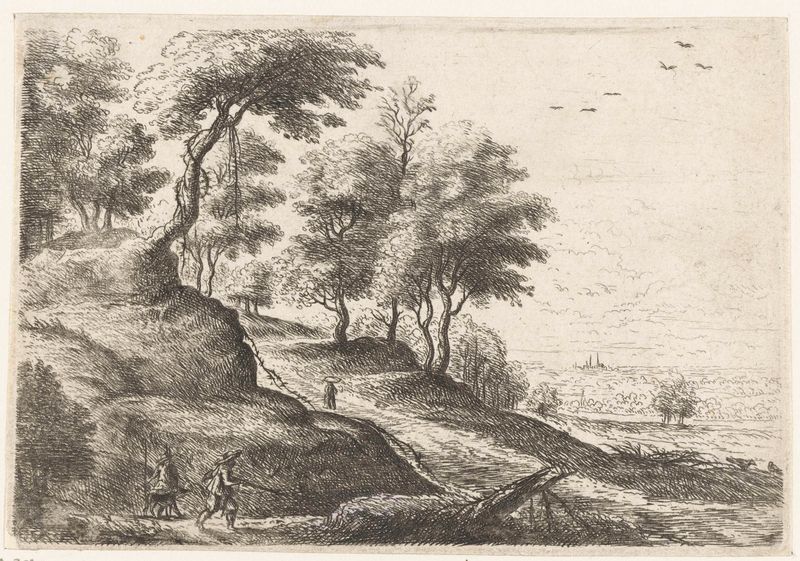
Landschap met twee jagers
Philips Augustijn Immenraet
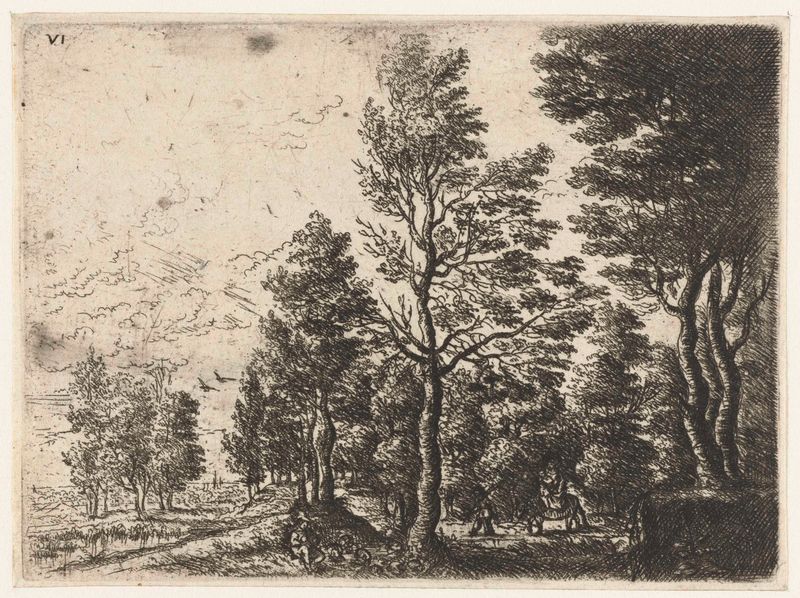
Landschap met een man met een ezel
Philips Augustijn Immenraet
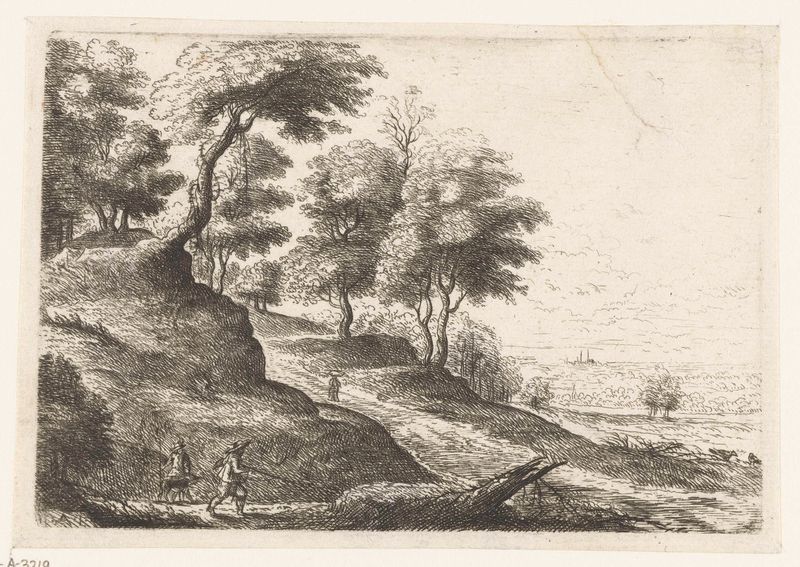
Landschap met twee jagers
Philips Augustijn Immenraet
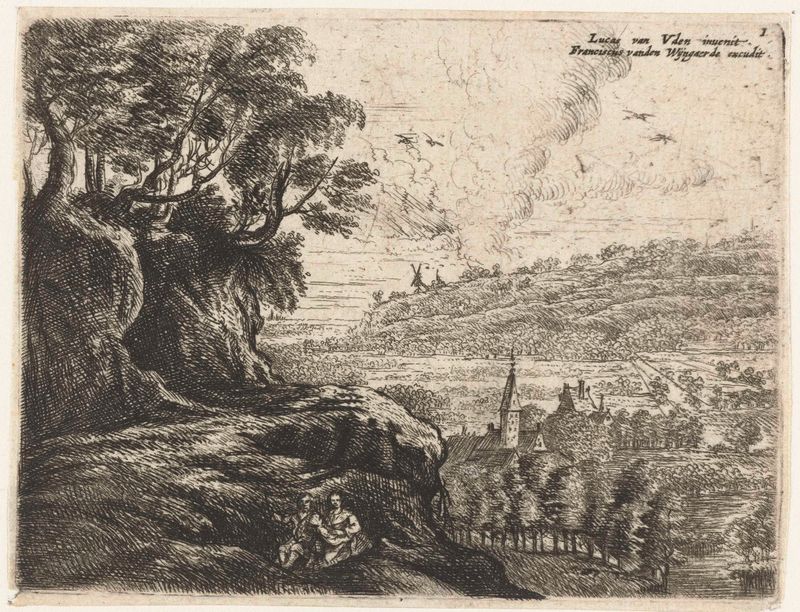
Landschap met een man, vrouw en kind
Philips Augustijn Immenraet
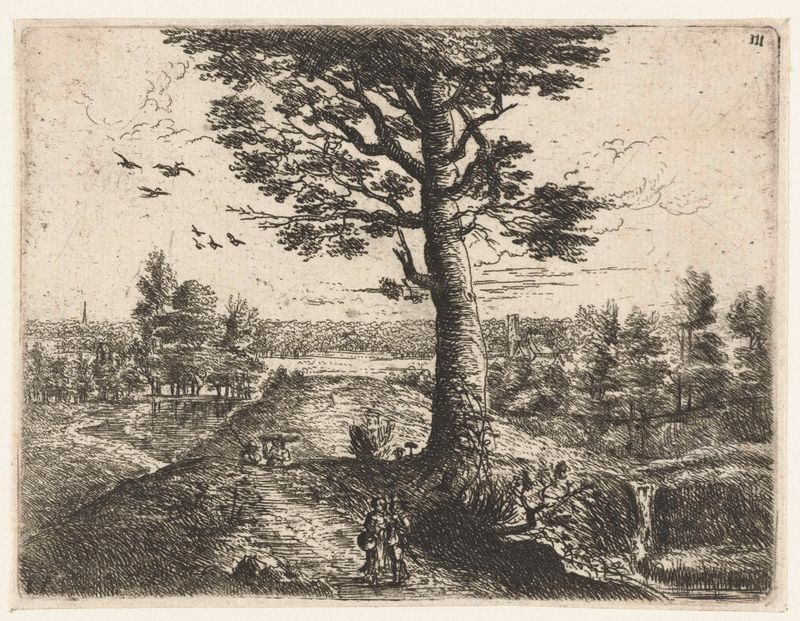
Landschap met een wandelend paar
Philips Augustijn Immenraet
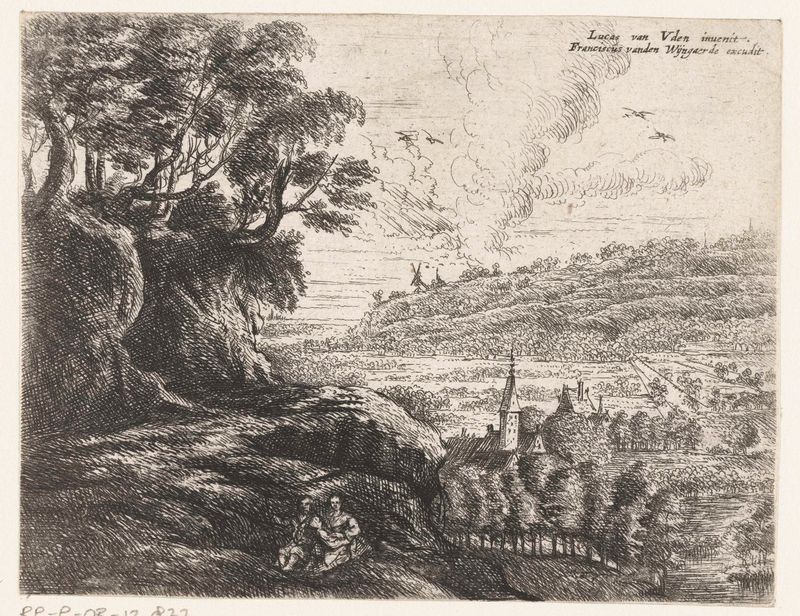
Landschap met een man, vrouw en kind
Philips Augustijn Immenraet





