
Landschap met een man met een ezel — History & Facts
In Landschap met een man met een ezel, the vast expanse unfolds like a whispered secret, beckoning the viewer to explore the tension of emptiness that lies beneath its beauty. The tranquil landscape offers both solace and solitude, forcing us to confront what lies unsaid in its serene composition. Look to the left at the solitary figure perched on the edge of the canvas. Notice the way he stands beside his humble donkey, their silhouettes softened by a warm, golden light that envelops the scene.
The muted greens and browns depict the rolling hills under a vast, open sky, creating a harmonious balance between man, beast, and nature. The careful brushwork draws attention to the intricate textures of the grass and the gentle curves of the earth, inviting a closer inspection. Yet, amidst the picturesque serenity, there is an undeniable sense of isolation. The distant horizon feels both inviting and forbidding, as if it guards the secrets of unfulfilled dreams and unmarked paths.
The figure's stance suggests readiness, yet the lack of movement hints at a poignant stillness, reflecting an inner struggle against the backdrop of nature's relentless beauty. This contrast between the idyllic landscape and the weight of loneliness subtly echoes the complexities of human existence. Philips Augustijn Immenraet painted this work in the late 17th century, a period marked by profound societal and artistic shifts. Living in the Netherlands during the height of the Dutch Golden Age, he was surrounded by a flourishing art scene, yet his own career was often overshadowed by more prominent contemporaries.
The era, rich with both opportunity and uncertainty, influenced his exploration of themes that delve into the human condition, capturing a moment that resonates with the universal experience of emptiness.
More Artworks by Philips Augustijn Immenraet
Browse all →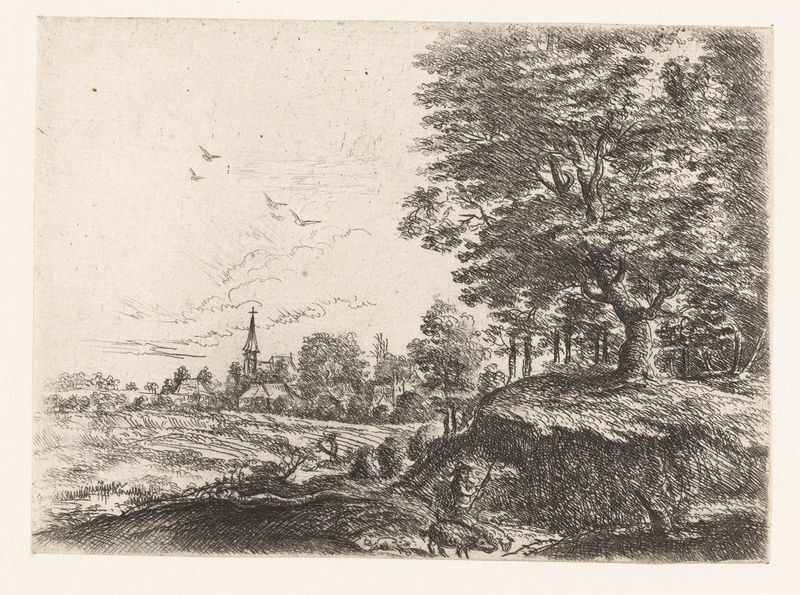
Landschap met een man met varkens
Philips Augustijn Immenraet
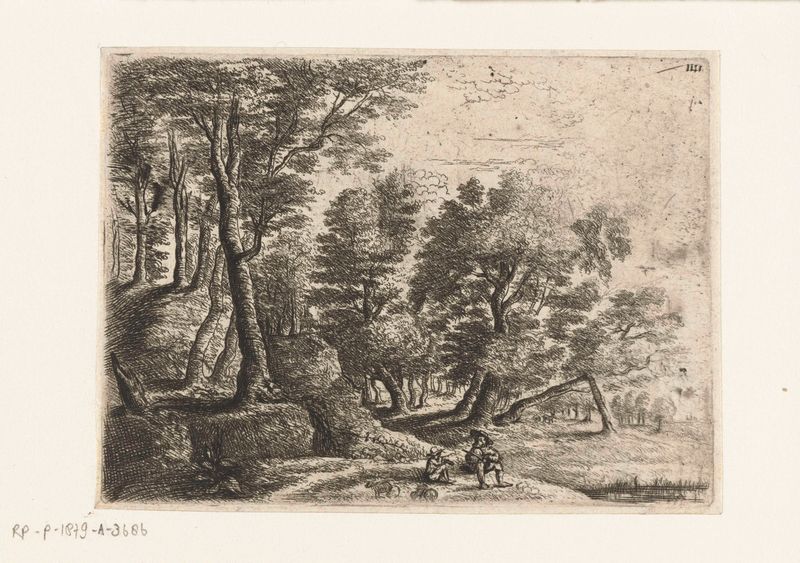
Landschap met zittende jongen en herder
Philips Augustijn Immenraet
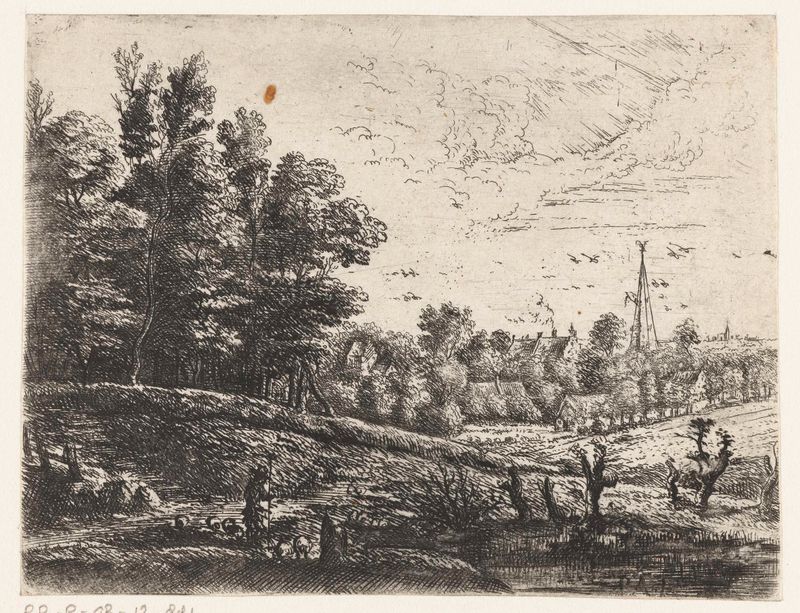
Landschap met een herder
Philips Augustijn Immenraet
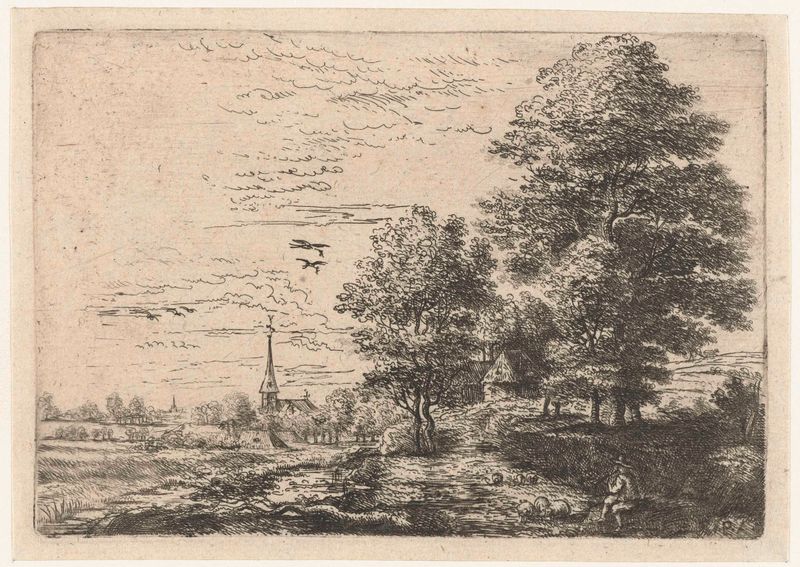
Landschap met herder en schapen
Philips Augustijn Immenraet
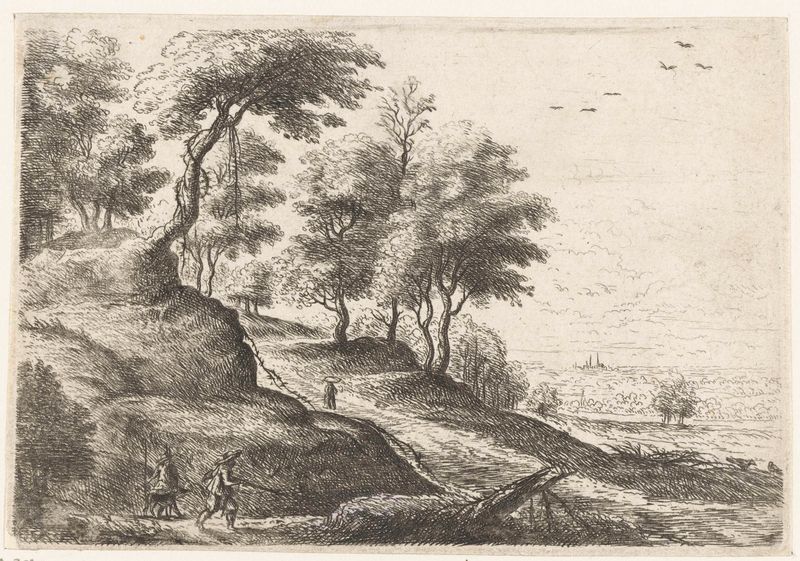
Landschap met twee jagers
Philips Augustijn Immenraet
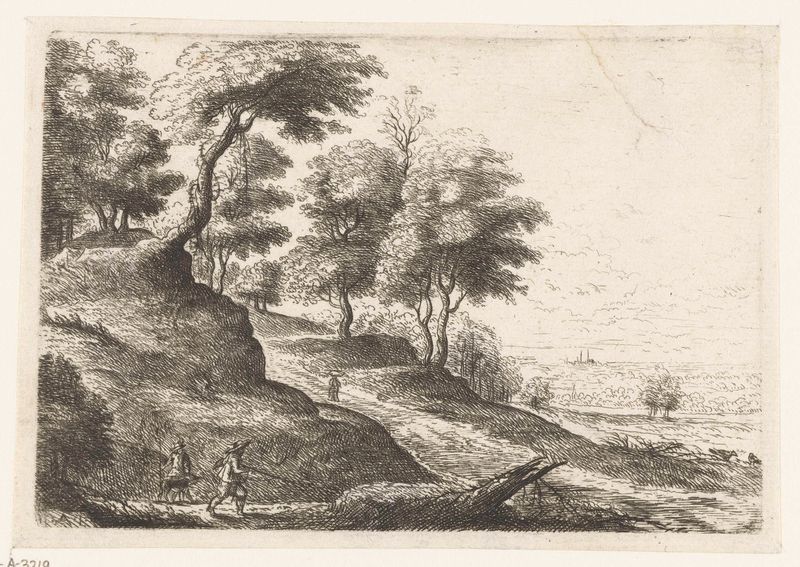
Landschap met twee jagers
Philips Augustijn Immenraet
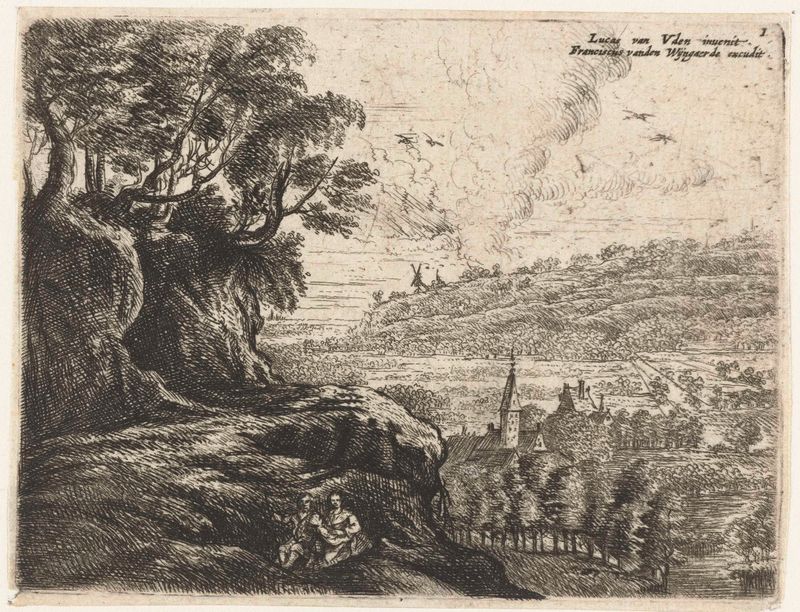
Landschap met een man, vrouw en kind
Philips Augustijn Immenraet
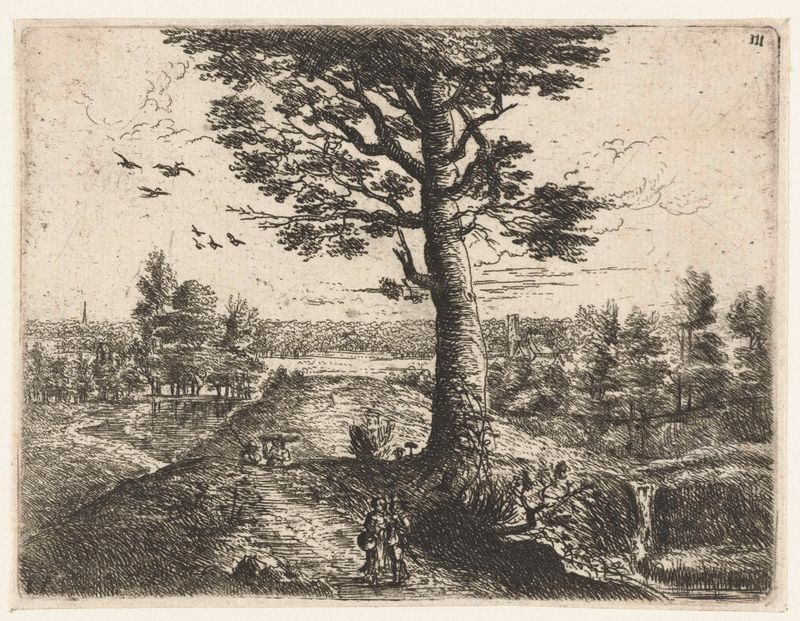
Landschap met een wandelend paar
Philips Augustijn Immenraet
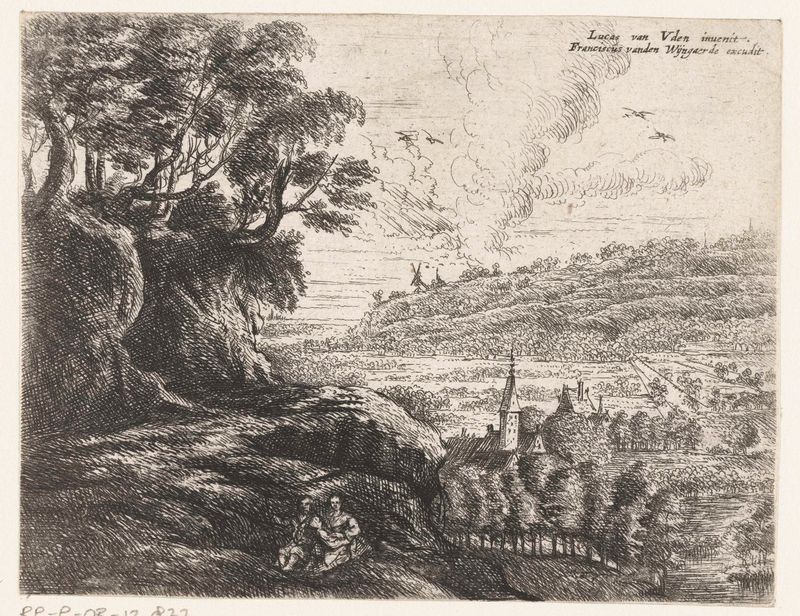
Landschap met een man, vrouw en kind
Philips Augustijn Immenraet
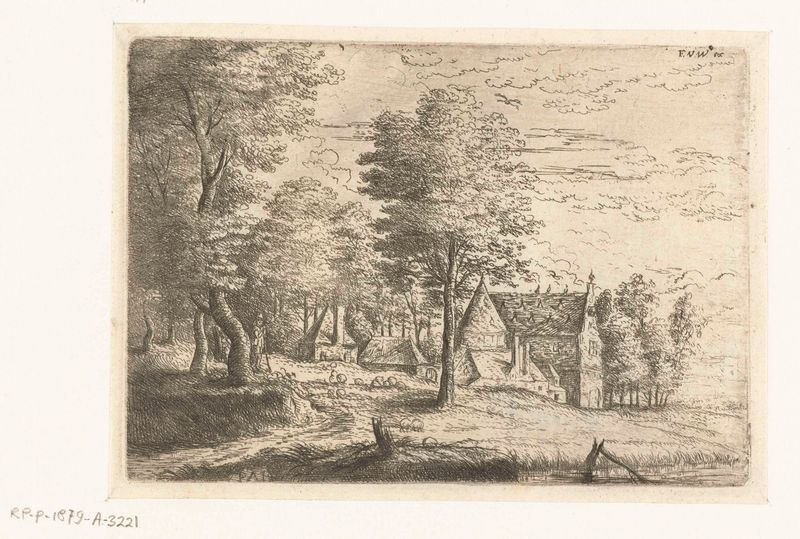
Landschap met een herder en zijn kudde
Philips Augustijn Immenraet





