
Landschap met twee jagers — History & Facts
The desire to capture the fleeting beauty of nature pulses through time, echoing in the strokes of paint. Each swath invites us to explore the depths of emotion entwined in vivid landscapes. Look to the center of the canvas, where two hunters traverse a verdant expanse, their forms silhouetted against a backdrop of sprawling fields and whispering skies. The muted greens and browns dance harmoniously, inviting the viewer's eye to navigate the gentle undulations of the terrain.
Notice how the delicate play of light highlights the figures, casting elongated shadows that suggest not just movement, but a poignant stillness—a moment frozen in time. Beneath the surface, layers of meaning unfurl. The hunters symbolize humanity's relentless pursuit of desire—of conquest, of sustenance, of understanding—in a world teeming with life and potential. The landscape, while tranquil, holds an undertone of tension; the hunting scene reflects the duality of nature's beauty and the instinct to dominate it.
The soft, swirling sky hints at the ephemeral quality of existence, reminding us that every chase, every desire, is ultimately bound by the passage of time. During the years 1637 to 1679, the artist created this work amidst a period of profound transformation in the Dutch art world. The rise of landscape painting as a respected genre coincided with societal shifts, as artists like him sought to depict not only the physical world but the complex human emotions interwoven with it. As he painted, the brush became his conduit, allowing him to explore the depths of desire set against the grandeur of nature.
More Artworks by Philips Augustijn Immenraet
Browse all →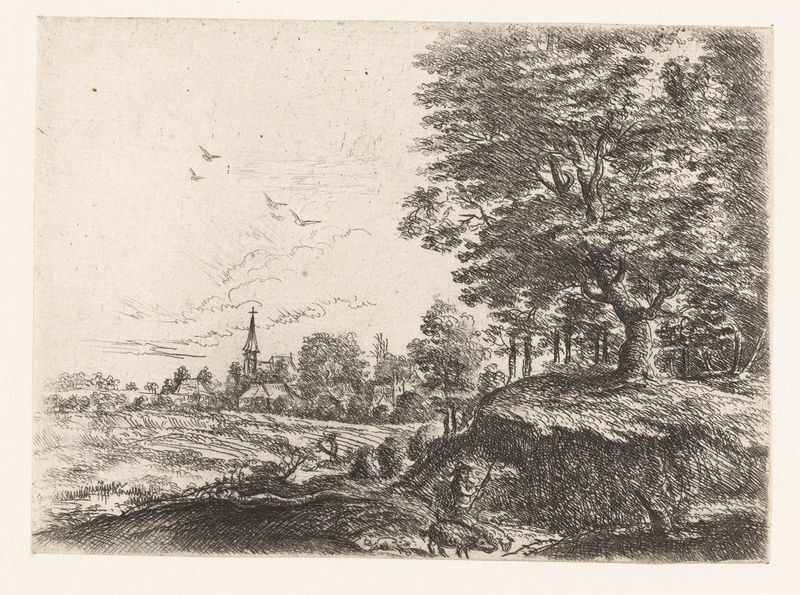
Landschap met een man met varkens
Philips Augustijn Immenraet
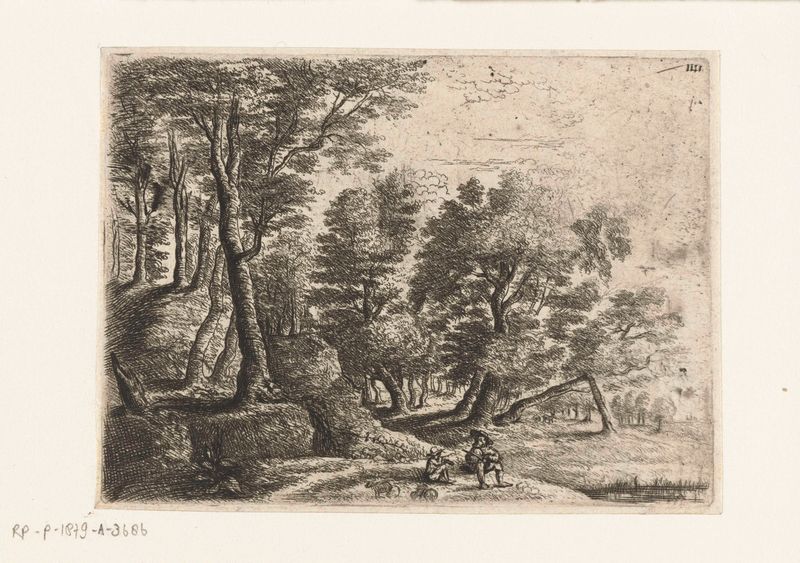
Landschap met zittende jongen en herder
Philips Augustijn Immenraet
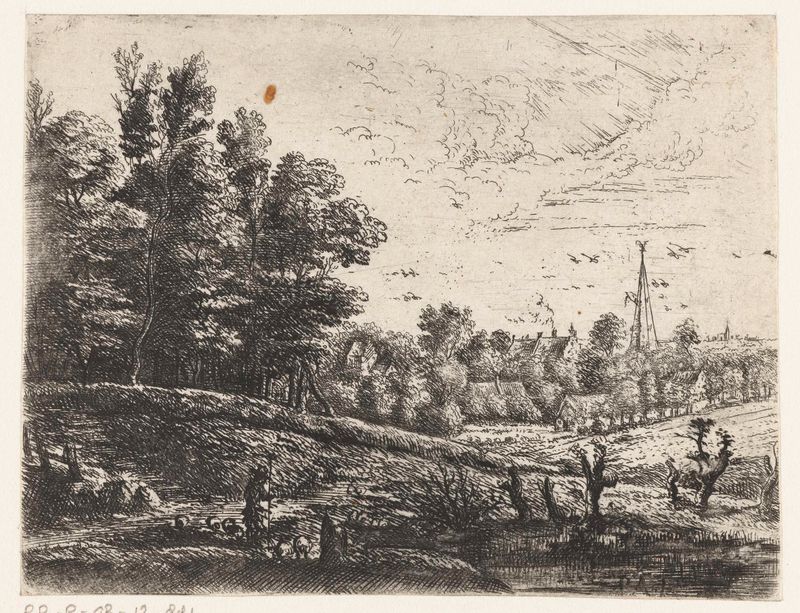
Landschap met een herder
Philips Augustijn Immenraet
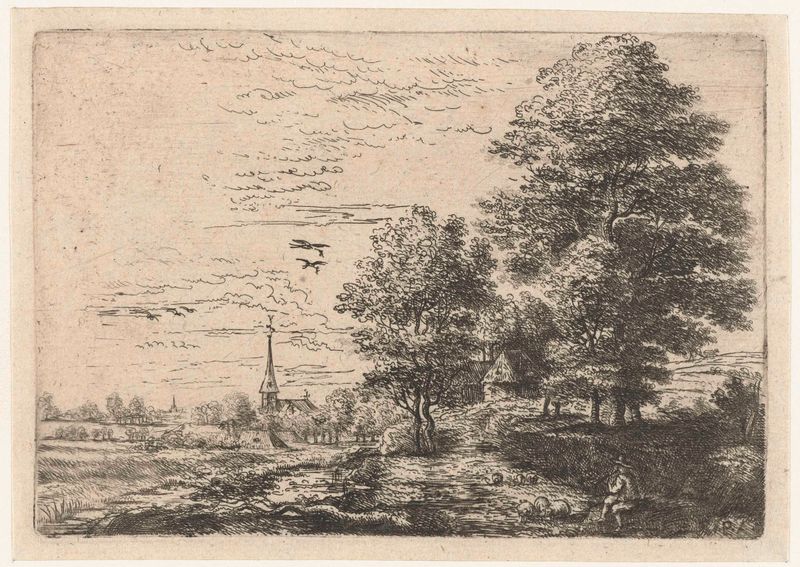
Landschap met herder en schapen
Philips Augustijn Immenraet
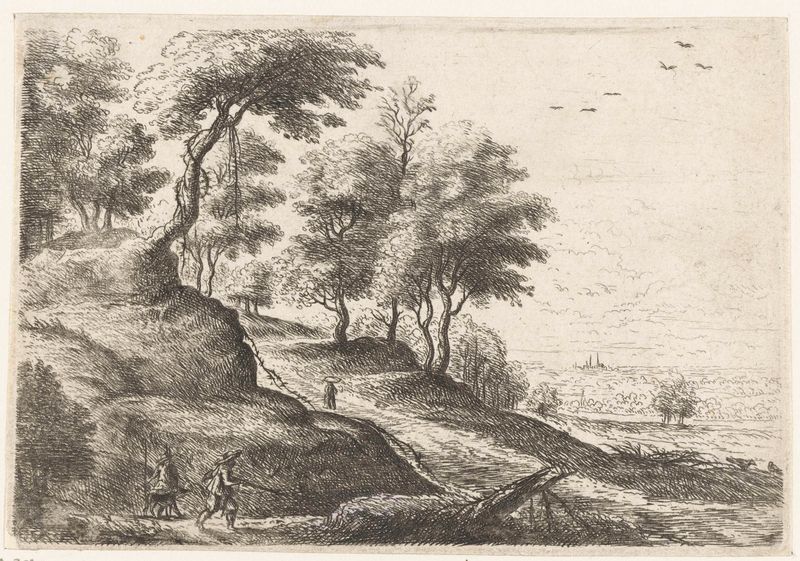
Landschap met twee jagers
Philips Augustijn Immenraet
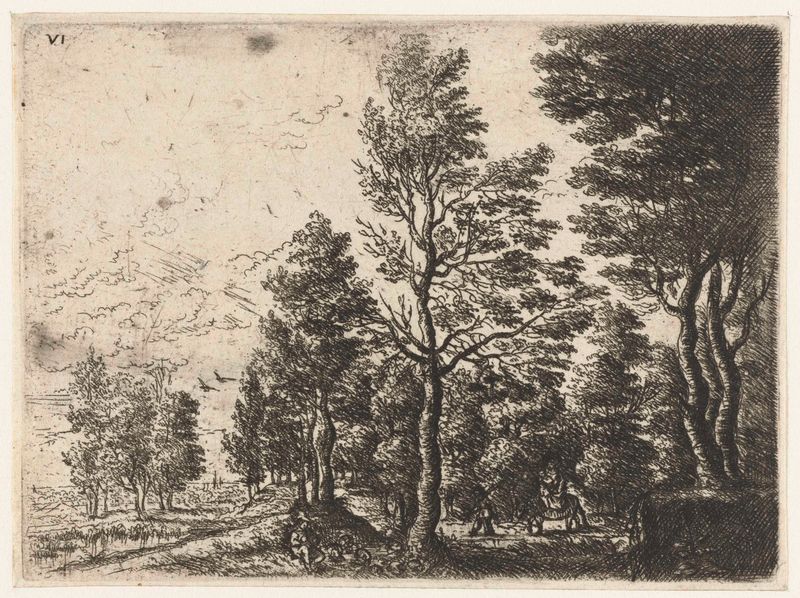
Landschap met een man met een ezel
Philips Augustijn Immenraet
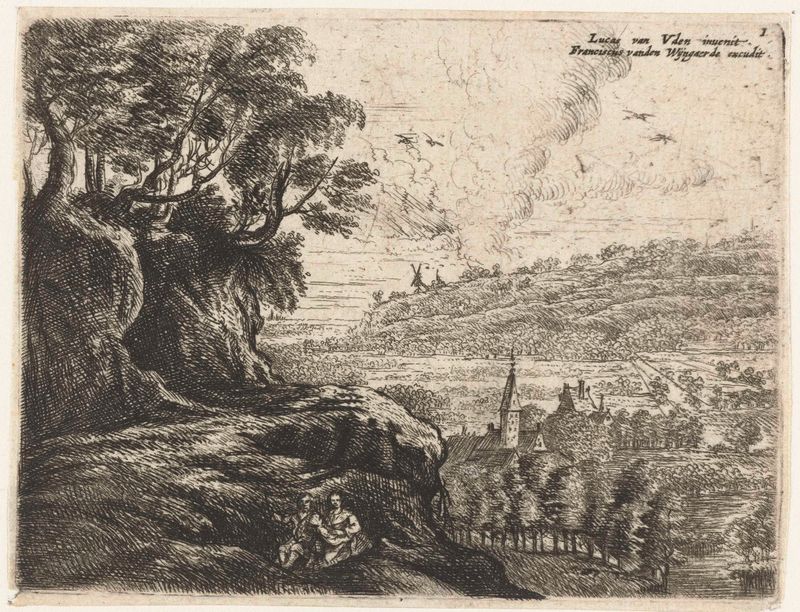
Landschap met een man, vrouw en kind
Philips Augustijn Immenraet
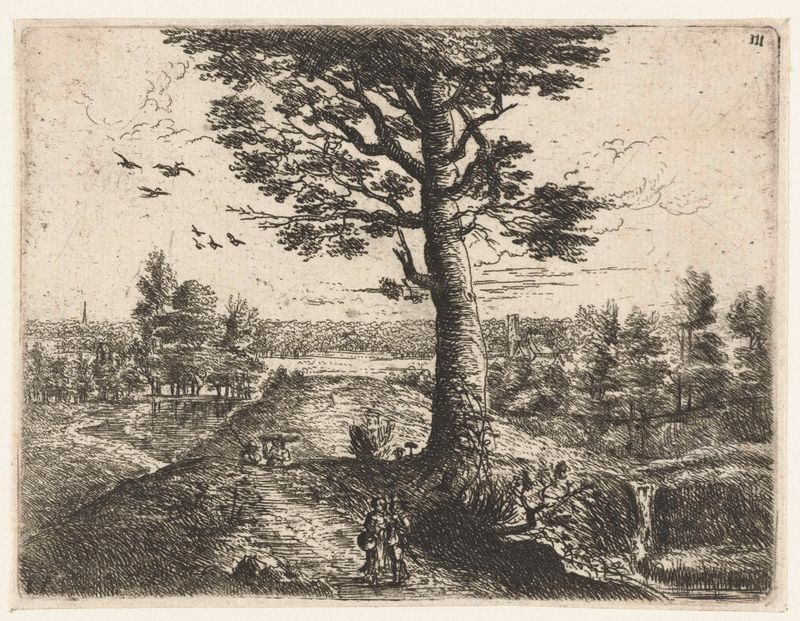
Landschap met een wandelend paar
Philips Augustijn Immenraet
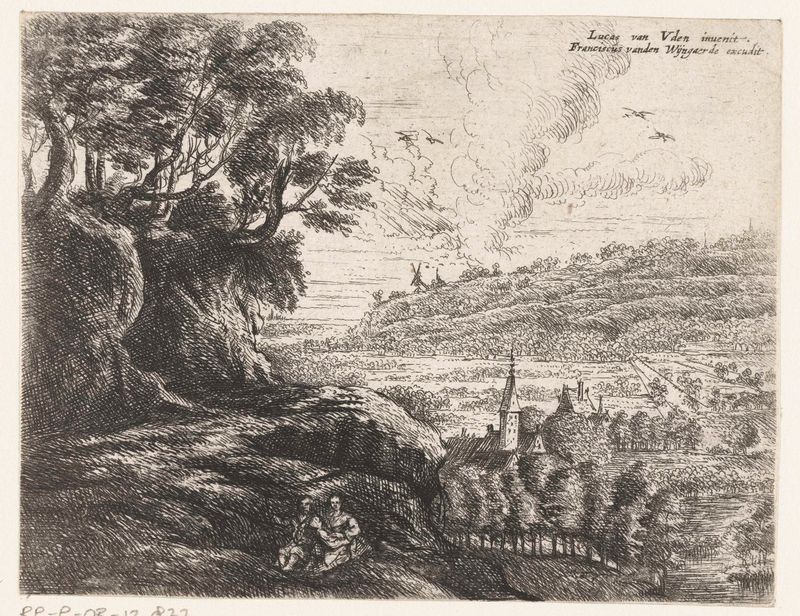
Landschap met een man, vrouw en kind
Philips Augustijn Immenraet
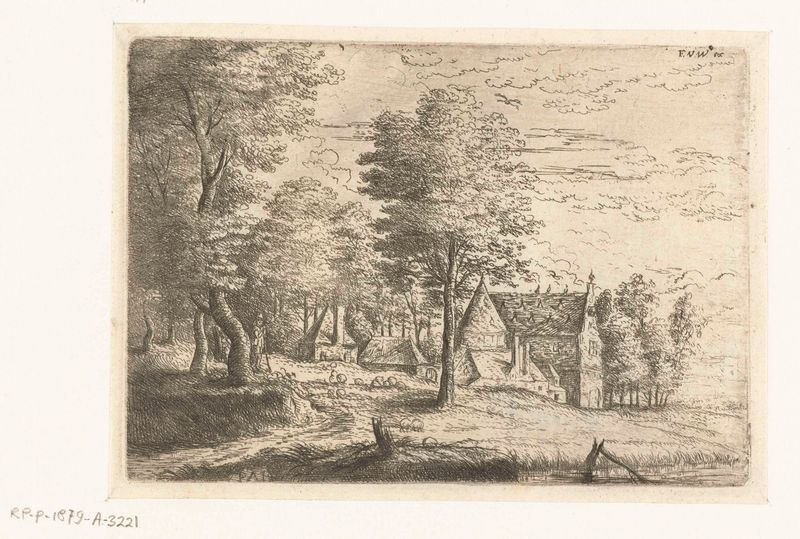
Landschap met een herder en zijn kudde
Philips Augustijn Immenraet





