
Landschap met zittende jongen en herder — History & Facts
Did the painter know this moment would outlive them? In the quietude of this landscape, a boy sits undisturbed amidst the gentle embrace of nature, cradling a world that breathes both emptiness and connection. The gaze of the shepherd floats in the distance, suggesting companionship yet evoking a profound solitude that lingers in the air. Look to the left at the boy, his figure grounded against the backdrop of rolling hills, painted in soft greens and browns that echo the earth's whispers. The light falls delicately, highlighting the contours of his form while casting subtle shadows that enhance the depth of the scene.
Notice how the horizon stretches endlessly, mirroring the vastness of his thoughts, while the shepherd's stance echoes a watchful presence — neither intrusive nor comforting but a reminder of life’s continuity. Every brushstroke in this work reveals a tension between presence and absence. The boy's posture, relaxed yet contemplative, invites viewers to engage with the solitude permeating the landscape. The contrast between the vibrant landscape and the stillness of the figures suggests a moment suspended between the noise of existence and the quietude of thought.
In this balance lies the emotional core of the piece, as the scene speaks to the universal human experience of feeling both alone and connected. Created in the mid-17th century, this work reflects Philips Augustijn Immenraet's exploration of pastoral themes during a time when the Dutch Golden Age was flourishing. Immenraet painted Landschap met zittende jongen en herder amid a society that celebrated nature and its serenity, embracing landscapes that complemented the burgeoning art market. His focus on rustic life mirrored the growing appreciation for the simplicity and beauty found within the Dutch countryside, encapsulating a moment in art history that cherished tranquility.
More Artworks by Philips Augustijn Immenraet
Browse all →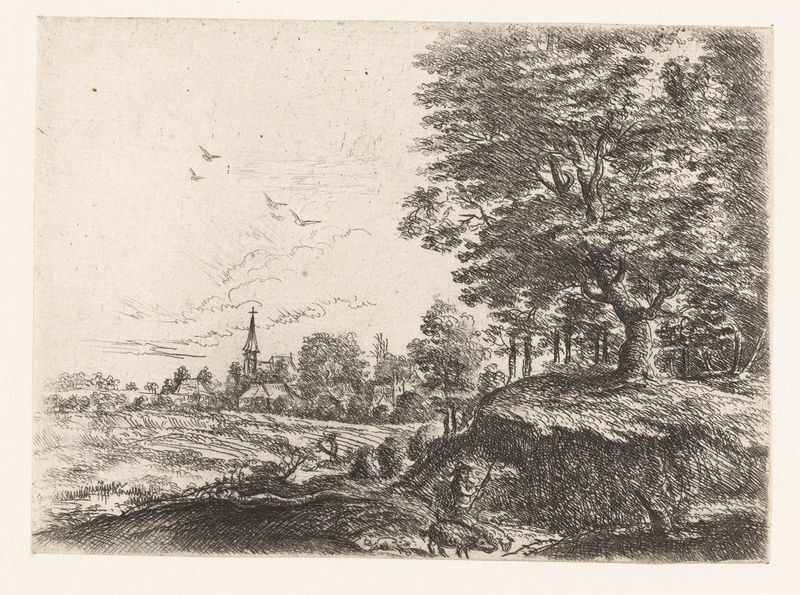
Landschap met een man met varkens
Philips Augustijn Immenraet
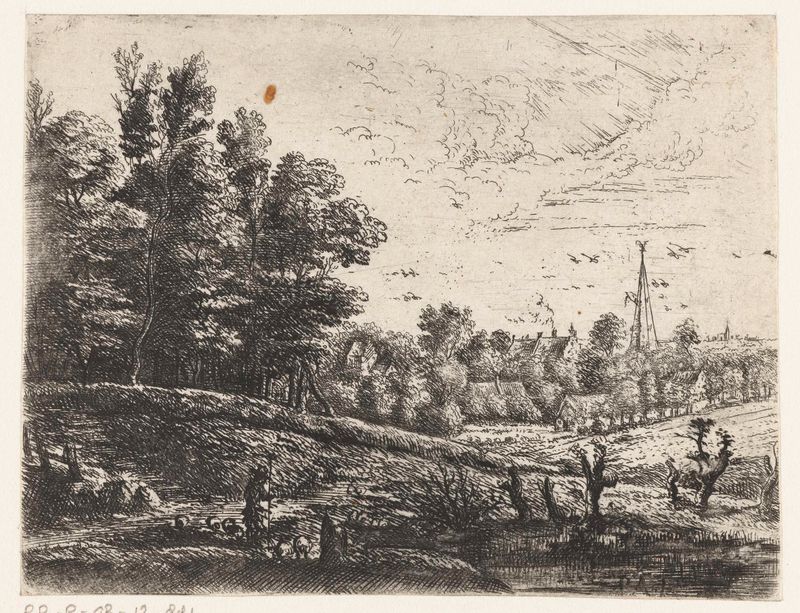
Landschap met een herder
Philips Augustijn Immenraet
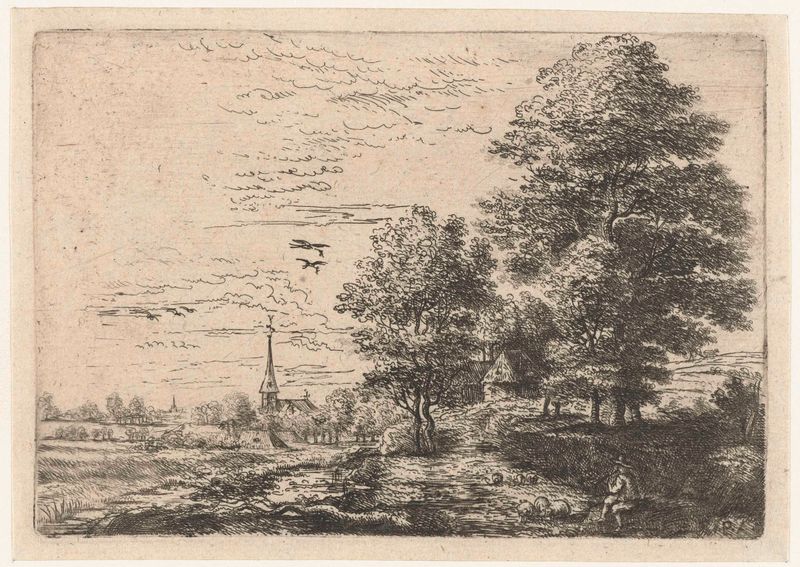
Landschap met herder en schapen
Philips Augustijn Immenraet
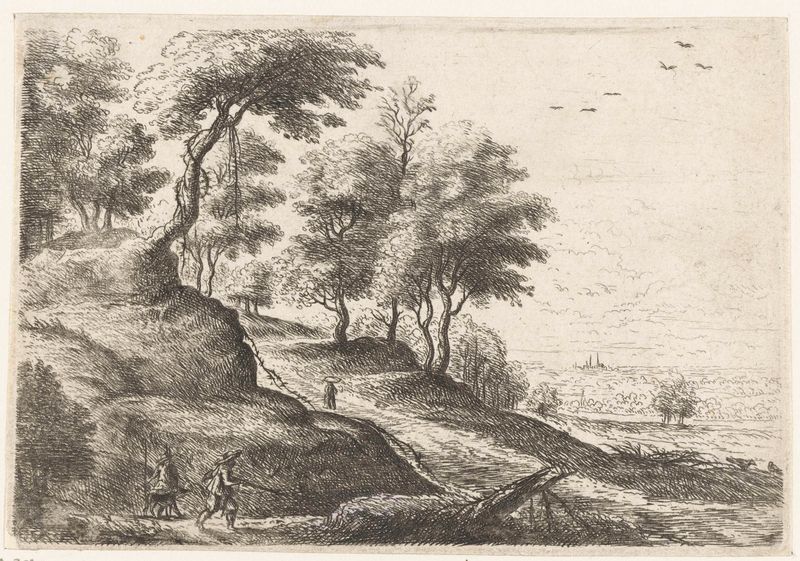
Landschap met twee jagers
Philips Augustijn Immenraet
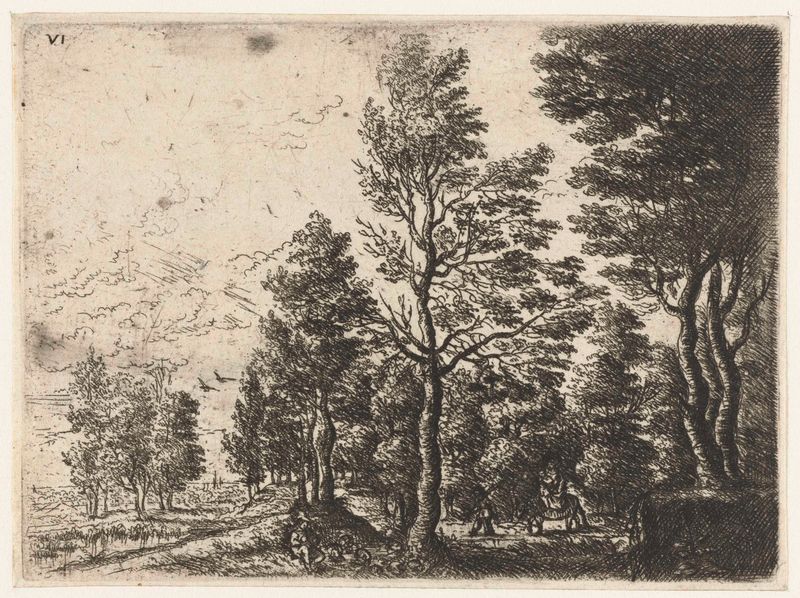
Landschap met een man met een ezel
Philips Augustijn Immenraet
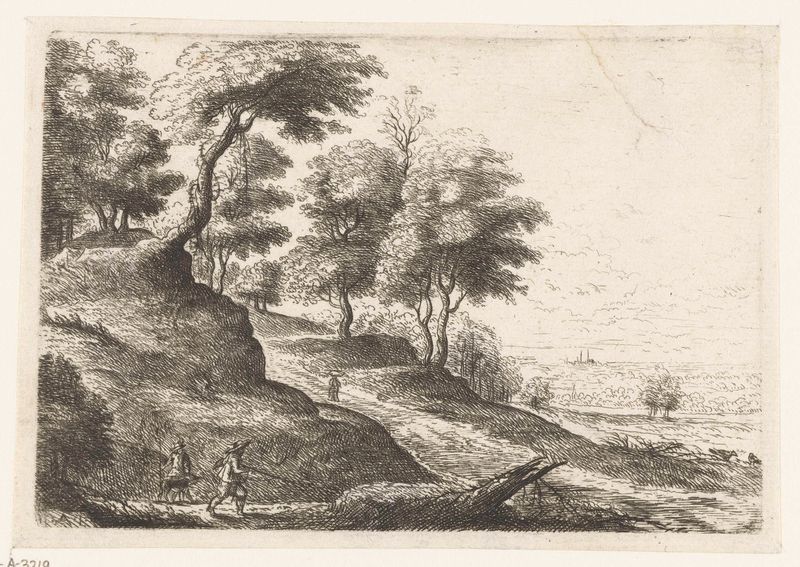
Landschap met twee jagers
Philips Augustijn Immenraet
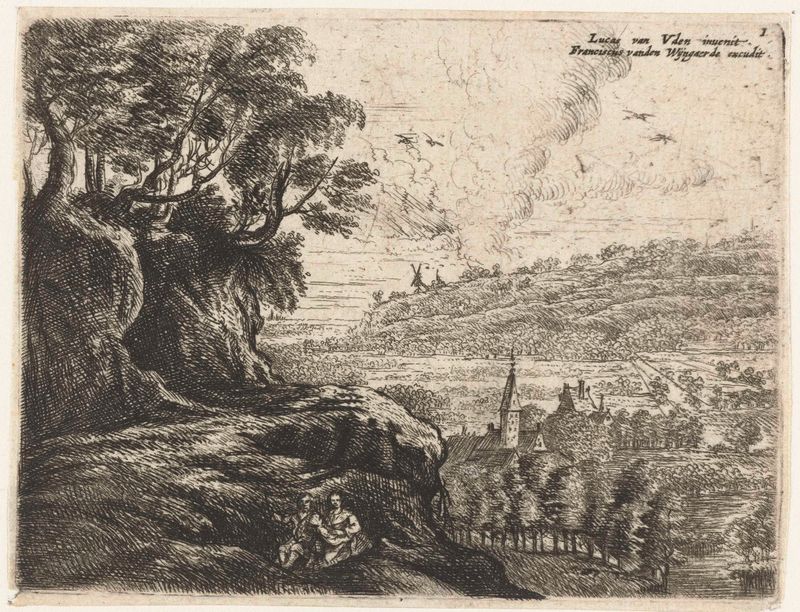
Landschap met een man, vrouw en kind
Philips Augustijn Immenraet
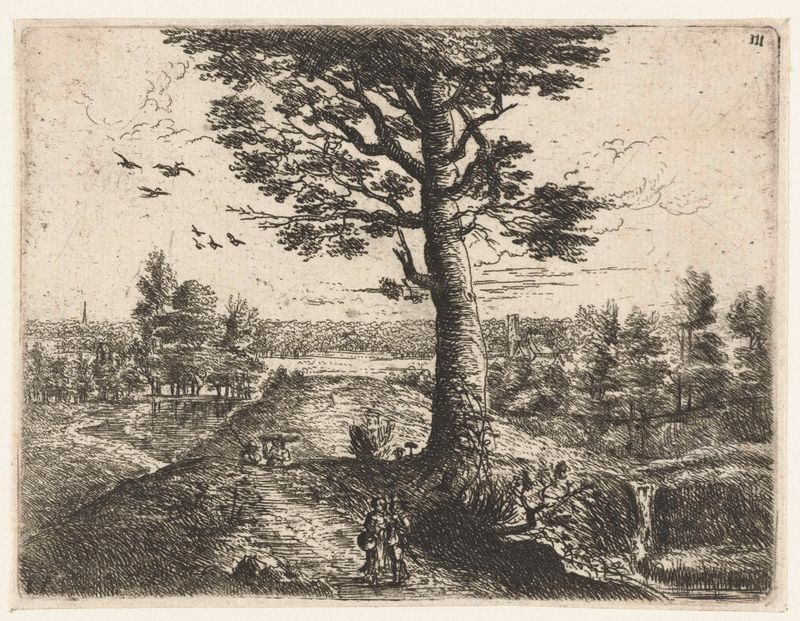
Landschap met een wandelend paar
Philips Augustijn Immenraet
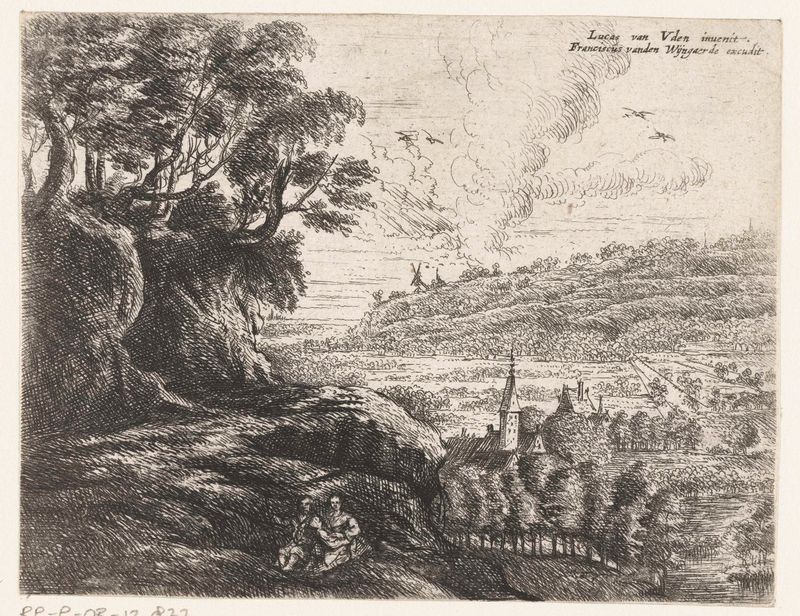
Landschap met een man, vrouw en kind
Philips Augustijn Immenraet
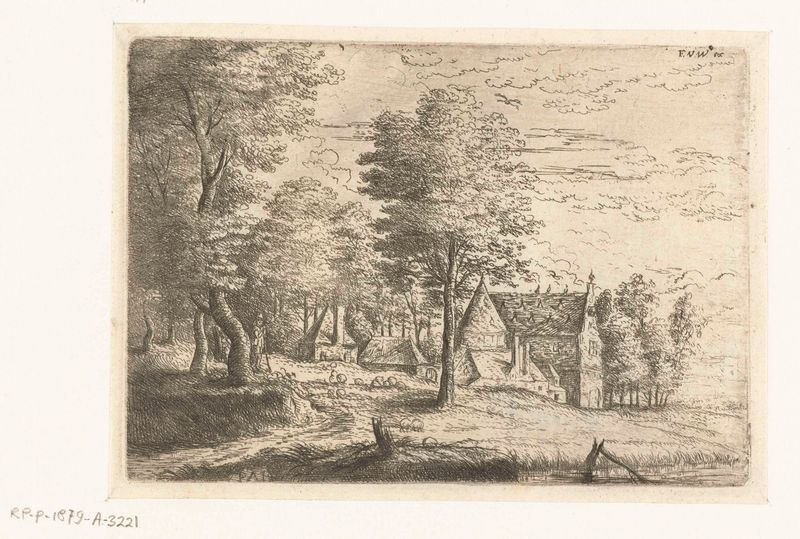
Landschap met een herder en zijn kudde
Philips Augustijn Immenraet





