
Landschap met gesloten hekje — History & Facts
Can beauty exist without sorrow? In the twilight of nature's splendor, decay whispers through vibrant landscapes, inviting us to ponder the transient essence of life. Look to the expansive horizon where lush greens give way to muted browns, hinting at the grip of time. Notice how the closed gate stands as a sentinel, both a boundary and an invitation to venture further. The interplay of light and shadow creates a palpable tension, drawing the eye toward the undercurrents of decay that pulse through the foliage.
Each brushstroke captures the fragility of the moment, beautifully encapsulating the cycle of renewal and decline. In the foreground, withered branches intertwine with blooming blossoms, symbolizing the duality of existence. The thickening air carries a sense of melancholic nostalgia, as if the scene itself reflects on the passage of seasons and the bittersweet nature of change. Hidden details, such as the distant figure fading into the landscape, evoke themes of solitude and contemplation, urging viewers to grapple with their own relationship to beauty and loss. During the period between 1610 and 1650, Jan van Brosterhuyzen painted this work amidst the flourishing Dutch Golden Age, a time marked by an explosion of artistic expression and a growing interest in landscapes.
As cities expanded and human experiences became a focal point for artists, the tension between nature and civilization became increasingly significant, prompting Brosterhuyzen to explore the haunting beauty within decay and the deep connection between life and its inevitable decline.
More Artworks by Jan van Brosterhuyzen
Browse all →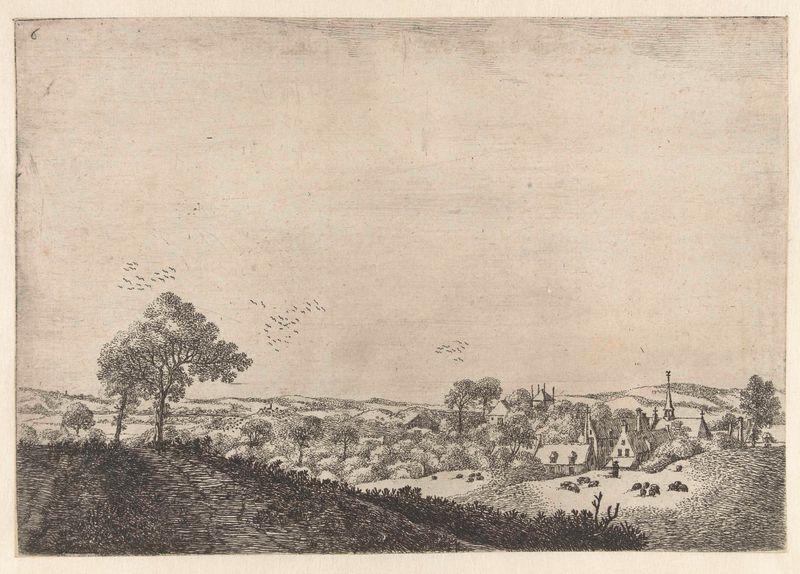
Landschap met dorp en herder met kudde
Jan van Brosterhuyzen
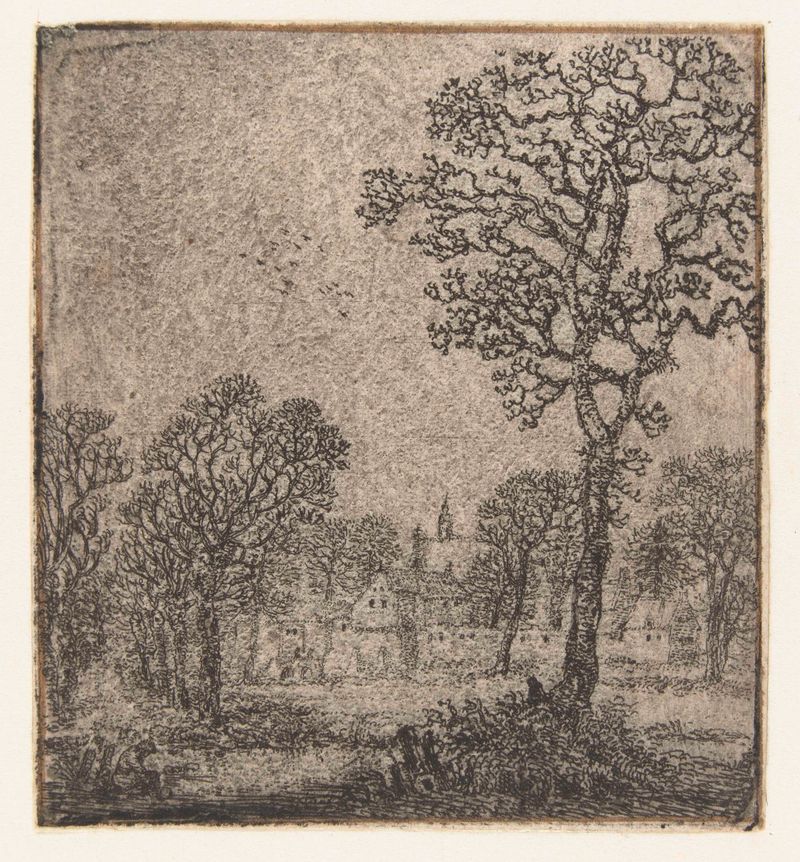
Winterlandschap met gezicht op een dorp
Jan van Brosterhuyzen
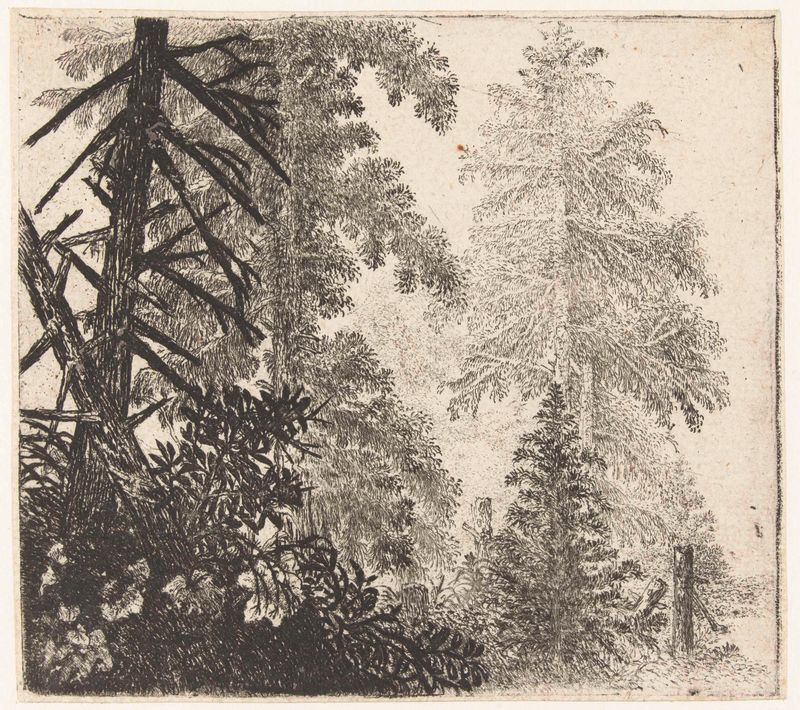
Landschap met de twee sparren
Jan van Brosterhuyzen
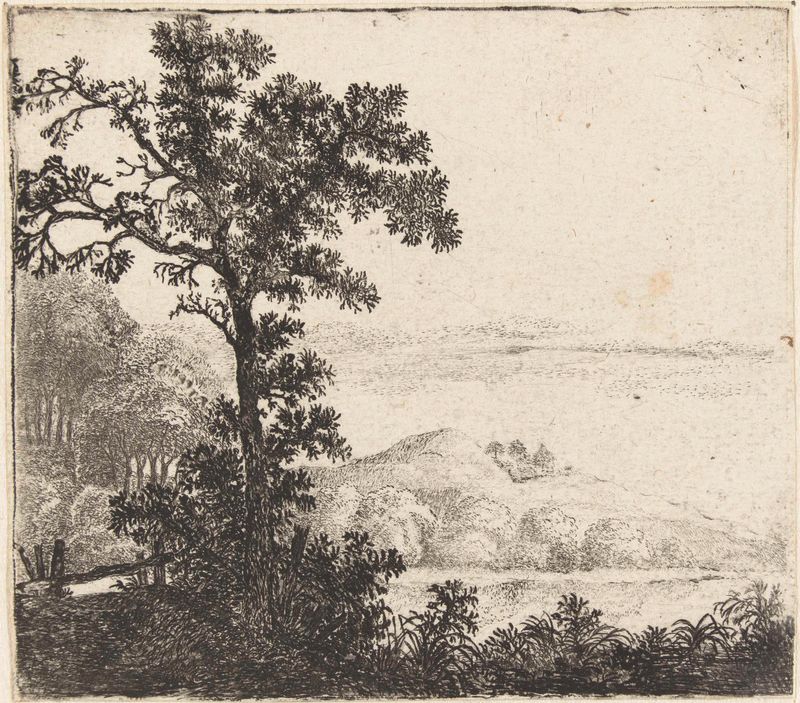
Landschap met boom bij een rivieroever
Jan van Brosterhuyzen
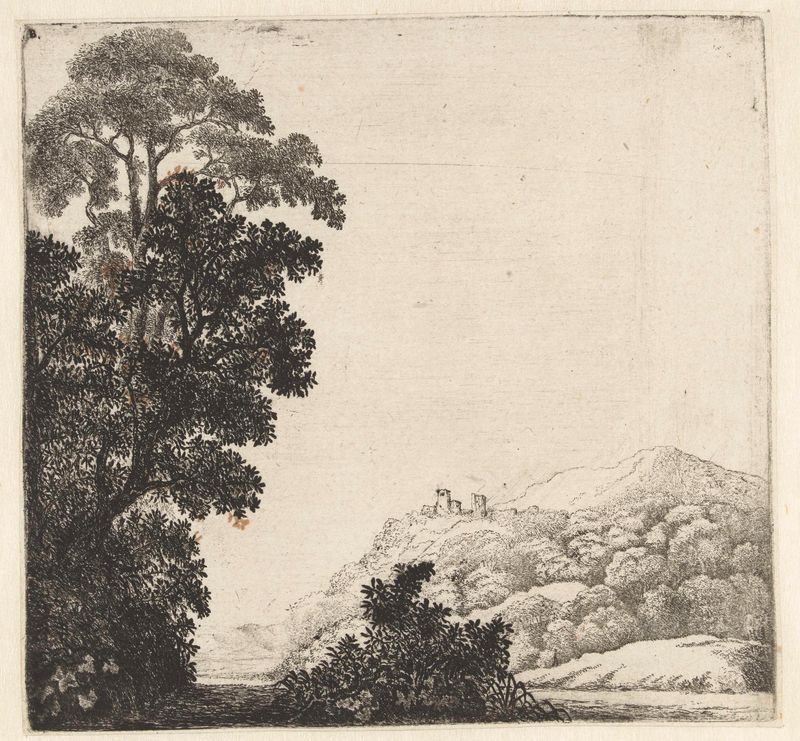
Landschap met ruïne op heuvel
Jan van Brosterhuyzen
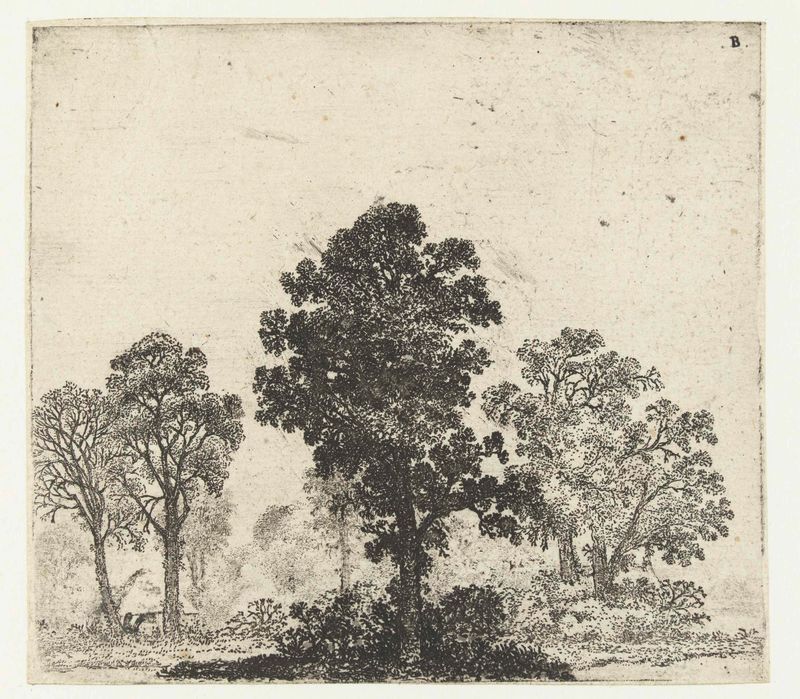
Landschap met boom in het midden
Jan van Brosterhuyzen
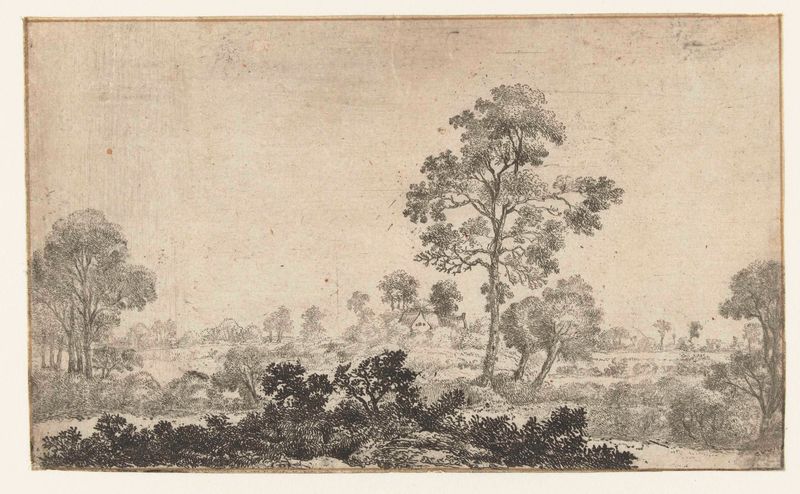
Landschap met twee wilgen bij grote boom
Jan van Brosterhuyzen

Gezicht op een kasteel
Jan van Brosterhuyzen

Landschap met boerderij bij een vijver
Jan van Brosterhuyzen

Landschap met gezicht op dorp en man in boot
Jan van Brosterhuyzen





