
Landschap met herberg — History & Facts
Who listens when art speaks of silence? In the stillness of Landschap met herberg, the absence of sound magnifies the stories whispered by the landscape itself. Look to the left at the modest inn, its humble architecture nestled among rolling hills bathed in sunlight. The artist employs soft greens and warm browns, creating a harmonious palette that invites the viewer to explore the gentle undulations of the terrain. Notice how the clouds lazily drift overhead, their reflective light casting ethereal shadows that dance upon the earth.
Each brushstroke seems deliberate yet effortless, capturing a moment where time feels suspended. Delve deeper into the juxtaposition of life and solitude; the inn stands as a beacon of human connection amid the sprawling wilderness. The fleeting figures, perhaps travelers or locals, hint at transient moments and ephemeral encounters. Further yet, the lush greenery surrounding the scene evokes both vitality and the inevitability of decay, as if nature itself is reminding us of our mortality through its beauty. In 1778, Isaac Ouwater painted this landscape during a period of transition in Dutch art, moving away from the grand narratives of the past toward a more intimate, pastoral focus.
Living in Amsterdam, he was influenced by the burgeoning interest in capturing everyday life and the changing Dutch countryside. This work reflects not only his personal artistic evolution but also the broader cultural shift toward appreciating the quiet narratives found within the simplicity of rural scenes.
More Artworks by Isaac Ouwater
Browse all →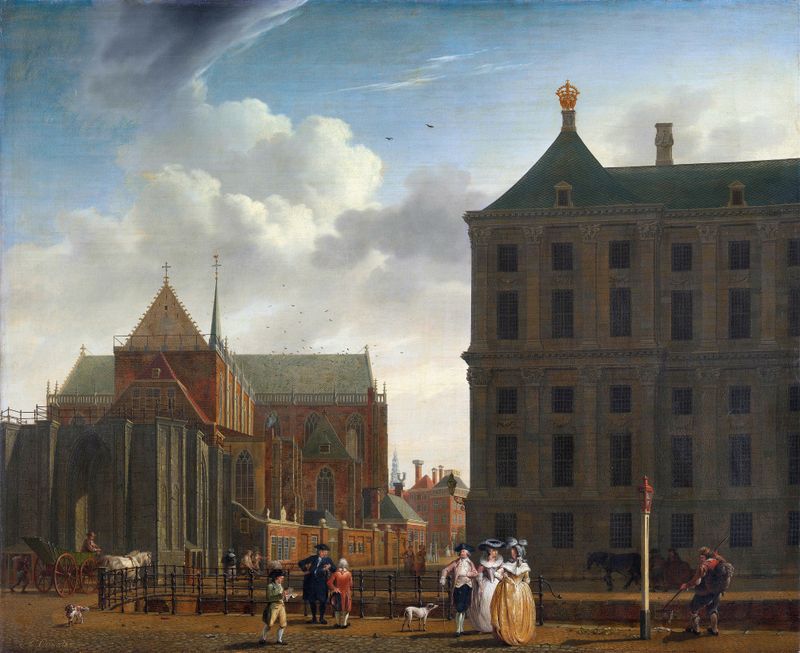
The Nieuwe Kerk and the Town Hall on the Dam in Amsterdam
Isaac Ouwater

The Bookshop and Lottery Agency of Jan de Groot in the Kalverstraat in Amsterdam
Isaac Ouwater
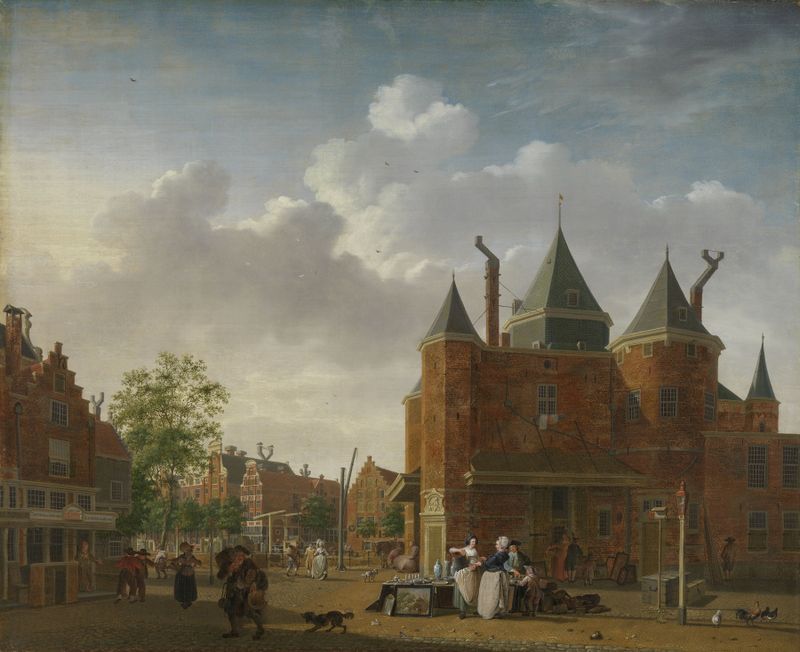
The Sint-Antoniuswaag in Amsterdam
Isaac Ouwater

De boekhandel en het loterijkantoor van Jan de Groot in de Kalverstraat te Amsterdam
Isaac Ouwater
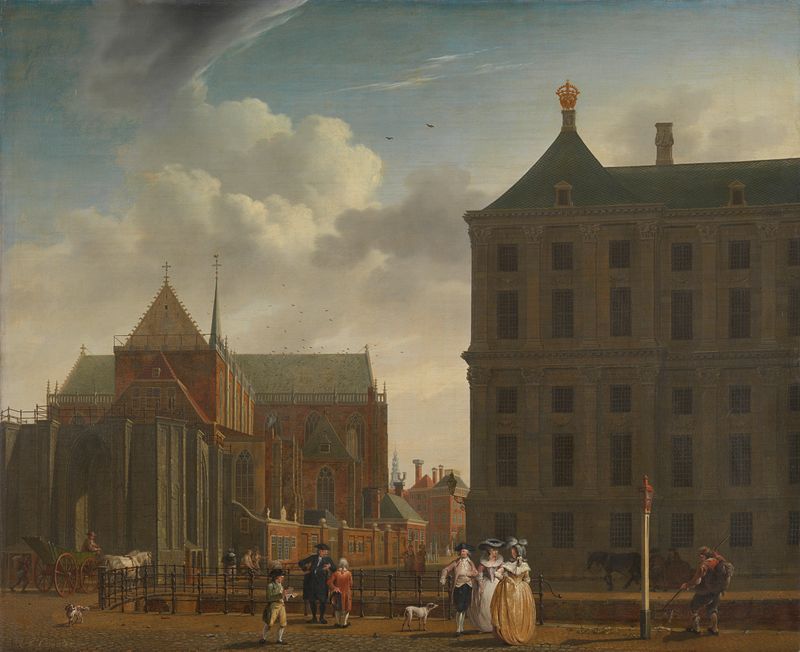
The Nieuwe Kerk and the Town Hall on the Dam in Amsterdam
Isaac Ouwater

View Of The Westerkerk Seen From Across The Keizersgracht, Amsterdam
Isaac Ouwater
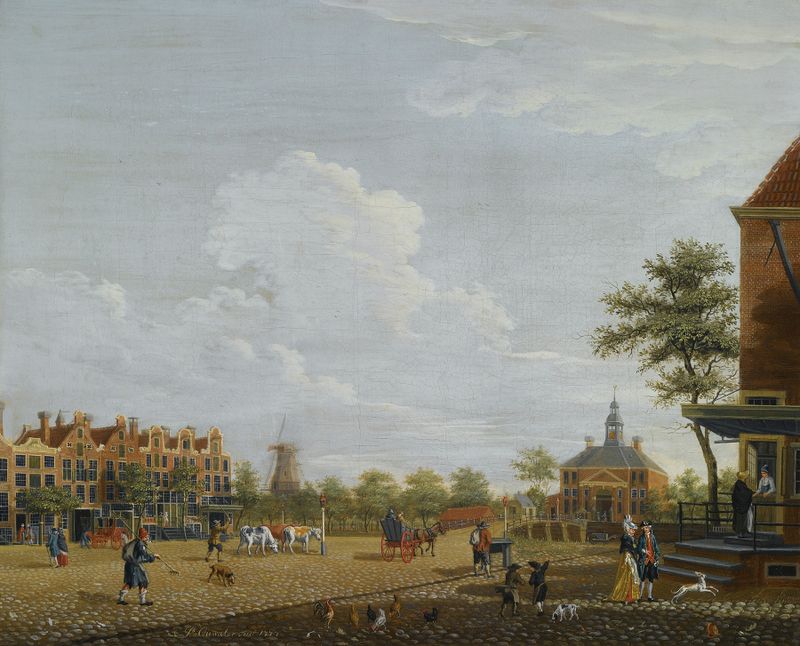
Amsterdam, A View Of The Weesperplein With The Weesperpoort, The Corn Mill ‘het Fortuyn’ On The Fortification Weesp In The Background
Isaac Ouwater
Utrecht Town Hall Bridge with Surroundings
Isaac Ouwater





